Custom Streetwear, Casualwear & Denim Manufacturer•MOQ 50 pcs•Denim MOQ 100 pcs•7-Day Sample Available

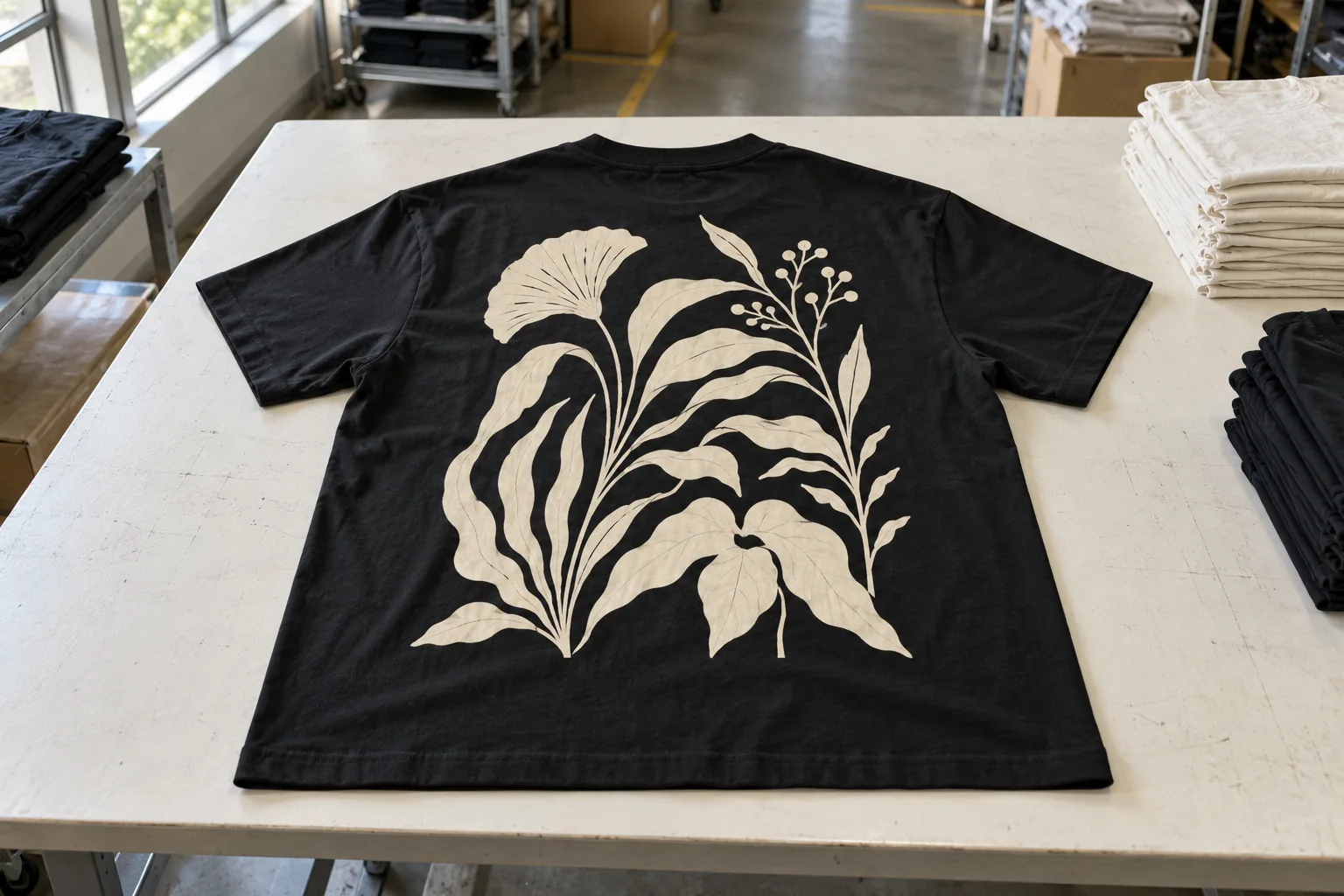
Custom T-Shirt MOQ Explained for Small Brands
A practical guide to custom t-shirt MOQ for small brands, including what affects minimums, why colors and variations matter, and how to build a simpler first production run.

A printed jersey tee can meet a garment factory’s starting quantity and still need a different production plan once the artwork is reviewed. The blank body, ink system, print dimensions and approval method all affect whether a small run is practical. For a brand buying its first graphic release, the useful question is: what exactly does the quoted minimum cover?
This guide approaches custom T-shirt MOQ through print approval. StitchQuote’s MOQ for most categories starts from 50 pieces per style, but that starting point does not establish an automatic allowance for every artwork or print treatment. Confirm the proposed jersey, decoration and quantity breakdown together before committing to a launch.
Define the printed product before discussing the minimum
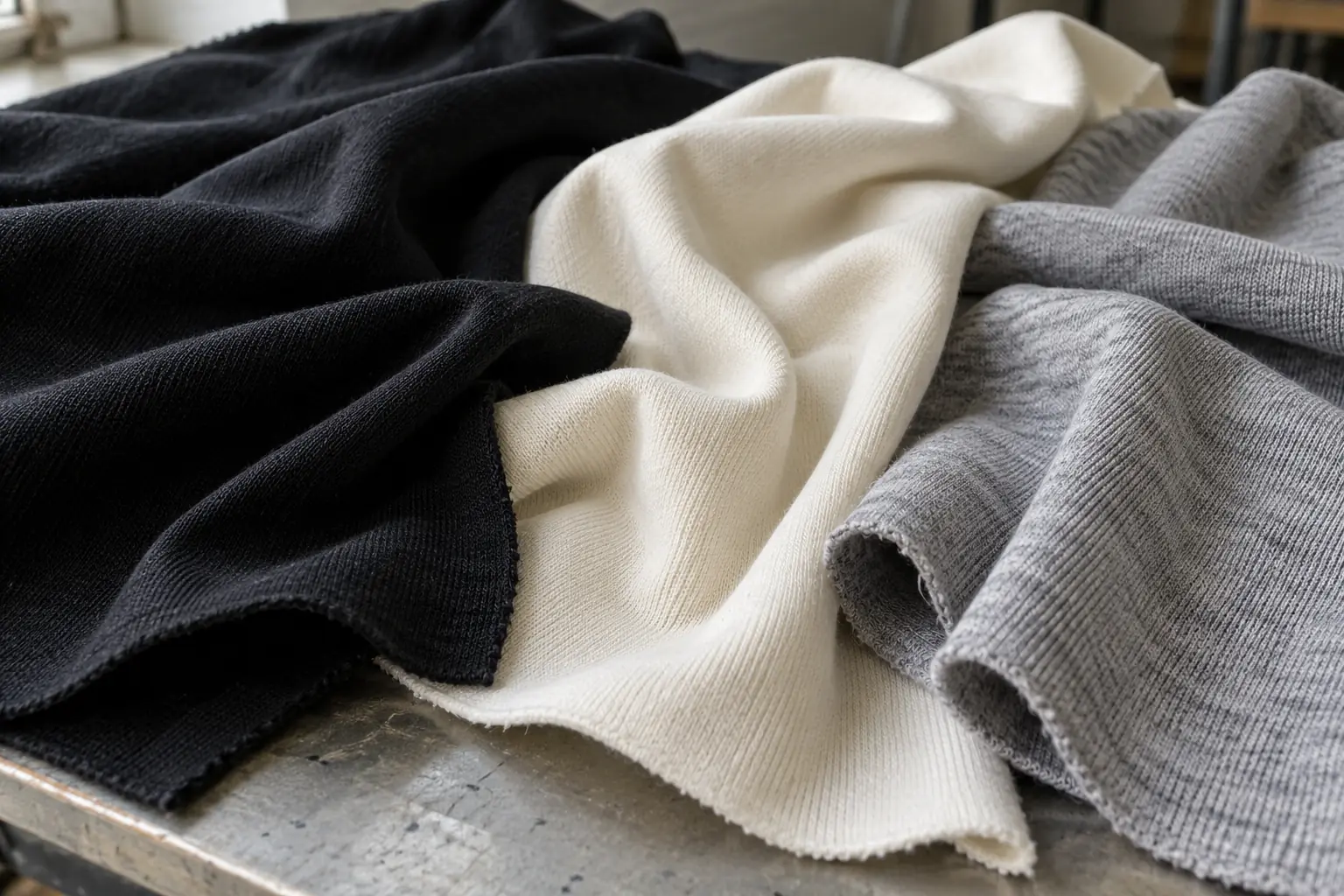
Jersey is a knitted fabric, and its stretch and surface texture matter to decoration. A fine line drawing on smooth cotton jersey presents a different approval problem from a dense solid graphic on a textured cotton blend. Fabric composition, weight, color and finish should accompany the artwork when you request a quote.
Specify whether the design is printed on a cut panel before sewing or on the assembled shirt. A graphic extending across a side seam may require a different route from a centered chest print. Do not assume a digital mockup proves either route is feasible.
Ask the supplier to identify what counts as one style for this particular quote and whether there are separate minimums for each print design or treatment. A garment starting quantity is useful context; a written allocation of pieces to approved artwork is what makes the offer reviewable.
Match the decoration route to the artwork’s difficult features
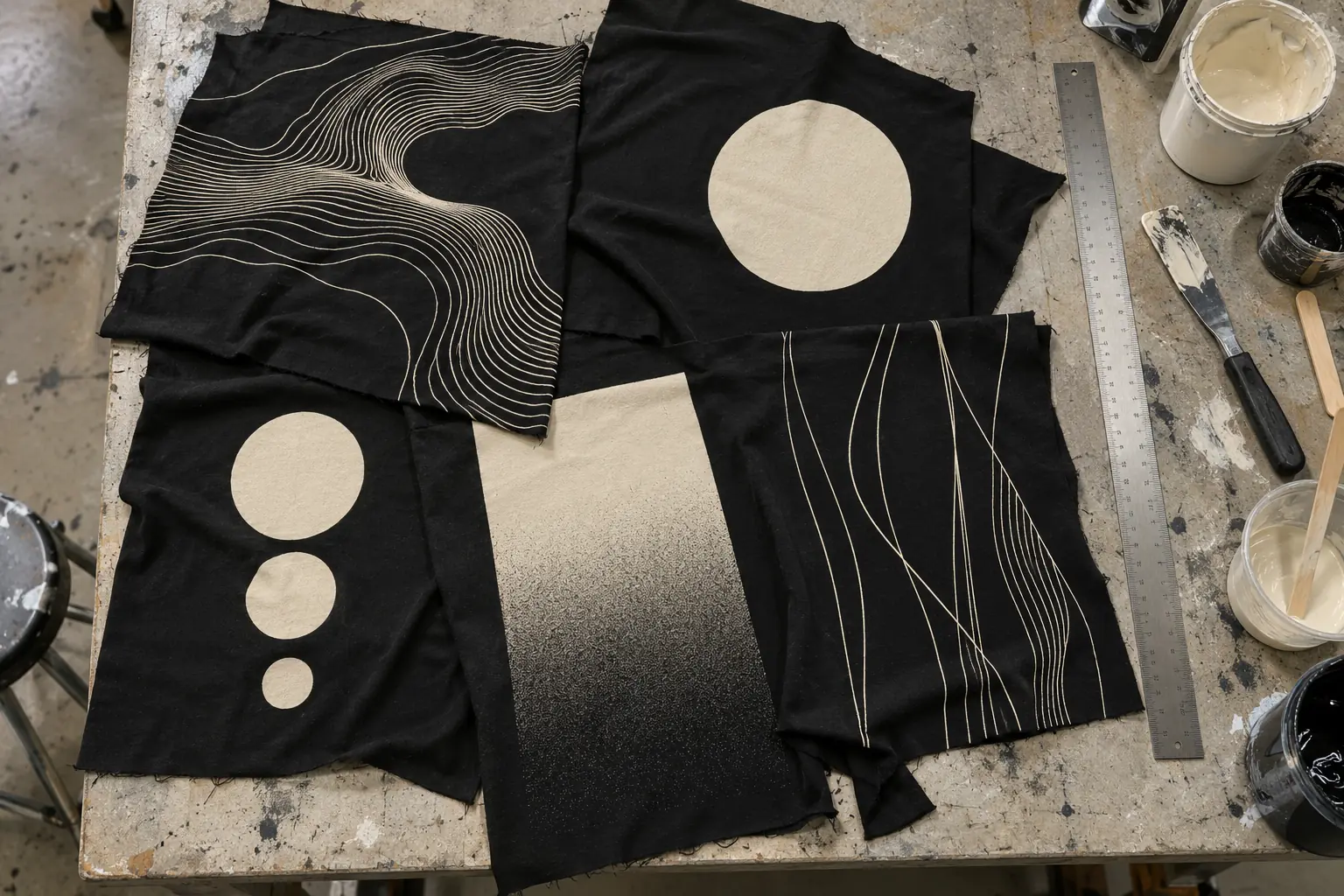
Print methods have different preparation requirements. Screen printing generally needs screens and setup for the color separations involved. Direct-to-garment printing and transfers have their own material, pretreatment or application requirements. These are options to discuss with a supplier, not a statement that every method is available for every project.
| Artwork feature | What to review on jersey | What to confirm in the quote |
|---|---|---|
| Large pale graphic on a dark body | Opacity, coverage and print feel | Whether an underbase and extra processing are included |
| Fine illustration with gradients | Small-detail clarity and tonal transitions | Proposed method and artwork preparation |
| Graphic crossing a seam | Continuity, alignment and access | Printing stage and construction restrictions |
For example, a small illustrated chest motif may be acceptable with slight fabric texture visible through it. A broad cream rectangle on black jersey may need much more consistent coverage. Those briefs should not share an approval standard simply because both use one visible ink color.
Request the intended print dimensions in physical units, not just a percentage of the mockup. Increasing a graphic’s area can change its feel, application requirements and compatibility with the smallest garment size.
Use the sample to approve the fabric-and-ink combination
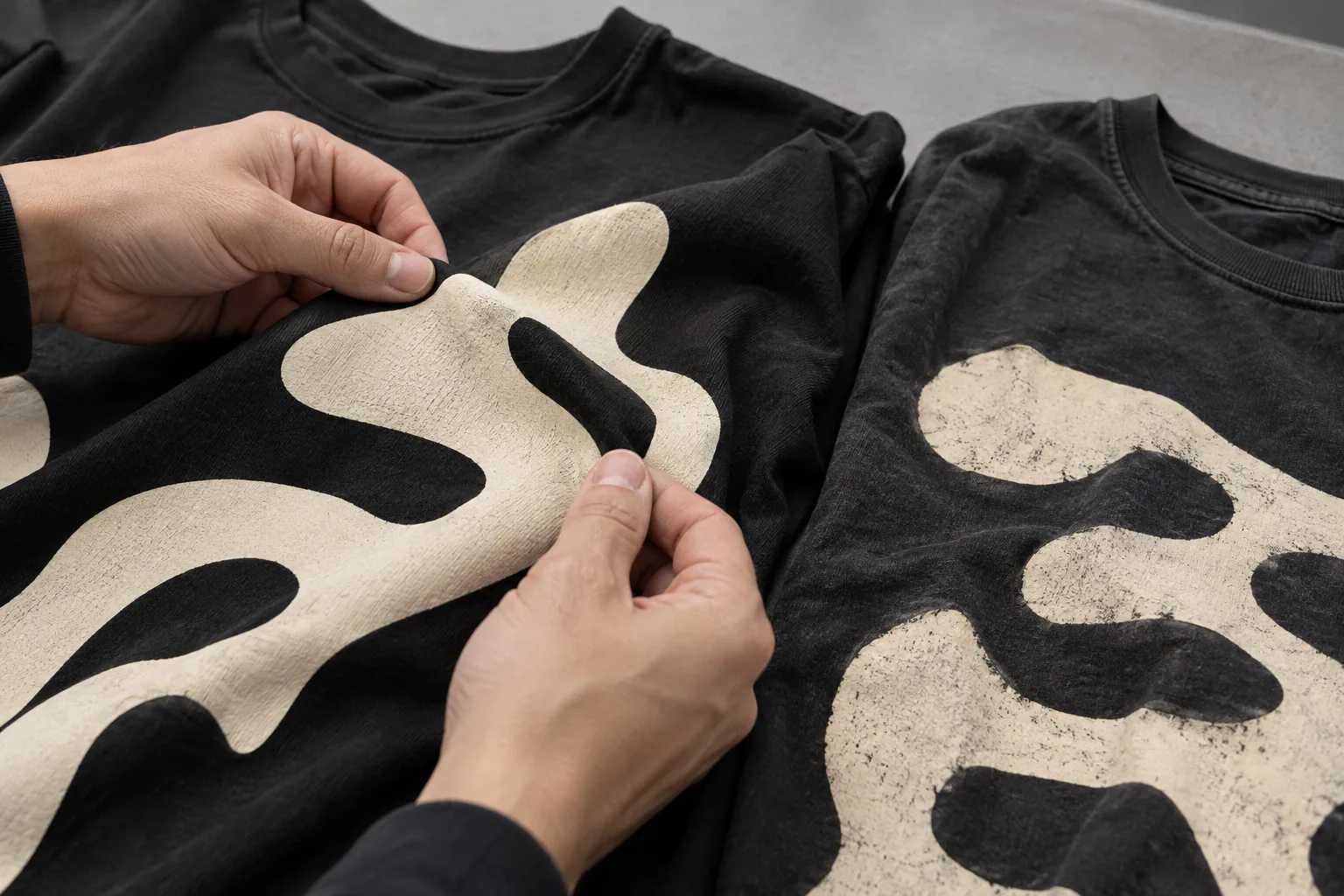
A strike-off is a print trial on fabric. It can help resolve color, detail and feel before a complete garment is made. It does not, by itself, approve placement on the finished tee, how the graphic sits on the body, or the effect of construction and finishing.
Ask for the trial on the intended jersey and body color. Printing on a convenient white scrap cannot establish how an opaque light graphic will look on your dark production fabric. If the sample material differs, record that limitation and identify what must be checked again.
StitchQuote offers a 7-day sample for standard styles with confirmed specifications and available materials. Complex styles, custom washes and custom-developed fabric take longer. Confirm what the sample will include and when the relevant materials and artwork are considered ready.
Approve a reference that records artwork version, dimensions, placement, fabric and print treatment. If the design changes after approval, ask which checks must be repeated before production proceeds.
Build a purchase brief that exposes print assumptions
Consider a proposed order of 60 black jersey tees with a back illustration. The artwork may look identical across the size range, but the buyer still needs to decide whether it uses one physical print size or graded print sizes. The latter can create additional preparation and approval work; the former must fit the smallest body appropriately.
Send an allocation showing garment sizes, quantities and the artwork assigned to each. Include editable or production-ready artwork in the format requested by the supplier, plus a placement drawing measured from agreed garment reference points.
Request separate explanations for garment quantity requirements, print setup, sampling and any special material commitment. Ask whether the quoted quantity means finished, accepted units and how shortages or rejected pieces will be handled. This makes two offers easier to compare without assuming that identical piece counts include identical work.
StitchQuote’s services include cut-and-sew, private label, sampling, fabric and trim sourcing, branding through woven labels, prints and embroidery, and QC before packing. Define the required services in the brief so that the quote reflects the actual finished product.
Set print acceptance checks before the run starts
A small order still needs an agreed reference and inspection criteria. Establish measurement tolerances and a suitable wash-check procedure with the supplier rather than imposing an arbitrary universal limit. The following checklist focuses on defects that a garment count alone will not reveal.
- Placement: Measure from the agreed reference points and check the smallest and largest sizes.
- Appearance: Compare color, opacity, edges and detail with the approved sample under consistent lighting.
- Surface condition: Look for unwanted ink marks, application outlines, scorching or contamination.
- Flexibility: Assess the print during normal garment movement using an agreed handling method.
- After washing: Check adhesion, cracking, color change and distortion under the agreed care conditions.
- Packing readiness: Confirm the print is properly cured or set and that packed surfaces do not stick or transfer.
Record failures with photographs and measurements. Agree on correction and acceptance before packing, particularly when a defect affects an entire artwork batch.
Turn fit and print placement into measurable instructions
Define each fit measurement with the garment laid flat and relaxed, without stretching the knit. Record half-chest width at a stated distance below the armhole, body length from the high shoulder point beside the neck to the hem, shoulder width between the shoulder seams, and sleeve length from the shoulder seam to the sleeve edge. Include a diagram: measuring length from the center-back neck would produce a different result even on the same shirt.
Locate the graphic independently of those fit measurements. For a back illustration, specify the distance from the center-back neckline seam to the top edge of the printed artwork, its finished width and height, and its alignment to the garment centerline. State whether the artwork boundary includes transparent space in the file. A buyer might propose a placement tolerance of plus or minus 5 mm for discussion, but this is a proposed acceptance limit, not a StitchQuote standard. Agree on achievable limits for each measurement before approving the sample.
An illustrative fabric brief could request 100% cotton single jersey at a target of 180 GSM, subject to confirmation of availability, finishing and an acceptable weight range. GSM means grams per square meter; it does not establish opacity, softness or shrinkage by itself. Examine the actual jersey for show-through, surface fuzz and recovery after gentle stretching. Record garment measurements before and after the agreed wash and drying procedure: body shrinkage can change the apparent position and proportions of a print even when the ink remains intact.
Work through a 60-piece order before approving costs
For the hypothetical black tee above, an allocation could be 10 small, 20 medium, 20 large and 10 extra-large pieces, all with one back artwork. That totals 60 garments in one proposed style; the supplier still needs to confirm the print and material requirements. Request confirmation that one artwork size fits the smallest shirt. If larger sizes need a wider print, identify exactly which sizes change and ask about the resulting setup and sample implications.
Compare quotes by asking what creates each charge: sourcing stocked jersey versus developing custom fabric, preparing color separations, producing an underbase, adding a second print location, attaching labels, or using individual packaging. These are cost drivers to clarify rather than assumed charges. Ask whether setup can be reused for a repeat order and what would trigger new preparation, such as a changed artwork size or print method.
Use a clear approval sequence: confirm the brief, review the fabric and print trial, assess the complete sample, record corrections, and approve the revised reference before bulk production. At final QC, reconcile size counts against the allocation and check that size labels match the garments. Separate defective pieces from accepted stock and record the affected sizes, so a total count of 60 cannot hide a shortage in the size mix needed for launch.
Questions buyers ask before approving a printed run
Does a 50-piece starting MOQ include several graphics?
Not automatically. StitchQuote’s starting MOQ applies to most categories per style. Submit the quantity for each graphic and obtain written confirmation of how the proposed printed variants are treated.
Can one print size cover every shirt size?
It may, if the artwork fits and the visual proportion is acceptable. Check placement on the size extremes before approval; a print that suits the largest tee can crowd the smallest.
Can an approved graphic move to a different jersey later?
The artwork can be reused, but approval should not transfer automatically. A different fiber blend, finish or surface can change ink behavior and appearance. Request a new trial where needed.
What should be retained for a repeat order?
Keep the approved garment, artwork files, placement measurements and fabric specification. Ask the supplier to confirm current material availability and preparation requirements before treating the repeat as identical.
Related reading for your production brief
- Prepare a tech pack with clear print specifications
- Review sampling and minimum order planning
- Explore custom T-shirt manufacturing
- Discuss your jersey print brief with StitchQuote
Request a manufacturing quote
Share your product type, quantity range, and destination. We usually reply within one business day.