Custom Streetwear, Casualwear & Denim Manufacturer•MOQ 50 pcs•Denim MOQ 100 pcs•7-Day Sample Available

How to Approve a Fit Sample Without Endless Revisions
Approve a fit sample with clearer comments, fewer repeated changes, and a tighter decision process so the garment actually moves toward bulk readiness.

A fit sample can look right on one person while leaving the rest of your size range unresolved. If you order a size set before the base pattern is stable, every correction can spread across several garments. If you wait until production is ready to start, a grading problem can interrupt the schedule when there is little room to respond.
The useful approval question is therefore not simply whether you like the sample. It is whether the base size is stable enough to test across the range. Plan that handoff deliberately, with separate decisions for base fit, graded fit and permission to proceed toward bulk.
Put the size-set decision on the calendar first
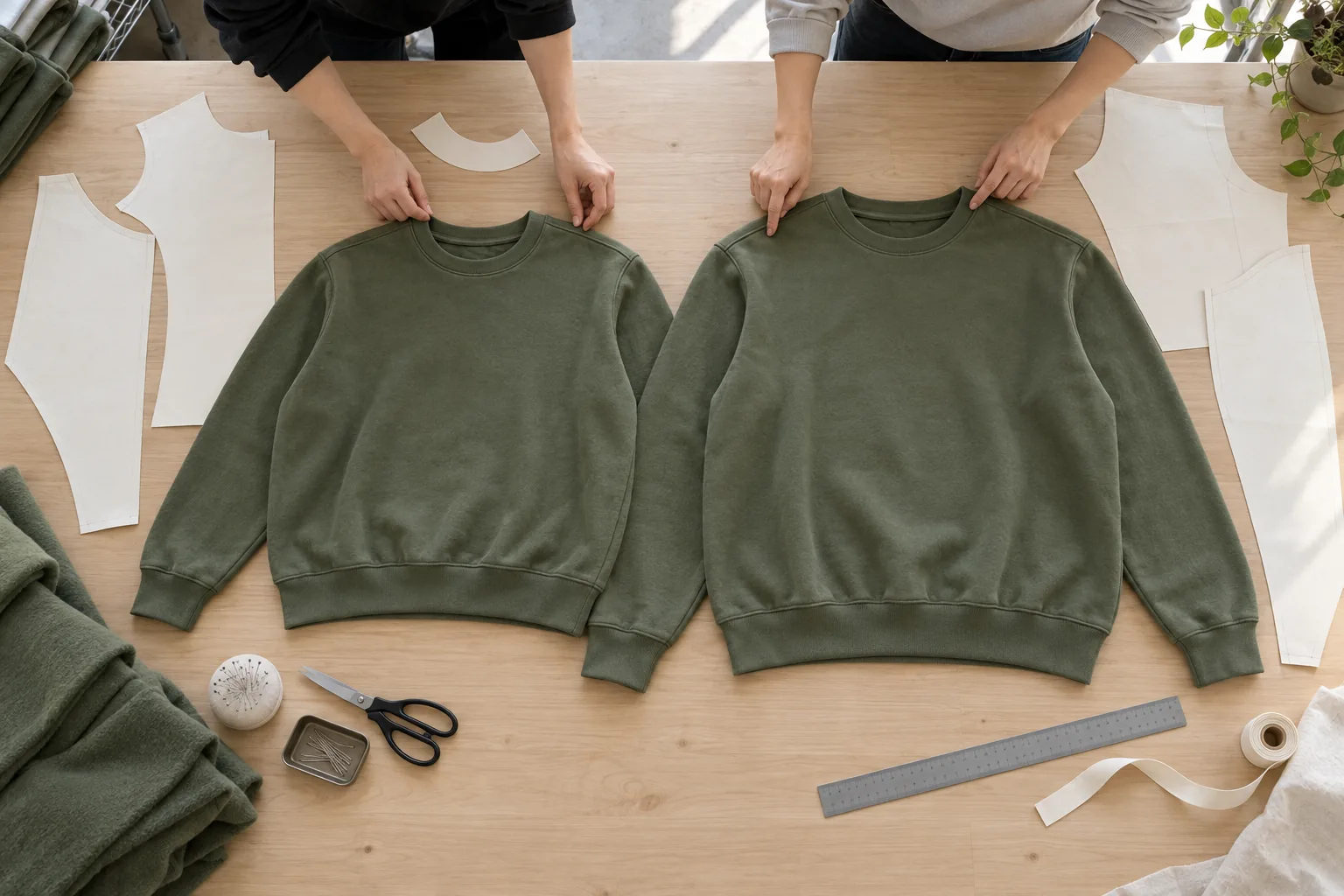
A size set consists of samples in agreed sizes used to check how the pattern works beyond the development size. Establish which sizes it includes before requesting it. A complete set and a selection of boundary sizes answer different questions, so neither should be assumed from the phrase alone.
Work backward from the point when bulk cutting needs an approved specification. Reserve time for making the set, shipping it, fitting it, consolidating comments and verifying any corrections. Confirm these intervals with the manufacturer; the sewing time alone is not the approval schedule.
Give the base-fit review an explicit outcome: release the pattern for size-set development, hold it for another fitting, or authorize limited preparation with named dependencies. This makes the next action visible without treating every positive comment as production approval.
Resolve shape changes before multiplying the pattern
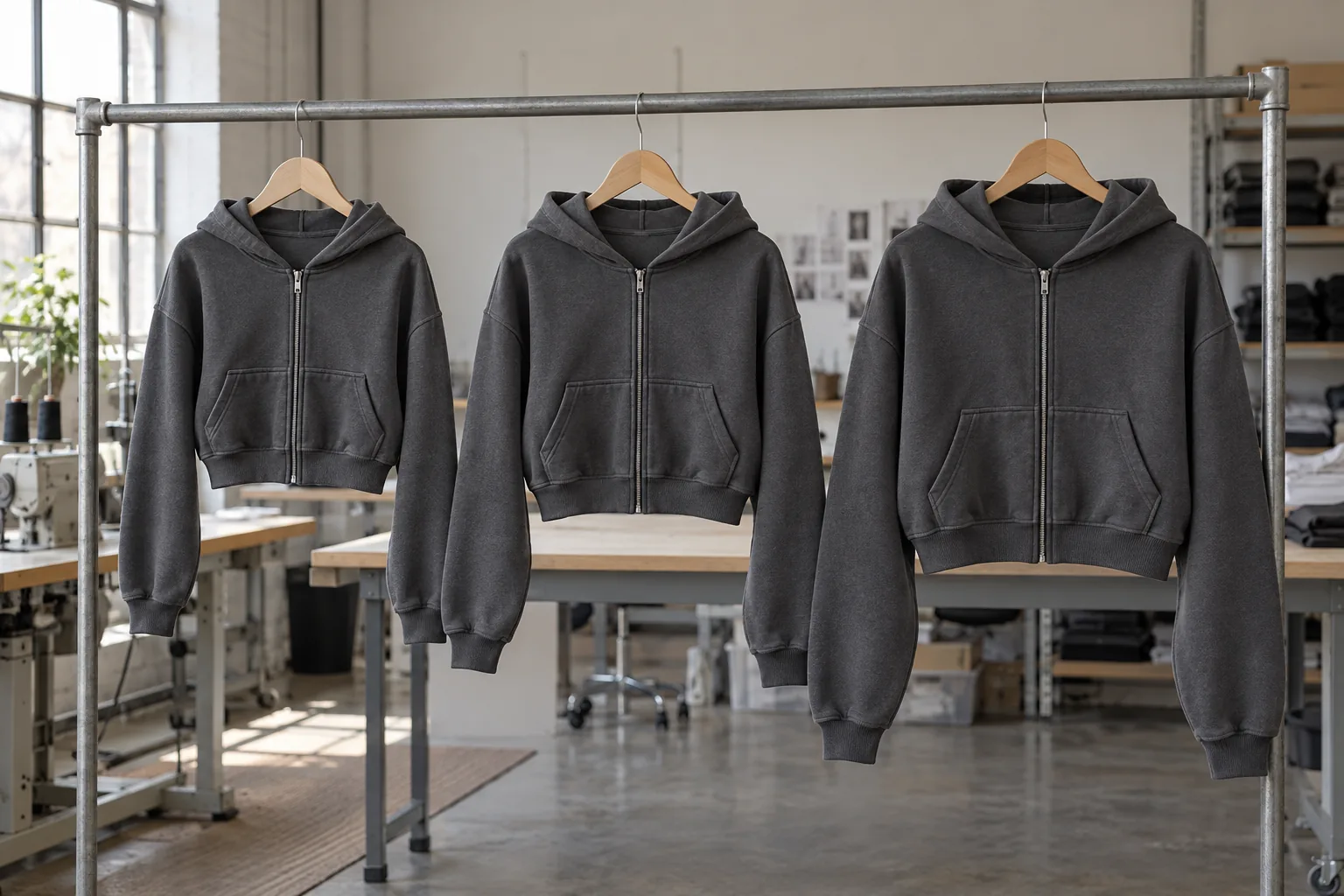
Before grading proceeds, settle the silhouette decisions that affect several pattern pieces. On a cropped zip hoodie, moving the shoulder seam can change sleeve length, armhole balance and how the hood sits. Asking for that change after the size set is sewn may mean reassessing every size.
Separate sample workmanship from pattern intent. A wrongly sewn seam may explain an incorrect measurement without requiring a new pattern. Conversely, a garment can match its measurement chart and still pull across the upper back during movement. Record which problem you are correcting.
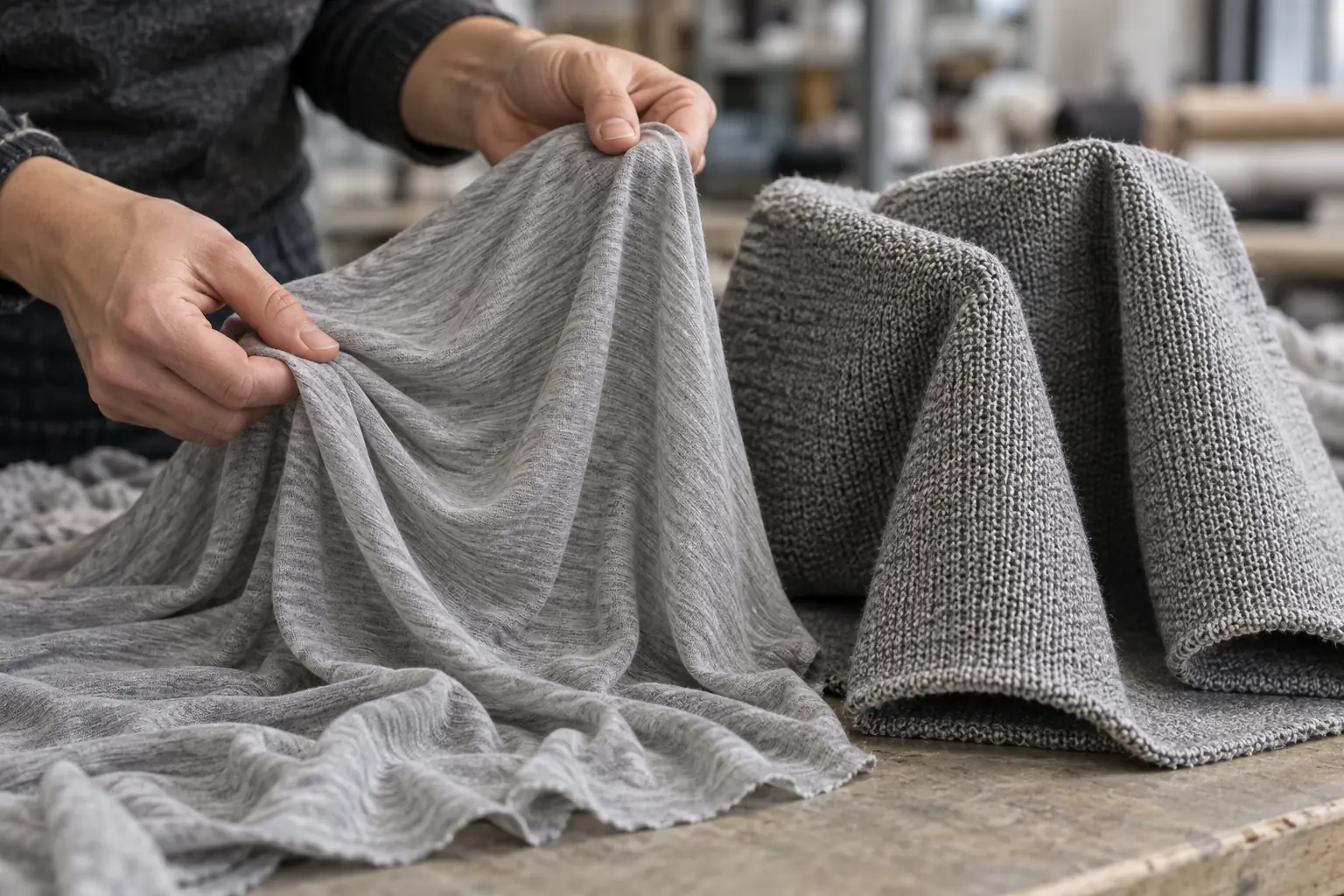
The fabric also needs to represent the intended garment closely enough for the decision. A soft substitute jersey cannot reliably settle the shape of a structured heavyweight tee. Record any material difference and identify which approvals must wait for the correct fabric, finish or wash.
Choose the smallest size-set scope that answers the risk
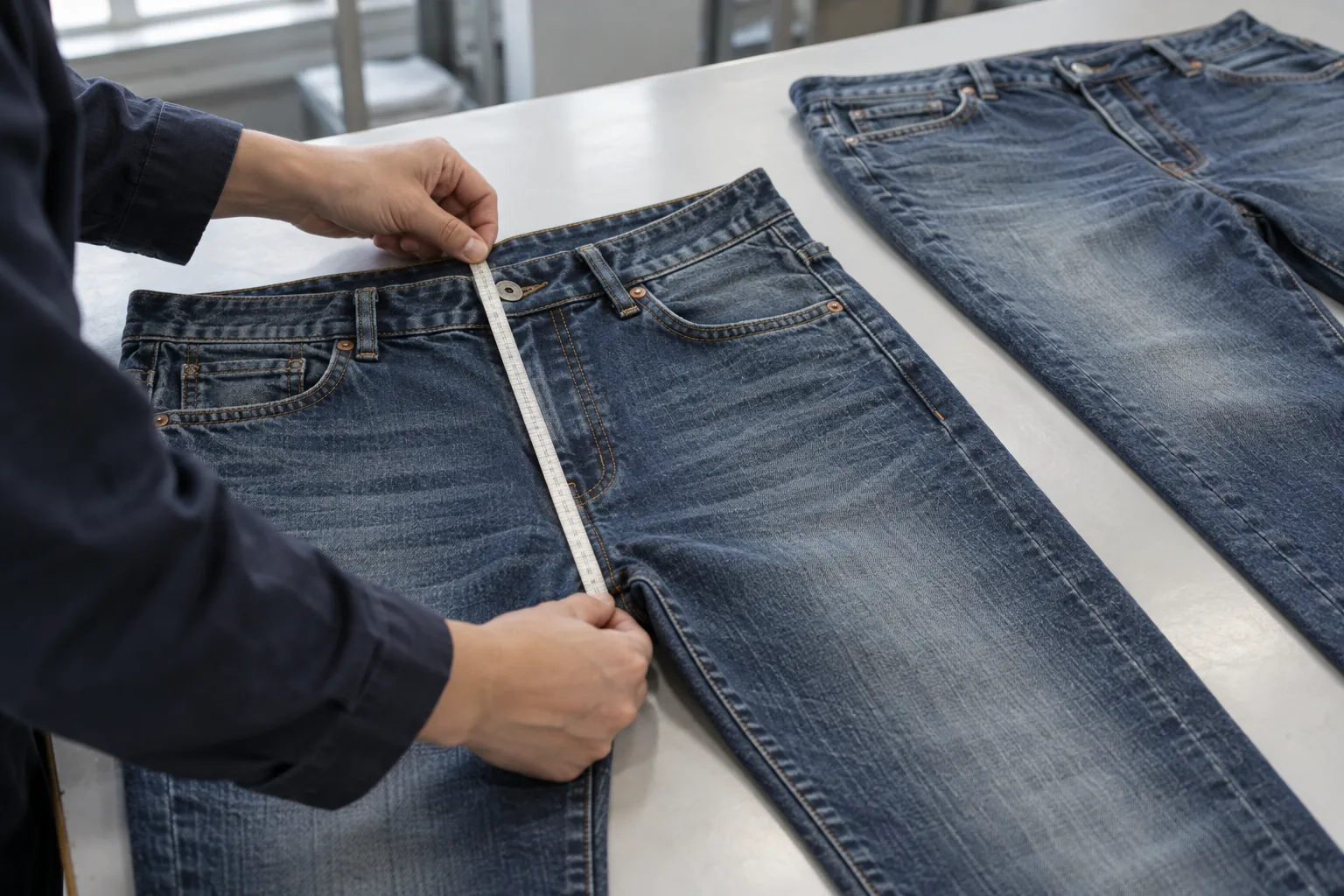
The base size is not automatically the most informative size. For relaxed trousers, the smallest offered waist may reveal pocket crowding while the largest size exposes insufficient seat or thigh ease. These are reasons to test those sizes early, not reasons to assume that all intermediate sizes will pass.
| Situation | Size-set timing decision | Evidence needed |
|---|---|---|
| New silhouette and new grading rules | Allow a dedicated review after base-fit approval | Agreed size coverage and movement checks |
| Repeat pattern with a different fabric | Verify material behavior before accepting previous fit | Comparison after intended finishing or washing |
| Extended size range | Evaluate added boundary sizes before bulk release | Proportions, ease and component placement at the extremes |
A reduced set can be useful when the pattern and grading history support it, but document what remains untested. Agree whether later samples or production-stage checks will cover those gaps. Sample selection is a technical decision, not simply a way to reduce the number of pieces ordered.
Allow preparation to overlap, but protect the approval gate
Some work can proceed while the base fit is being reviewed: preparing a graded measurement chart, checking trim availability and arranging fit participants. Sewing graded samples against an unsettled pattern carries a different risk. Identify which activities are safe to start and which depend on approved corrections.
For example, a brand may approve the body shape of a long-sleeve tee while requesting a cuff opening correction. The factory and buyer should confirm whether that correction is isolated or changes sleeve balance. Only then can they decide whether the size set can incorporate it directly or needs a verified base-size revision first.
StitchQuote offers a 7-day sample for standard styles with confirmed specifications and available materials. Complex styles, custom washes and custom-developed fabric take longer. Do not treat that availability as a promise covering multiple fit rounds, transit and size-set approval; confirm the actual sequence for your project.
Use a size-set QC checklist before signing off
Review the garments against one dated specification and comment record. Mixing an updated chest measurement with an older sleeve specification creates uncertainty even when each individual measurement looks reasonable.
- Identify each garment: Confirm size, sample version, fabric and finish before fitting.
- Measure consistently: Use agreed points of measure, garment preparation and tolerances; record actual results alongside targets.
- Check progression: Compare size-to-size changes against the approved grading rules rather than judging each garment separately.
- Test movement: Include relevant actions such as reaching in a hoodie or sitting in trousers, using suitable fit participants.
- Review proportions: Check pocket position, hood scale, cuff opening and branding placement across sizes.
- Close exceptions: Name the correction owner and required proof, including whether a revised physical sample is necessary.
End with a written status for the sizes reviewed. “Approved except for the attached corrections” needs a clear statement of what those corrections block. StitchQuote provides QC before packing, but that later check serves a different purpose from confirming graded fit before production.
Questions buyers ask at the grading handoff
Can we request a size set before the base sample arrives?
You can agree scope, review dates and materials in advance. Committing to graded sample construction before seeing the base garment means accepting potential rework. Make that dependency explicit, especially when the silhouette is new.
Does a failure in one size require repeating the entire set?
Not always. First determine whether the cause is sewing variation, an isolated pattern issue or a grading rule shared across sizes. Verify all sizes affected by the correction; a local symptom may have a wider cause.
Should the size set use the intended denim wash?
When the wash affects shrinkage, drape or fit, approval needs representative washed garments. An unwashed set may help diagnose construction, but it does not establish the finished fit. Agree the wash reference before scheduling that review.
Is the size-set quantity the same as the production MOQ?
No. Sample scope and bulk minimums are separate discussions. StitchQuote’s MOQ for most categories starts from 50 pieces per style; denim starts from 100 pieces per style. Confirm size-set quantities and the planned bulk size breakdown for the project.
Define measurement methods before comparing the sizes
A tolerance only works when both parties measure the same way. For a sweatshirt, specify whether half-chest is measured flat at the underarm or at a stated distance below it, and show that line on a diagram. Define body length from the high shoulder point beside the neckline to the finished hem. For sleeve length, distinguish shoulder-seam-to-cuff from center-back-neck-to-cuff; those methods are not interchangeable on a dropped-shoulder garment. Measure rib openings relaxed unless the specification explicitly calls for a stretched measurement.
Set tolerances by measurement point rather than applying one allowance to the whole garment. As an illustrative proposal for discussion, a buyer might request ±1 cm on half-chest and body length, but ±0.5 cm on a relaxed cuff opening. These are proposed acceptance limits, not StitchQuote standards or universal manufacturing tolerances. Confirm feasibility against the fabric, construction and measurement method before approval. A 1 cm difference on a flat half-chest measurement represents approximately 2 cm around the garment, which helps explain why apparently small deviations can affect fit.
Keep grading increments separate from sewing tolerances. If two neighboring sizes have half-chest targets of 56 cm and 58 cm, a ±1 cm allowance could permit both samples to measure 57 cm. Each could pass its individual limit while providing no actual chest progression. Record the measured differences between neighboring sizes and investigate collapsed or reversed progression before releasing the range.
Run a fabric-specific approval example through to release
Consider a hypothetical 100-piece sweatshirt order in sizes XS through XL, with quantities of 10, 20, 30, 25 and 15 respectively. Start with the base-size fit, then agree which additional sizes need physical review. The bulk allocation does not determine the sample allocation: choosing XS, M and XL for review leaves S and L without direct fit evidence, so the buyer should document how their grading and later measurement checks will be verified.
Suppose the intended material is 320 GSM cotton-rich brushed fleece. GSM describes mass per unit area; it does not establish stretch recovery, shrinkage or drape. Record fiber composition, knit construction, brushing and finishing alongside the weight. Check representative garments before and after the agreed care procedure, using the same measurement points and allowing them to dry and relax consistently. If body length moves from 65 cm to 63 cm, the reduction is approximately 3.1 percent. Compare that result with the agreed requirement rather than assuming it is acceptable because the original measurement passed.
Request separate cost and schedule implications for extra sampled sizes, replacement samples, fabric minimums, custom rib, embroidery setup and washing. These items can change the development budget even when the bulk quantity stays fixed. Close the review with a dated measurement report, fit photographs, material identification and a list of resolved corrections. If a fabric or wash changes afterward, identify which fit conclusions require checking again before cutting.
Build the next request around one release decision
Send the current pattern or specification version, consolidated base-fit comments, proposed size coverage and intended review date together. Ask for confirmation of the dependencies before the size set begins. The goal is a reliable handoff: each sample round should supply the evidence needed to authorize the next one.
Related reading and project support:
- Prepare the specifications for your sampling handoff
- Review sampling and MOQ considerations
- Plan time for clothing sampling
- Discuss your size-set requirements with StitchQuote
Request a manufacturing quote
Share your product type, quantity range, and destination. We usually reply within one business day.