Custom Streetwear, Casualwear & Denim Manufacturer•MOQ 50 pcs•Denim MOQ 100 pcs•7-Day Sample Available

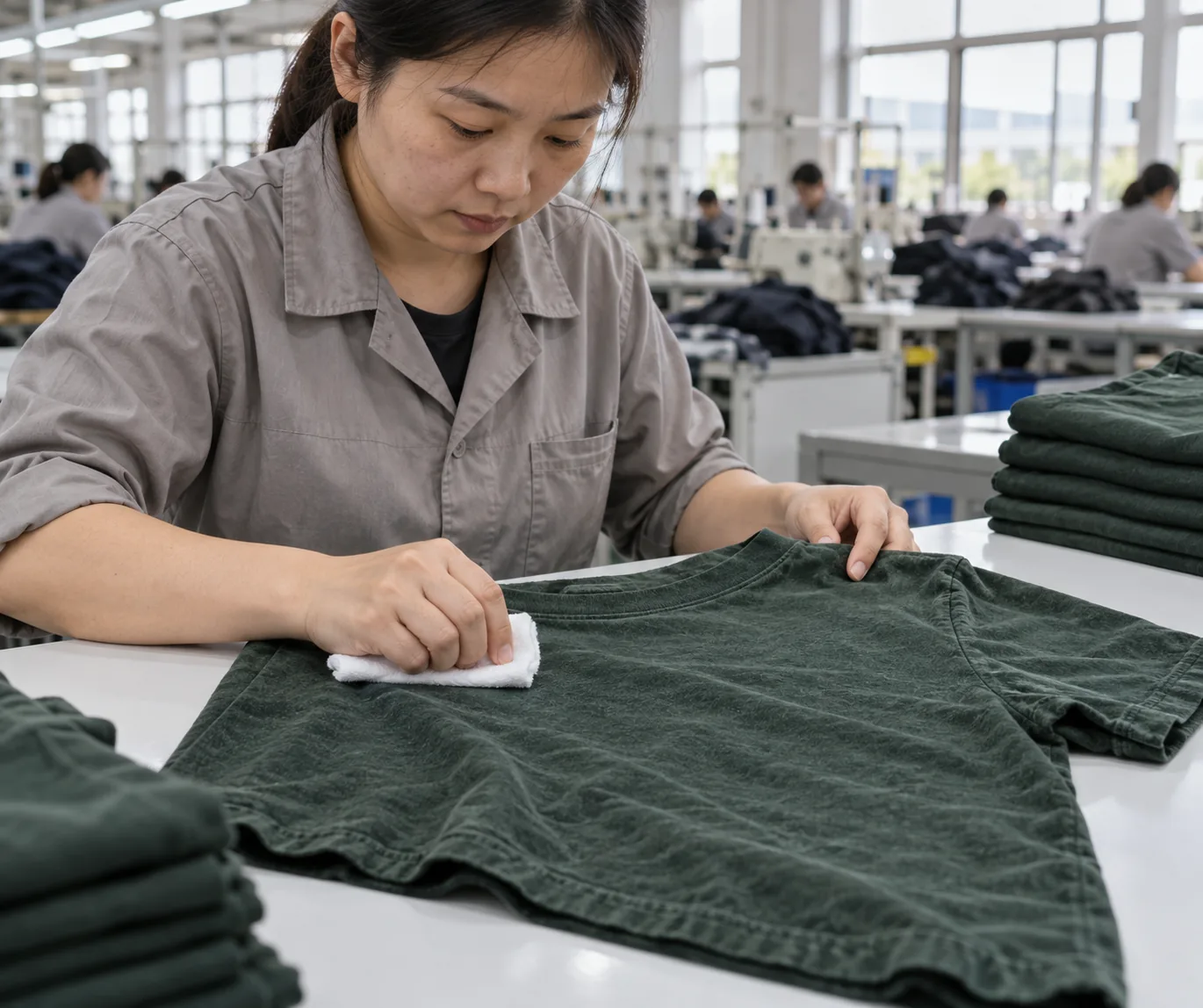
Reactive Dye vs Pigment Dye for Apparel
Compare reactive dye vs pigment dye for apparel so you can choose the right color effect, wash character, and commercial finish for your collection.

A faded cotton tee can be right for a seasonal capsule and wrong for a replenishment program. The risk is not simply choosing the wrong coloring method: it is approving an attractive sample without deciding which changes in color, feel, and wear your customer will accept.
For buyers comparing reactive dye vs pigment dye for apparel, the useful starting point is the smallest approval plan that protects the product promise. Establish the look, identify the likely failure, and test that failure on the actual construction before adding more colors or special finishes.
Spend the approval effort where a return would hurt
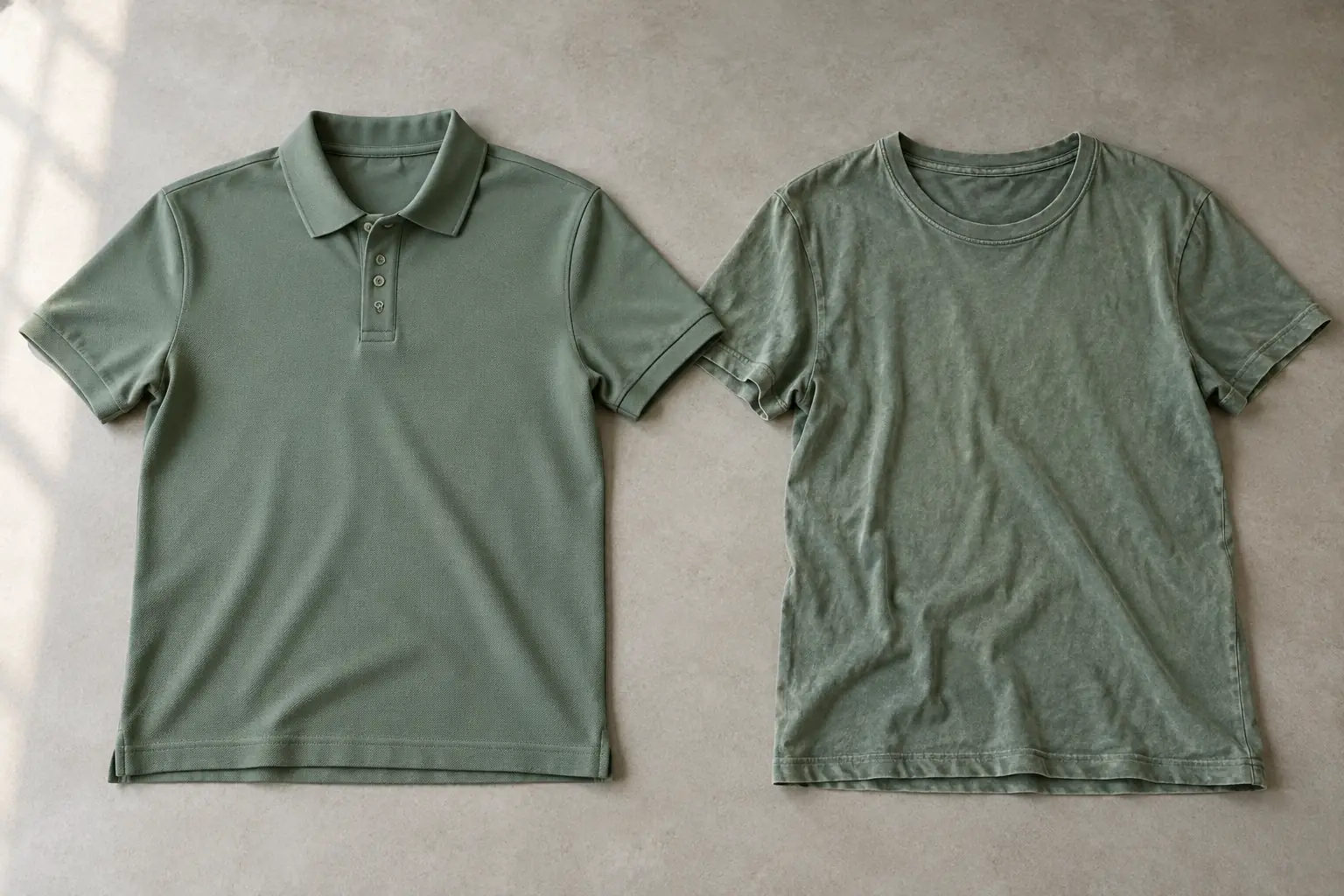
Consider two briefs: a uniform-looking cotton polo that customers may reorder next year, and a relaxed tee sold for its worn appearance. The polo needs close shade control across its body, collar, and future deliveries. The tee may tolerate uneven seam shading, but color rubbing onto a pale bag would still be unacceptable.
Write one sentence describing the non-negotiable outcome for your product. For example: “The washed green body and rib must look coordinated, with no conspicuous color transfer during normal wear.” This is more actionable than asking for a premium vintage finish.
Separate appearance preferences from functional requirements. A brand can accept deliberate fading while still requiring stable fit and secure decoration. Keeping those decisions separate prevents every sample comment from becoming a new development project.
Understand the color mechanism before choosing the look
Reactive dyes chemically bond with suitable fibers, especially cellulose fibers such as cotton, under controlled processing conditions. Effective washing-off removes unfixed dye. This route can support clear, even shades and good wash performance, but poor processing can still cause bleeding or rubbing problems. The dye name alone is no guarantee.
Pigments are insoluble color particles held on the textile with a binder rather than bonded to the fiber in the same way. Often marketed as pigment dyeing, this process can create a surface-colored, weathered appearance. Binder choice, application, curing, and subsequent washing influence both handle and durability.
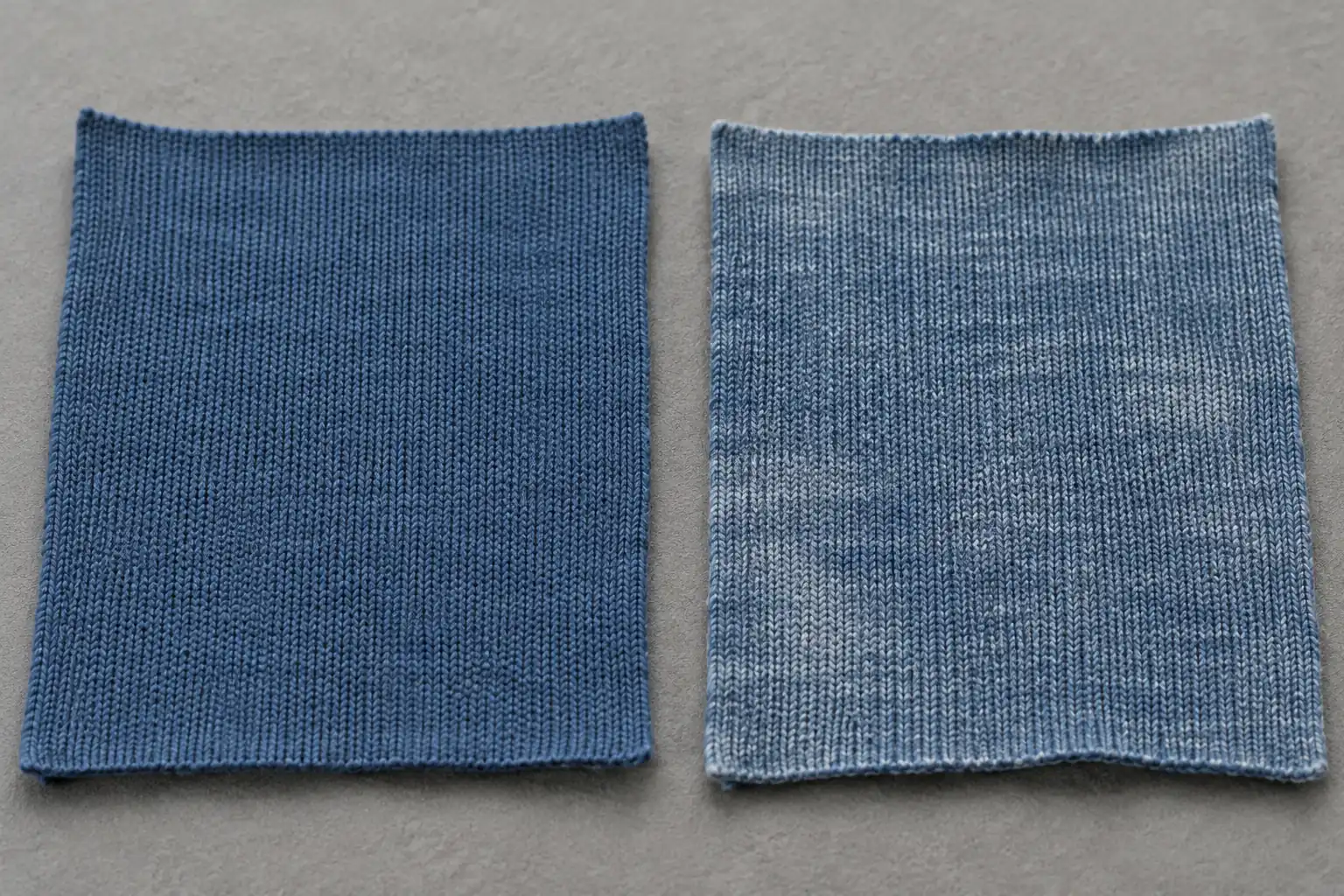
Neither route dictates every aesthetic. Reactive-colored garments can receive washes that change their appearance, and pigment coloration need not look heavily distressed. On blends, different fibers may respond differently. Ask which fibers are being colored and whether the proposed route applies to fabric, assembled garments, or both.
Reduce the sample matrix to one meaningful comparison
Developing both routes in every proposed color quickly multiplies approvals. Start with one commercially important shade on the intended fabric and construction. If that shade is unusually easy, add a small trial for the darkest or most saturated planned color, where transfer or washing-off may expose a different risk.
| Product promise | First evidence to request | Reason to expand testing |
|---|---|---|
| Consistent replenishment shade | Approved shade reference and repeat trial on intended fabric | New fabric lot or changed process |
| Soft, weathered surface | Finished sample with agreed fading limits | Different binder, cure, or wash recipe |
| Coordinated body and rib | Joined components processed together | Changed rib composition or supplier |
Keep fabric weight, construction, and finishing targets comparable when assessing alternatives. If one sample uses a different cotton base and an extra softening treatment, its better handle does not prove that its color route is better. Record what changed so the comparison remains useful.
Catch component conflicts before buying the full trim package
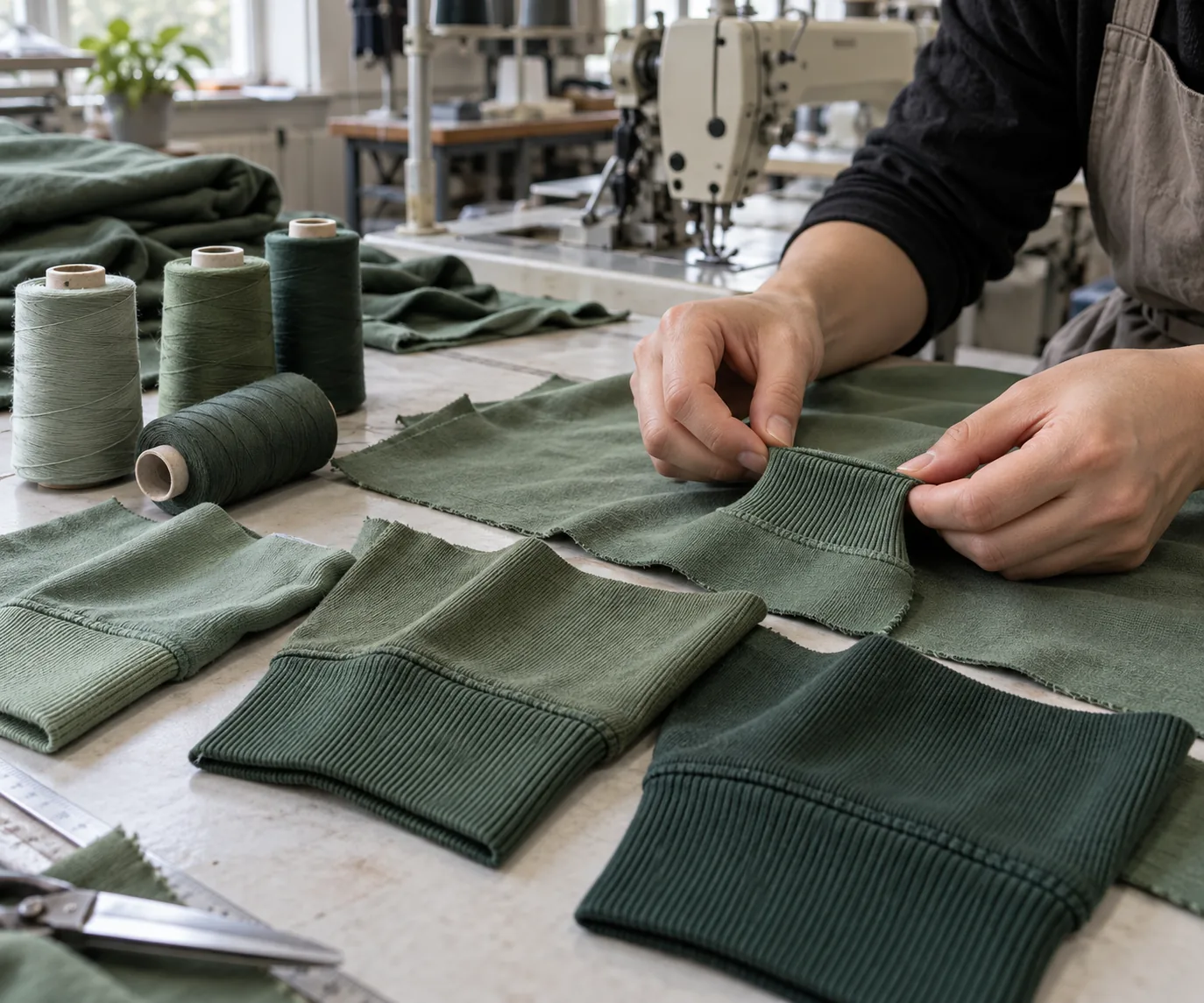
An all-cotton body does not mean every component will color alike. Polyester sewing thread may remain visibly different after a reactive garment-dye process. Rib with a different fiber blend can develop another shade or recover differently after treatment. These effects may suit the design, but they should be intentional.
Use a small sewn assembly containing the body, rib, intended thread, and any critical tape before committing to bulk components. Where decoration is involved, approve the intended production sequence. Printing before coloration or washing exposes the print to those processes; printing afterward places different demands on adhesion to the finished surface.
For an embroidered chest motif on a washed sweatshirt, inspect the embroidery, surrounding puckering, and local color change together. A separate embroidery swatch cannot show all three. Add zippers or metal trims to the trial only when their exposure is relevant to the proposed process.
Make the release checklist short enough to use
Agree on test methods, care conditions, and acceptance criteria before bulk approval. Buyer screening helps identify problems, but formal laboratory testing may be appropriate where retailer requirements or performance claims demand it. Numerical tolerances should come from the project specification, not a generic dye comparison.
- Shade: Compare body, rib, and multiple finished pieces under agreed lighting. Retain physical references showing acceptable variation for a weathered finish.
- Transfer: Check dry and wet rubbing using an agreed method, paying attention to dark shades and likely contact with light-colored items.
- Laundering: Assess color change and staining after agreed wash cycles, alongside measurements and seam distortion.
- Surface and handle: Inspect unwanted patchiness, excessive stiffness, and localized abrasion rather than treating every faded area as a defect.
- Decoration: Inspect print adhesion, cracking, embroidery appearance, and trim function after the same care sequence.
Sample across the production lot rather than inspecting only the best-looking piece. Record whether a failed check requires reprocessing, sorting, or renewed buyer approval. QC before packing is useful, but it cannot replace an agreed standard.
Measure the finished garment, not just the incoming fabric
Put fabric composition, knit structure, and target finished GSM in the brief before comparing coloration routes. For example, a hypothetical tee brief might specify 100% cotton single jersey at 180 GSM after finishing, with a separately identified neck rib. This is a development target, not a StitchQuote stock specification. Record whether a quoted weight describes unprocessed fabric or finished fabric: shrinkage and finishing can change mass per unit area, so two figures taken at different stages are not directly comparable.
Define measurement points with a diagram. Measure half chest flat at a stated distance below the armhole, body length from the high shoulder point to the hem, sleeve length from the shoulder seam, and neck opening between defined seam points. Use the same laying-flat procedure each time, without stretching the knit. Allow processed garments to dry and relax under agreed conditions before recording results.
Keep production tolerances separate from laundering limits. An illustrative specification could allow plus or minus 1 cm at half chest and body length on the finished, unwashed garment; smaller dimensions may need tighter limits. These figures are negotiation examples, not universal standards. If a garment measures 70 cm long before the agreed care test and 68.6 cm afterward, its length shrinkage is 2%, calculated as (70 − 68.6) ÷ 70 × 100. Record width change separately and inspect side-seam twisting, because an acceptable length result can hide a distorted garment.
Build a first-order brief that exposes the real cost drivers
Consider a hypothetical 50-piece cotton tee order in one style and one washed color, with the size breakdown supplied before sampling. Confirm that the selected fabric and coloration process support that quantity; a style minimum does not establish a dye-house batch minimum. Send the body and rib specifications, measurement chart, shade reference, acceptable fading examples, label placement, and intended care instructions together. Ask for the sample to follow the proposed bulk sequence so that approval covers the interaction between sewing, coloration, washing, and branding.
Compare quotations against that same sequence. Separate fabric and trim sourcing, garment assembly, coloration, wash treatments, decoration, sampling, and any agreed testing. Extra wash stages, repeated shade trials, minimum processing charges, and sorting for appearance variation can affect cost even when the garment pattern stays unchanged. Ask how rejected pieces or reprocessing would be handled before placing the order, without assuming either is included in the quoted scope.
At release, connect the approved sample to a dated specification and retain a matching reference for inspection. Request checks across sizes and processing batches, including shade differences between body and rib, finished measurements, rubbing performance, and label legibility. If pieces must be sorted into acceptable shade groups, agree whether each shipment or retail pack must contain one group. That decision makes deliberate variation manageable when customers compare garments side by side.
Keep the first order narrow and the reorder record complete
Once a route passes, avoid introducing several new washes and fabrics into the initial order. A narrow launch makes it easier to trace customer feedback to a specific material and finish. Preserve the approved garment, fabric details, process sequence, shade limits, and care-test results for subsequent orders.
StitchQuote provides cut-and-sew, private label, sampling, fabric and trim sourcing, branding through woven labels, prints and embroidery, and QC before packing. MOQ for most categories starts from 50 pieces per style; denim starts from 100. Confirm color splits and process-specific constraints separately rather than assuming the style MOQ covers every finish.
A 7-day sample is available for standard styles with confirmed specifications and available materials. Complex styles, custom washes, and custom-developed fabric take longer. Build the schedule around the actual approval work, especially when the intended look depends on repeated wash trials.
Questions that keep a small dye program manageable
Can one approved color cover the rest of the range?
It can establish construction and general handle, but it cannot establish every shade’s performance. Confirm color-specific approvals and target additional checks where saturation, formulation, or processing changes the risk.
Does a vintage description make color transfer acceptable?
No. Expected fading and staining of other items are separate outcomes. Define the intended aging effect while setting independent limits for rubbing and laundering performance.
What should trigger a new sample on a repeat order?
Changes to fiber composition, fabric source, binder system, wash sequence, or important components warrant review. Decide whether a focused component trial answers the concern or a complete garment is necessary.
Related reading and project support
- Prepare a tech pack with clear finish requirements
- Review sampling and MOQ planning
- Discuss your garment and color brief with StitchQuote
Request a manufacturing quote
Share your product type, quantity range, and destination. We usually reply within one business day.