Custom Streetwear, Casualwear & Denim Manufacturer•MOQ 50 pcs•Denim MOQ 100 pcs•7-Day Sample Available
Clothing Manufacturer for Startups: Low MOQ and First-Order Planning
Compare startup-friendly clothing manufacturers through low MOQ, sampling, quote clarity, and the questions that matter before a first apparel order.
Use case
Compare startup-friendly clothing manufacturers through low MOQ, sampling, quote clarity, and the questions that matter before a first apparel order.
Use this page to qualify fit
Commercial-intent search from founders who need a factory path that fits first launches, low MOQ, sample-first development, and realistic communication.
Topic
clothing manufacturer for startups
Buyer priorities
Commercial-intent search from founders who need a factory path that fits first launches, low MOQ, sample-first development, and realistic communication.
Use This Page Like a Buyer Decision Hub
The goal is to connect topic authority with real production choices, not just create another isolated article.
Module 01
Overview
Start with the buyer-side summary and confirm what this page is designed to answer.
Module 02
Decision matrix
Use the comparison table to judge cost, timing, and production trade-offs faster.
Module 03
Deep-dive sections
Read the practical sections built around sampling, production, and commercialization logic.
Module 04
Workflow
Check the order in which buyers usually lock the key decisions.
Module 05
Featured guides
Move into the linked resource articles that support this topic cluster.
Module 06
Next step
Jump to the most relevant service path or inquiry page when the brief is getting serious.
Module 07
FAQ
Read the short questions buyers usually ask before requesting a quote.
Module 08
Contact
Move directly to the inquiry form when you are ready to share project details.
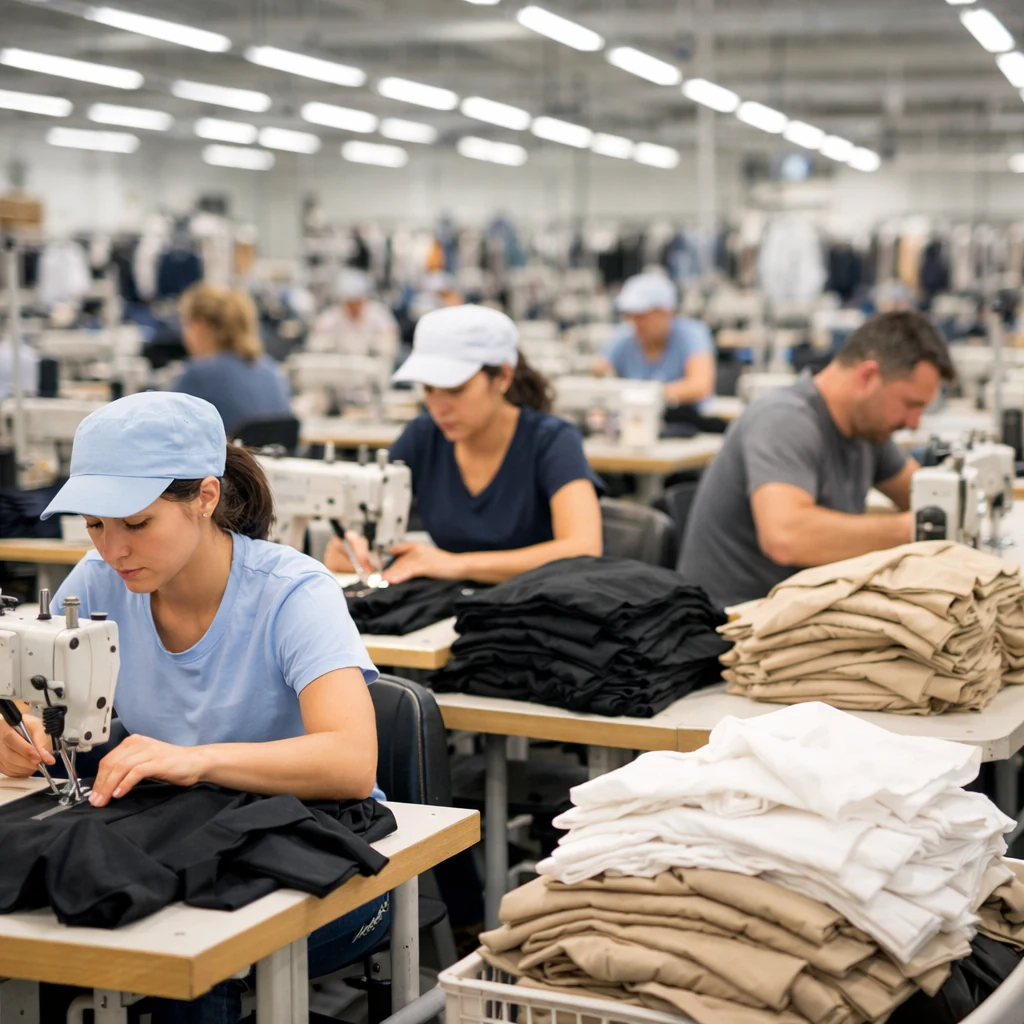
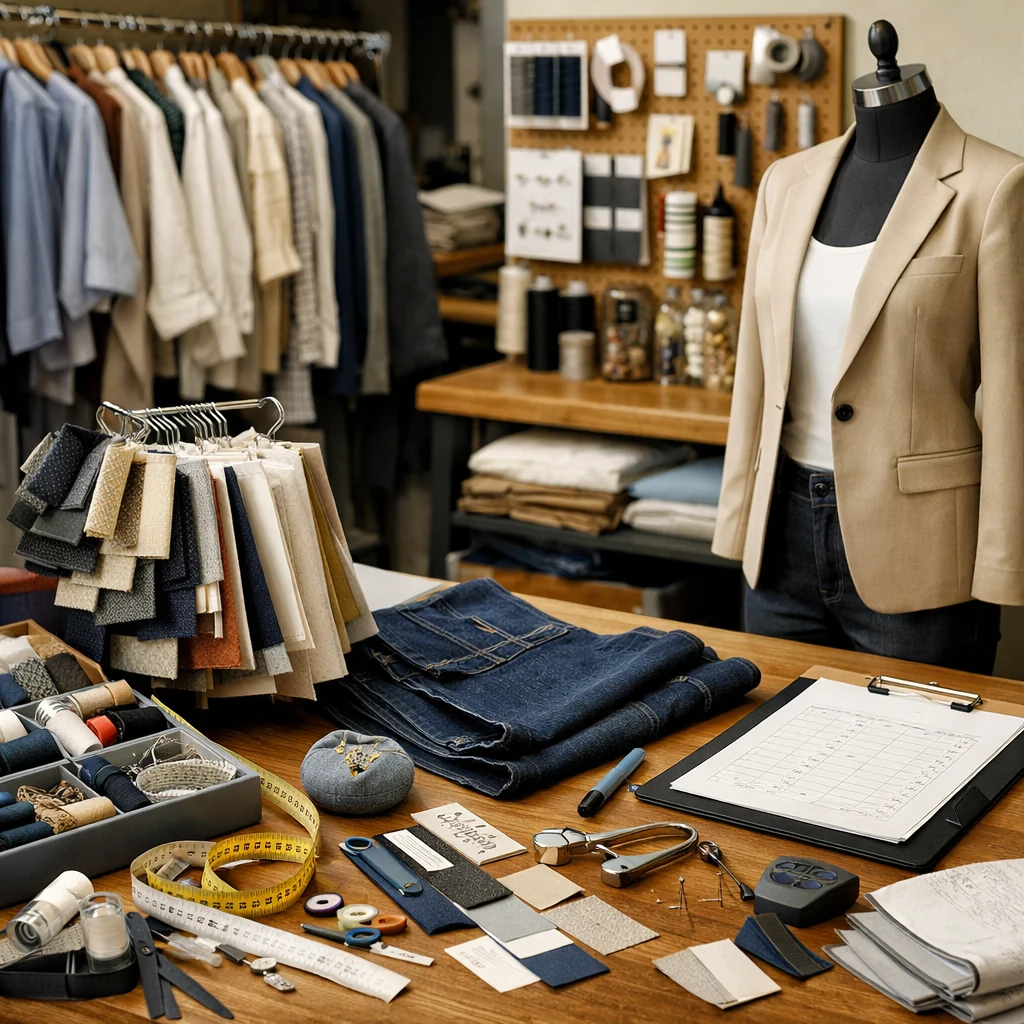
Factory-Side Visual References
These visuals keep the topic grounded in sampling rooms, production floors, quality checkpoints, and practical factory communication.
Who this is for
Which Startup Buyers This Page Is Actually For
This page is built for startup apparel brands that still need to validate product direction, quantity structure, and supplier fit before committing to bigger production risk.
- Founders launching a first collection with limited inventory tolerance
- Small teams comparing factories beyond headline MOQ and price
- Brands that need low MOQ without sacrificing sample discipline
- Buyers who need clearer guidance on tech packs, timing, and approval logic
- Startups trying to avoid choosing a factory that is too large, too rigid, or too generic
Buyer logic
Why startup pages convert better than broad manufacturer pages
Startup buyers usually search with a commercial fear in mind: overcommitting too early, choosing the wrong factory stage, or failing to translate references into a stable sample path.
How Startup Buyers Usually Judge a Clothing Manufacturer
The best startup factory is rarely the one with the most aggressive promise. It is usually the one whose process matches the brand stage more honestly.
| Question | Good signal | Weak signal | Why it matters |
|---|---|---|---|
| MOQ fit | The factory explains minimums by product type, fabric, and trim complexity | The factory gives one blanket MOQ answer for every style | Startups need realistic quantity planning, not generic reassurance |
| Sampling | The team can explain what each sample stage is supposed to confirm | Sampling is described only as a speed promise | Founders usually need guidance on fit, revision, and PP logic |
| Communication | Comments, approval ownership, and next steps are commercially clear | Replies are fast but vague | Early clarity often predicts whether revisions will stay manageable |
| Product fit | The factory can say which categories are a strong or weak fit | Everything is treated as equally easy | Startups lose time when category mismatch is hidden too long |
The right startup manufacturer is stage-fit, not just capacity-fit
Many founders assume a larger factory is automatically safer. In reality, startup projects often perform better with suppliers who can tolerate more clarification around MOQ, sampling, and development decisions without treating every open question as friction.
That is why startup buyers often compare this page with how to choose the right clothing manufacturer for a startup brand and low MOQ manufacturing. The stronger supplier is usually the one that fits your current operating stage, not the one that sounds biggest.
Startup launches are usually won or lost in the sample brief
For first collections, unclear references and mixed comments are often more damaging than a slightly higher sample fee. A startup-friendly manufacturer usually helps narrow what the first sample actually needs to prove before everyone starts revising at once.
That is why pages like Complete Guide to Apparel Sampling, tech pack preparation, and sampling timeline planning should sit close to this use-case page.
Quote quality matters more than the cheapest first number
Founders often compare unit prices before checking whether the quote scope is even comparable. Freight terms, branding details, fabric assumptions, sample count, and packing scope can all change the real number. The cleaner startup decision usually comes from a better quote comparison, not just a faster low number.
If you are still narrowing that part of the process, compare this page with FOB vs EXW in apparel manufacturing and how to read a garment factory quote.
A Practical Startup Brand Workflow
The startup-friendly route usually starts with category fit and sample clarity before bigger production promises are made.
Narrow the first launch around a manageable category and quantity plan.
Prepare references, sample goals, and what the first quote actually needs to include.
Use sampling to lock fit, fabric, trims, and revision ownership before bulk.
Move into production only after MOQ, costing, and approval scope are commercially stable.
Use the first order as a learning system for repeatable reorders instead of trying to scale too many variables at once.
Featured Guides in This Topic Cluster
Use these supporting articles to move from broad topic understanding into narrower decisions about sampling, pricing, materials, and production execution.
Featured guide
How to Choose the Right Clothing Manufacturer for a Startup Brand
Best companion article if you are still building the supplier shortlist.
Featured guide
How to Read a Garment Factory Quote
Use this when quote comparisons are starting to feel misleading.
Featured guide
How to Plan a Small Brand Production Calendar
Useful when the launch timeline still feels too optimistic.
Featured guide
Complete Guide to Apparel Sampling
The best next read if your main uncertainty is how sampling should really be structured.
Next Step if You Are Moving Toward Production
These service pages are the fastest route from research into a real sampling, MOQ, or factory conversation.
Next step
Low MOQ Clothing Manufacturer
Best fit when the startup needs a smaller first run with cleaner MOQ expectations.
Next step
Private Label Clothing Manufacturer
Useful when branding depth matters and the product is not just a blank-based launch.
Next step
Request a Quote
Move here when your first brief is stable enough for a practical factory review.
Frequently asked
Questions Buyers Usually Ask Before They Inquire
These questions are written for apparel buyers trying to connect search research with the next practical sourcing decision.
What usually makes a factory a better fit for a startup brand?
Factories often fit startups better when MOQ, sample stages, comment handling, and category fit are explained clearly instead of being treated like generic promises.
Should a startup compare factories mainly by price?
Usually no. Buyers get a stronger result when they compare quote scope, sample process, MOQ practicality, and communication quality together.
Start your inquiry
Need a Factory Path That Actually Fits a First Launch?
Send the category, target quantity, timeline, and the main unknowns you still need to solve. We can review whether the project fits a startup-friendly sample and production path.
Built for founders who need realism on MOQ, sampling, and production order.
Useful when the product is still becoming quote-ready rather than already standardized.
The first reply should help narrow decisions, not just push you toward bulk too early.
Request a Quote
Share your product type, target quantity, sample needs, and references. We review the best production path, then reply with the next practical step.
Most categories start from 50 pcs per style. Denim starts from 100 pcs per style. You can also email info@stitchquote.com or message WhatsApp +86 15920568771.