Custom Streetwear, Casualwear & Denim Manufacturer•MOQ 50 pcs•Denim MOQ 100 pcs•7-Day Sample Available

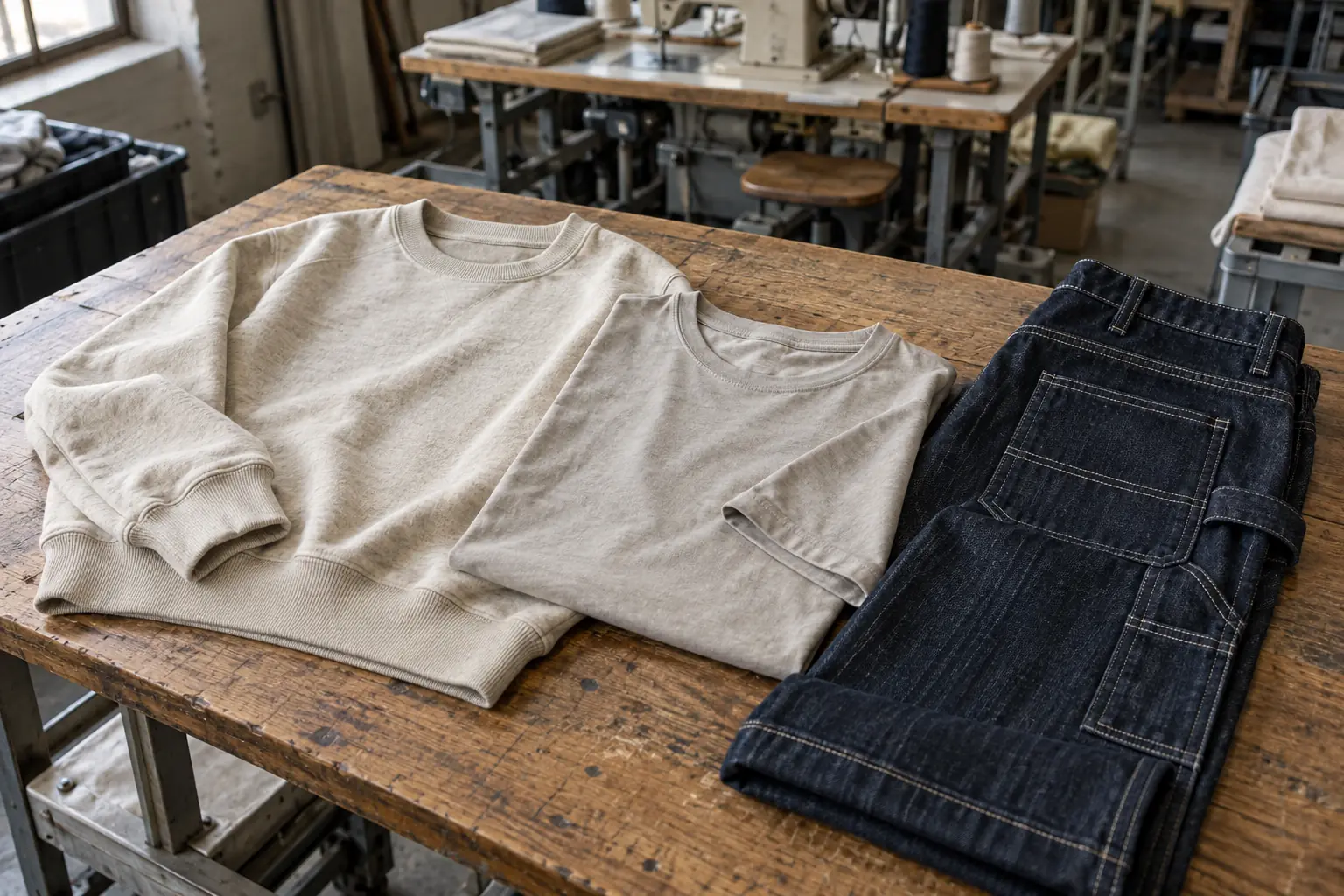
What California’s July 2026 Textile Stewardship Deadline Means for Apparel Brands
Understand what California's July 2026 textile stewardship deadline means for apparel brands, including who is affected, what changes now, and how buyers should prepare.

California’s July 2026 textile stewardship deadline creates a specific management problem for apparel brands: resolve the producer responsibility question without turning every purchase order into a speculative product redesign. The Responsible Textile Recovery Act establishes a textile stewardship framework, with July 1, 2026 identified as the deadline for producers of covered products to join the approved producer responsibility organization. That enrollment milestone should be distinguished from later program operations, reporting requirements and product development decisions.
For a buyer reviewing the deadline after July has passed, the useful response is a documented status check followed by targeted action. Confirm the current requirements with CalRecycle and the approved organization, assign someone to resolve any enrollment gap, and give sourcing a bounded information request. Building an expensive sustainability database or changing every fabric composition before those questions are answered can consume the same resources needed to address the immediate obligation.
Separate an enrollment gap from a garment problem
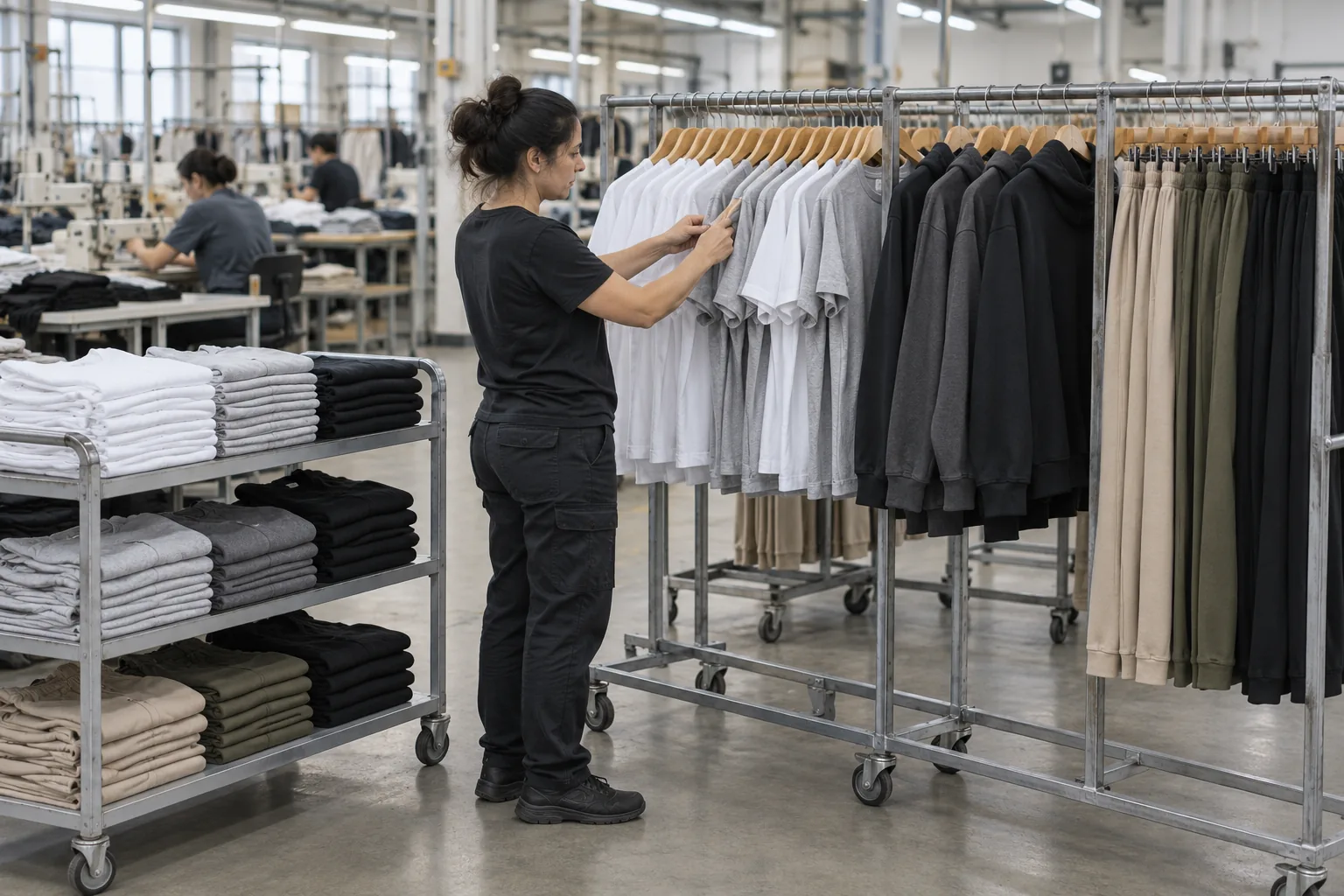
A garment cannot tell you which legal entity bears producer responsibility. A sweatshirt carrying your label, imported by a distributor and sold through several channels needs a review of the commercial arrangement as well as the product category. Do not assume the overseas sewing factory becomes the responsible producer simply because it made the goods.
Have the brand’s compliance owner establish whether the business and products fall within the applicable definitions, whether an exclusion or exemption applies, and whether enrollment is complete. Record the basis for the conclusion. Small order quantities alone should not be treated as proof of exemption, and a sourcing quotation is not evidence of regulatory registration.
Keep three questions separate: who must act, what action is due now, and what product information may be needed later. If enrollment was missed, seek current instructions for addressing that status rather than assuming a new production run resets the deadline. Any decision about continuing sales belongs with the responsible business owner and qualified compliance advice, not an informal factory assurance.
Build one evidence folder before buying another system
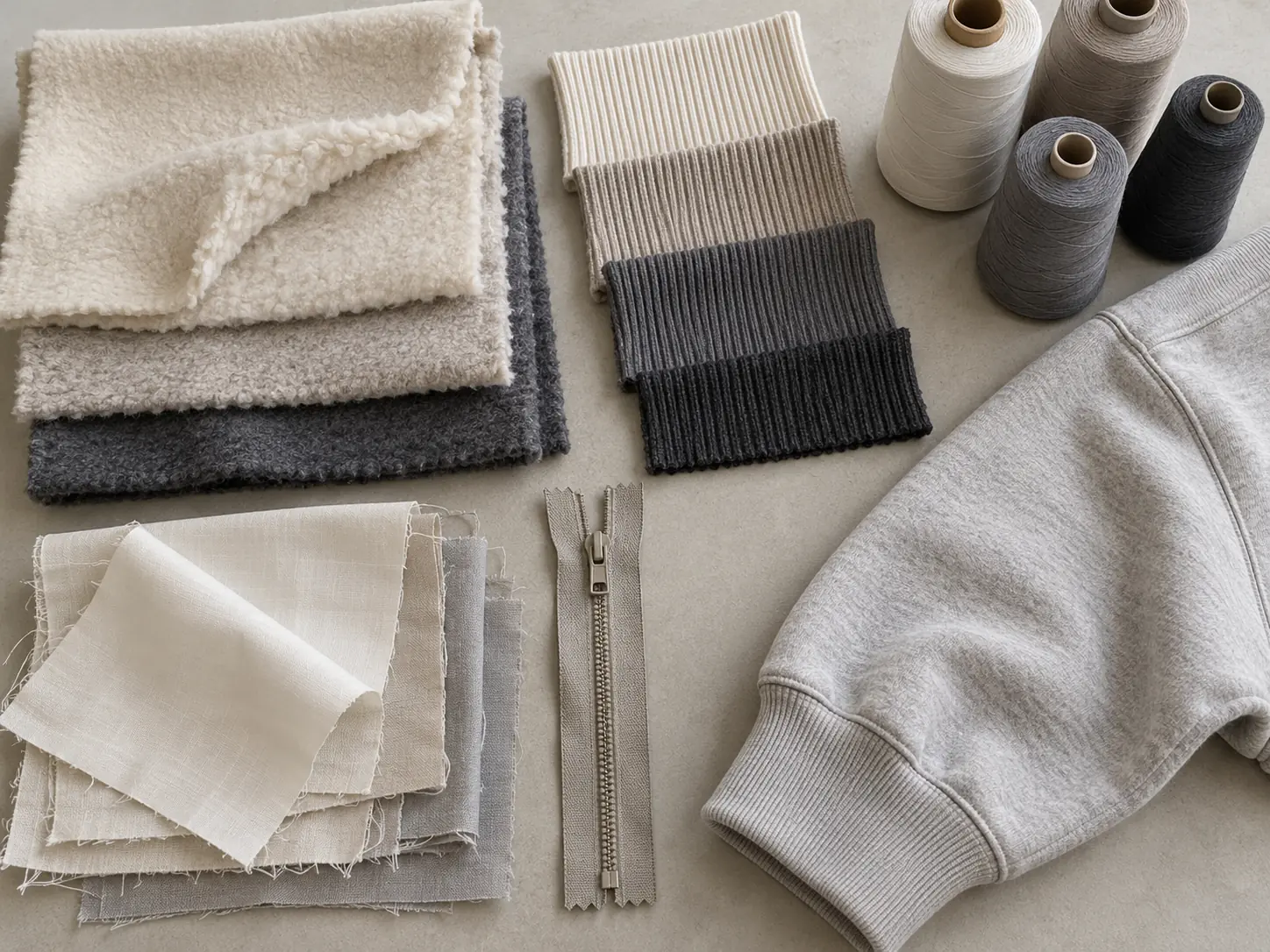
For a limited assortment, a controlled spreadsheet and supporting documents can be a practical starting point. The objective is traceability: another colleague should understand which entity, product and decision each record concerns. This is an internal working method, not a claim that these fields satisfy an official reporting format.
| Working record | Minimum useful evidence | Owner |
|---|---|---|
| Responsibility review | Entity, sales arrangement, scope conclusion and review date | Brand compliance lead |
| Enrollment status | Confirmation or open correspondence, with next action | Authorized brand representative |
| Style identity | Style code, revision, composition and component list | Product development |
| Sales exposure | Channel records and documented California destination logic | Finance or operations |
| Unresolved inputs | Missing fact, named owner and response date | Project coordinator |
Separate confirmed data from estimates. A planned 320 GSM fabric is a development specification; it is not the weight of a finished hoodie. Likewise, total wholesale shipments may not establish California sales when a distributor serves several states. Preserve the source and method instead of converting uncertain inputs into apparently precise totals.
Upgrade the system when the actual reporting format, assortment size or channel complexity justifies it. Until then, consistent style codes and dated approvals often solve more immediate problems than a new software subscription.
Ask the factory for facts it can actually substantiate
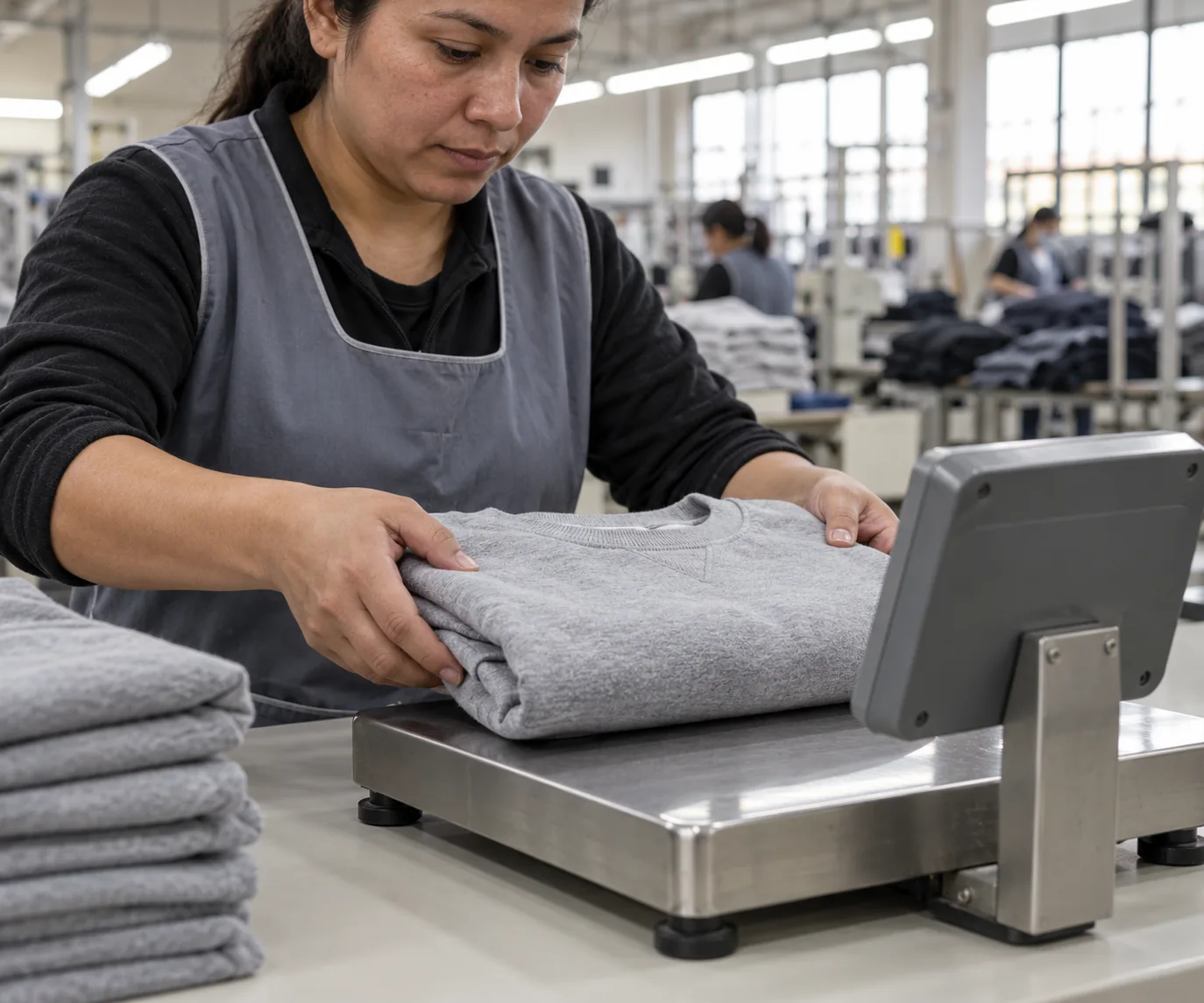
Send a focused request covering the approved bill of materials, fabric composition evidence, trim specifications and any agreed sample measurements. Distinguish the shell from rib, lining, pocketing, thread and decoration. A shell described as cotton does not establish that the entire garment contains only cotton, particularly when stretch rib or synthetic embroidery is present.
For example, a pullover record might identify cotton fleece, cotton/elastane rib, polyester sewing thread and an embroidered chest motif. Keep the motif’s thread type and placement alongside the artwork approval. These details support an accurate product description; they do not independently demonstrate recyclability or eligibility for a future fee category.
If garment weights are requested, agree on the measurement basis first: finished and dry, identified size, packaging excluded, and scale resolution recorded. Weighing one medium sample does not establish an accurate size-weighted total for a shipment. Ask the eventual reporting recipient which method it accepts before commissioning extensive measurements.
StitchQuote provides cut-and-sew, private label, sampling, fabric and trim sourcing, branding through woven labels, prints and embroidery, and QC before packing. Those services can support product records. Regulatory interpretation, producer identification and enrollment remain separate tasks for the brand to resolve.
Change specifications only when the benefit is clear
A deadline can encourage rushed substitutions: removing elastane, replacing a zipper or dropping a coating because the alternative sounds easier to recycle. Each change also affects fit, appearance, durability or use. Specify the desired benefit and the evidence needed before authorizing a revision. Do not assume a simpler composition automatically earns favorable program treatment.
Consider a fitted jersey top. Removing stretch content may require new pattern dimensions and recovery testing; keeping the old pattern could produce a garment that fits poorly after wear. For a carpenter trouser, deleting reinforcement solely to reduce component variety could shorten service life. Review the whole product rather than optimizing a single material field.
Use a narrow change gate: approve a revision when it addresses a confirmed requirement, corrects an unsupported claim, or delivers a tested product improvement. Otherwise, document the question for the next development cycle. Keep the existing approved specification clearly separated from proposed alternatives so that a discussion does not become an accidental production instruction.
Order size also matters to the experiment. StitchQuote’s MOQ for most categories starts from 50 pieces per style; denim starts from 100 pieces per style. Confirm project conditions before spreading a small launch across multiple fabric trials. A standard style with confirmed specifications and available materials can qualify for a 7-day sample; complex styles, custom washes and custom-developed fabrics take longer.
Use QC to catch mismatches before they become records
A useful checklist connects the approved garment to the information the brand retains. It does not certify legal compliance. Put the latest specification revision, approved sample and relevant component references beside the inspection instructions, and define who may approve a deviation.
- Identity: Match the style code, color, size and revision to the order. Separate a renamed carryover style from a genuinely changed construction.
- Material consistency: Compare fabric and trim records with approved sourcing references. Investigate substitutions; visual inspection alone cannot verify fiber percentages.
- Label agreement: Check that approved composition and care information correspond to the actual material specification. Escalate conflicts before packing.
- Measurement method: Define points of measure and agreed tolerances. An illustrative body-length tolerance of ±1 cm may suit a particular style, but must be agreed for that product.
- Weight anomalies: If weight is being recorded, compare equivalent sizes under the same conditions. Investigate unexpected differences before changing the database.
- Deviation closure: Attach the decision, approver and affected quantities to any accepted change. Retain the superseded record so the sequence remains understandable.
Make acceptance criteria product-specific. Denim finishing can affect dimensions and weight, while a heavily decorated fleece may vary because of embroidery coverage. A universal percentage threshold can obscure those differences. The buyer should approve a measurement plan that answers a real question, rather than collecting numbers without a decision rule.
Questions buyers ask when time and budget are limited
Should an open purchase order be redesigned because July has passed?
The date alone does not establish a need to redesign. First resolve applicability and enrollment status, then identify any confirmed requirement affecting that order. Treat commercial release and legal compliance as decisions requiring the appropriate brand owners. Product development should receive a specific, approved change request if a garment revision is necessary.
Can the same product folder support several selling entities?
The underlying specifications may be shared when the product is identical, but responsibility conclusions and enrollment records should remain identifiable by entity. Avoid copying one company’s status across a group without reviewing the relevant arrangements. Link shared product evidence to separate entity records so updates do not erase the distinction.
Is a cotton-only collection enough to demonstrate compliance?
No. A material choice does not establish enrollment, fulfill every applicable obligation or prove that a garment can be processed by a particular recovery system. Describe composition accurately and assess environmental claims against supporting evidence. Keep consumer-facing language separate from unconfirmed expectations about the stewardship program.
What should a buyer send with the next sourcing inquiry?
Send the style list, intended quantities, current specification revision and a short list of missing product facts. Identify whether each request supports sampling, internal records or a confirmed external reporting requirement. That context helps avoid unnecessary testing and allows the factory to flag information it cannot substantiate.
Related reading and project support:
- Prepare a tech pack with controlled product specifications
- Review sampling and MOQ planning
- Contact StitchQuote about your sourcing requirements
Request a manufacturing quote
Share your product type, quantity range, and destination. We usually reply within one business day.