Custom Streetwear, Casualwear & Denim Manufacturer•MOQ 50 pcs•Denim MOQ 100 pcs•7-Day Sample Available

Streetwear Manufacturer in China: What Makes One Supplier Easier to Work With
Learn what makes one streetwear manufacturer in China easier to work with across heavyweight fabrics, fit language, decoration planning, communication, and sampling flow.

Two factories can quote the same hoodie sketch and still be pricing different garments. One assumes stock fleece, a single print pass and individual bags; another allows for developed fabric, a more demanding decoration and carton packing only. The lower figure tells you little until those assumptions are visible.
When choosing a streetwear manufacturer in China, use the quotation stage to test how easily you can reach a shared production standard. A supplier becomes easier to work with when its answers let you compare equivalent work, identify unresolved decisions and understand what would change the quote. Start with one defined style, then make every candidate respond to the same version.
Build a comparison garment before requesting numbers
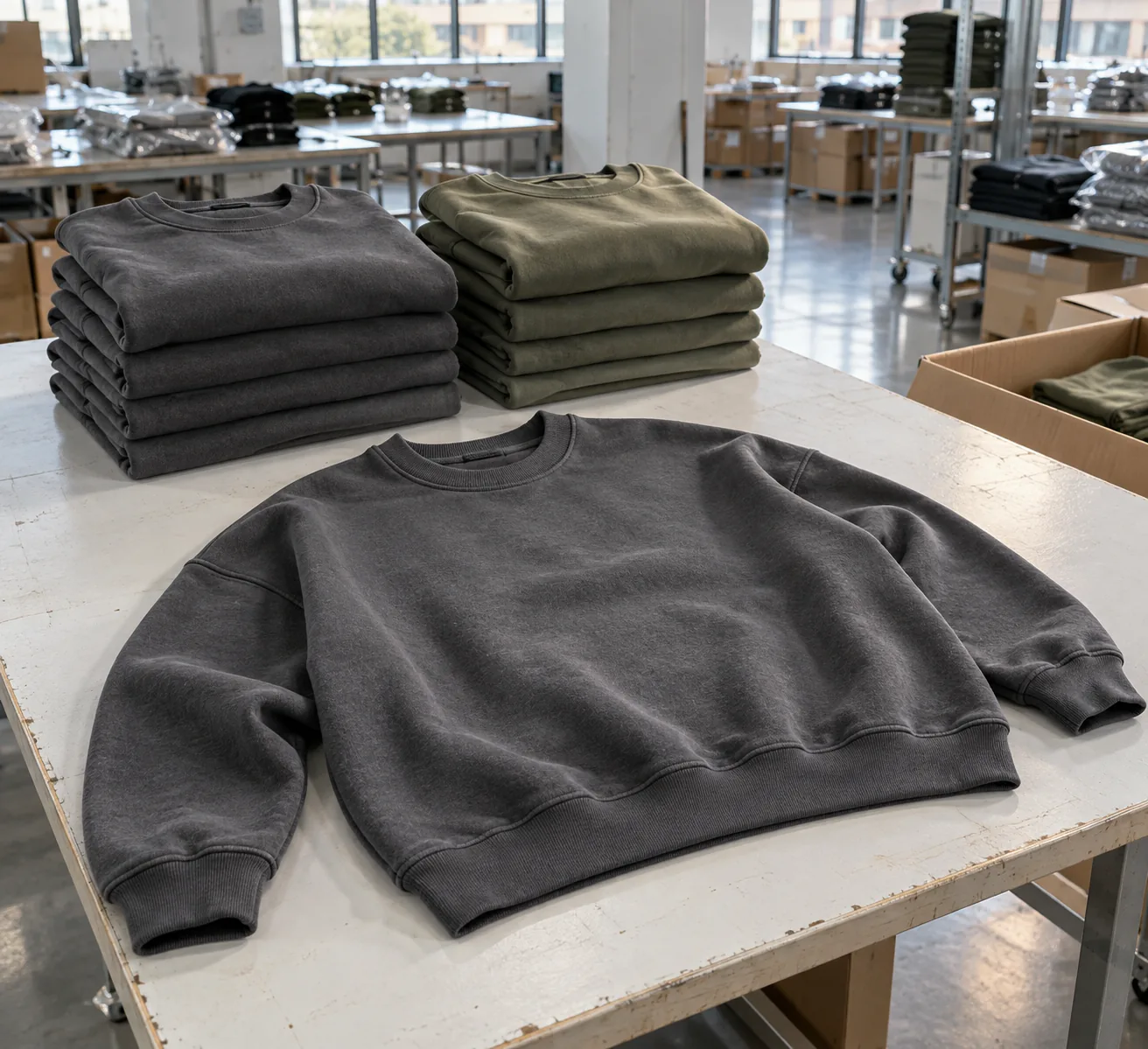
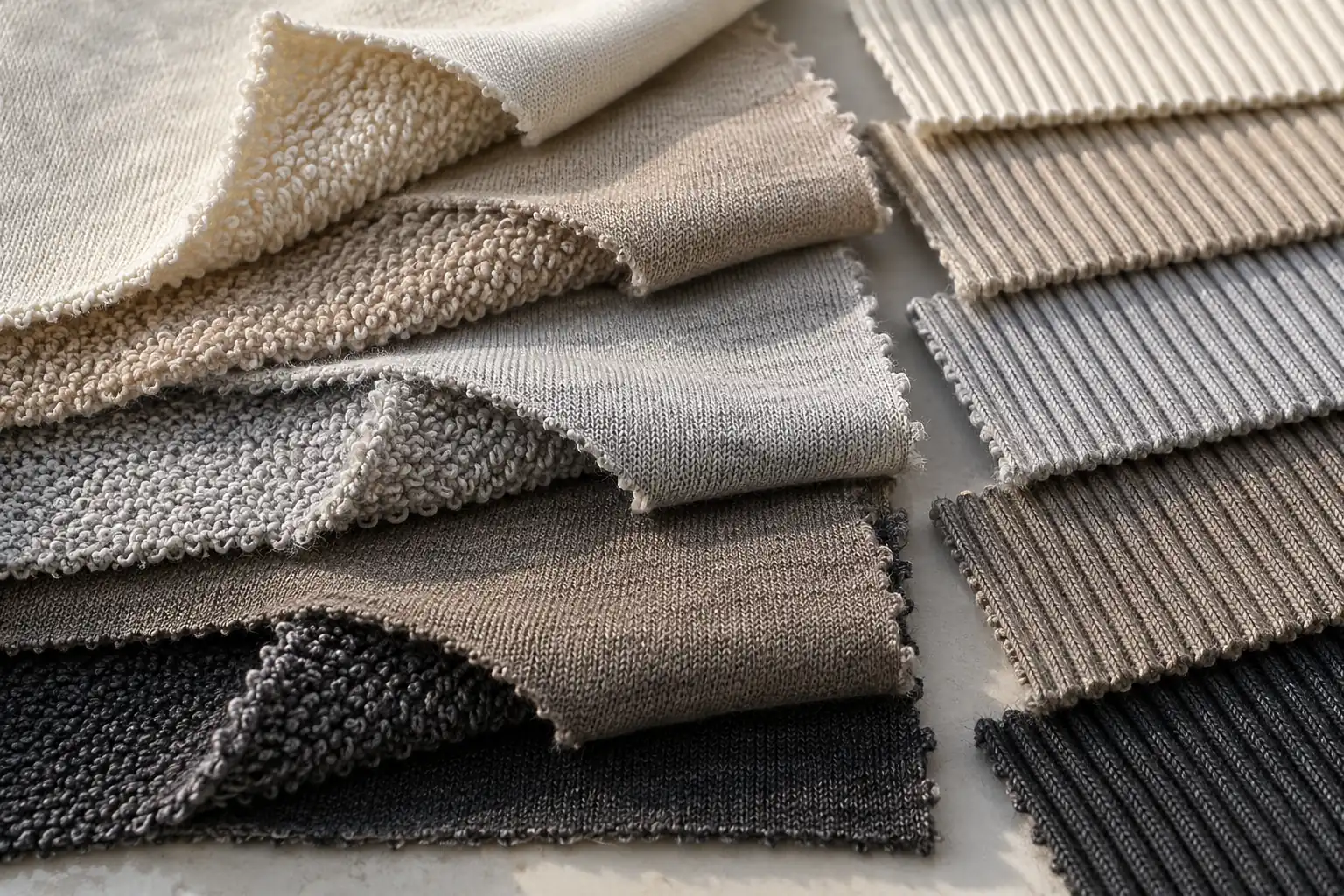
Choose a representative launch style rather than asking for a broad price list. For example, use a boxy crewneck with dropped shoulders, a ribbed neckline and a two-colour chest print. Define its fabric composition, target weight, surface finish and intended hand feel. “Heavy premium cotton” leaves too many interpretations; a specified cotton loopback construction at a target 380 gsm gives suppliers something concrete to evaluate.
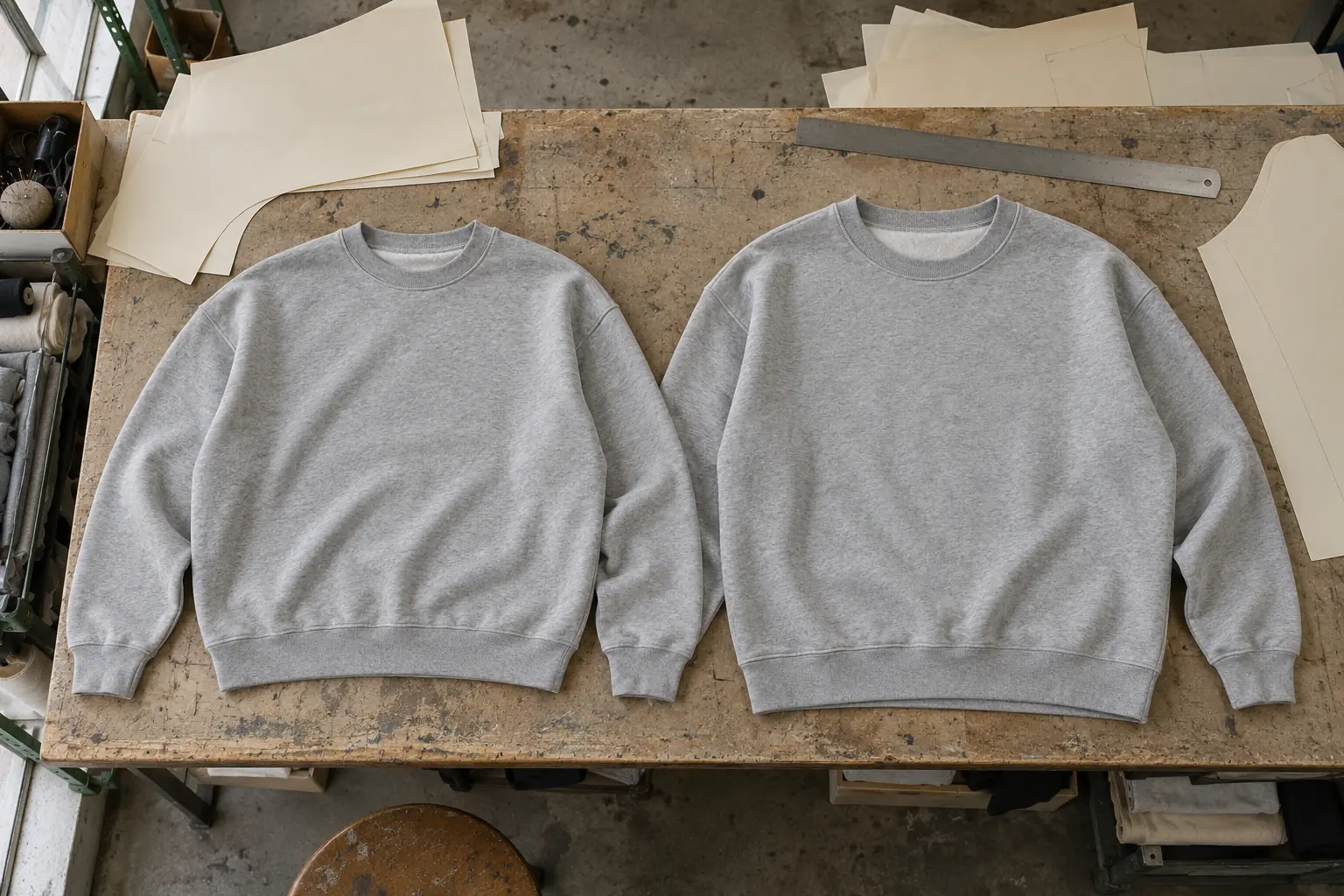
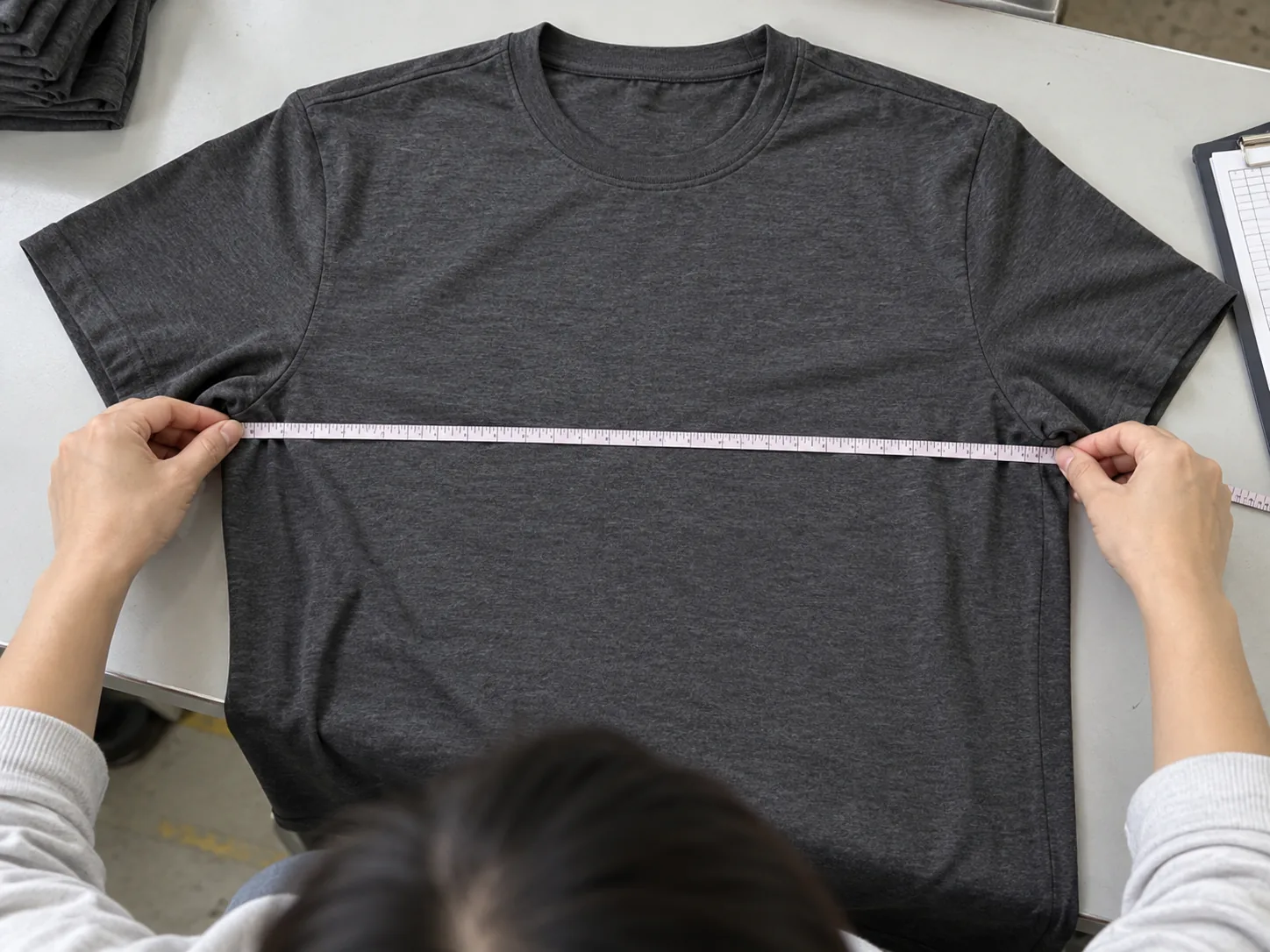
Attach a measurement sheet showing how each point is measured. Chest width, body length and sleeve length need clear reference points, while neck opening and rib height deserve separate entries. State whether dimensions apply before or after washing. A photograph can explain proportion, but it cannot establish the measurement method or replace the size chart.
Use one revision identifier across the drawing, measurement sheet and decoration file. Ask suppliers to list deviations against that identifier. If the requested material is unavailable, require the alternative to be quoted separately; otherwise, an apparently competitive offer may quietly become a different product.
Give every supplier the same quantity and delivery assumptions
A quote for 120 pieces across two colours is not automatically comparable with one for 120 pieces in a single colour. Send the same colour allocation and size breakdown to every candidate. Ask whether minimums apply to the style, colour, fabric order or decoration run. Material minimums can affect feasibility even when the garment quantity meets a supplier’s starting MOQ.
At StitchQuote, MOQ for most categories starts from 50 pieces per style; denim starts from 100 pieces per style. Treat those as starting points for the enquiry, then confirm the proposed colour split, material and branding requirements. They do not establish that every possible configuration is available at that quantity.
Specify the quotation currency, validity period, delivery basis and named place. An EXW offer and an FOB offer assign different costs and responsibilities. Keep freight estimates separate unless both offers cover an identical route and service. Also record payment milestones: a cheaper garment quote may create a different cash commitment before the approved sample or finished goods are ready.
Turn the quotation into a scope comparison
Ask for a garment total plus a short inclusion schedule. You do not need a factory’s confidential costing formula; you need to know what the buyer receives. Use the following table as a response template, with a separate column for each candidate in your own comparison sheet.
| Quote item | Shared requirement | Clarification to request |
|---|---|---|
| Main fabric | Specified composition, construction and target gsm | Stock or developed; any proposed substitution |
| Decoration | Artwork dimensions, colours and placement | Setup, sampling and application included? |
| Branding | Woven neck label and care label | Label supply and attachment included? |
| Development | Defined sample and revision scope | Separate charges and repeat-sample conditions |
| Packing | Agreed folding, bags and carton arrangement | Materials and packing labour included? |
Separate one-time development items from recurring production items. A print setup charge spread over the first order can distort a comparison with a supplier that lists it separately. Compare the total payable for the stated order, then compare the repeat-order basis without assuming setup will always be waived.
Mark unresolved fields as “unconfirmed,” not zero. If one supplier includes woven labels and another excludes them, request a revised offer using the shared scope. Avoid inserting an estimated adjustment and treating it as a binding factory commitment.
Use alternatives to expose cost drivers without losing the baseline
Once all candidates have priced the baseline, invite one clearly labelled alternative from each. A supplier might suggest an available loopback fabric instead of developing a new shade, or reduce an oversized back print to fit an existing production method. Ask what changes in appearance, performance, timing and order quantity accompany the alternative.
Keep the original offer intact. A useful response says which specification changes, why it affects cost or timing, and what evidence is needed to approve it. “Similar fabric” is insufficient: request composition, construction, target weight and a physical swatch. Rib recovery and body fabric behaviour should be considered together, especially when the intended silhouette depends on a firm hem.
Buyer changes need the same discipline. If you enlarge artwork after receiving quotations, send the revised dimensions to every remaining supplier. Maintain a short change record showing the previous requirement, new requirement and commercial effect. This prevents a negotiation over price from obscuring a change in product.
Make the sample test the quoted promise
Before paying for development, establish what the sample will represent. If it uses a substitute colour or temporary trim, record that limitation. A fit sample can validate proportions without proving the final wash shade, decoration durability or packing presentation. Ask which later approval will close each remaining gap.
StitchQuote offers a 7-day sample for standard styles with confirmed specs and available materials. Complex styles, custom washes and custom-developed fabric take longer. For any supplier, confirm the timing trigger and distinguish sample preparation from shipping and buyer review. A fast estimate based on unfinished artwork is not equivalent to a schedule based on approved files.
Send consolidated sample comments with measurements and marked photographs. Then request confirmation that the approved changes remain within the quotation or receive a revised quote before bulk approval. The easier supplier to manage connects each correction to the relevant specification instead of leaving you to infer whether its price, material choice or schedule has changed.
Agree the acceptance checklist while offers are still open
Quality requirements influence the work being quoted. Agree them before choosing a supplier, then use the approved sample and specification together as inspection references. The examples below are proposed buyer requirements, not universal tolerances or StitchQuote guarantees; each must be confirmed for the garment and process.
- Measurements: identify critical points and acceptable variation. For the example crewneck, a buyer might propose ±1 cm for half-chest width and body length, with a separate tighter limit for rib height. Confirm whether inspection measures relaxed, unwashed garments.
- Fabric behaviour: agree a wash procedure and a dimensional-change limit. Record initial and final measurements using the same method; an undefined “shrinkage check” cannot establish repeatable acceptance.
- Decoration: define placement from fixed garment reference points and approve colour and appearance. Confirm the wash or adhesion assessment appropriate to the selected print method.
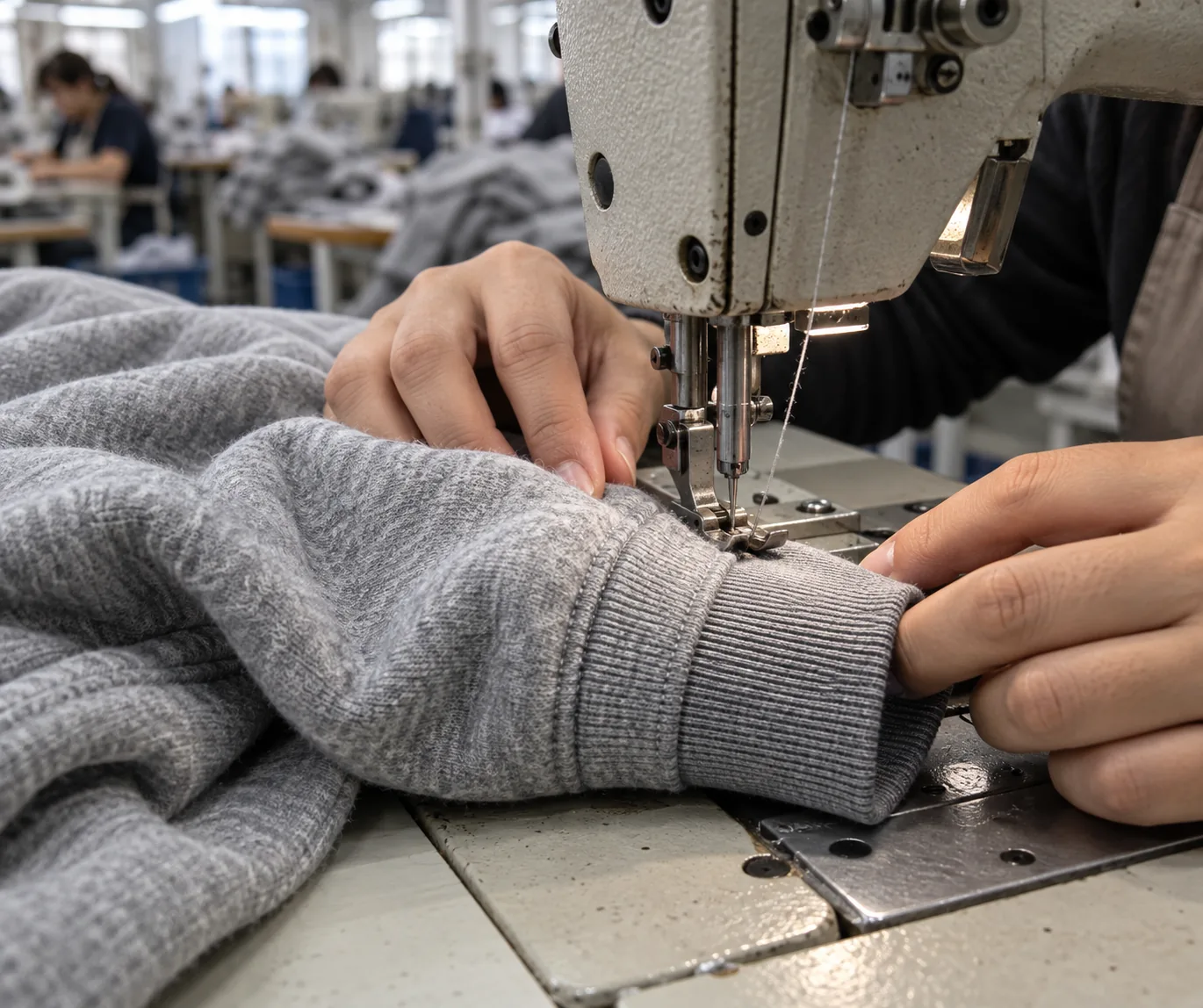
- Workmanship: review skipped stitches, open seams, neckline distortion and mismatched sleeve attachment. Identify which defects require repair and reinspection before packing.
- Order accuracy: check size labels, colour quantities and packing instructions against the purchase order. Agree how inspection findings and corrective actions will be recorded.
StitchQuote’s services include cut-and-sew, private label, sampling, fabric and trim sourcing, branding through woven labels, prints and embroidery, and QC before packing. Confirm the project-specific inspection scope in writing. When evaluating offers, ask who handles a failed checkpoint and how it affects shipment approval; the phrase “QC included” alone leaves those decisions unresolved.
Questions buyers ask when comparable quotes still differ
Should I reject the highest offer immediately?
No. First check whether it includes work that the others left unconfirmed, such as decoration sampling or individual packing. If scope is genuinely aligned, ask for the main cost drivers. You can then judge whether the additional cost supports a requirement that matters to your launch.
Can I compare quotes before choosing the final fabric?
Yes, as provisional estimates based on one stated fabric assumption. Require suppliers to identify that assumption and the conditions for repricing. Do not treat an estimate using an available stock material as equivalent to a confirmed offer for a custom-developed fabric.
What if a supplier will only provide a single total?
A single total can work if the supplier confirms every inclusion, exclusion and technical deviation. Request the scope schedule rather than demanding internal labour or margin details. If essential inclusions remain unclear, the offer is not ready for a reliable comparison.
Which documents should go into the final enquiry?
Send the current specification, measurement sheet, artwork, quantity breakdown, acceptance requirements and requested delivery basis. Ask for a dated quotation referencing that exact package. Use the resources below to prepare the brief, check development constraints and submit the same requirements for review.
- Prepare the technical package for your quote request
- Review sampling and MOQ considerations
- Build a cut-and-sew streetwear supplier shortlist
- Send StitchQuote your specifications for review
Request a manufacturing quote
Share your product type, quantity range, and destination. We usually reply within one business day.