Custom Streetwear, Casualwear & Denim Manufacturer•MOQ 50 pcs•Denim MOQ 100 pcs•7-Day Sample Available

What the EU’s March 2026 Packaging FAQ Means for Apparel Brands Shipping into Europe
See what the EU’s March 2026 packaging FAQ means for apparel brands shipping into Europe, from polybags and cartons to PFAS risk and packaging planning.

The European Commission published its Packaging and Packaging Waste Regulation FAQ on March 30, 2026, giving brands a clearer reading of how the new packaging rules are moving from headline policy into operating reality. For apparel companies shipping into Europe, that matters because packaging is no longer just a late-stage admin detail around cartons and polybags. It is becoming a more direct compliance and cost-planning issue that needs to sit closer to sourcing, private label execution, and launch timing.
If your business sells garments into the EU, the practical question is not whether the regulation sounds ambitious. It is whether your current packaging stack is clear enough to manage. That includes e-commerce mailers, retail packaging, polybags, inserts, and outer cartons. Brands that still treat packaging as something to tidy up after sampling often end up making rushed decisions that are harder to defend later. This is one reason packaging planning should sit alongside your private label manufacturing path, your production workflow, and your broader product brief discipline.
What happened
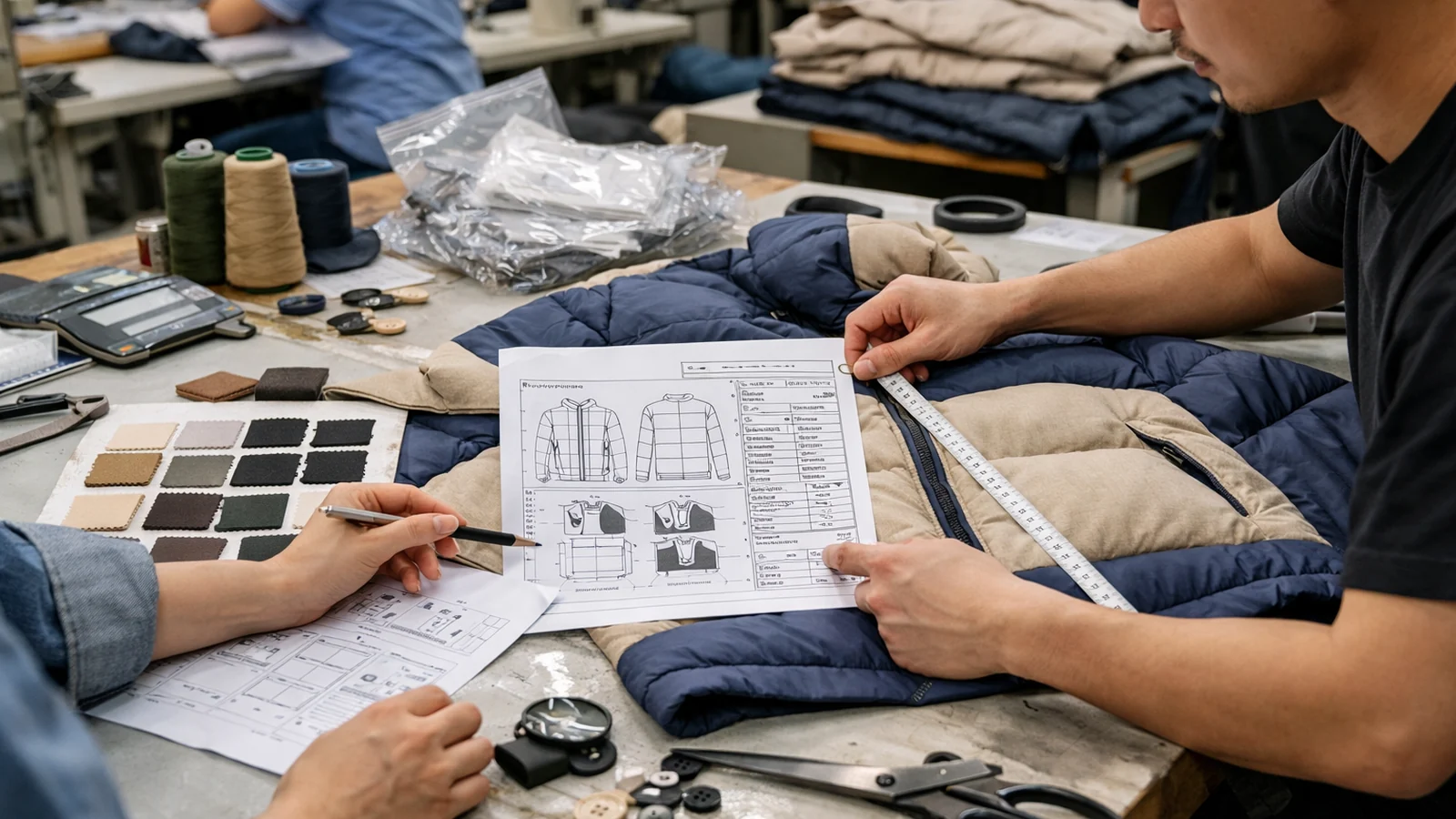
The Commission’s FAQ was published on March 30, 2026, and the related Packaging and Packaging Waste Regulation page says the PPWR will begin to apply from mid-2026. The same European Commission guidance also highlights that harmful PFAS in packaging will be banned from August 2026, and that all packaging must be recyclable by 2030. For apparel buyers, those dates matter because packaging choices that once felt routine now need a clearer compliance lens.
This does not mean every fashion brand has to redesign every packaging component overnight. It does mean the old habit of treating packaging as a generic vendor add-on is getting weaker. If your EU-bound order still relies on vague notes like “standard polybag” or “usual carton,” you are probably leaving too much uncertainty inside a part of the product that regulators are looking at more closely.
Why it matters to apparel buyers
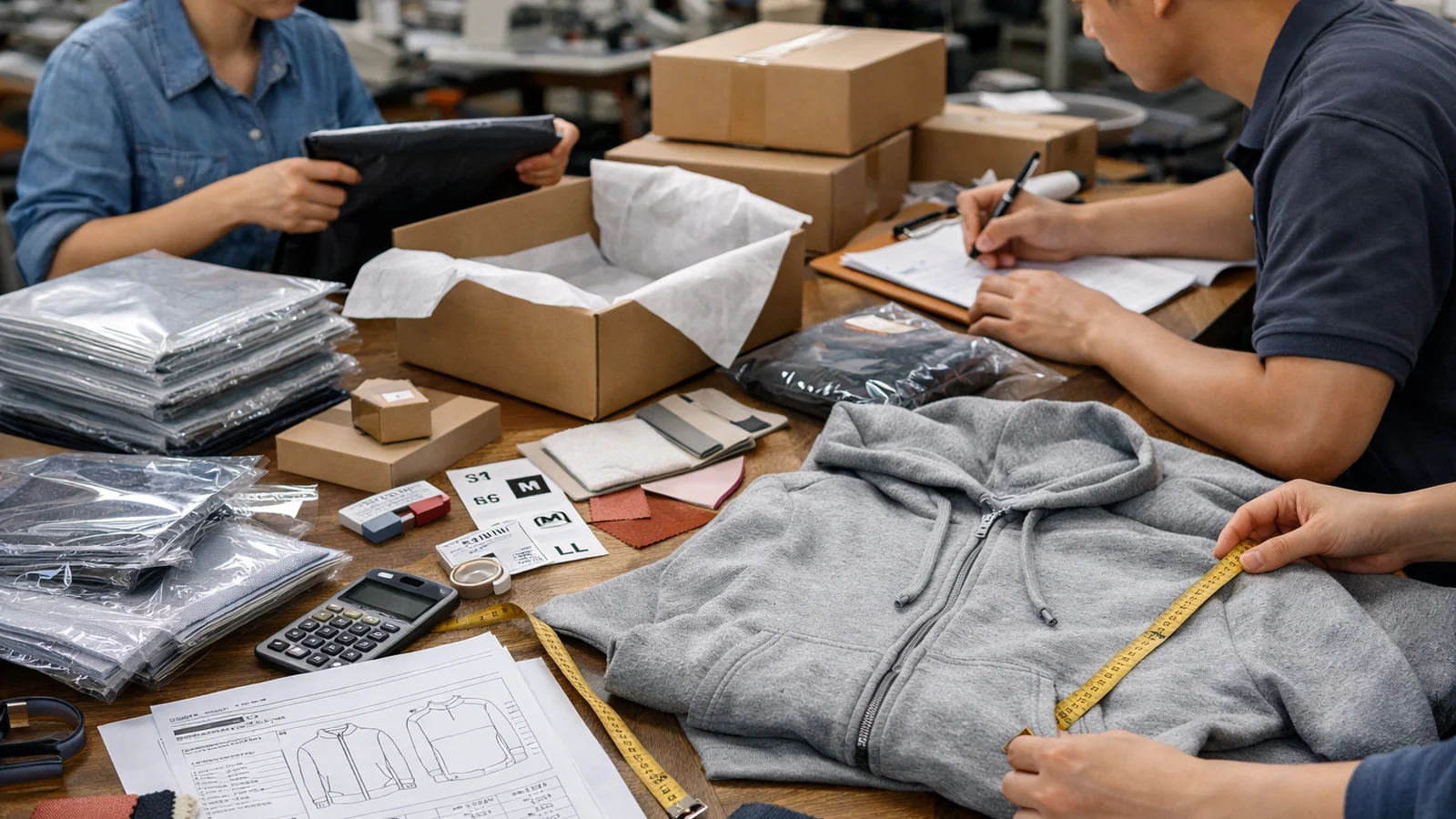
Apparel packaging is rarely just one item. A single order can include inner polybags, size stickers, shipping cartons, branded mailers, tissue, inserts, and retail-ready outer packaging. When rules become stricter, the pressure does not only fall on large global groups. Smaller brands can also feel it through specification changes, supplier questions, approval delays, and the need to prove what materials are actually being used.
From a sourcing perspective, the buyer-side issue is control. If you do not know which packaging components are essential, which are decorative, and which may create extra risk, cost or waste, then your team is more likely to overcomplicate the program. That is especially true for lower-volume private label collections where packaging decisions often get mixed together with MOQ and branding cost, launch timing, and supplier communication. Cleaner packaging architecture usually makes a range easier to approve and easier to repeat.
This update also matters because packaging can quietly affect lead time. If an EU-facing order needs a revised mailer, different material specification, or documentation your team never requested earlier, that work can show up late and slow the handoff from approved sample to bulk. Buyers who already use tighter operating discipline in their sampling flow and MOQ planning are usually better placed to absorb that change without scrambling.
What brands should do next
The practical response is to make packaging more visible inside the apparel planning process. Start by mapping every packaging component used on EU-bound orders and checking which ones are actually necessary. Then ask suppliers for clearer material information, especially where a packaging element has been treated as generic in the past. The goal is not to create paperwork for its own sake. The goal is to stop packaging from becoming the weak point in an otherwise clean sourcing plan.
- List every packaging component used on EU-bound apparel orders, not just the outer carton.
- Ask suppliers to confirm materials and construction for polybags, mailers, inserts, and retail packaging.
- Review whether any packaging choice adds complexity without adding real commercial value.
- Check PFAS exposure and recyclability assumptions before the next EU-facing production run.
- Keep packaging approval on the same timeline as sourcing, branding, and shipment planning.
For apparel brands selling into Europe, this is less about panic and more about better control. The teams that handle the PPWR shift best will usually be the ones that simplify packaging early, document it clearly, and stop treating it as a last-minute add-on. If you want a cleaner production path for EU-facing apparel programs, review our manufacturing services, compare your packaging logic against our packaging guide, or send the current brief through the contact page.
Frequently Asked Questions
Does the EU’s March 2026 packaging FAQ only matter to very large fashion brands?
No. Large groups may feel the pressure first, but smaller apparel brands shipping into Europe still need clearer visibility on packaging materials, supplier specs, and whether packaging decisions are creating avoidable compliance or approval risk.
What is the most practical first step for an apparel brand shipping into the EU?
Usually it is a packaging audit. Map every packaging component on EU-bound orders, confirm material details with suppliers, and remove decorative or unclear elements that add complexity without improving the product.
Request a manufacturing quote
Share your product type, quantity range, and destination. We usually reply within one business day.