Custom Streetwear, Casualwear & Denim Manufacturer•MOQ 50 pcs•Denim MOQ 100 pcs•7-Day Sample Available

Sampling Cost vs Bulk Cost: Why Buyers Should Not Treat Them the Same
Use this factory-side guide to compare sampling cost vs bulk cost: why buyers should not treat them the same more clearly across supplier fit, quote scope.

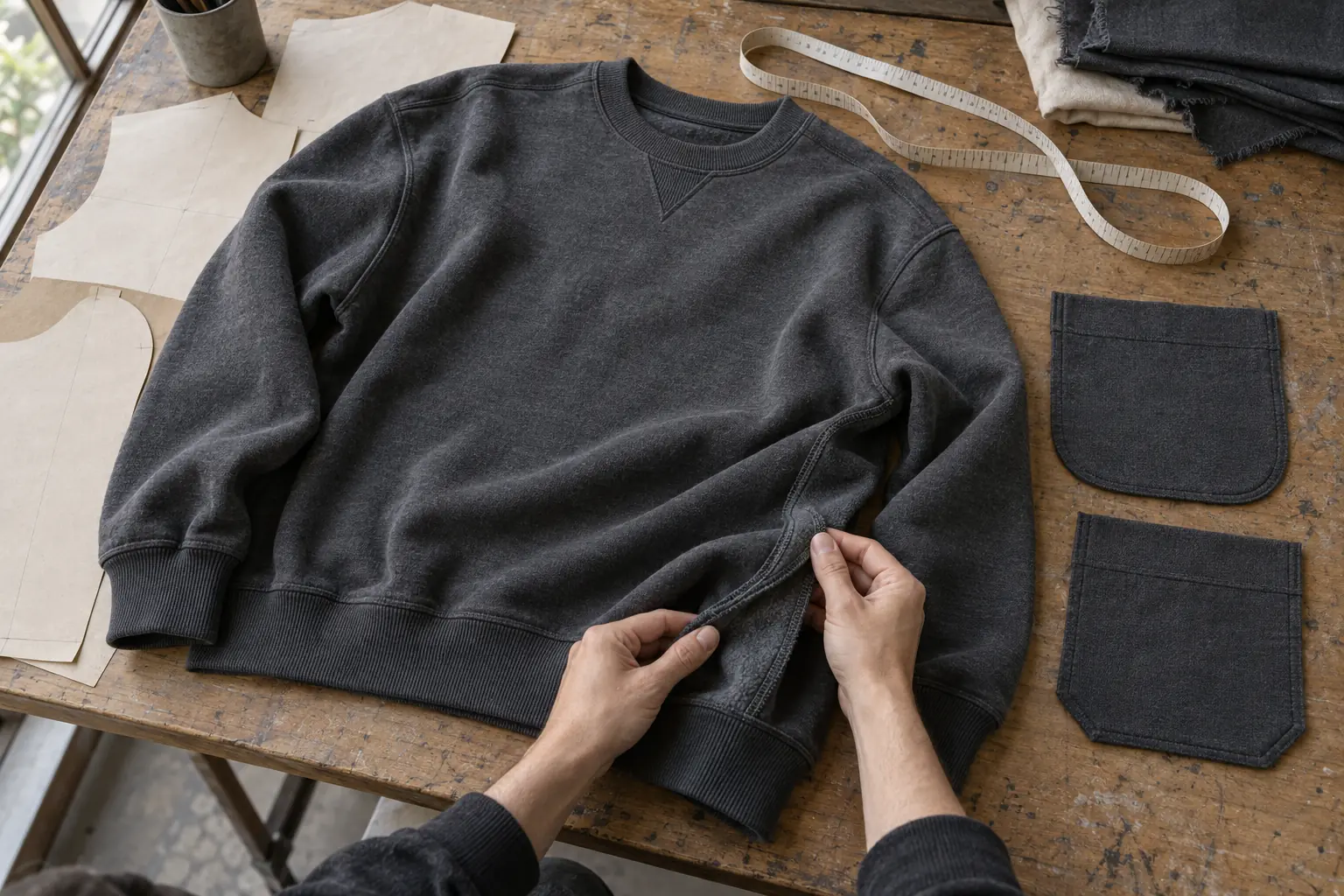
A sample invoice pays for learning how a garment should be made; a bulk quotation prices the repeated manufacture of an agreed garment. Comparing the two as if both were unit production prices hides the work still unresolved. A sweatshirt prototype may require pattern adjustments and several decoration trials even when the eventual production method is straightforward.
For buyers weighing sampling cost vs bulk cost, the most useful control is a disciplined comment sheet. It records what was tested, what failed, what changed, and who approved the next step. Used properly, it also separates corrections from new requests, so each development round produces a clearer product definition and a more reliable basis for bulk costing.
Give every sample invoice a defined learning objective
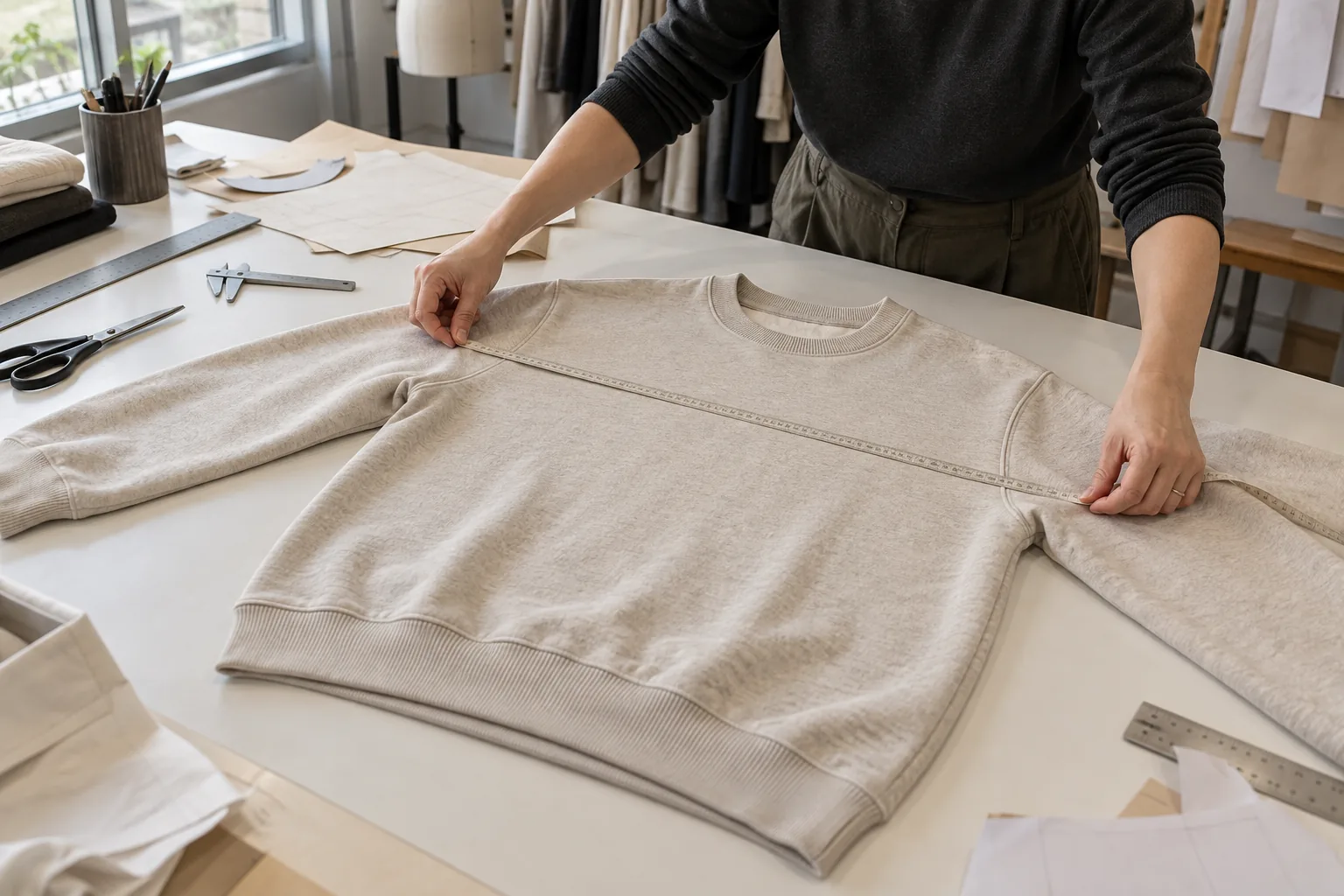
Before commissioning a sample, put its purpose at the top of the comment sheet. A fit prototype might establish shoulder position, chest volume, and sleeve balance. A decoration trial might establish embroidery density and backing. A preproduction sample should demonstrate the agreed combination of material, construction, branding, and measurements. These are different assignments, even if the garments look similar in photographs.
Ask the supplier to identify what the sample charge covers: pattern preparation, sample sewing, material procurement, decoration setup, or another agreed activity. Confirm separately whether shipping, additional versions, or repeat trials are included. Do not assume that a second sample is free, or that a development payment will be credited against an order; record any arrangement explicitly.
Your comments should respect the assignment. If the fit prototype uses substitute fabric, record that limitation before judging drape or wash behavior. The sample may answer the sizing question while leaving material performance open. Paying for another round becomes easier to assess when the unresolved question is specific rather than simply “needs improvement.”
Turn subjective feedback into instructions someone can close
Use one row per issue, with a unique reference number, sample version, observation, requested action, evidence required, and status. Attach photographs identified by that same reference. Keep the original observation visible when an instruction changes; otherwise the team cannot tell whether a later sample missed the brief or followed a superseded request.
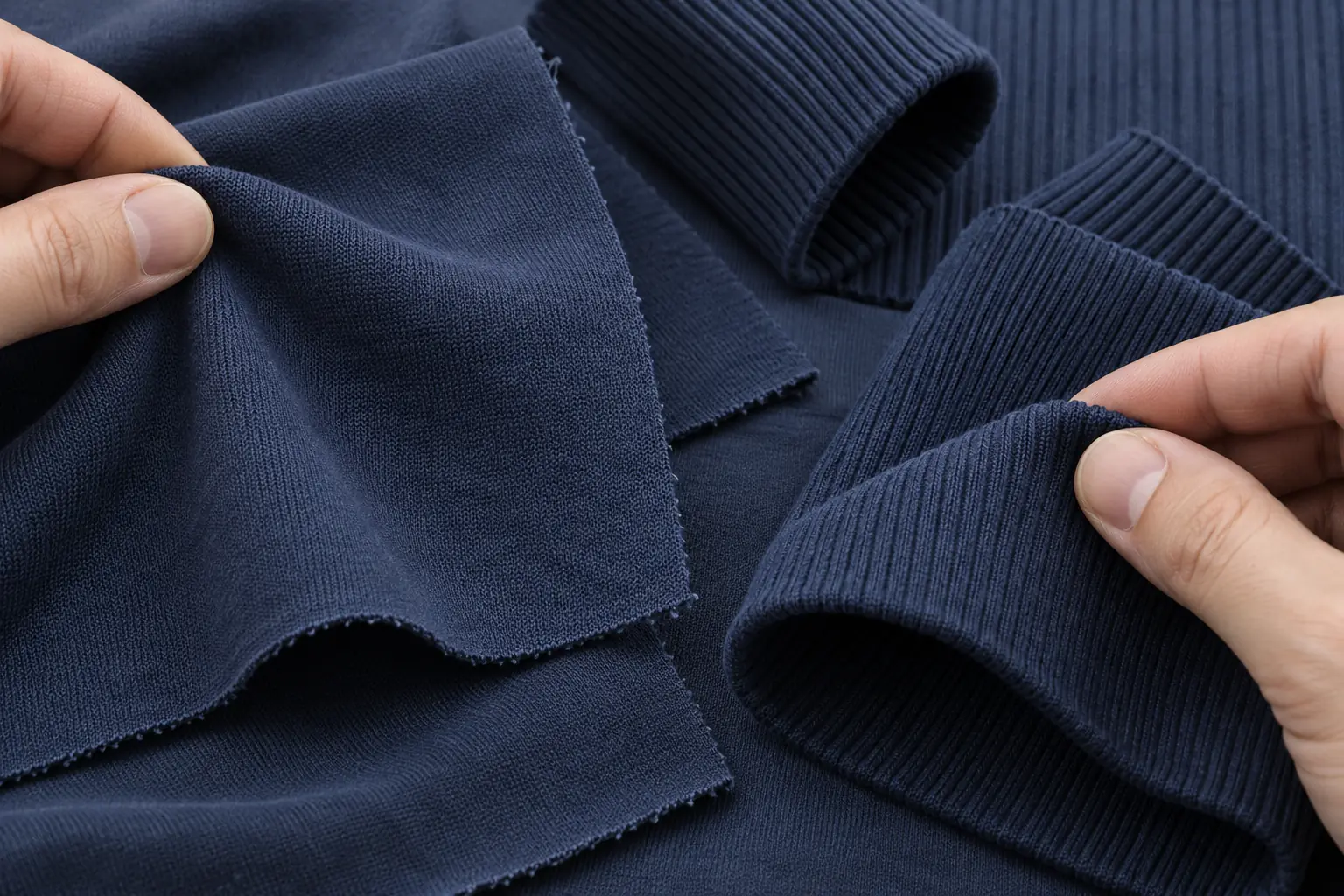
“Make the neck better” cannot be costed or verified. A stronger comment identifies the actual problem: the opening stretches during dressing and does not recover to the agreed shape. Request a rib specification review and a repeat recovery assessment against the retained reference. If the proposed solution changes rib composition or construction, require confirmation before it becomes the new standard.
| Comment field | Example entry |
|---|---|
| Sample identity | Crewneck, size M, version 02, received date recorded |
| Observed result | Half chest measures 61.5 cm; current target is 60.0 cm |
| Requested action | Bring half chest to target; review effect on armhole balance |
| Closure evidence | Updated measurement record and next fit review |
| Commercial status | Supplier to confirm correction scope before work starts |
For this example, a buyer might propose a tolerance of ±1.0 cm for half chest, subject to supplier agreement and the chosen measuring method. It is an illustrative project specification, not a universal apparel tolerance. Define whether measurements are taken before washing, after washing, or after a specified conditioning period.
Separate missed requirements from decisions you changed
Classify each comment before discussing its commercial treatment. A correction addresses a departure from a confirmed requirement. A design revision changes that requirement. An unresolved choice covers something the original brief never settled. These categories support a factual discussion; they do not automatically determine who pays. The agreed sample scope and evidence still matter.
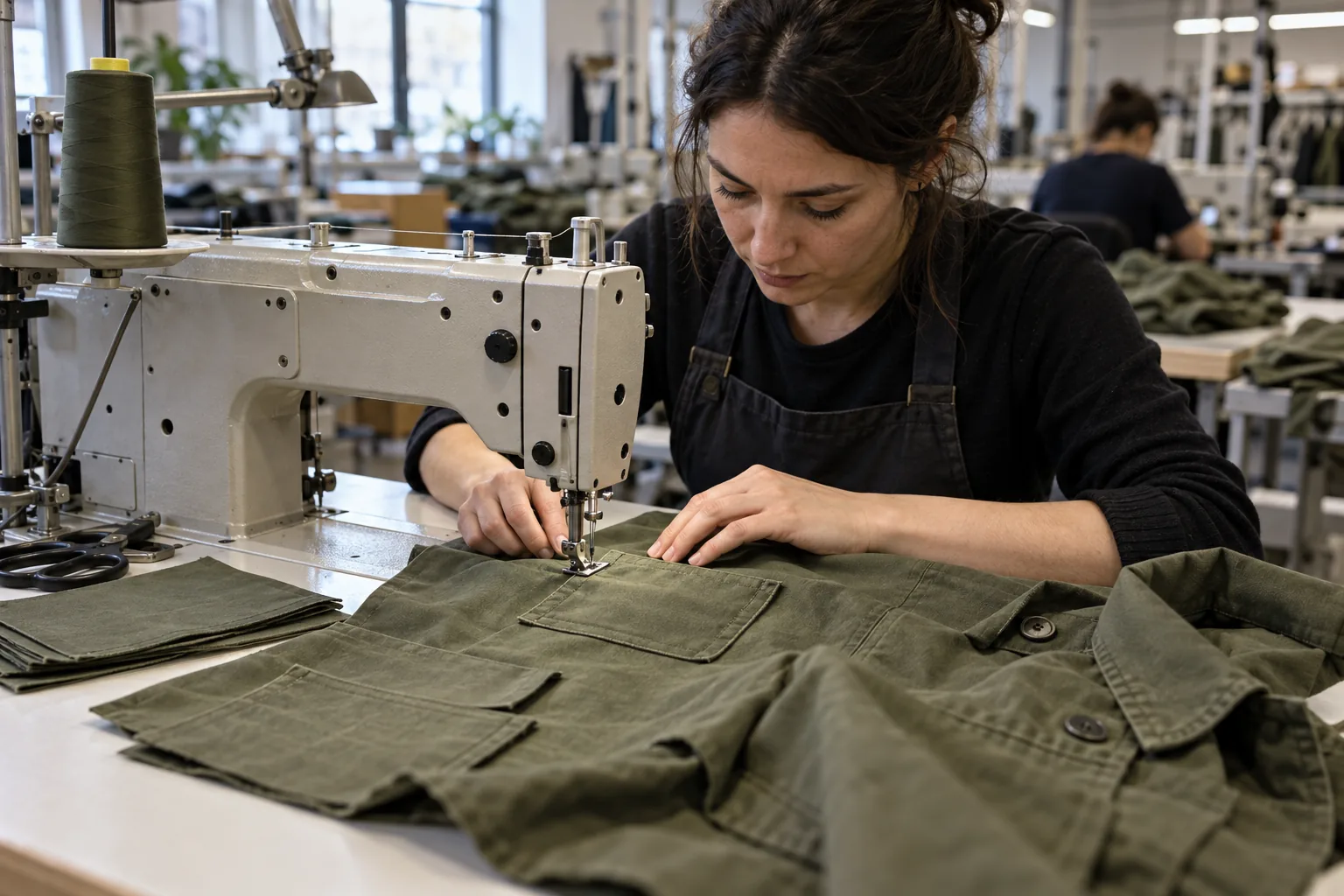
Consider a woven overshirt. A pocket positioned below the approved placement is a correction issue. Moving an accurately positioned pocket because the buyer now prefers a lower silhouette is a design revision. Choosing a pocket closure after the first sample is an unresolved design decision. All three may involve unpicking and resewing, but they have different causes.
Keep a separate column for the expected bulk effect. Adding a concealed snap could require new trim sourcing, reinforcement, an attachment operation, and inspection. A pattern correction might require development work without adding a recurring operation. Ask for both consequences to be confirmed instead of using the repeat-sample charge as a proxy for the future unit price.
Where responsibility is disputed, reference the dated specification and the received sample. Resolve the disputed row before authorizing another version. A single consolidated decision is more useful than several messages containing incompatible instructions.
Make the comment sheet the bridge to a comparable bulk quote
A bulk quotation needs a defined revision, quantity, size breakdown, material specification, decoration method, and packing scope. Put the accepted sample version and the current specification revision on the quote request. If commercial assumptions change, request an updated quotation rather than comparing it with a price based on an earlier garment.
For example, switching a jersey top from a stock fabric to a custom-developed material can change sourcing requirements and development timing. Expanding an embroidered motif can change stitch count and production time. Neither effect can be established by dividing the sample invoice by the planned order quantity. Ask which costs recur per garment and which belong to development or setup.
For internal budgeting, you can spread development spending across your intended order to understand total project economics. Label that calculation as an allocated development expense, separate from the supplier’s bulk unit price. If you reorder the unchanged style, ask which setup or development activities must actually be repeated.
StitchQuote’s MOQ for most categories starts from 50 pieces per style; denim starts from 100 pieces per style. Confirm the proposed size and color allocation for your project. Those starting quantities do not establish a sample fee, a repeat-sample policy, or the price of a particular construction.
Close technical comments with evidence before release
A comment marked “done” is not enough for a bulk approval. Specify how closure will be demonstrated and retain the evidence with the relevant revision. Use this review checklist to prevent unresolved development decisions from becoming production instructions:
- Measurements: record target, actual result, agreed tolerance, and measurement method for each critical point. Check linked dimensions after a pattern change.
- Construction: inspect seam junctions, pocket reinforcement, opening alignment, and visible puckering. Identify the approved reference for any appearance judgment.
- Materials: confirm composition, weight specification, rib or lining selection, and whether the reviewed sample uses the intended production material.
- Decoration: verify artwork version, dimensions, placement reference, and backing or print appearance. Recheck the garment after the agreed care test where relevant.
- Disposition: mark each issue accepted, rejected, or pending. Identify the person authorized to approve it and retain a dated reference sample.
Photo evidence may close a label placement issue, but it cannot establish fabric handfeel or wearer comfort. Match the evidence to the problem. If a change affects fit, arrange a physical fit assessment; if it affects wash behavior, document the test conditions and before-and-after results.
StitchQuote provides QC before packing. The approved specification and closed comment record give that inspection a clear reference. Development approval and shipment inspection serve different purposes: approving a prototype does not demonstrate that every production garment meets the agreed requirements.
Use one release decision to protect the next round
Appoint one buyer-side owner to combine feedback from design, merchandising, and fit reviewers. Issue one dated sheet with a clear decision: revise and resubmit, approve specified items while holding others, or release the agreed version. Partial approval should identify exactly which decisions remain open and what work may proceed.
StitchQuote offers cut-and-sew, private label, sampling, fabric and trim sourcing, and branding through woven labels, prints, and embroidery. A seven-day sample is available for standard styles with confirmed specifications and available materials. Complex styles, custom washes, and custom-developed fabric take longer. Confirm timing against the actual revision request, especially when comments introduce new sourcing or testing.
Before authorizing work, obtain acknowledgment of the revised scope, any additional sample charge, and the expected effect on the bulk quotation. This closes the commercial loop around the technical comments and gives both teams a shared starting point.
Questions buyers ask when comments affect cost
Can we approve fit while keeping the bulk price open?
Yes, provided the approval explicitly covers fit only. Record pending materials, decoration, or construction choices and request a revised bulk quotation after they are settled. Avoid describing the whole style as approved when commercially significant details remain unresolved.
Should every corrected measurement trigger another sample?
No single rule fits every change. Assess whether the adjustment affects balance, movement, or adjacent dimensions. A minor isolated correction may be verified by agreed evidence, while a shoulder or armhole change can justify another physical review. Record that decision.
What if two reviewers request opposite changes?
Resolve the conflict internally before issuing instructions. Preserve the competing observations if useful, but send one authorized action to the supplier. Otherwise, the next sample may implement a valid instruction that another reviewer already intended to replace.
Related reading and project support
- Prepare the specification behind your comment sheet
- Review sampling and MOQ considerations
- Understand clothing sampling timelines
- Discuss your sample scope with StitchQuote
Request a manufacturing quote
Share your product type, quantity range, and destination. We usually reply within one business day.