Custom Streetwear, Casualwear & Denim Manufacturer•MOQ 50 pcs•Denim MOQ 100 pcs•7-Day Sample Available

How to Prepare for a Reorder Without Reopening Every Old Decision
Use this factory-side guide to compare prepare for a reorder without reopening every old decision more clearly across supplier fit, quote scope, approvals, and.

A reorder should repeat a proven garment, but the instruction “same as last time” leaves too much open. Which sample was final? Did the last shipment include an approved substitution? Was the customer complaint about fit caused by the specification or by production variation? Before requesting another run, separate the decisions that remain valid from the evidence that needs refreshing.
Use this buyer checklist to build a repeat-order brief that preserves the approved product while exposing genuine changes. The aim is to give purchasing, development, and quality teams one reference they can act on without reconstructing months of messages.
1. Identify the exact version you want repeated
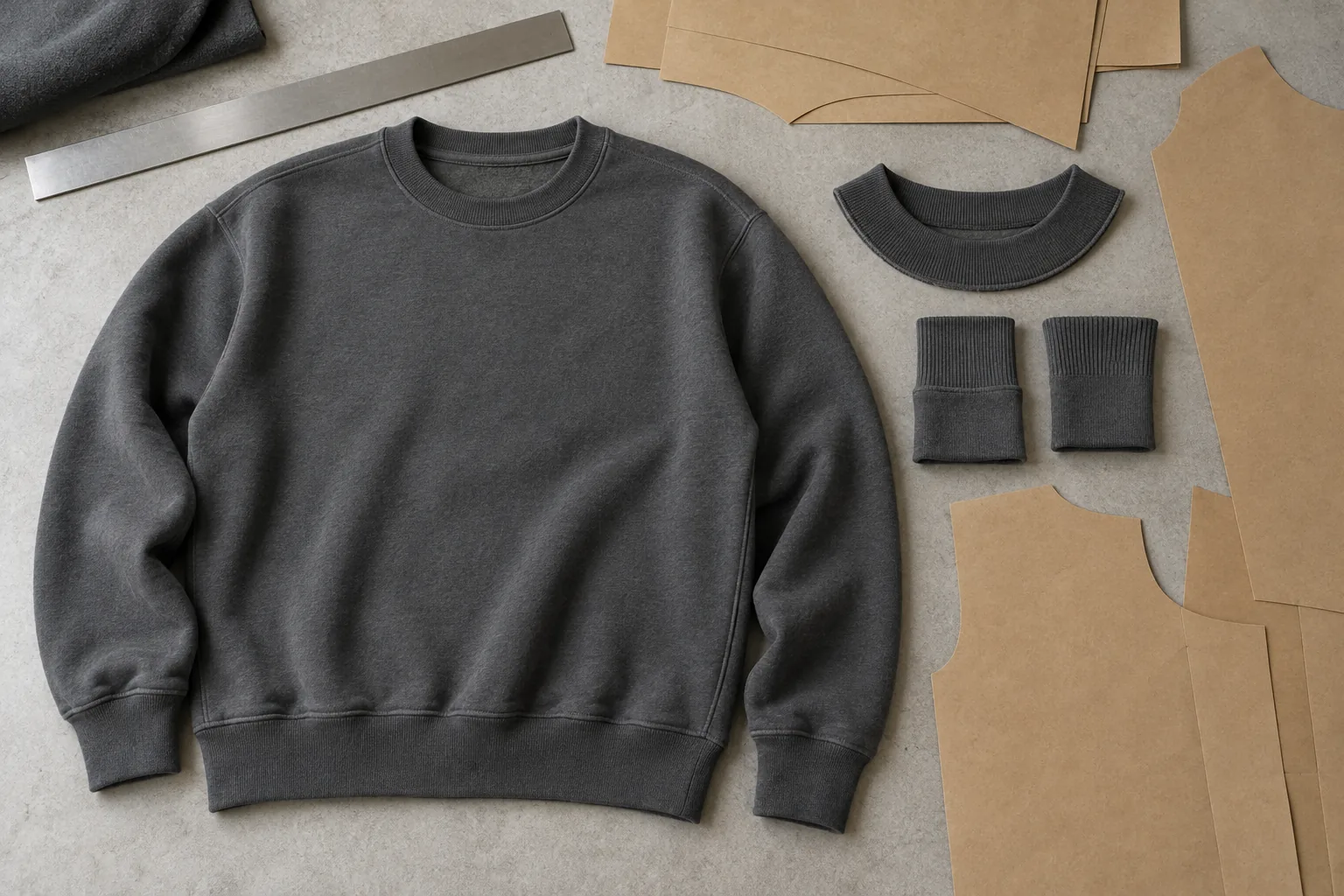
Start with the previous purchase order number, style code, approved specification revision, and bulk shipment reference. These identifiers should describe the same product. A development sample may predate a neckline correction, while the most recent spreadsheet may contain an unapproved idea. Do not choose a reference simply because its filename says “final.”
Locate an approved physical garment or retained production sample. Record its size, color, approval date, and whether it has been washed or worn. A washed reference can help assess appearance after care, but it should not silently become the dimensional standard for an unwashed shipment.
- Measurement baseline: retain the approved measurement chart, grading rules, measurement method, and tolerances.
- Construction baseline: retain seam types, stitch details, reinforcement positions, and approved workmanship photographs.
- Appearance baseline: identify the approved fabric, color standard, decoration artwork version, and placement measurements.
- Conflict rule: specify who resolves differences between the physical reference and written documents before cutting begins.
For example, a boxy jersey tee might have shipped with a corrected neck opening that never reached the original tech pack. Update the record to reflect that approved correction, with dated evidence, rather than asking the factory to remember it.
2. Separate repeat instructions from change requests
Create a short change register before sending quantities. Give every difference a disposition: repeat, verify, or revise. “Repeat” preserves an approval; “verify” asks for fresh evidence against the existing standard; “revise” creates a new approval task. This distinction prevents a routine material check from turning into an invitation to redesign the garment.
| Item | Buyer instruction | Evidence needed |
|---|---|---|
| Body shape and grading | Repeat approved revision | Current measurement check |
| New dye lot, existing color | Verify against retained standard | Shade comparison before cutting |
| Longer sleeve requested | Revise sleeve specification only | Updated chart and focused fit approval |
| Replacement zipper | Hold substitution for approval | Component and functional comparison |
A small change can have dependencies. Adding sleeve length may alter consumption, cuff position, and the folded pack size. A replacement rib can change neckline recovery even if its color matches. Ask the supplier to flag affected operations instead of treating the changed line as isolated.
Keep deferred ideas outside the production brief. If the team wants a different pocket for a future launch, record it elsewhere. Close the register with an approver and a decision date so an unresolved suggestion cannot become an accidental instruction.
3. Check whether the supply inputs still match
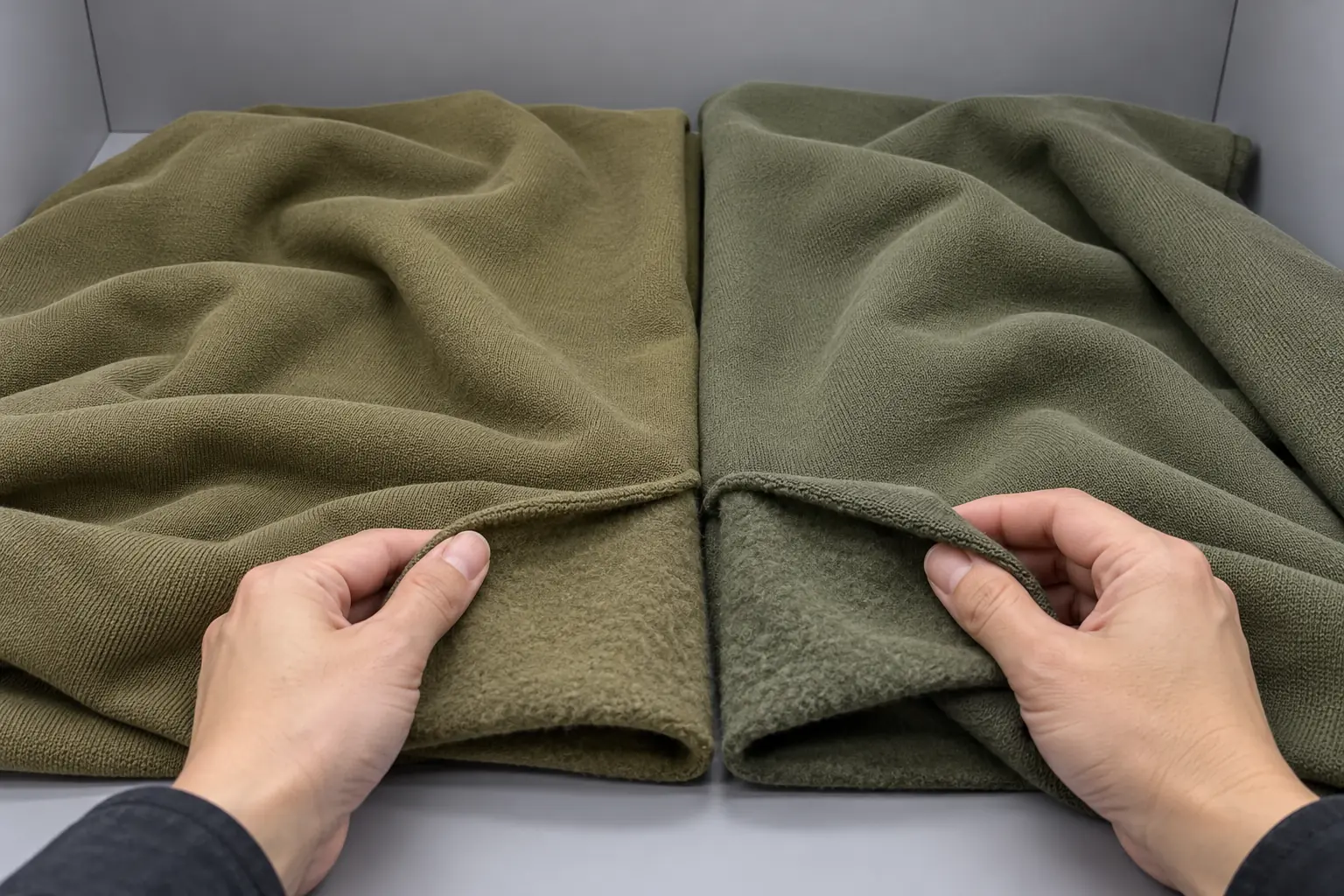
Ask for current availability against the approved bill of materials. Confirm fabric composition, construction, finished weight, usable width, finish, and color reference. “Same cotton fleece” is not sufficient identification: a different finish or width can affect handfeel, shrinkage, cutting yield, and the eventual quote.
If leftover material is proposed, request its quantity, lot identification, storage condition, and suitability for the new order. Mixing old and new lots within one garment can produce visible panel differences. Agree how lots will be segregated and whether the available balance covers a complete production allocation.
Check trims with equal care. Confirm zipper length and function, drawcord dimensions, elastic recovery, label content, and decoration files. Existing screens, embroidery files, or patterns should be identified by revision and checked for availability; do not assume they remain usable merely because they existed previously.
For denim, compare the current wash result with the retained approved standard, including shade, abrasion placement, and measurements after finishing. An unchanged wash description does not prove an identical outcome on a new fabric lot. Approve any proposed material substitution explicitly before its purchase.
4. Rebuild quantities and dates from current demand
Reuse product decisions, but refresh the commercial brief. Provide a size-by-color quantity matrix based on current stock and sales. Consider stockouts when interpreting sales: a size that disappeared early may look like a weak seller simply because it was unavailable for much of the selling period.
Identify any new size, color, or destination separately. Extending a graded range needs a fit review at the new endpoint; it is not merely another quantity cell. Confirm packing ratios, barcode assignments, label language, and carton instructions for the current shipment, especially when stock is going to a different warehouse.
StitchQuote’s MOQ for most categories starts from 50 pieces per style; denim starts from 100 pieces per style. Confirm how the proposed color and size split fits the project, since material and trim requirements can affect feasibility. A previous order quantity does not automatically establish the terms for a smaller repeat.
Request a fresh quotation showing the agreed materials, decoration, packaging, quantity, and delivery basis. Build dates around material readiness, required approvals, production, inspection, and dispatch. Distinguish the date goods must leave production from the date inventory must reach your warehouse.
5. Release production only against a focused QC checklist
Choose checks according to what could have changed. A stable pattern may need measurement verification rather than another design discussion. New fabric, a replacement trim, or a revised wash may require a targeted sample. Name the purpose of each approval so the team knows which decisions remain closed.
A 7-day sample is available at StitchQuote for standard styles with confirmed specifications and available materials. Complex styles, custom washes, and custom-developed fabric take longer. Confirm the applicable schedule for the actual verification work; a sample timeline is not a bulk delivery commitment.
- Measurements: check the agreed points across relevant sizes using the documented method. As an illustrative buyer specification, half-chest might allow ±1 cm while a small pocket placement allows ±0.5 cm; confirm tolerances for each project rather than applying these universally.
- Care performance: compare dimensions before and after the agreed wash and drying procedure. Record shrinkage and twisting against approved limits.
- Shade and surface: compare current material with the retained reference under consistent lighting, including rib-to-body matching and lot variation.
- Construction and decoration: inspect seam security, skipped stitches, print position, embroidery appearance, and stress points identified in prior returns.
- Packing accuracy: match size labels, barcodes, assortment counts, and carton identification to the new purchase order.
Specify the inspection coverage and acceptance criteria before production. A single good sample cannot establish that every size and lot is acceptable. StitchQuote includes QC before packing; align the project checklist and reporting requirements in advance. If a check fails, record the affected scope, corrective action, and evidence needed for release.
6. Resolve the questions that commonly reopen approvals
What if the approved physical sample is missing?
Assemble the strongest available evidence: the signed specification, approval photographs, measurement records, and an identifiable garment from the previous shipment. Ask the supplier to reconcile gaps. Where appearance or handfeel remains uncertain, approve a replacement reference before bulk rather than presenting incomplete records as a complete standard.
Should customer complaints change the repeat order?
First determine whether the garment departed from specification or the approved specification needs changing. An undersized batch calls for process correction; consistent feedback that the approved sleeve is too short may justify a revision. Keep the evidence and decision separate so a quality issue does not trigger an unsupported pattern change.
Can an added color use all the old approvals?
It can often retain construction and fit decisions, but the new shade needs its own approval. Check decoration contrast, matching trims, and any relevant colorfastness requirements. Confirm whether the dyeing or finishing route changes material behavior before carrying over performance assumptions.
Who should approve the final repeat-order brief?
Assign one buyer-side owner to consolidate input from merchandising, technical development, and operations. Send a dated release package containing the baseline, change register, quantity matrix, and open approval list. Ask the supplier to acknowledge exceptions explicitly, then archive the released version for the next reorder.
Related reading
- Prepare a tech pack that preserves your approved specifications
- Review sampling and minimum-order planning
- Discuss your repeat-order brief with StitchQuote
Request a manufacturing quote
Share your product type, quantity range, and destination. We usually reply within one business day.