Custom Streetwear, Casualwear & Denim Manufacturer•MOQ 50 pcs•Denim MOQ 100 pcs•7-Day Sample Available

How to Set Better Denim Expectations with a New Factory
Use this factory-side guide to compare set better denim expectations with a new factory more clearly across supplier fit, quote scope, approvals, and timing before.

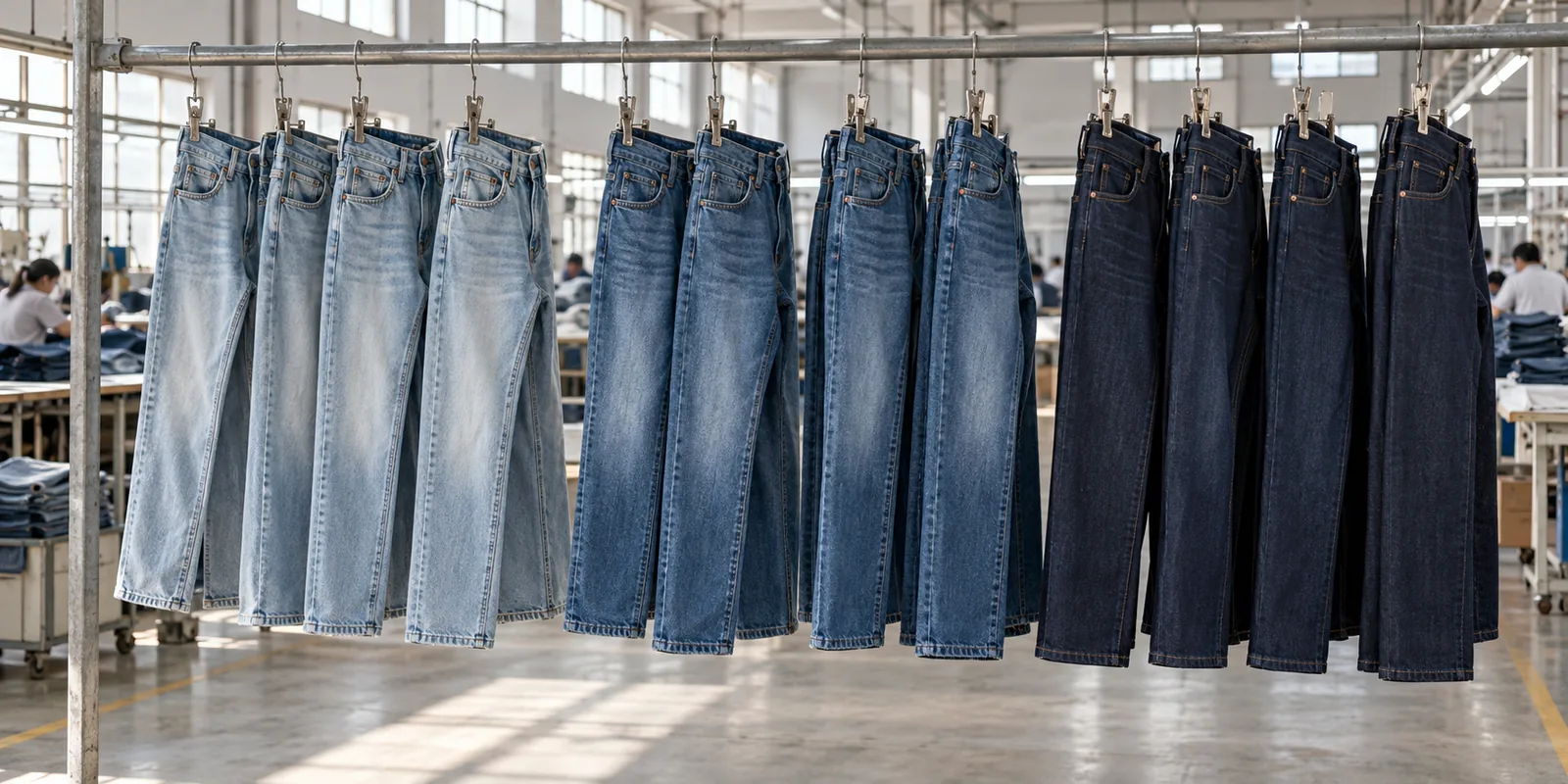
A convincing wash sample does not establish how a new factory will keep an entire denim order visually coherent. Two jackets can each resemble the approved sample yet look noticeably different when hung together. For a first order, the useful conversation is about shade lots: which garments belong together, how variation will be judged, and who can release a borderline batch.
Set those expectations before fabric allocation and cutting. Your agreement should connect the approved appearance to identifiable fabric rolls, wash batches, inspection records, and packing groups. This article focuses on that chain of control, so a buyer can distinguish acceptable denim character from variation that will disrupt merchandising, matching sets, or replenishment.
Define the visual promise your customers will see
Start with the selling arrangement. A loose assortment of vintage jeans may accommodate more variation than a coordinated denim shirt and trouser set. Even separate products can create a matching expectation if photographed together. Tell the factory whether customers will compare pieces on a rail, combine them as an outfit, or reorder the same color later.
Describe the appearance in separate dimensions: overall depth, blue or gray cast, contrast between raised seams and flat panels, and placement of faded areas. “Medium vintage blue” leaves all four open to interpretation. An example brief might request a neutral blue body, restrained seam contrast, and no conspicuous green cast. These are proposed buyer requirements, not universal denim standards.
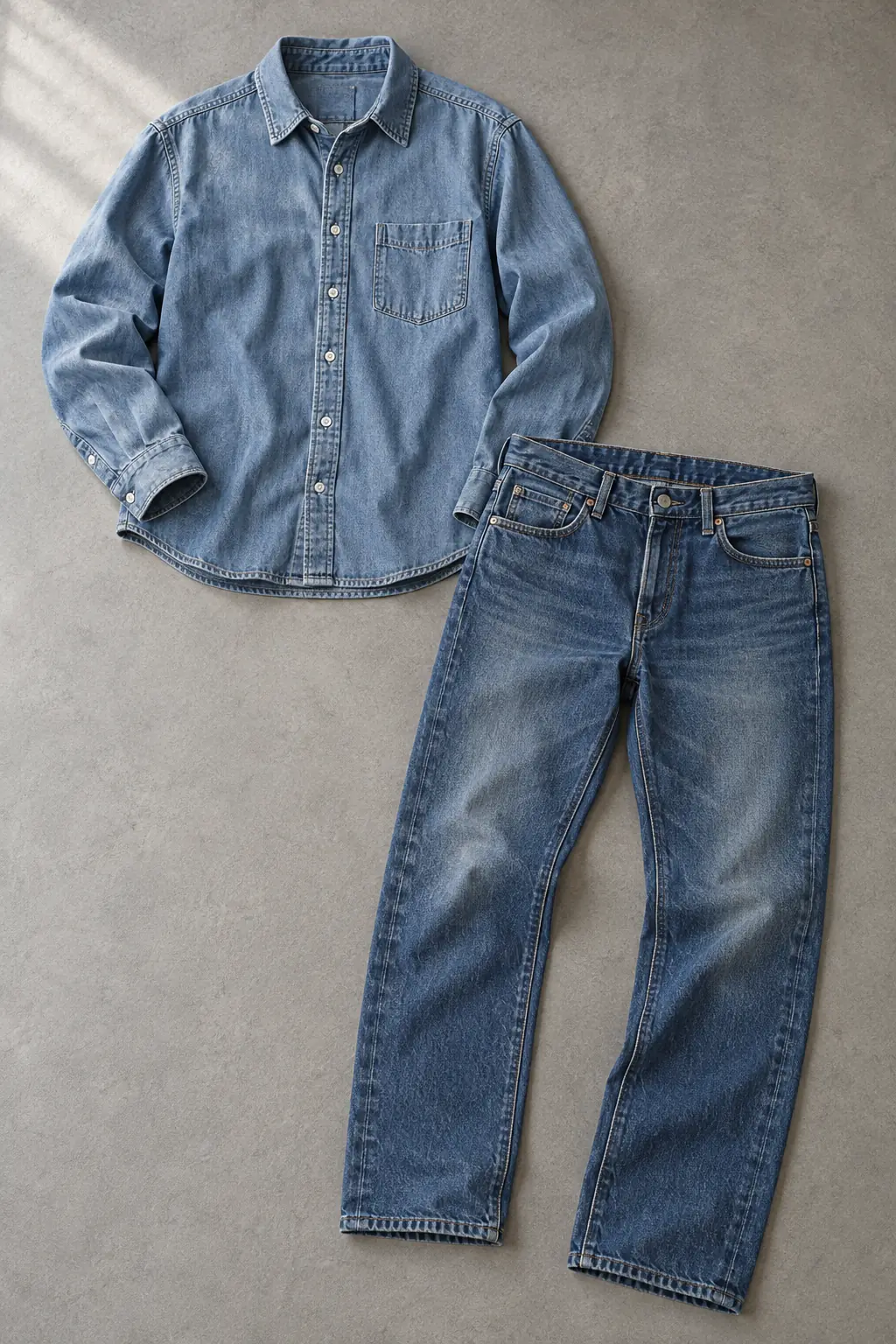
Then define the comparison unit. Require one garment to be internally consistent across its visible panels, while deciding separately how closely two garments must match. A pocket that appears abruptly darker is a different defect from modest garment-to-garment variation within an accepted assortment.
Turn the approved sample into a usable shade boundary
Keep a physical master with an approval date and version identifier. A phone photograph is useful for discussion, but exposure, white balance, and screen settings can conceal a cast difference. Agree where the master will be stored, who holds a counterpart, and how working references will be protected from handling and light exposure.
A single master shows the target; it does not explain the acceptance boundary. Ask to review proposed light and dark limit samples in the intended fabric and finish. If cast variation is a concern, discuss it separately: a garment can match the target’s apparent depth while looking too green. Do not accept a dark limit as permission for any hue shift.
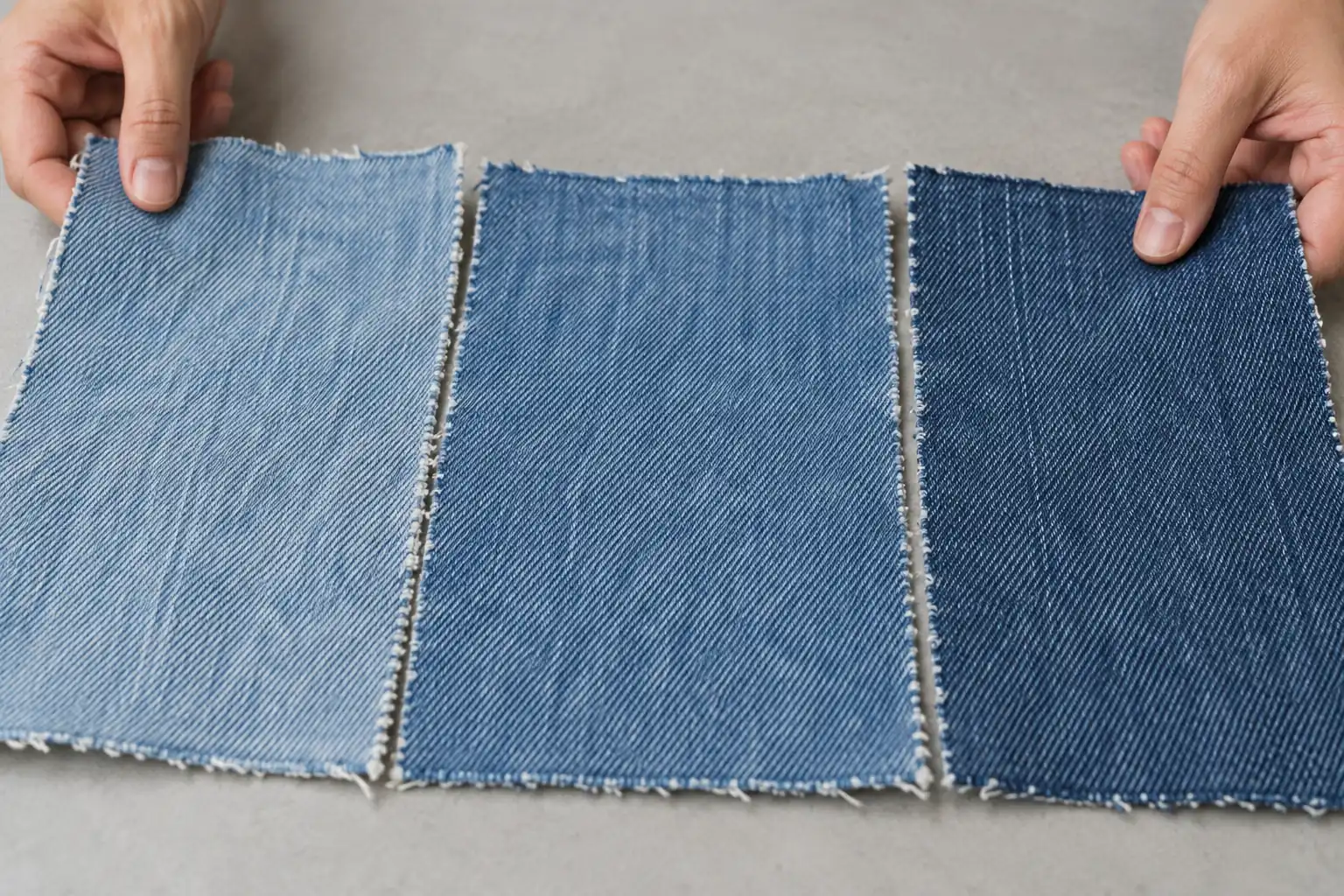
Specify the viewing setup, including the agreed light source, neutral background, garment orientation, and assessment after drying and conditioning under agreed conditions. Compare equivalent locations, such as the flat upper thigh, rather than a faded knee against an unfaded back panel. If instrumental color readings are used, agree the instrument setup, measurement locations, and project-specific tolerance alongside visual review. There is no single color-difference number that resolves every textured or distressed finish.
Trace fabric rolls before they become mixed garment panels
Ask the new factory how it records incoming roll identity and supplier dye lots. A supplier lot code is useful evidence, but it should not automatically substitute for shade evaluation. Where practical, review representative wash trials from the fabric intended for production; similar raw appearances can produce different results after finishing.
The cutting plan should preserve the agreed shade grouping. Discuss whether front panels, back panels, waistbands, and visible pocket components will be cut from the same approved group. For replacement panels, require the original group identity to remain available. Otherwise, a small sewing repair can introduce a visible mismatch that only becomes obvious after washing.
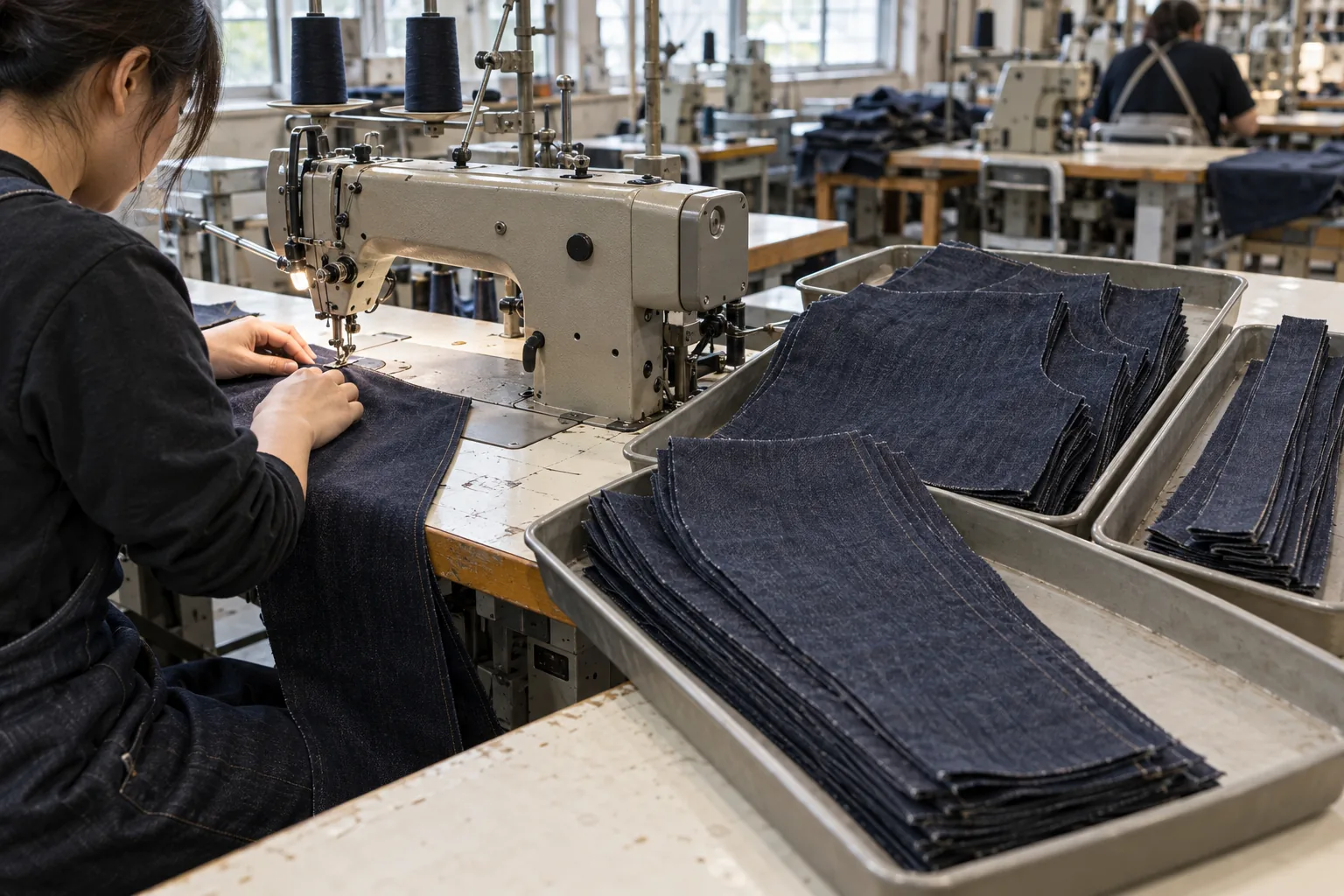
Use a simple record that connects material identity to decisions. The following fields are a proposed purchase-order control, to be agreed with the factory rather than assumed to exist.
| Record | Minimum connection | Buyer decision supported |
|---|---|---|
| Fabric group | Roll IDs and trial reference | Which rolls may be combined |
| Cutting bundle | Fabric group and garment components | Whether replacement panels are compatible |
| Wash batch | Bundle IDs and finish version | Which garments need joint shade review |
| Packing group | Released batch and shade classification | How accepted variation reaches stores |
Make the first bulk wash a separate release decision
Development approval and bulk release answer different questions. The sample establishes the intended appearance; an initial production batch helps show whether that appearance can be repeated with the allocated fabric and production equipment. Agree the quantity to hold for review and the release authority before the remaining wash work is scheduled.
Request comparison garments from each production wash batch under an agreed sampling plan. Identify them by batch rather than sending an anonymous selection of the best-looking pieces. Evaluate the distribution of results, including examples near the proposed limits, so approval does not hide a wider spread.
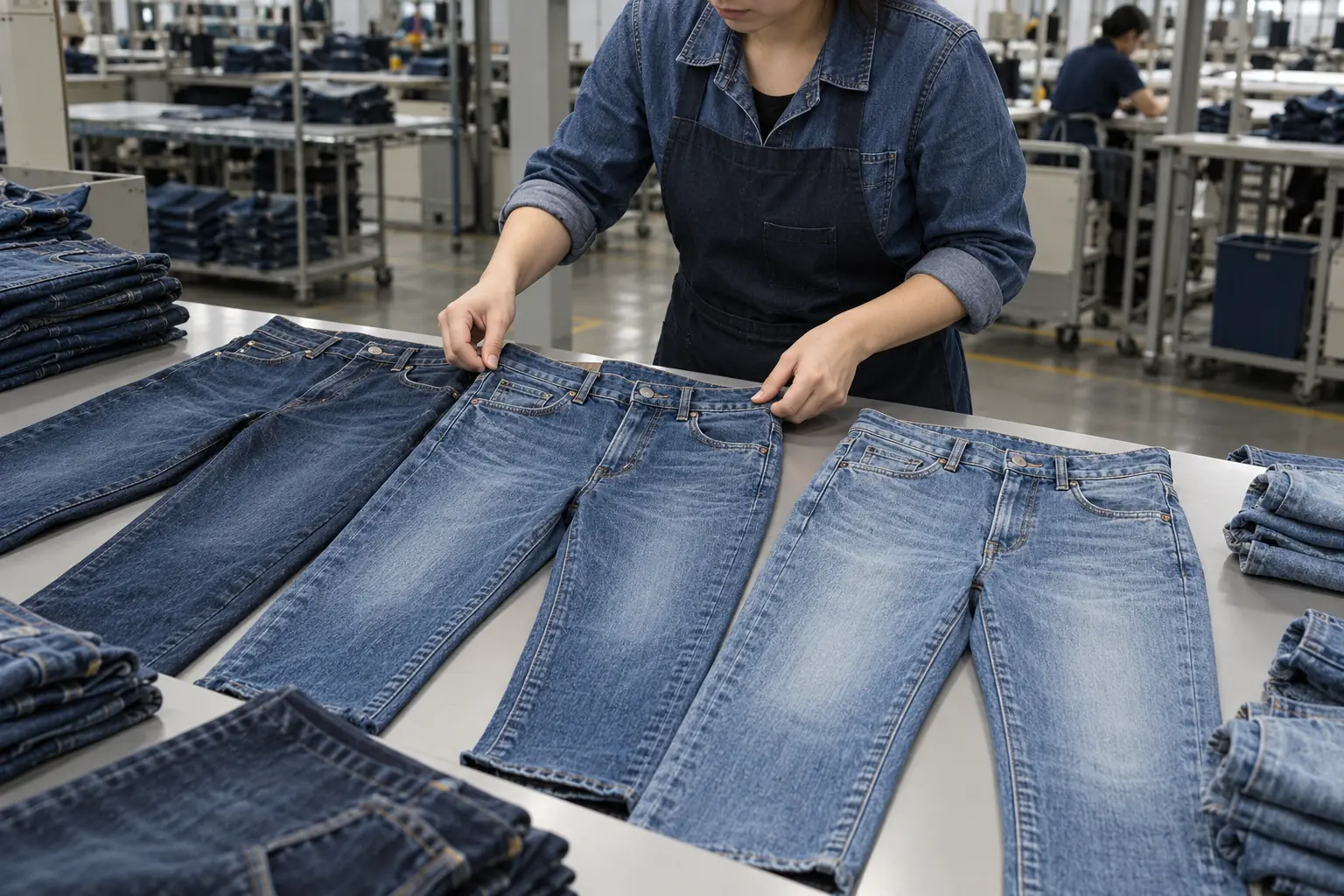
Ask the factory to record the variables it considers critical, such as load size, recipe version, processing time, and drying conditions. You do not need to prescribe its proprietary process. You do need agreement that a material substitution or meaningful process change triggers review rather than silently inheriting an earlier approval.
If a batch misses the limits, hold it with its identity intact. Rewashing is not an automatic correction: it may affect dimensions, stretch recovery, seam appearance, or fabric strength. Require a proposed corrective trial and reassessment of affected properties before authorizing treatment of the entire held batch.
Inspect shade relationships before approving cartons
Write the inspection checklist while approval references are still being established. The plan should cover every shade group and wash batch, with quantities and escalation rules agreed per project. A random sample from the total order can miss a small, visibly different batch.
- Within each garment: compare left and right legs, front and back panels, waistbands, and pockets at equivalent areas. Separate intentional abrasion from unintended panel contrast.
- Within each batch: compare selected pieces together against the master and limits. Record both excessive lightness or darkness and unacceptable cast shifts.
- Across batches: lay garments side by side under the agreed conditions. Check whether individually acceptable groups create an excessive contrast when combined.
- For matching sets: inspect the actual pairing rule. A shirt and trouser approved separately may still fail the customer’s outfit expectation.
- After corrective treatment: recheck relevant measurements and construction, alongside shade. Keep the original batch identity linked to the correction record.
- Before packing: confirm that held pieces cannot enter released cartons and that agreed shade grouping remains identifiable.
Use clear dispositions: release, hold for buyer review, or reject against the agreed standard. Avoid vague comments such as “almost okay.” Any concession should identify the affected quantity and batch, the accepted deviation, and whether it applies only to this shipment. One exception should not quietly become the next order’s target.
Budget for shade control in the first purchase order
Ask how fabric segregation, retained references, initial-batch review, and grouped packing affect the proposed schedule and quote. Several shades within one style can fragment a small order into processing groups that need separate assessment. Confirm feasibility before promising a delivery date or a perfectly matched assortment to retailers.
At StitchQuote, denim starts from 100 pieces per style; most other categories start from 50. A seven-day sample is available for standard styles with confirmed specifications and available materials. Complex styles, custom washes, and custom-developed fabrics take longer. Treat sample timing and production shade validation as separate discussions.
StitchQuote’s services include cut-and-sew, private label, sampling, fabric and trim sourcing, branding through woven labels, prints, and embroidery, and QC before packing. Put your proposed shade controls into the project brief and confirm the specific workflow. A general QC service description does not establish your acceptance limits or carton grouping requirements.
Questions buyers ask when shade limits meet production
Can two acceptable shade groups share one carton?
Yes, if the agreed merchandising plan permits it. For coordinated outfits or store allocations requiring close matches, specify separate groups and identifiable packing records. Acceptance of both groups does not automatically mean that mixing them supports your selling plan.
Does keeping fabric from one dye lot guarantee a match?
No. It reduces one source of variation, but roll differences and finishing conditions still need evaluation. Preserve roll identity and assess finished garments; the supplier’s lot designation alone cannot demonstrate that every washed piece meets your agreed boundary.
What should remain on file for a repeat order?
Retain the approved master, limit references, fabric specification, finish version, and batch decisions. Evaluate replenishment fabric against those references before committing to bulk. An old recipe is useful process information, but new material still needs evidence of the resulting appearance.
Related reading and project planning:
- Document shade requirements in your tech pack
- Plan sampling and minimum order quantities
- Understand denim wash approval
- Discuss your first denim order with StitchQuote
Request a manufacturing quote
Share your product type, quantity range, and destination. We usually reply within one business day.