Custom Streetwear, Casualwear & Denim Manufacturer•MOQ 50 pcs•Denim MOQ 100 pcs•7-Day Sample Available

How to Screen a Factory Before You Send a Full Brief
Use this factory-side guide to compare screen a factory before you send a full brief more clearly across supplier fit, quote scope, approvals, and timing before you.

A full apparel brief can contain your graded measurements, original artwork, construction details and launch plans. Sending that package to every possible supplier creates administration before you know who can use it. An initial factory screen should answer a narrower question: does this supplier deserve a place in your sampling shortlist?
To screen a factory before you send a full brief, share enough information to expose technical and commercial mismatches, then request evidence tied to your product. Keep final pattern files and production artwork for the next stage. The aim is a documented decision to proceed, clarify or stop—not a production quote based on incomplete information.
Build a screening card that reveals constraints, not the whole collection
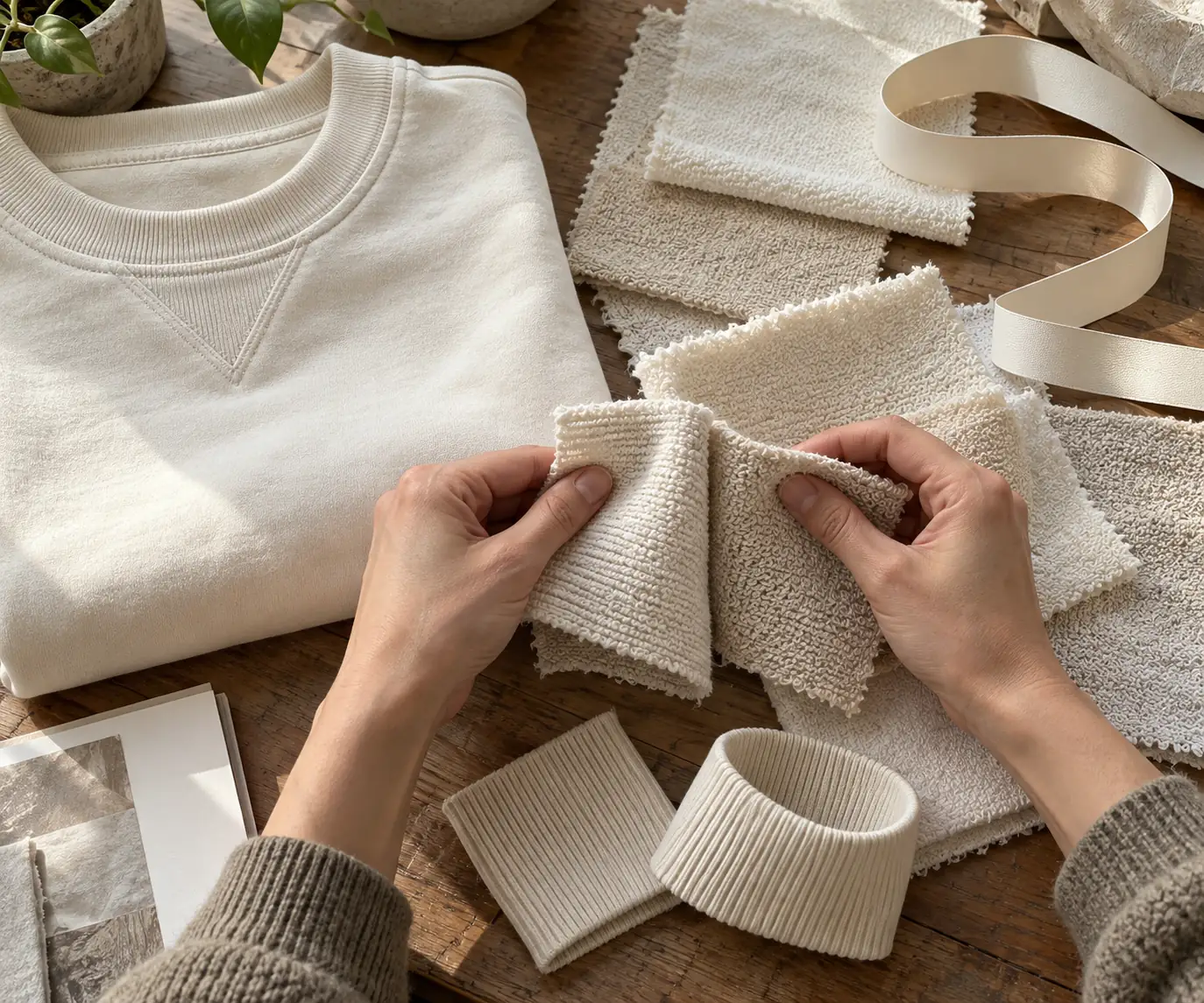
Prepare one page for a representative style. Include garment category, intended fit, approximate fabric weight and composition, decoration method, order quantity, color count and desired delivery window. Identify which details are fixed and which remain open. A supplier cannot distinguish an essential feature from a suggestion unless you label it.
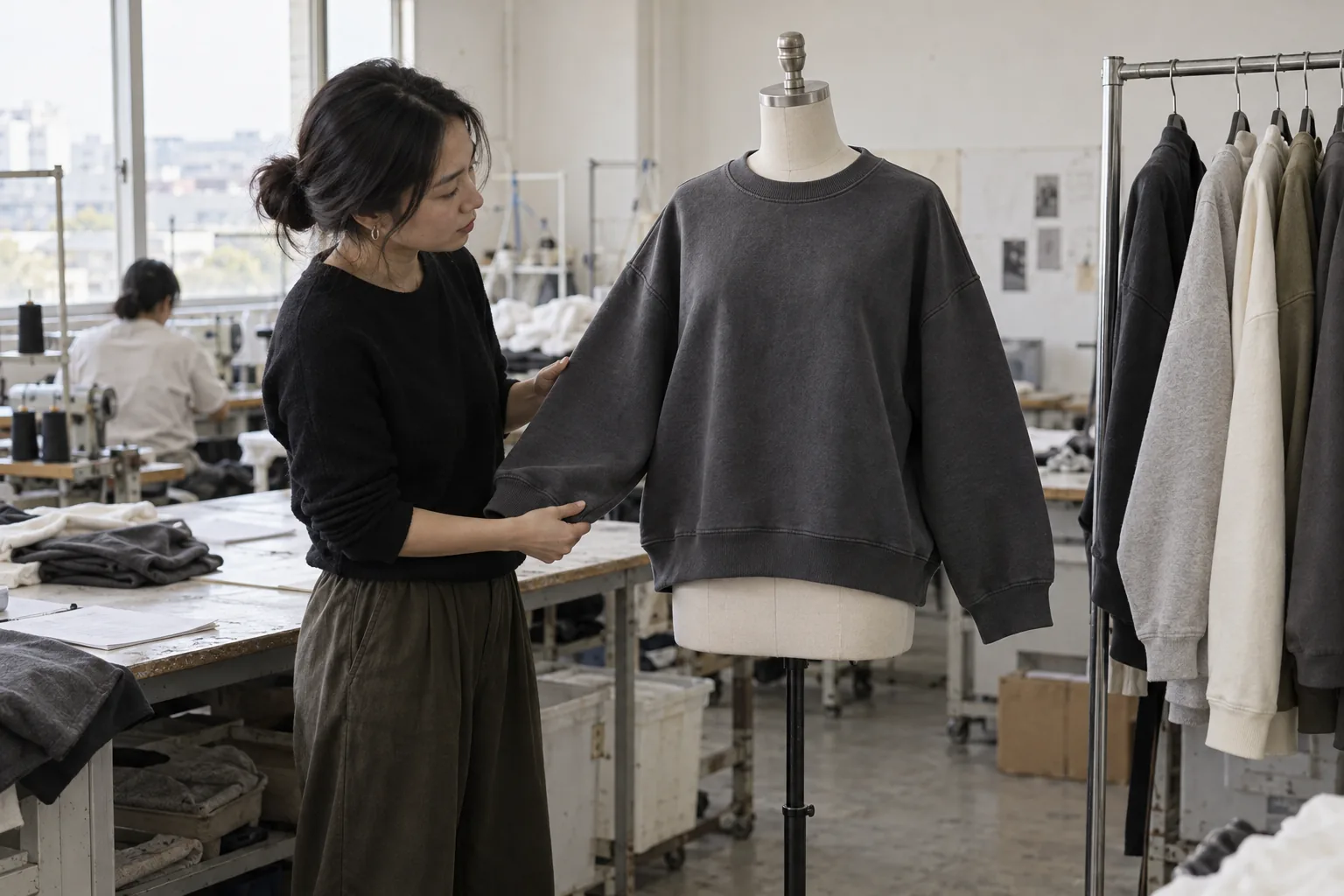
For example, describe a boxy sweatshirt as cotton-rich loopback jersey, approximately 380 gsm, with a ribbed neck, dropped shoulder and small chest embroidery. State that 80 pieces across two colors is the proposed order, and that the fabric weight is provisional. This exposes material, embroidery and color-minimum questions without releasing the entire measurement chart.
Add one difficult feature if it matters to the collection: a lined hood, concealed zipper or unusually deep hem. Omitting it can produce a false positive. Ask for a feasibility response with assumptions, rather than a binding price. Keep the same card for every candidate so differences in answers reflect supplier fit instead of different inputs.
Ask for proof of the operation most likely to fail
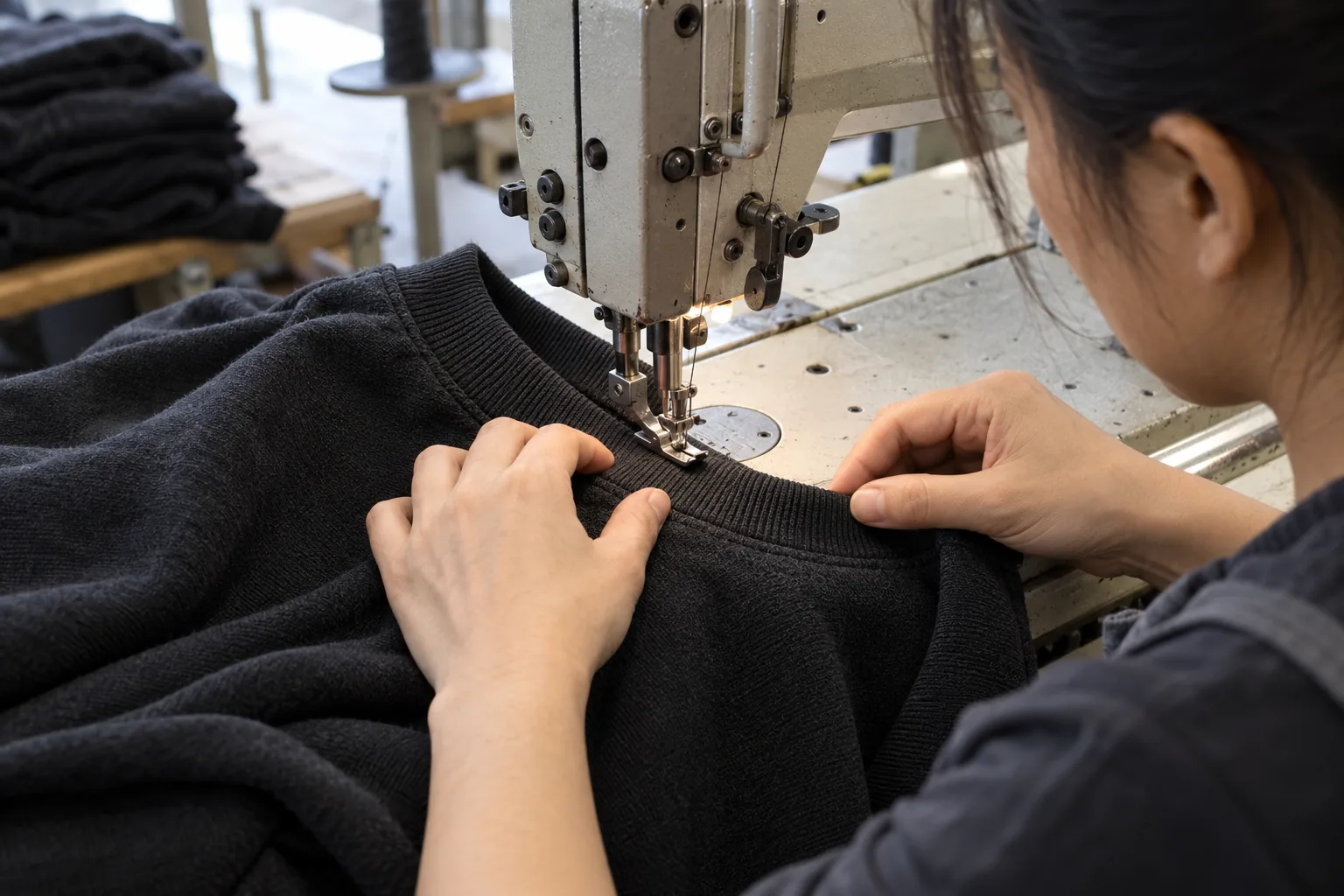
A gallery of finished garments establishes very little about your riskiest operation. Choose one feature and request close views of a comparable construction, inside and outside. For heavyweight knits, examine the neckline seam, shoulder stabilization and hem. For denim, ask how the waistband, pocket corners and bulky seam intersections are handled.
Request images of supplier-owned or permission-cleared work; you do not need another brand’s confidential files. A short demonstration using an unbranded garment or scrap panel may be more useful than a polished catalog. Ask what fabric the example uses and which operations the supplier performed. A photograph alone does not establish production ownership.
Follow with a diagnostic question: “What would you check before embroidering this design on loopback fabric?” A useful answer may discuss backing, stitch density, puckering and a trial panel. The value lies in how the supplier connects a specific operation to a test, not how confidently it promises that everything is possible.
Separate order minimums from material and color minimums
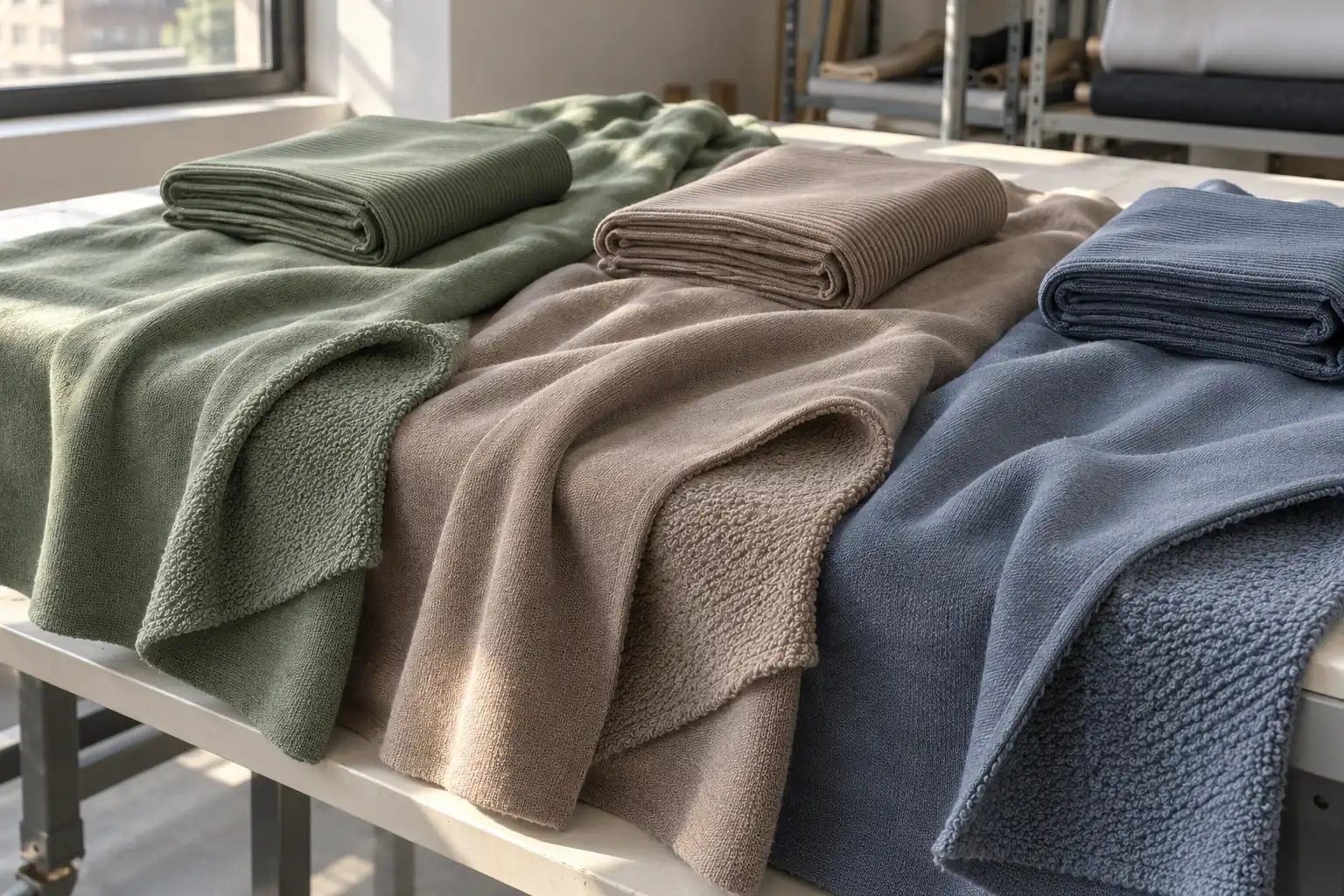
A headline garment MOQ does not settle whether your proposed assortment works. Ask whether the minimum applies per style, per color or per fabric, and whether sizes can be mixed within it. Then ask about matching rib, custom zipper pulls, printed labels and other components that may carry separate purchasing conditions.
StitchQuote’s MOQ for most categories starts from 50 pieces per style; denim starts from 100 pieces per style. These starting points still require confirmation against your color split, materials and construction. An 80-piece sweatshirt enquiry therefore needs an assortment check, while an 80-piece denim enquiry falls below the stated denim starting point.
| Proposed requirement | Screening question | Decision evidence |
|---|---|---|
| Two body colors | Can this quantity be split between them? | Written quantity conditions for each color |
| Matching rib | Is a suitable match available with the body fabric? | Swatch route and any separate minimum |
| Custom hardware | Would an available component avoid a separate order? | Two feasible sourcing options |
Treat flexibility as a design decision. Accepting an available fabric may improve feasibility, but it can change hand feel, recovery or shade. Record that compromise before comparing suppliers.
Trace the sample handoff before discussing a launch date
Ask who receives the screening card, who checks construction feasibility and who consolidates sample comments. These can be roles rather than personal names at this stage. Also ask which operations happen internally and which involve outside partners, particularly washing, printing or embroidery. External processing is not automatically a problem; unclear responsibility makes corrections harder.
A practical response should distinguish material confirmation, sample construction, review and any revision. Ask what starts the sample clock: payment, approved specifications, material availability or another agreed condition. A supplier quoting a short duration without defining the starting point has left a major scheduling assumption unresolved.
StitchQuote offers a 7-day sample for standard styles with confirmed specifications and available materials. Complex styles, custom washes and custom-developed fabrics take longer. During screening, ask which category your proposed style belongs to and what information is still needed to establish that. Do not turn a conditional sample duration into a promised bulk delivery date.
One useful test is to change a single assumption, such as replacing available jersey with a custom-developed fabric. The supplier should explain which sourcing and approval steps change. That explanation reveals more planning discipline than an immediate revised deadline.
Use a QC conversation as an early capability check
You are not approving a quality plan yet. You are checking whether the supplier can turn product concerns into measurable inspection points. Ask for a blank inspection format or an anonymized example, then discuss three checks relevant to the screening card. Avoid requesting a generic assurance that every garment is “high quality.”
- Measurement method: Ask how chest width and body length would be measured, including garment position and measurement landmarks. A proposed chest-width tolerance of ±1 cm is an illustrative discussion point, not a universal acceptance limit; agree tolerances during development.
- Wash behavior: For a washable knit, ask how before-and-after measurements would be recorded under an agreed wash and drying method. A shrinkage result has little meaning without those conditions.
- Decoration appearance: Ask how embroidery puckering, backing visibility and placement would be checked against an approved reference.
- Shade control: Ask how body fabric and rib would be compared, and how shade differences between material lots would be handled.
- Correction records: Ask who documents a defect, who authorizes the remedy and how the corrected piece is rechecked.
StitchQuote’s services include QC before packing. The screening discussion should still establish what project-specific checks would be agreed before production. An inspection stage and a defined acceptance standard answer different questions; you need both as the project progresses.
Make the shortlist decision from unresolved risks
Put each candidate into one of three groups: proceed, clarify or stop. Proceed when category evidence, quantity conditions and development responsibilities are coherent. Clarify when a missing swatch or unanswered question could change the decision. Stop when a fixed requirement conflicts with the supplier’s stated capability or minimum.
Keep a short decision record containing the evidence received, open assumptions and the next action. Do not use response speed as a substitute for technical relevance. A quick acknowledgement is useful, but a slower reply that identifies a matching-rib constraint can prevent wasted sampling.
Once a supplier passes, send a controlled brief with a version date and a list of decisions still open. Request a detailed quotation and sample plan against that version. StitchQuote provides cut-and-sew, private label, sampling, fabric and trim sourcing, and branding through woven labels, prints and embroidery. Confirm which of those services your project needs rather than assuming every activity belongs in the same scope.
Questions buyers ask before releasing detailed files
Can a factory be screened without sharing original artwork?
Yes. Describe the decoration method, approximate dimensions, placement and complexity using a neutral reference. Disclose features that affect feasibility, such as dense fill or fine lettering. Final artwork will still be necessary for accurate development and approval.
What if the supplier requests a complete tech pack immediately?
Ask which missing details prevent an initial fit assessment. Some constructions genuinely require a cross-section or measurement to evaluate. Share the relevant extract where practical; distinguish a reasonable technical request from a requirement to submit every collection file.
Should a good screening response trigger a bulk order?
No. Screening earns the next development step. A sample, agreed specifications and documented approval remain necessary to evaluate the actual garment. Comparable work and thoughtful answers cannot prove that your particular combination of fit, fabric and decoration is ready for production.
How should two equally suitable candidates be compared?
Give both the same development inputs and compare their stated assumptions, sample scope and unresolved risks. If you commission samples, use the same review criteria. Choose according to your fixed requirements rather than the quantity of marketing material supplied.
Related reading and next steps:
- Find category-relevant streetwear manufacturing candidates
- Review sampling and MOQ considerations
- Prepare the detailed tech pack after shortlisting
- Contact StitchQuote with your screening requirements
Request a manufacturing quote
Share your product type, quantity range, and destination. We usually reply within one business day.