Custom Streetwear, Casualwear & Denim Manufacturer•MOQ 50 pcs•Denim MOQ 100 pcs•7-Day Sample Available

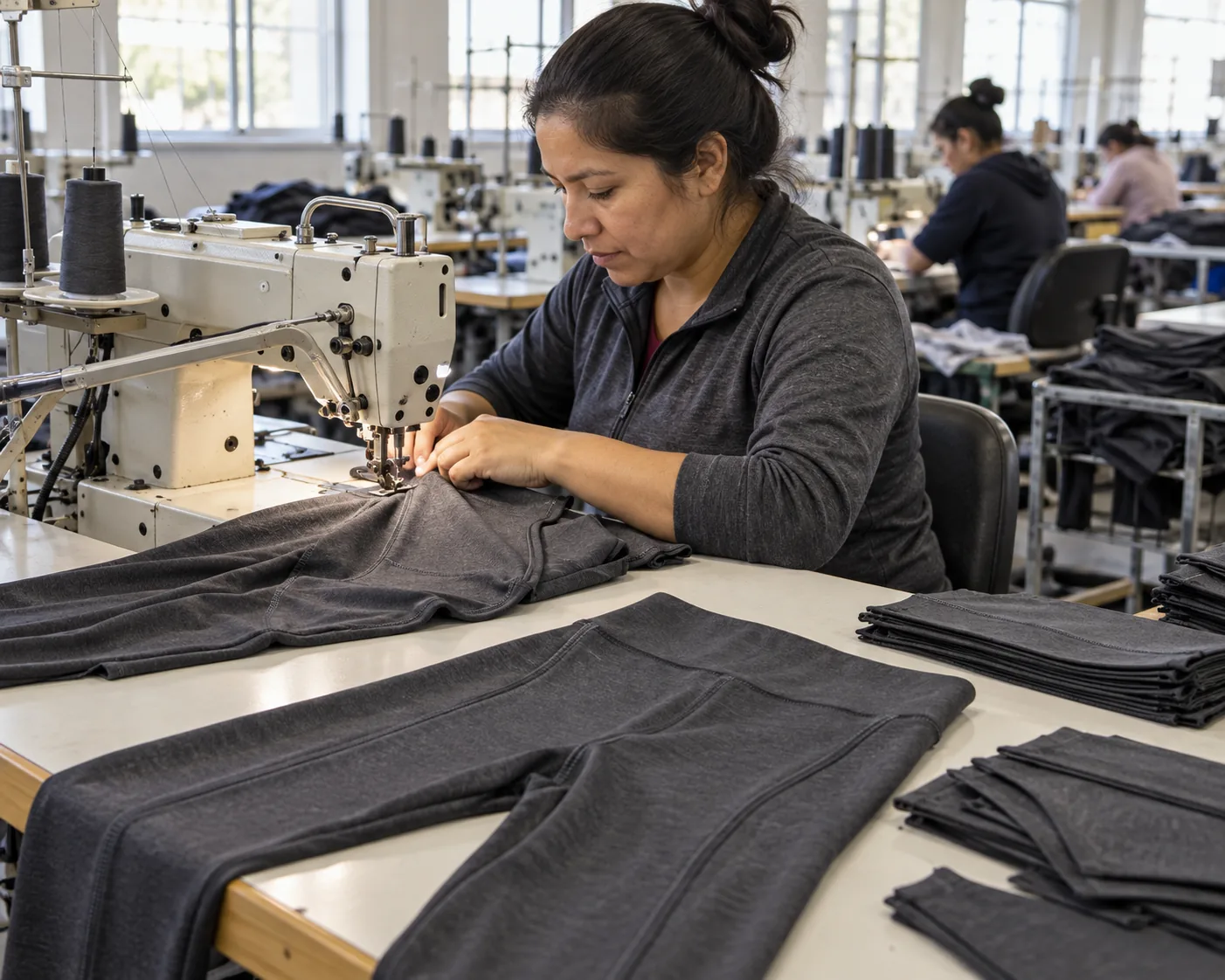
How the EU’s Polyamide Yarn Duty Could Affect Activewear Buyers
Understand how the EU's March 2026 polyamide yarn duty could affect activewear and lingerie buyers through cost, fabric planning, and sourcing decisions.

For activewear buyers assessing the EU’s polyamide yarn duty, the useful purchasing question is how much approved fabric becomes saleable garments. A higher material quotation matters, but its effect depends on usable width, cutting efficiency, defects and the quantity that survives production checks. Two fabrics with the same price per kilogram can deliver different costs per accepted pair of leggings.
Before changing a nylon-rich fabric, build a yield comparison around one actual style and its planned size mix. This makes the discussion specific: which supply route is exposed, how many metres are required, and whether a proposed saving remains after cutting and quality losses. The aim is to protect material efficiency without weakening fit, coverage or recovery.
Separate yarn exposure from the garment consumption calculation
A yarn-stage trade measure is not automatically a surcharge on every finished garment containing polyamide. Applicability depends on the goods crossing the border, their classification, origin and the measure in force at import. Ask the relevant importer or customs adviser to confirm current scope and treatment; do not use an old announcement as the basis for a purchase order.
Map the route in simple terms: where yarn is sourced, where fabric is knitted and finished, and where garments are cut and sewn. If a supplier attributes a fabric increase to duty, request the affected input and the quotation assumptions. A commercial price adjustment and a legally payable import duty are different entries in your costing sheet.
Then separate the material rate from consumption. Ask for the quote unit, finished width, usable cutting width, weight, minimum fabric purchase and validity period. Keep the original specification alongside any substitute. Without that baseline, a cheaper quotation may conceal narrower fabric or a heavier construction that changes the number of garments obtainable from each kilogram.
Translate the fabric quotation into accepted units
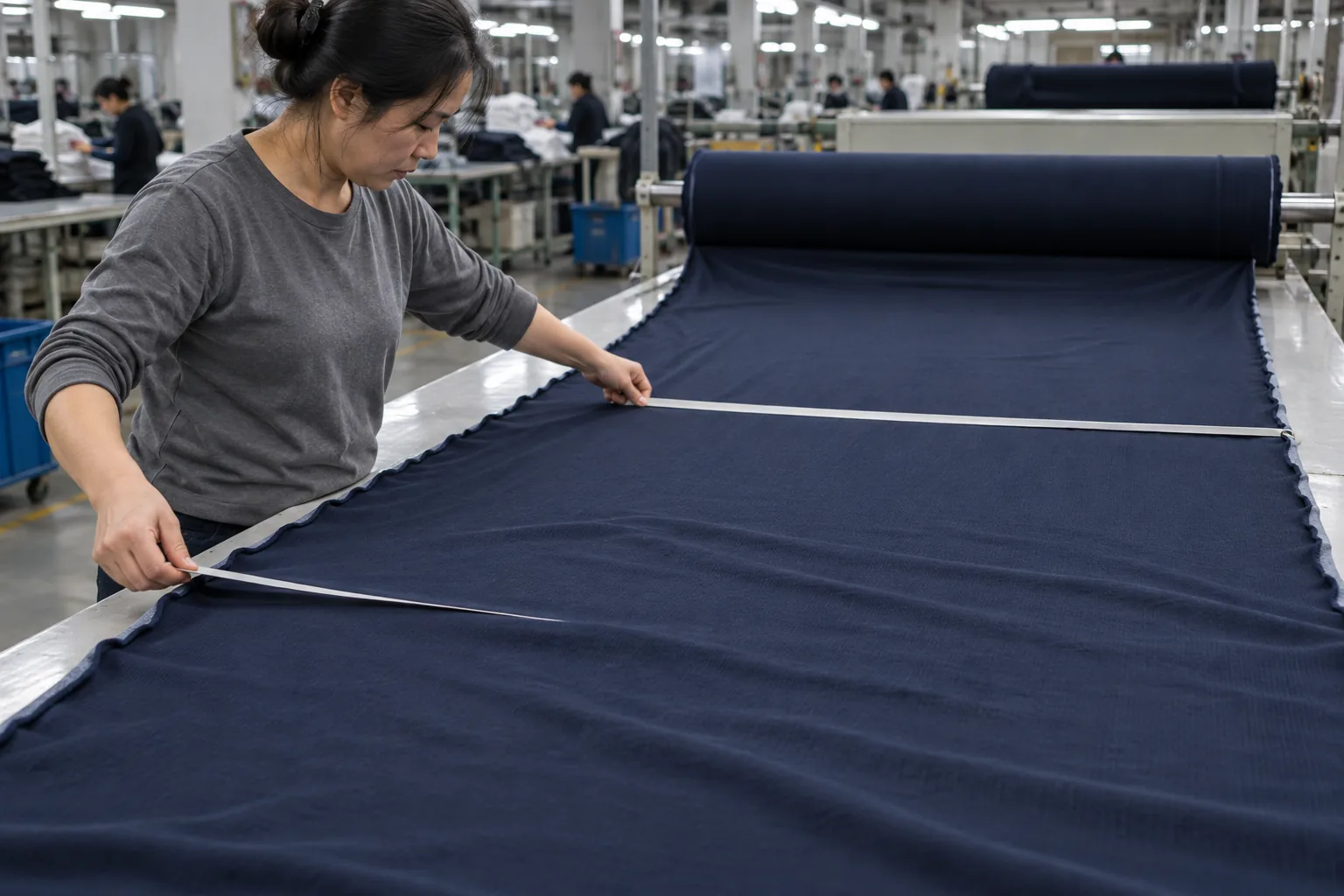
Define yield as accepted garments divided by purchased material, using a consistent unit. For a fabric sold by weight, first estimate its equivalent length. One linear metre at 1.50 metres full width and 240 grams per square metre weighs 0.36 kilograms. One kilogram therefore represents approximately 2.78 linear metres before allowances. These are illustrative calculations, not a production guarantee.
Use full supplied width for that weight conversion, but usable width for the cutting layout. If edge damage or curling removes 4 centimetres on each side, the marker must fit inside 1.42 metres. Confusing supplied and usable width makes a spreadsheet look efficient while the cutting room runs short.
| Illustrative input | Fabric A | Fabric B |
|---|---|---|
| Finished weight | 240 gsm | 240 gsm |
| Full supplied width | 150 cm | 150 cm |
| Usable cutting width | 142 cm | 146 cm |
| Trial marker consumption per garment | 0.90 m | 0.86 m |
| Units from 900 usable metres, before sewing losses | 1,000 | 1,046 whole units |
The marker figures above are hypothetical outputs from separate layouts, not a formula linking width to savings. At equal price per metre, B uses about 4.4% less fabric per garment. Confirm the result with actual patterns: an extra few centimetres help only when pieces can occupy that space.
Make the size assortment part of the marker trial
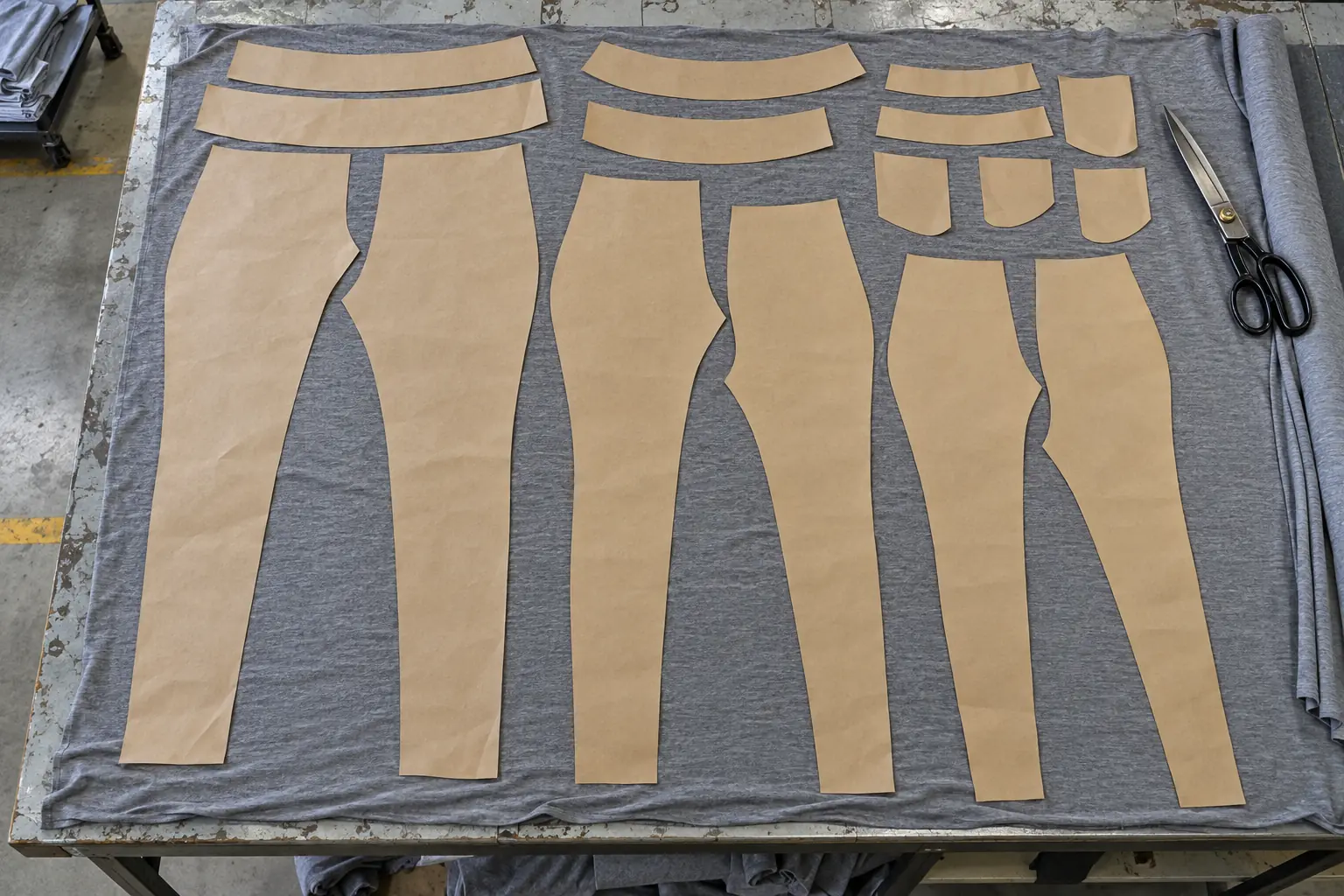
A marker is the arrangement of pattern pieces inside the cutting width. Request a trial using approved patterns and the intended size ratio, rather than a single medium sample. Larger thigh panels, curved waistbands and pocket bags can leave gaps that smaller pieces cannot fill. A shift toward larger sizes may change average consumption even when the garment design stays identical.
Consider a legging order with a high-rise waistband and two side pockets. Ask the cutter to compare the original layout with one using a revised pocket-bag shape. Keep pocket capacity, seam clearance and stretch direction fixed. This tests a controllable design detail without silently reducing coverage or changing the fit block.
Record restrictions before accepting the better marker: face direction, nap, print placement and whether pieces may rotate. A layout that turns one leg against a directional surface can create visible shading after sewing. Also include every self-fabric component. Leaving gussets or waistband inner pieces outside the consumption calculation produces an attractive but incomplete yield figure.
Approve replacements through relaxation and performance gates
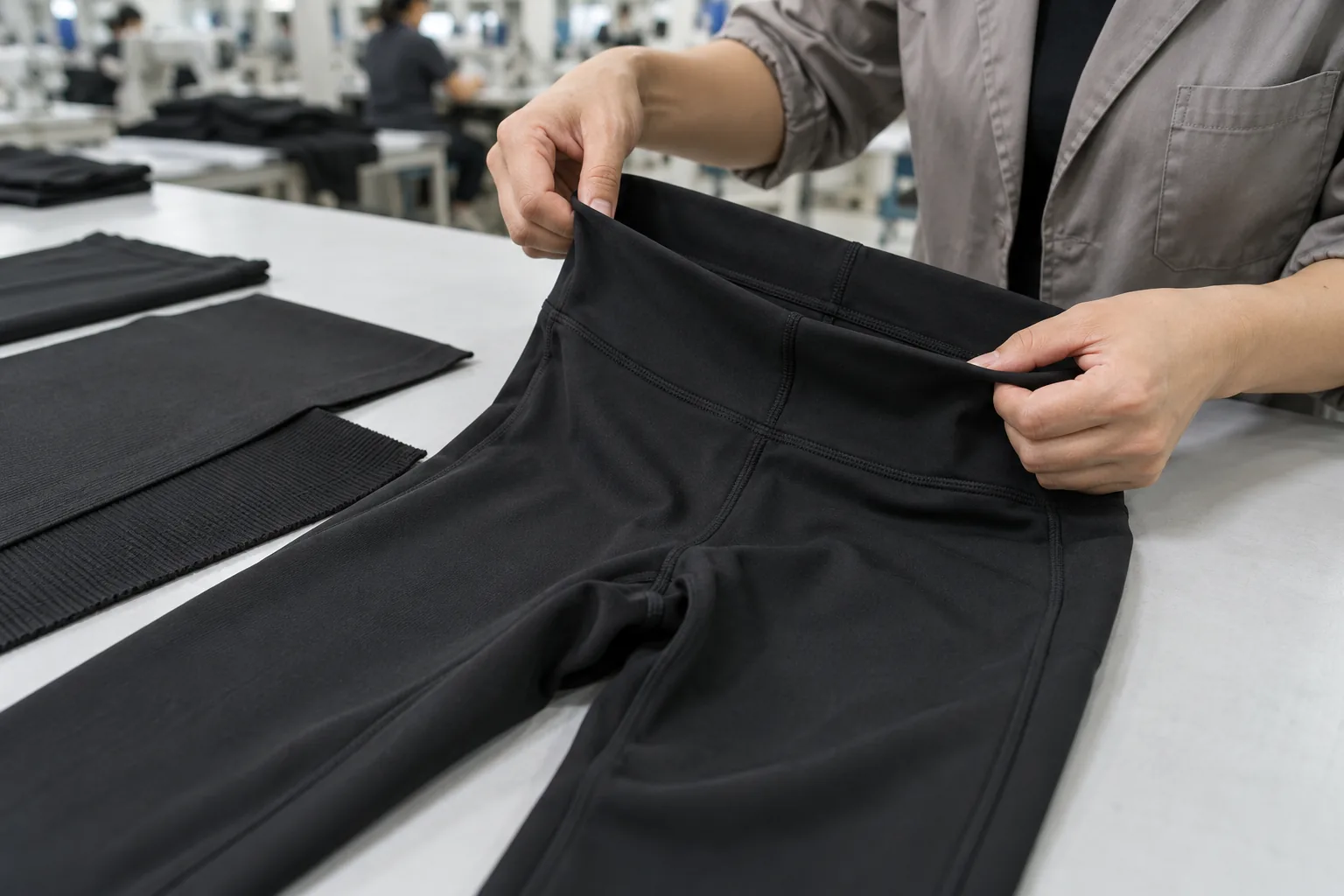
A substitute polyamide blend may match composition and nominal weight while behaving differently in production. Knit structure, finishing and elastane behaviour affect curling, extension and recovery. Compare material after the agreed relaxation procedure, recording roll identity, elapsed time and measurement conditions. Ask the supplier to recommend a procedure, then verify it in the sample room.
Measure a marked test panel before and after the agreed care cycle in both directions. If a 50-centimetre length becomes 48.5 centimetres, lengthwise shrinkage is 3%. That observation does not automatically justify enlarging every pattern by 3%; the pattern technician must assess fit, crosswise change and sewing effects together. Any compensation changes marker consumption and should trigger another layout.
Set acceptance criteria before comparing results. For example, a buyer might propose a finished waist measurement tolerance of ±1 centimetre, subject to confirmation for the style and measurement method. Coverage under extension, seam strength, colourfastness and recovery also need agreed methods and limits. A lighter fabric that increases see-through complaints is not a yield improvement merely because more metres fit into a kilogram.
Use a loss checklist before releasing the bulk cut
Purchased length, cut output and accepted garments belong in separate records. Track losses by cause so the team can distinguish a material problem from a planning error. Otherwise, an unexplained allowance can absorb preventable waste and make the next quote difficult to challenge.
- Incoming rolls: verify length or weight, usable width, shade grouping and visible defects. Record where flaws occur so the cutting team can avoid affected areas.
- Relaxed material: check width again after relaxation. Confirm that the marker fits without stretching the fabric to reach its assumed width.
- Spreading and cutting: count end losses, damaged edges and recut panels separately. Check ply alignment and cut-panel dimensions before releasing bundles.
- Sewing: inspect for skipped stitches, needle damage and seam distortion. Record whether repairs consume replacement panels or only sewing time.
- Finished acceptance: check measurements, shade consistency, appearance and agreed functional requirements. Separate repairable units from rejected garments when reporting yield.
For illustration, a plan needing 900 metres of usable material requires approximately 928 purchased metres if 3% of purchased length is expected to be unusable: 900 divided by 0.97. If the marker already includes certain losses, do not add them twice. Apply any garment rejection allowance separately and base both allowances on trial evidence or relevant production records.
Negotiate a yield-backed decision before committing fabric
Compare three options on the same worksheet: retain the fabric at its revised rate, improve the layout with the existing fabric, or qualify an alternative. Include sample work, testing, purchased material, expected accepted quantity and leftover stock. State which inputs are measured and which remain estimates. A provisional saving should not become a firm purchasing assumption.
Keep garment MOQ separate from fabric availability. StitchQuote’s MOQ for most categories starts from 50 pieces per style, but that does not establish the purchase quantity for a particular fabric or colour. Ask how available stock, custom development and the proposed size assortment affect the material commitment. Small runs can leave meaningful unused balances even with efficient cutting.
StitchQuote provides sampling, fabric and trim sourcing, cut-and-sew, private label, branding and QC before packing. A 7-day sample is available for standard styles with confirmed specifications and available materials; complex styles, custom washes and custom-developed fabrics take longer. Use the sample stage to settle performance and consumption assumptions before approving bulk material.
Questions buyers ask when yield changes the sourcing decision
Can a wider fabric justify a higher quotation?
Yes, if a verified marker reduces consumption enough to offset the rate increase. Compare total material cost per accepted garment, including unusable material and leftovers. Width alone is insufficient: the patterns must actually fit more efficiently within it.
Should we reduce gsm to recover the cost increase?
Only after checking coverage, support, recovery and wear performance. Lower weight changes metres per kilogram, but may also change product behaviour. Recalculate consumption using the new fabric’s measured width and weight, then approve the garment against the original performance brief.
What evidence should accompany a supplier’s yield claim?
Request the marker layout, pattern revision, size ratio, usable width and directional restrictions, plus the allowance basis. Ask whether the result comes from a digital estimate or an actual cutting trial. Keep those records with the approved material specification.
How should we handle uncertainty while the duty position develops?
Give quotations an explicit validity date and identify which material assumptions require reconfirmation before purchase. Have the importer verify current legal treatment independently. Preserve the approved fabric and marker records so a later commercial update can be assessed without restarting the entire technical comparison.
Related reading
- Prepare the specifications for a consumption review
- Plan sampling and minimum order quantities
- Understand GSM through the hoodie fabric weight guide
- Discuss your fabric and garment brief with StitchQuote
Request a manufacturing quote
Share your product type, quantity range, and destination. We usually reply within one business day.