Custom Streetwear, Casualwear & Denim Manufacturer•MOQ 50 pcs•Denim MOQ 100 pcs•7-Day Sample Available

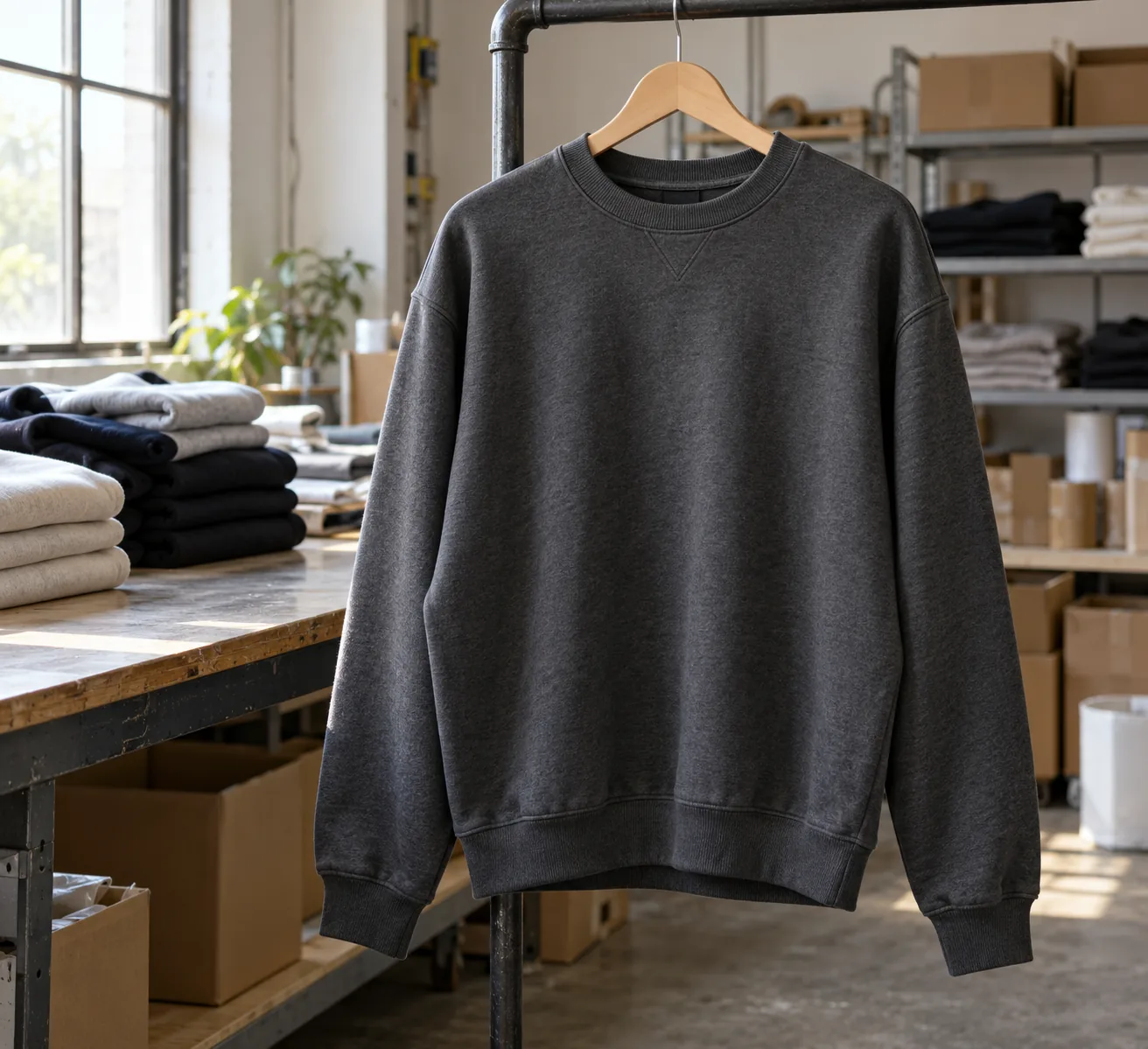
Clothing Manufacturer for Startup Streetwear Brands: What Matters Most First
Understand clothing manufacturer for startup streetwear brands through fit, fabric, decoration, and production logic so streetwear and premium basics buyers can make.

Choosing a clothing manufacturer for startup streetwear brands often begins with a spreadsheet of unit prices. The problem is that each price may describe a different garment. One factory includes a developed pattern and neck labels; another assumes an existing block, stock rib, and undecorated fabric. Ranking those numbers can reward the supplier who has left the most decisions unresolved.
For a first launch, the useful comparison is narrower: what will each supplier charge to deliver the same approved specification, at the same quantity, with the same responsibilities? Build that comparison before paying for competing samples. It exposes assumptions while they are still inexpensive to change and helps you decide which quotation deserves a development budget.
Choose one launch garment as your quotation baseline
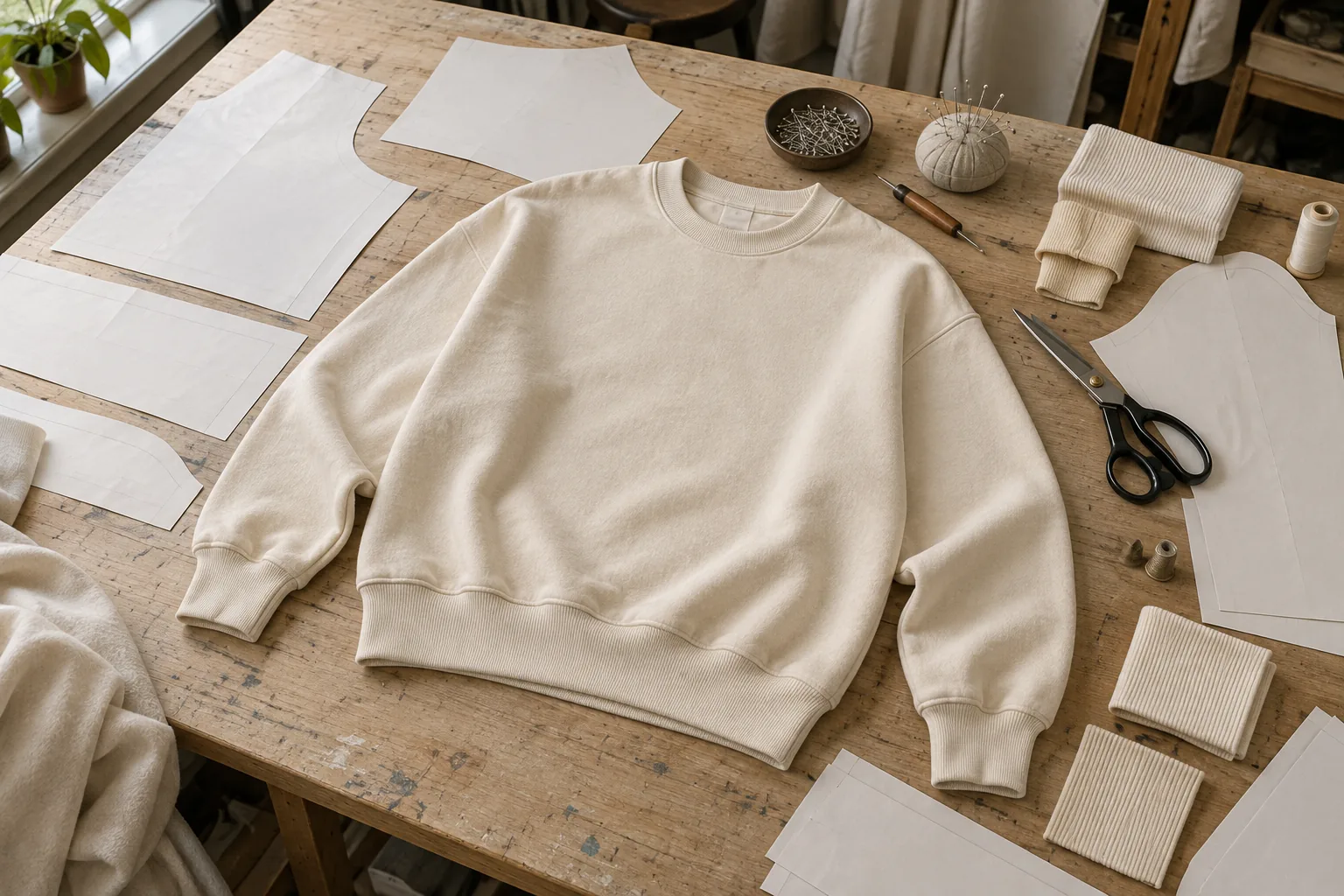
A small collection can conceal large differences in scope. Start with one representative product, such as a washed crewneck with dropped shoulders, rather than asking factories to price a mood board containing tees, cargo pants, and jackets. Give the style a code and specification revision so every response refers to an identifiable brief.
For an illustrative crewneck, specify 100 units, one color, sizes XS–XL, and an explicit quantity for each size. Define the fabric as cotton French terry with a target finished weight of 360 gsm, then state whether brushing, garment washing, or preshrinking is required. These are example purchasing requirements, not universal recommendations.
Attach front and back flats, construction details, artwork dimensions, and a measurement sheet. Distinguish mandatory features from alternatives you would consider. If a factory suggests a lighter stock fabric, request a separate alternative quotation; keep its original response tied to the baseline. Otherwise, a useful suggestion quietly becomes an unfair price advantage.
Specify the hidden choices inside “the same fabric”
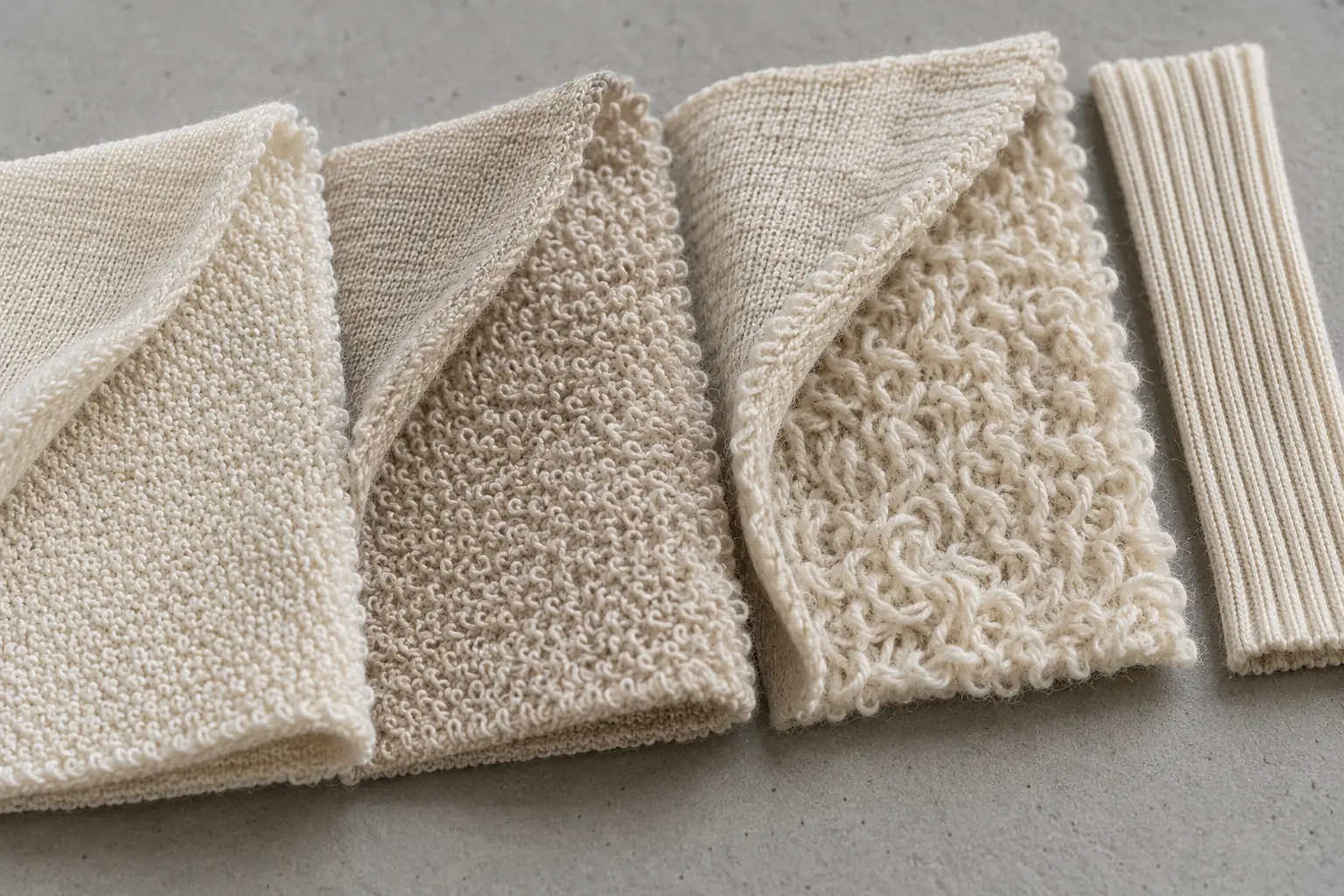
Two fabrics described as 360 gsm French terry may differ in yarn, loop structure, dimensional stability, and surface feel. Request composition, knit construction, finishing route, and whether the quoted material is stocked or requires development. Ask suppliers to identify unresolved properties instead of treating missing information as approval to substitute.
State whether weight refers to the finished fabric before cutting or the garment after washing. For a washed style, define the approved appearance with a physical reference where possible. A phone photograph can communicate direction, but lighting and screen settings make it unreliable as the sole color standard.
Include the collar, cuffs, and hem rib in the comparison. A supplier quoting stock rib may not match the recovery or shade of a separately developed option. Specify rib composition, finished dimensions, and the desired recovery performance for confirmation during sampling. Record any proposed substitution beside its effect on cost and schedule.
For decoration, replace “small chest print” with artwork, finished dimensions, placement measurements, color count, and technique. A 90 mm one-color screen print and a dense embroidered badge are different production requests even when they occupy the same area.
Make every factory return the same cost breakdown
Send a short response template alongside the specification. Ask each supplier to mark every item as included, excluded, provisional, or unavailable. An empty cell needs clarification. Do not assume a factory includes a service because another supplier includes it.
| Comparison line | What the response must identify |
|---|---|
| Garment production | Fabric, cutting, sewing, wash, decoration, labels, and individual packing |
| Development | Pattern, sample quantity, grading, revision scope, and any bulk credit |
| Order basis | Units per style and color, size split, and permitted quantity variation |
| Delivery basis | Currency, named delivery point, freight scope, and applicable trade term |
| Conditions | Validity period, payment stages, material assumptions, and exclusions |
Separate one-time development charges from recurring production costs. For a first-order comparison, add mandatory development, setup, packing, and delivery charges within a consistently defined boundary. Divide by the same ordered quantity. Keep uncertain freight or import charges visibly provisional rather than disguising estimates as firm totals.
Also retain the recurring unit cost separately. A factory with a higher initial development charge may compare differently on a repeat order, but a startup should not justify today’s cash requirement using hypothetical future volume. Compare the order you can actually place.
Normalize quantity and timing before ranking the offers
A quotation for 300 pieces is not a lower-cost answer to a 100-piece brief unless you intend to purchase the extra stock. Ask for your launch quantity first and optional volume tiers second. Confirm whether minimums apply per style, color, fabric, or decoration; a garment minimum does not automatically resolve material purchasing constraints.
At StitchQuote, MOQ for most categories starts from 50 pieces per style; denim starts from 100 pieces per style. Confirm the proposed color split and material requirements for the particular order. Do not assume that the starting minimum means every custom fabric or wash is feasible at that quantity.
Compare schedules using the same starting event. “Seven days” could mean after specification confirmation, material arrival, or payment. StitchQuote has a 7-day sample available for standard styles with confirmed specifications and available materials. Complex styles, custom washes, and custom-developed fabrics take longer. Sample timing should not be treated as a bulk delivery commitment.
Ask each factory to separate material preparation, sampling, buyer approval, bulk production, and dispatch. Identify which stages depend on your response. This makes a deadline assessable and reveals whether a faster offer relies on unapproved fabric or fewer revision rounds.
Use the sample to audit the quotation
The sample is evidence of what the price buys. Order it against the same revision used for the quotation, and request a list of deviations before evaluating fit or appearance. If sampling uses substitute fabric, it may support a construction review while leaving drape, shrinkage, and wash appearance unresolved.
Agree measurable acceptance criteria with the selected supplier. For example, a buyer might propose a finished half-chest measurement of 62 cm with a tolerance of ±1 cm, measured flat after an agreed conditioning period. That is an illustrative requirement to negotiate, not a StitchQuote standard. Different measurement points may need different tolerances.
Use this checklist to connect quality decisions to commercial scope:
- Measurements: Record the measuring method, size, target, tolerance, and actual result for each critical point.
- Wash behavior: Compare dimensions and appearance before and after an agreed wash and drying procedure; set acceptable change per project.
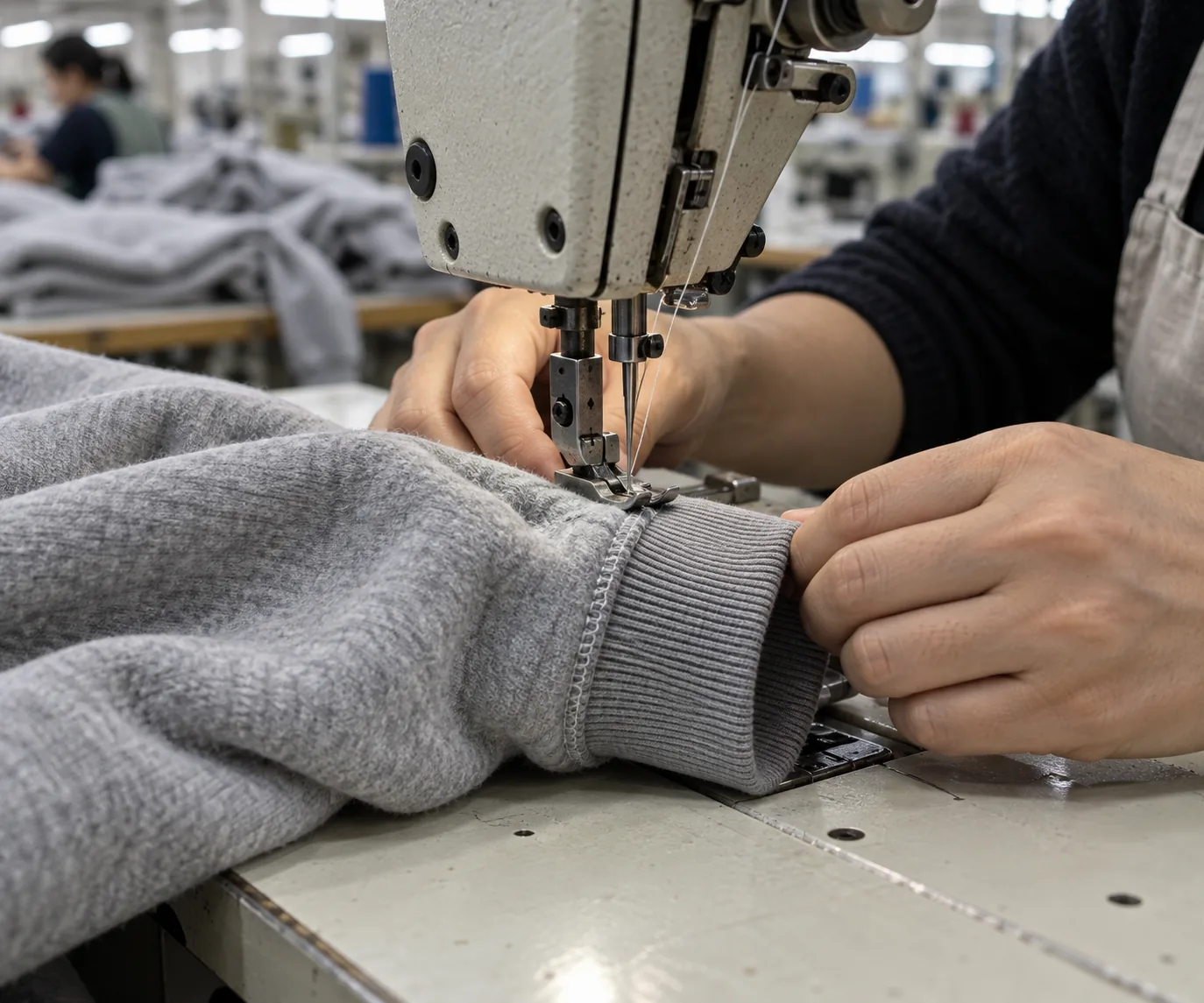
- Construction: Check seam stretch, skipped stitches, neckline symmetry, rib attachment, and puckering around decoration.
- Branding: Verify artwork scale, placement, label orientation, and the approved print or embroidery finish.
- Packing: Confirm size identification, folding, individual packaging, and carton requirements against quoted inclusions.
- Deviations: Assign each discrepancy a correction, responsible party, and decision on whether the price or timing changes.
StitchQuote services include cut-and-sew, private label, sampling, fabric and trim sourcing, branding through woven labels, prints and embroidery, and QC before packing. For your order, confirm the inspection scope and how findings will be shared. A general QC inclusion does not replace agreed product criteria or a documented response to defects.
Resolve the last quotation gaps before a deposit
What if a supplier cannot price the exact fabric yet?
Keep the offer provisional and ask what evidence will make it firm: a sourcing confirmation, approved swatch, or finished sample. Request the assumptions behind any estimate. Compare provisional offers separately until material availability and specifications are resolved; apparent savings can disappear when the actual fabric is selected.
Should I send another factory’s quotation to negotiate?
You can explain your budget gap without circulating another supplier’s commercial document. Ask the factory to price clearly defined changes, such as removing a wash or using an approved stock trim. Evaluate each alternative against the original baseline so you understand which product features fund the reduction.
Does one successful sample prove the full size range?
No. A sample in one size establishes only part of the fit evidence. Confirm the grading rules and whether additional sizes need checking before bulk approval. Ask whether those samples and grading work are included, especially when the silhouette depends on sleeve volume or a tightly controlled cropped length.
What should the final accepted quote reference?
It should identify the specification revision, approved sample and deviations, quantity breakdown, included services, payment stages, and delivery basis. If sampling changes the garment, obtain an updated quotation before committing. Keep one agreed record that connects the product you approved to the amount you will pay.
For the next step, use these resources to assemble the brief, check ordering requirements, or discuss the same specification with StitchQuote.
- Prepare a tech pack for comparable quotations
- Review sampling and MOQ requirements
- Assess a cut-and-sew streetwear manufacturer’s fit
- Discuss your specification and quote request
Request a manufacturing quote
Share your product type, quantity range, and destination. We usually reply within one business day.