Custom Streetwear, Casualwear & Denim Manufacturer•MOQ 50 pcs•Denim MOQ 100 pcs•7-Day Sample Available

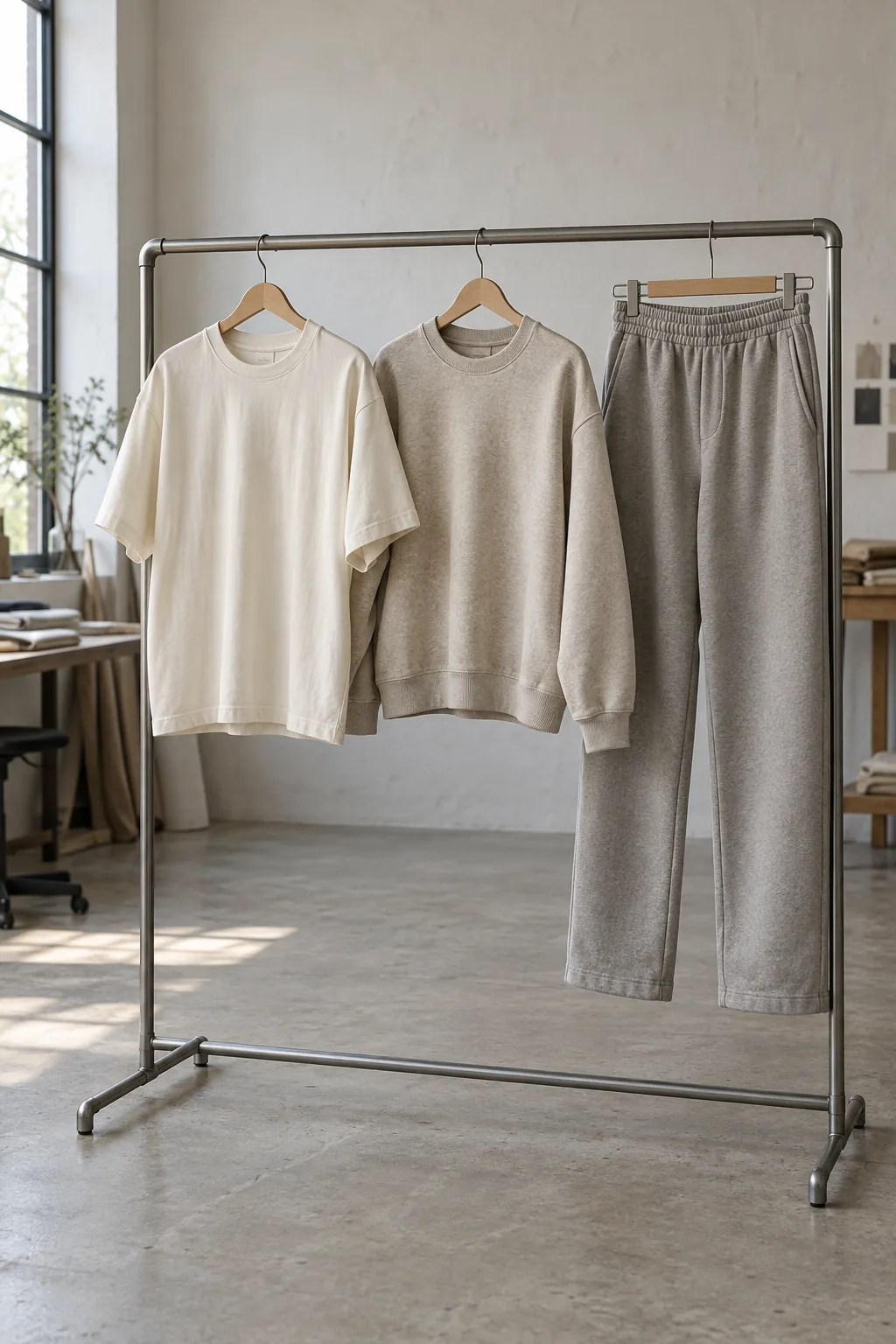
Private Label Clothing Manufacturer for Premium Basics Brands
Use this factory-side guide to compare private label clothing manufacturer for premium basics brands more clearly across supplier fit, quote scope, approvals, and.

A first premium basics collection needs a clear product promise before it needs more styles. Buyers may notice a clean neckline, balanced proportions and a substantial hand feel, but those qualities must survive washing and repeat consistently across sizes. The launch brief should turn that promise into a small group of garments with defined jobs, measurable standards and manageable production requirements.
Choosing a private label clothing manufacturer for premium basics brands therefore starts with collection scope: what belongs in the first drop, what can share development work and what should wait. A tightly edited range gives you room to resolve fit and fabric behavior before committing inventory to multiple versions of an unproven idea.
Build the launch around one outfit and one fit promise
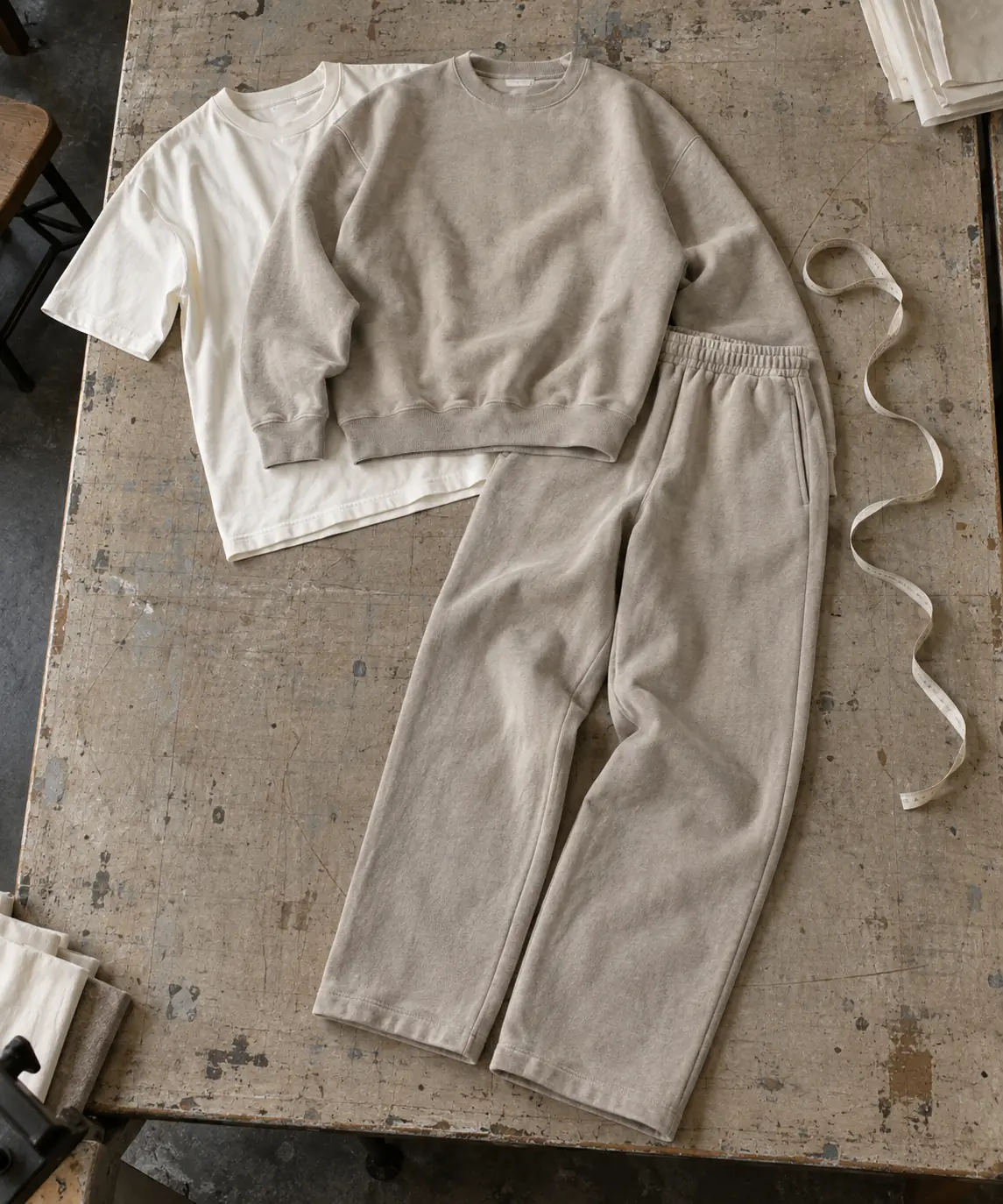
Start with a customer situation rather than a category list. For example, a brand serving customers who want relaxed everyday clothing might launch a heavyweight tee, a crewneck sweatshirt and a straight-leg sweatpant. The tee establishes the silhouette, while the fleece pieces create a coordinated outfit. Adding a polo, zip hoodie and woven trouser immediately would introduce more construction systems before the core proposition has been tested.
Write one fit sentence that applies across the range: “Relaxed through the body, with controlled lengths and no oversized sleeve opening.” Then translate it separately for each garment. A tee might need extra chest ease without extra body length; a sweatpant might need thigh room while retaining a stable waistband. Shared language should guide distinct patterns, not force identical proportions.
Give every proposed style a reason to exist. If two tees differ only by a small logo placement, consider launching one and postponing the other. Keep a deferred-style list so editing the collection feels like sequencing development rather than abandoning ideas.
Count production commitments before counting products
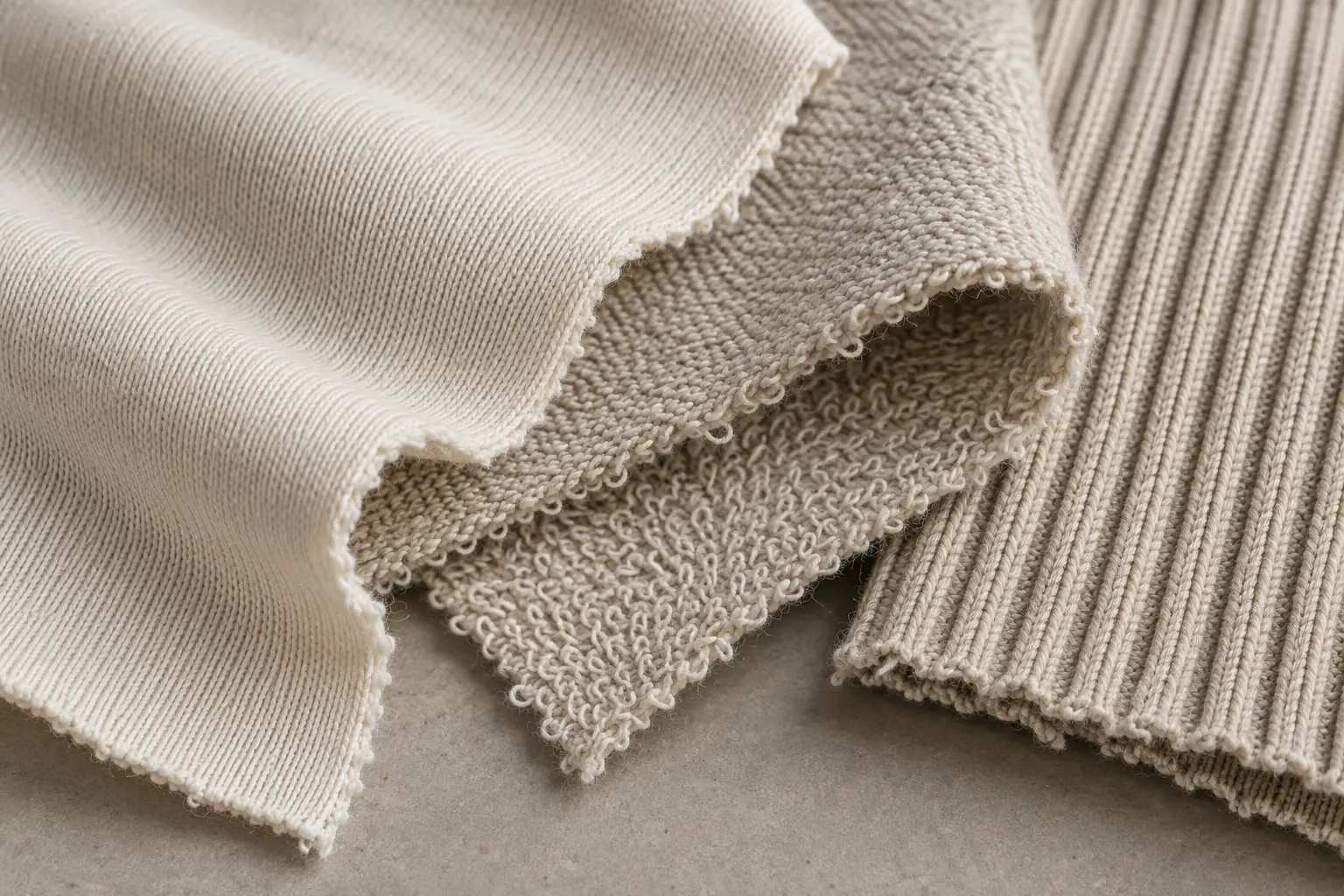
Three styles can still create a complicated order. At two colors and five sizes each, they generate 30 stock-keeping units. That arithmetic describes inventory variety; it does not establish the minimum order quantity for each color or size. Ask how the proposed order can be divided before setting the assortment in your store.
StitchQuote’s MOQ for most categories starts from 50 pieces per style; denim starts from 100 pieces per style. Confirm the applicable minimum and permitted allocation for your project. Do not assume a starting style minimum means any fabric, color split or custom trim is available at that quantity.
| Proposed launch item | Scope to confirm | Reason to defer expansion |
|---|---|---|
| Core tee | One jersey, one fit block, two colors | Another weight needs separate fit and wash evaluation |
| Crewneck sweatshirt | One fleece with compatible neck and cuff rib | A new finish may alter hand feel and dimensions |
| Sweatpant | Shared fleece candidate, separate waistband specification | Extra pocket treatments add sampling decisions |
Separate garment quantity from material commitments. Request confirmation of fabric availability, dyeing requirements, rib sourcing and branded trim quantities. A shared fleece may simplify purchasing, but different performance requirements can still make a separate material necessary.
Spend the premium on touchpoints customers can judge
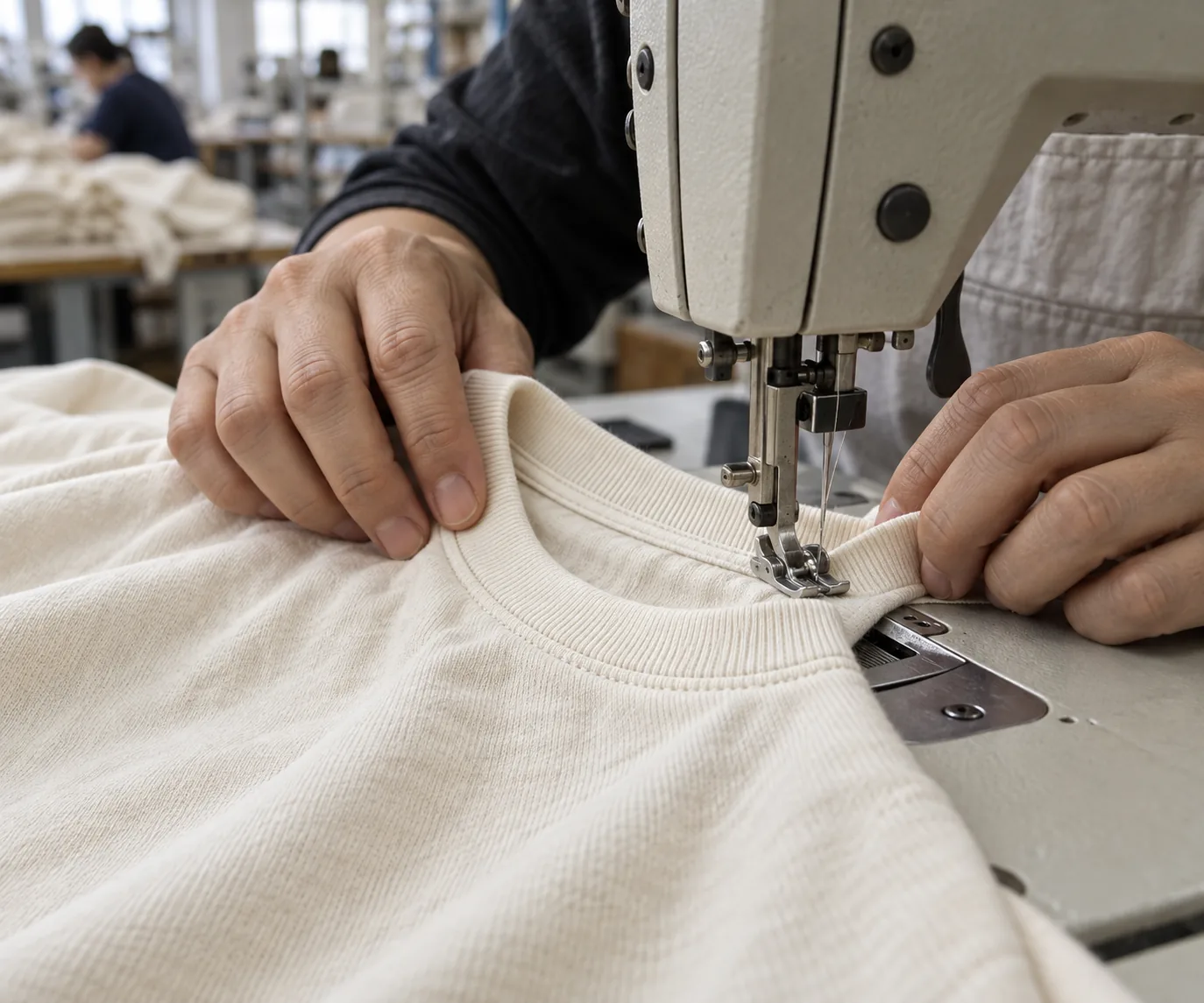
Choose two or three visible or tactile quality priorities per style. For a tee, these could be an opaque body fabric, a neckline that lies flat and smooth hems. For a sweatshirt, prioritize a stable collar, comfortable interior and cuffs with suitable recovery. “Premium” alone is not an instruction a sample room can reproduce.
An illustrative tee brief might begin with cotton single jersey around 240 gsm and a 22 mm finished neckband. These are development starting points, not universal quality thresholds. Specify whether weight refers to finished fabric, how the neckband width is measured and which reference garment communicates the desired feel. Heavier fabric can feel rigid, and a narrow neck opening can make an otherwise relaxed tee uncomfortable.
Evaluate construction against fabric behavior. Agree on seam type, reinforcement points and acceptable seam appearance with the manufacturer. Excessive stitch density can distort some knits; a heavier rib can pull a neckline out of shape. Ask the sample to prove the combination instead of approving components separately.
Keep launch branding deliberate. One woven label system and one consistent placement rule may be enough. Specify label dimensions, attachment and skin-contact position. Embroidery or prints should earn their place in the collection, with placement and backing assessed on the actual garment.
Develop a reference style before multiplying variations
Use the garment that best expresses the brand’s fit as the first development reference. For this example, resolve the tee’s shoulder position, chest width, sleeve shape and length before requesting additional tee variants. Fleece pieces still require their own patterns and approvals, but the approved tee helps communicate the intended overall proportions.
Provide a measurement sheet with diagrams, fabric requirements, construction notes and revision history. Define measurement conditions: laid flat, relaxed, fasteners closed where applicable. A chest measurement taken just below the armhole cannot be compared reliably with one taken several centimeters lower. Record the point of measurement as carefully as the number.
Check a base size and selected sizes near the ends of the range before approving the size set. A consistent grading increment does not guarantee consistent appearance. Sleeve openings can become too wide at larger sizes, while a fixed pocket size may look disproportionate on smaller sweatpants.
StitchQuote offers a 7-day sample for standard styles with confirmed specifications and available materials. Complex styles, custom washes and custom-developed fabrics take longer. Treat this as a conditional sampling option, and confirm whether material preparation, revisions and delivery affect your launch calendar.
Use a collection-level QC checklist before releasing bulk
Individual samples can look good while the collection feels inconsistent. Review the complete outfit together, then document acceptance criteria for bulk production. StitchQuote provides QC before packing; agree on the inspection scope and how deviations will be handled before production begins.
- Measurement agreement: Set tolerances by measurement point. An illustrative discussion could start at ±1 cm for laid-flat chest width and ±0.5 cm for finished neckband width, subject to construction and factory agreement. These are proposed limits, not StitchQuote specifications.
- Wash behavior: Record prewash measurements, the agreed care procedure and postwash measurements after a defined conditioning period. Calculate dimensional change as the measurement difference divided by the original measurement. Set acceptable shrinkage and twisting limits before testing.
- Outfit color: Compare sweatshirt and sweatpant under the same agreed lighting. Matching color names do not ensure matching appearance across different fabrics or finishes. Retain approved physical references for body fabric and rib.
- Functional recovery: Assess neck openings, cuffs and waistbands after wearing or an agreed stretch-and-recovery test. Document the method and acceptance limit so “feels loose” becomes an actionable finding.
- Surface and finish: Review seam puckering, skipped stitches, fabric defects, label attachment and trim placement. Define defect examples and the inspection method rather than expecting every inspector to interpret “clean finish” identically.
- Packing accuracy: Match garment size labels to packing identifiers and verify the approved color-and-size breakdown. Keep an approved sample and current specification version available for comparison.
When a criterion fails, identify whether the cause is material, pattern or sewing before changing the specification. Increasing garment length to compensate for uncontrolled shrinkage may conceal the problem in one size while leaving the rest of the range inconsistent.
Freeze the assortment with a quote-ready scope sheet
Create a single summary listing styles, quantities by color and size, fabric references, branding, approved sample status and unresolved decisions. Mark each requirement as confirmed or awaiting confirmation. This keeps a late request for a new wash from being mistaken for a minor adjustment to an approved order.
Ask the quote to identify what it includes and which assumptions remain open, particularly material sourcing, sampling, branding and packing. StitchQuote’s services include cut-and-sew, private label, sampling, fabric and trim sourcing, woven labels, prints and embroidery. Select the services your first collection actually needs.
Freeze the collection only when the fit, material and quantity plan work together. If one style remains unresolved, evaluate postponing it rather than letting an optional item dictate the entire launch.
Questions buyers ask when editing a first basics range
Can one fabric cover both the sweatshirt and sweatpant?
Possibly, but test both uses. Sweatpants place different demands on knee recovery, seat opacity and pocket bulk. Approve the fabric in both garments before treating shared sourcing as settled.
Should every launch style come in every color?
No. A core color across the outfit can establish cohesion, while an additional tee color provides choice. Confirm order allocation first and avoid extending a color solely to make the assortment symmetrical.
When does a second tee fit belong in the range?
Add it when it serves a distinct customer need you can describe and support with quantities. A cropped fit may justify separate development; a barely different body width may only fragment demand.
What should wait until the first reorder?
Consider deferring custom-developed fabric, extra branding treatments or additional silhouettes when they do not define the launch promise. Use actual fit feedback and sales by size to prioritize the next development brief.
Related reading and project planning
- Prepare the technical pack for your edited collection
- Review sampling and minimum-order planning
- Explore private label manufacturing services
- Discuss your first collection with StitchQuote
Request a manufacturing quote
Share your product type, quantity range, and destination. We usually reply within one business day.