Custom Streetwear, Casualwear & Denim Manufacturer•MOQ 50 pcs•Denim MOQ 100 pcs•7-Day Sample Available

What Buyers Should Ask About Communication, Sampling, and MOQ in China
Use this factory-side guide to compare what buyers should ask about communication, sampling, and moq in china more clearly across supplier fit, quote scope.

A sample can arrive looking almost right and still leave a buyer unsure what to approve. The sleeve feels short, the pocket opening looks uneven, and a wash change discussed in a message never reached the sample room. Before choosing a manufacturer in China, ask how observations become written instructions, who resolves conflicting feedback, and what evidence closes each correction.
A disciplined comment sheet connects communication, sample development, and minimum order decisions. It gives every revision an identity and prevents a fit approval from accidentally authorizing a material substitution or a larger order. Use the questions below when evaluating a supplier or preparing comments on your first sample.
Ask which document controls the next sample
Start with a direct question: “If our chat, marked photographs, and specification file disagree, which instruction will your sample team follow?” Agree on one released comment sheet referencing the current technical pack. Messages can clarify an issue, but decisions made there should enter the controlled record before cutting or sewing begins.
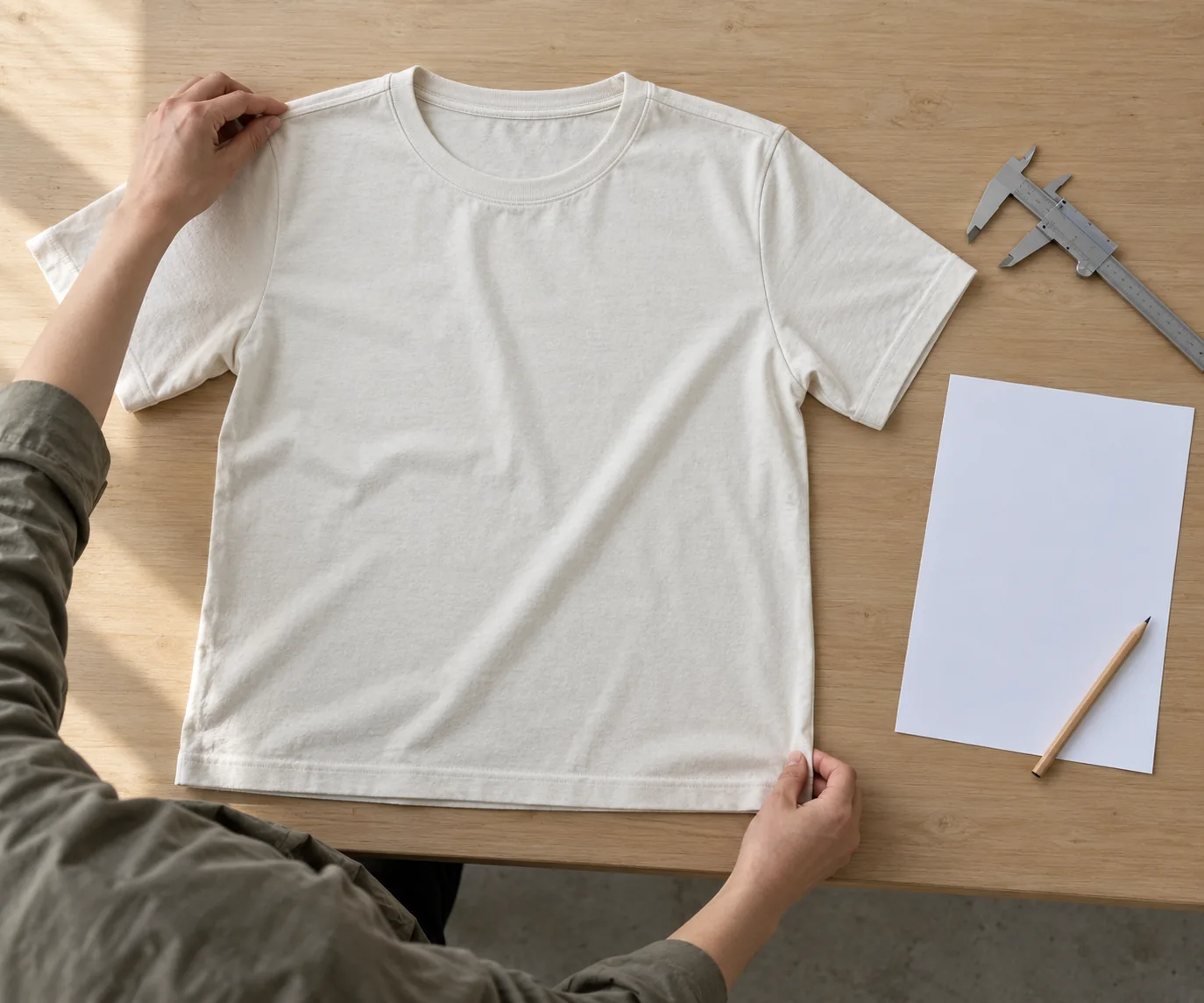
The header should identify the style code, sample round, sample size, specification revision, date, and review purpose. For example, a second fit sample for a boxy jersey top might be labeled JT24, round 02, size M, specification C. Record the actual fabric and finishing used; a substitute jersey may behave differently even when the pattern is unchanged.
Ask the supplier to return an acknowledgment listing accepted instructions, questions, and exceptions. “Received” confirms delivery, not technical agreement. Give one person on the brand side authority to release the consolidated sheet, and agree when that release becomes final for the next round. Later changes need a new revision and an explicit schedule review.
Turn each observation into a measurable instruction
“Improve the fit” is an observation without a production action. Each comment needs an issue number, location, observed condition, requested result, and verification method. Separate a correction back to the existing specification from a design change that creates a new target. The distinction affects whether the pattern, quotation, or both need review.
For measurements, specify the measuring method as well as the number. A body length measured from the high shoulder point is different from one measured at center back. Lay the garment flat without stretching, define whether it is washed or unwashed, and use the same method for both sample and target.
| Issue | Actionable comment | Closure evidence |
|---|---|---|
| Body length | Sample measures 66 cm; restore the existing 68 cm target from high shoulder point to hem. | Next sample measurement using the agreed method. |
| Pocket position | Move the pocket top edge 1 cm lower; retain approved pocket dimensions. | Flat photograph with ruler and updated placement drawing. |
| Neck opening | Investigate waviness after washing before changing opening width. | Before-and-after photographs and proposed construction correction. |
These are illustrative instructions, not universal specifications. Establish tolerances separately: a proposed ±0.5 cm tolerance on pocket placement may need discussion against the construction and appearance requirement. Do not convert every measured difference into a pattern adjustment; first check whether it came from measurement technique, sewing, pressing, or shrinkage.
Make conflicting feedback visible before work starts
Ask who consolidates feedback when design, merchandising, and fit reviewers disagree. One reviewer may ask for a narrower sleeve while another wants more room for layering. Sending both messages directly to different factory contacts creates competing instructions. The brand should resolve the target, then release one decision with the reason attached.
Keep photographs tied to issue numbers. Include a full garment view for orientation and a close view for the defect; identify the wearer’s left or right where relevant. Photograph fit with consistent posture and underlayers. A raised shoulder or bulky undershirt can make an unchanged sleeve appear to fit differently.
Request a written read-back for ambiguous comments: “Please explain the pattern or sewing change you propose for issue 06.” This is particularly useful across languages and time zones. Agree on response windows and escalation contacts, but distinguish a response deadline from a resolution deadline. A technical question may require a trial seam or material check before anyone can give a reliable answer.
Connect every revision to the quantity and timing assumptions
Ask, “Which comments change the basis of our quote or minimum order?” A request for a different drawcord, custom-dyed rib, or revised denim wash can introduce sourcing constraints even when the garment silhouette stays the same. Add a commercial-impact field to affected comments and leave it open until the supplier confirms the consequences.
StitchQuote’s MOQ for most categories starts from 50 pieces per style; denim starts from 100 pieces per style. Ask how your intended size and color allocation fits the specific project. A starting style minimum does not establish that every custom fabric, trim, or finish is available at that quantity.
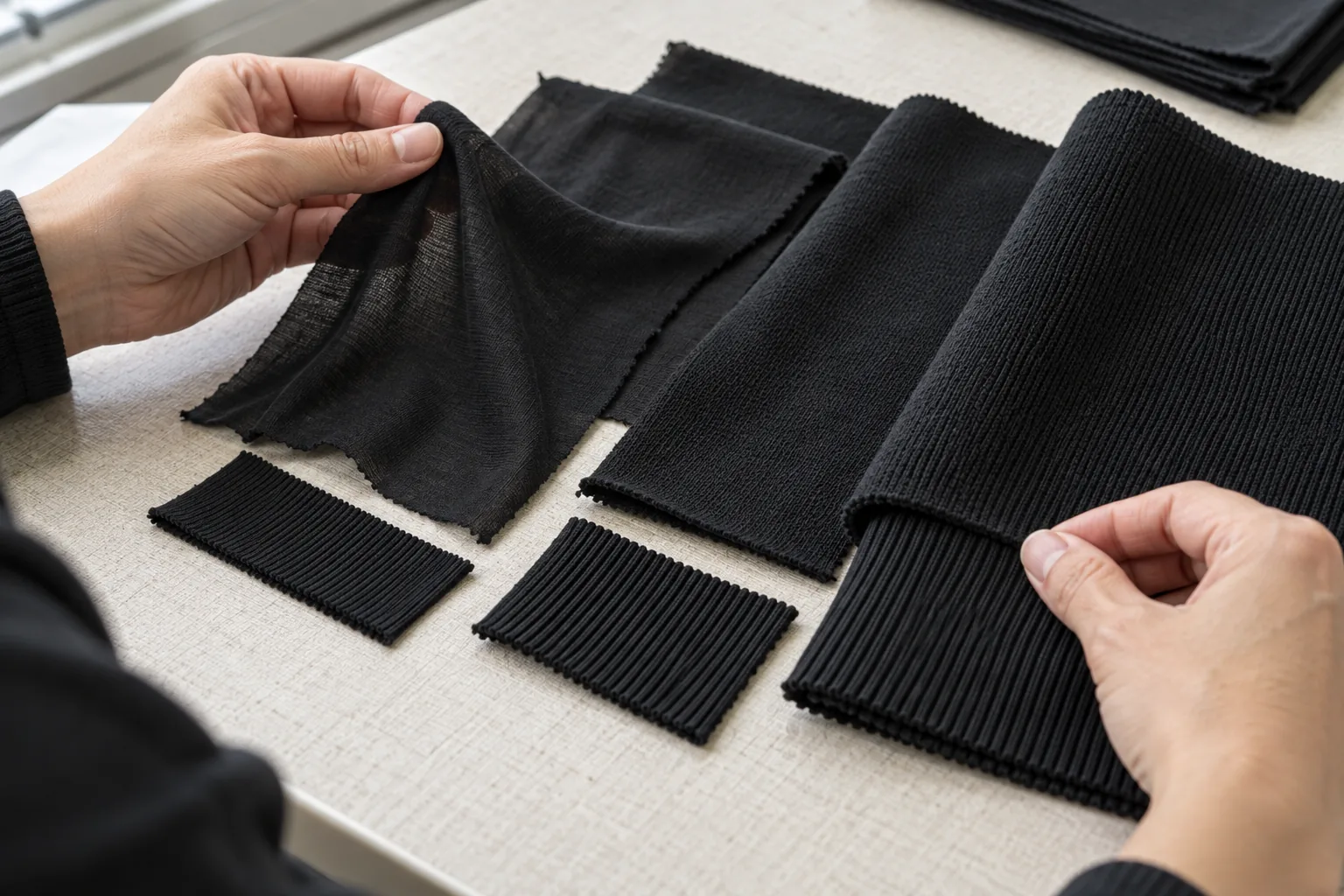
For example, replacing an available black rib with a specially matched rib may require a separate material discussion. Record whether the supplier proposes available stock, custom development, or a different composition. Ask for the quantity implications and obtain approval before treating the substitute as part of the specification.
StitchQuote offers a 7-day sample for standard styles with confirmed specifications and available materials. Complex styles, custom washes, and custom-developed fabric take longer. Ask what event starts the quoted sample period and whether your newly released comments alter it. Keep the sample completion date distinct from dispatch and delivery dates, and request a revised commitment when unresolved decisions prevent work from starting.
Close corrections with a sample review checklist
The next sample should answer the previous sheet, not restart the discussion from memory. Ask the supplier to report each issue as implemented, awaiting clarification, or proposed differently, with supporting evidence. The buyer then verifies closure. An implementation claim alone does not establish that fit, appearance, or performance meets the agreed target.
- Identity: Match the received garment to its round, size, fabric, finish, and specification revision.
- Measurements: Record actual results beside targets and agreed tolerances, using consistent garment conditioning and measuring methods.
- Construction: Inspect corrected seams, pocket attachment, hems, and reinforcement; check nearby areas for unintended effects.
- Appearance: Compare placement, symmetry, shade, and surface finish under consistent lighting.
- Behavior: Where relevant, repeat the agreed wash or wear assessment and record conditions rather than relying on “looks fine.”
- Disposition: Mark each issue closed, reopened, or pending, and identify the evidence needed for unresolved items.
If a sleeve correction improves reach but pulls the side seam forward, reopen the fit issue rather than approving only the requested measurement. Keep an approved reference sample and retain its supporting records. StitchQuote includes QC before packing; confirm how your approved specifications and critical checkpoints will be communicated for that inspection. Sample acceptance should not leave bulk inspection criteria undefined.
Release a defined approval instead of a blanket “OK”
Ask how the supplier records partial approvals. A buyer may accept pocket construction while withholding approval of the fabric shade. Write the accepted scope and outstanding items explicitly. Avoid “approved with comments” unless the document states whether another sample is required and which activities may proceed.
For a repeatable handoff, issue a final revision containing the agreed measurements, construction, materials, branding placement, and unresolved restrictions. Archive earlier sheets so superseded instructions cannot be mistaken for current ones. Request acknowledgment of the final revision before authorizing the next production stage.
StitchQuote provides cut-and-sew, private label, sampling, fabric and trim sourcing, and branding through woven labels, prints, and embroidery. Identify which services your project requires in the handoff. Each service can introduce an approval item: artwork scale, label placement, or thread color should have a named reference rather than an assumption carried over from a conversation.
Questions buyers ask when managing sample comments
Should every comment trigger another physical sample?
No. Agree on evidence proportionate to the change. A clear photograph may confirm label orientation, while changes affecting fit, shrinkage, or interacting pattern pieces usually need physical assessment. State the verification method before the correction starts so neither side assumes that a photograph automatically closes a fit issue.
What if the supplier cannot achieve our requested tolerance?
Ask which operation or material behavior creates the limitation and what alternative is feasible. Review the effect on appearance and function before accepting a revised tolerance. Record the negotiated value in the specification; leaving the original target beside an informal exception creates an inspection dispute later.
How should we handle a design change after approving fit?
Open a new change item and identify the approvals it affects. Adding a heavy chest embroidery, for example, may change drape or require backing. Ask whether fit, construction, sourcing, quantity, or timing needs reassessment. Keep prior approvals valid only for the elements that remain applicable.
Use these references to prepare the documents and questions for your next sample review.
- Prepare the technical pack your comments reference
- Review sampling and minimum order planning
- Understand the factors affecting sample timing
- Discuss your sample requirements with StitchQuote
Request a manufacturing quote
Share your product type, quantity range, and destination. We usually reply within one business day.