Custom Streetwear, Casualwear & Denim Manufacturer•MOQ 50 pcs•Denim MOQ 100 pcs•7-Day Sample Available

Clothing Manufacturing MOQ & Cost Benchmarks (2026 Data)
Original 2026 MOQ floors, sampling lead times, and per-unit cost benchmarks across hoodies, tees, and denim from StitchQuote production runs. Free to cite.

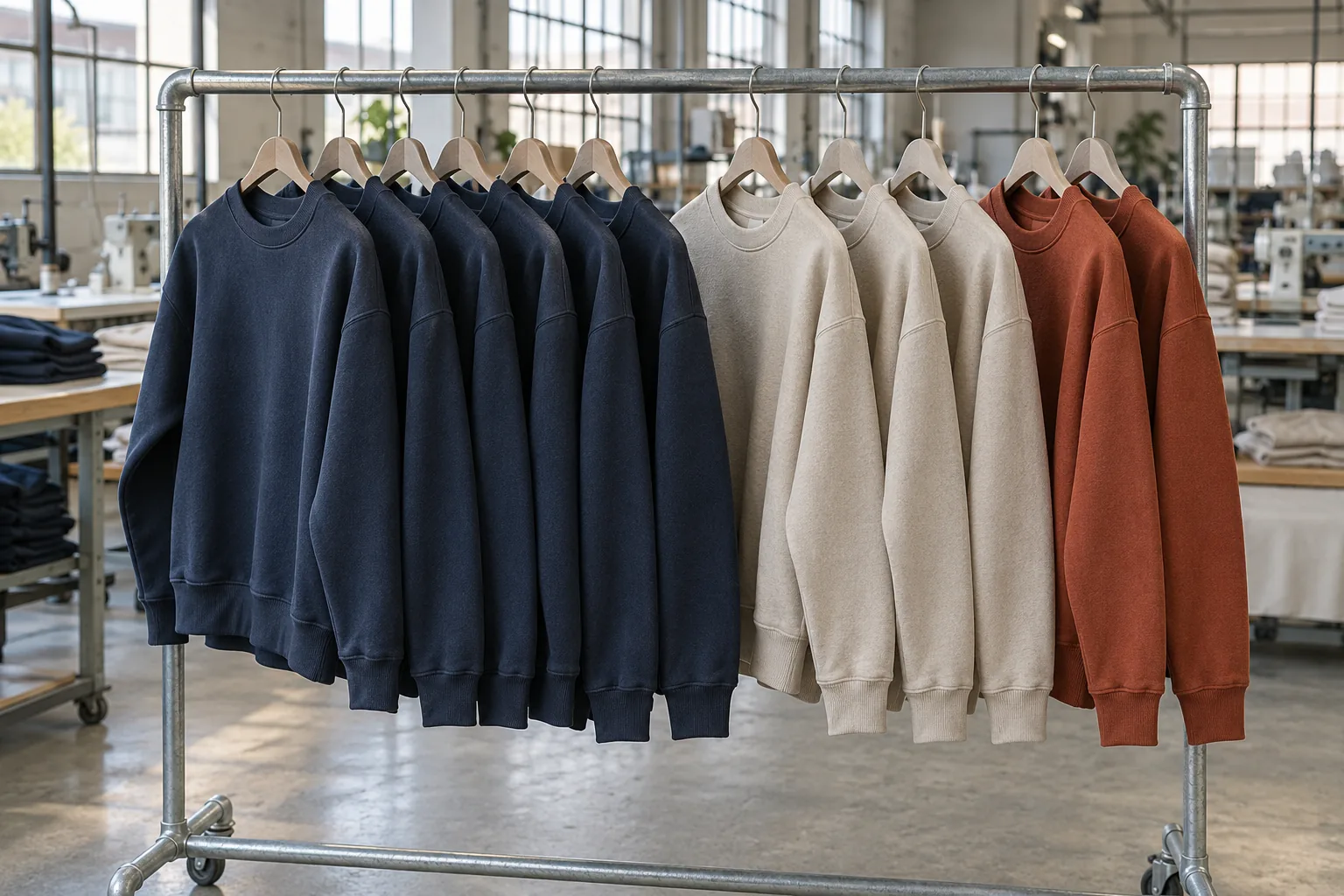
A launch quantity can look workable until it is divided into colors. A 120-piece sweatshirt order in one shade and the same order across four shades share a silhouette, but they may require different fabric purchases, trim matches, decoration approvals, and production handling. The useful benchmark is therefore the cost of the proposed color mix, alongside the total garment quantity.
For buyers planning in 2026, this guide treats colorway cost as a purchasing decision: which shades can share resources, which create separate commitments, and what to confirm before approving the assortment. The examples below are planning scenarios, not measured factory averages or a price dataset. StitchQuote’s verified starting quantities provide a reference; color-level feasibility still needs project confirmation.
1. Separate the style minimum from the color commitment
StitchQuote’s MOQ for most categories starts from 50 pieces per style; denim starts from 100 pieces per style. Neither figure establishes a minimum per color or promises that a style can be divided into unlimited shades. A supplier must check the proposed split against material availability and processing requirements.
For example, 100 tees split into 60 charcoal and 40 cream may use two available stock fabrics. A split of 25 pieces each in four custom colors could require four dye commitments, even though the sewing pattern stays identical. Ask whether the quoted minimum applies to finished garments, fabric kilograms, dye batches, decoration runs, or trim packs.
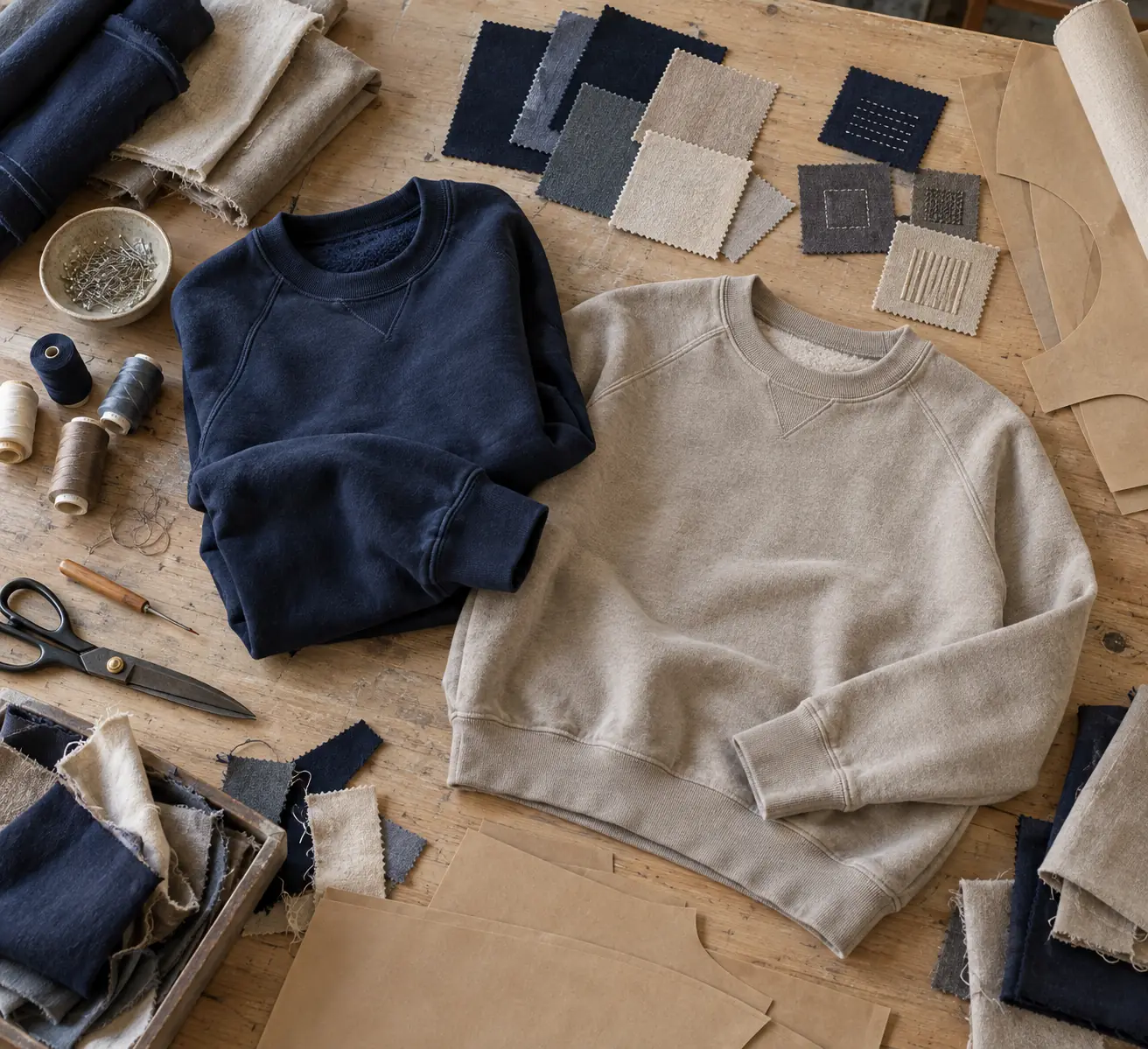
Build a color matrix before requesting a quote. Give each shade a reference, garment quantity, size breakdown, fabric route, and matching components. For a sweatshirt, list body fleece, rib cuffs, neck tape, drawcord, and embroidery thread separately. “Match all trims” leaves unresolved sourcing work that can change the price after a seemingly attractive first estimate.
2. Benchmark alternative palettes against one unchanged specification
To measure the cost of adding colors, hold the garment specification constant. Use the same fabric composition, target weight, pattern, size ratio, artwork dimensions, packing, and delivery basis. Request alternative quotes for one, two, and three colors at the same total quantity. This isolates the palette decision from changes in garment quality.
| Illustrative order | Color allocation | Question for the quotation |
|---|---|---|
| 120 sweatshirts, one shade | 120 navy | Can one fabric lot cover body and sample needs? |
| 120 sweatshirts, two shades | 80 navy, 40 stone | Does stone require separate rib sourcing? |
| 120 sweatshirts, three shades | 60 navy, 40 stone, 20 rust | Does rust trigger excess fabric or a separate setup? |
These allocations are comparison cases, not confirmed production offers. Request separate lines for garment production, development, color-specific processing, and any unused materials charged to the buyer. Ask whether each charge is included in the unit price or payable separately; otherwise, a setup fee can be counted twice or overlooked entirely.
A useful internal calculation is total committed manufacturing spend divided by planned saleable units. Include mandatory material purchases and setup charges once. Keep freight, duties, and other landed-cost items in a separate comparison with consistent assumptions. Date the quotation and record its validity: a 2026 planning sheet should identify when stock and costs were actually checked.
3. Find the shade that creates a new purchasing batch
Color costs often rise in steps. Adding a stocked shade might involve little extra sourcing, while a custom pastel could introduce a dye minimum or extra matching work. Ask for the cost difference between the available shade and the exact custom target before deciding that a close stock alternative is unacceptable.
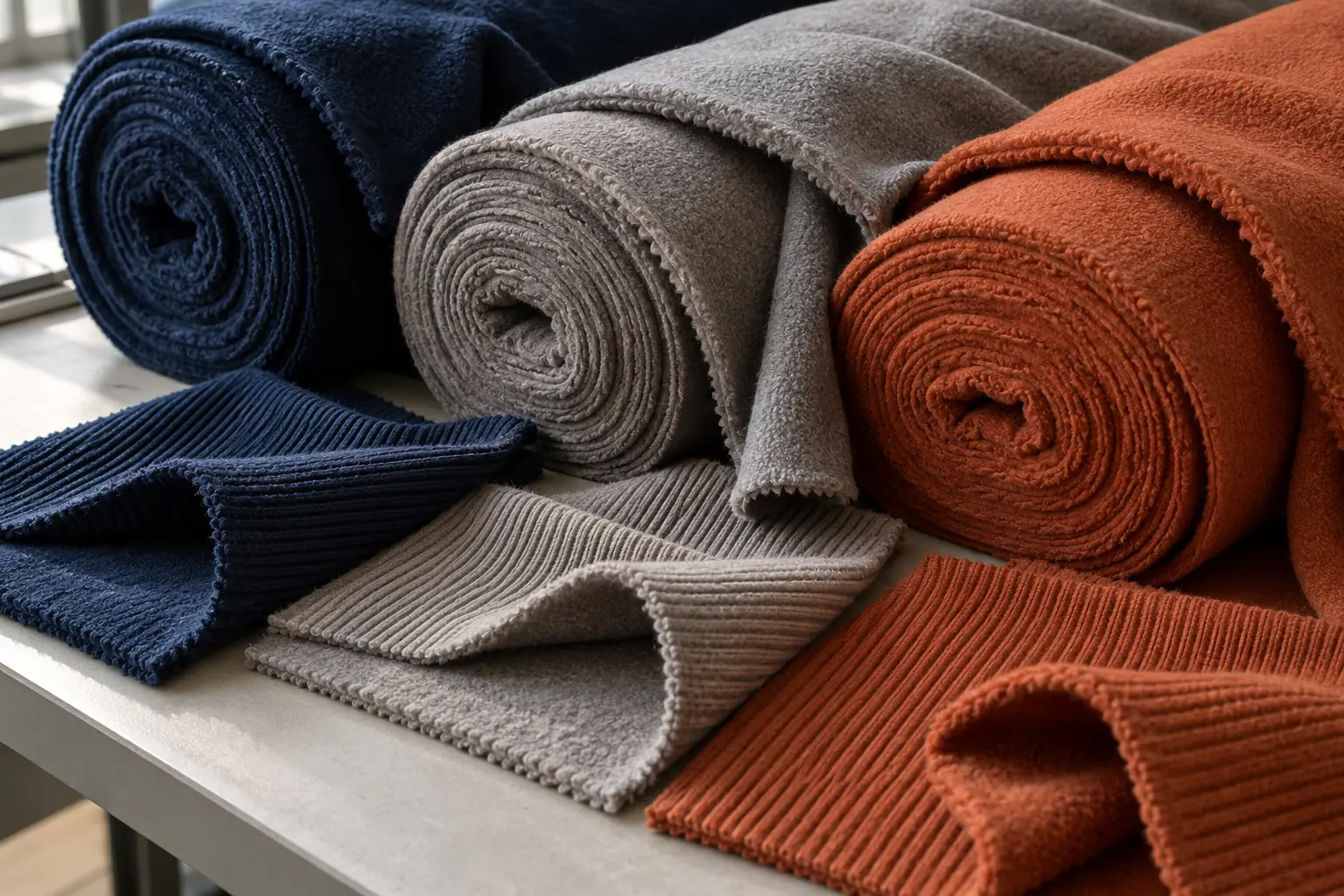
Body fabric and rib need separate attention because different fiber blends and surface textures can reflect color differently. An apparently matching rib swatch under office lighting may look noticeably warmer outdoors. Specify whether a tonal difference is intentional and approve the actual material pairing. A paper color reference alone does not establish the finished appearance.
Decoration can also create a color-specific process. A light print on a dark base may need an underbase or a different ink approach from the same artwork on cream. Embroidery thread may stay constant across shades, but visual contrast can change. Request a decoration trial on each relevant base, and confirm whether the revised process affects hand feel or cost.
For denim, distinguish a color name from a wash recipe. Two blue shades may require separate wash development and approvals rather than a simple fabric substitution. Confirm the base denim, wash target, hardware finish, and acceptable variation for each version before comparing the resulting offers.
4. Allocate quantities around demand and leftover exposure
An equal split is convenient for a spreadsheet but may be expensive for a launch. Four colors at 25 pieces each create four small inventories, each divided again by size. With five sizes, an even allocation leaves only five units per color-size combination. A few early sales can remove a key size while slower shades remain available.
Use existing sales or prelaunch demand signals where available to distinguish a core shade from an experimental shade. Without demand evidence, compare fewer colors at deeper quantities against a broader palette. Do not assume the smallest order produces the lowest inventory risk if it also requires substantial unused fabric purchases.
Ask who owns paid-for surplus material, how much remains, whether storage is available, and what a later reorder would require. Reusing leftover fabric might help a repeat order, but matching rib or trims could be unavailable by then. Record these conditions rather than treating surplus as automatically usable future stock.
StitchQuote offers fabric and trim sourcing, cut-and-sew, private label, sampling, and branding through woven labels, prints, and embroidery. Use the sourcing stage to compare exact-color development with available material options before freezing the assortment.
5. Approve color references before committing the full palette
Separate fit approval from color approval in the development record. A fit sample in available fabric can resolve silhouette questions, but it does not prove the final shade, rib match, or print appearance. Identify exactly which decisions each sample is intended to settle and what remains open.
StitchQuote has a 7-day sample option for standard styles with confirmed specifications and available materials. Complex styles, custom washes, and custom-developed fabrics take longer. A custom-color request should therefore be checked against its actual material route rather than scheduled around the standard sample option.
For each color, retain an approved physical reference and record its version. Confirm the viewing light, material face, and finishing condition used for approval. If a lab dip is approved before bulk dyeing, define how the bulk fabric will be checked against it. Phone photographs can document discussion, but screen settings and lighting make them unreliable as the sole color standard.
6. Turn shade approval into a packing-release checklist
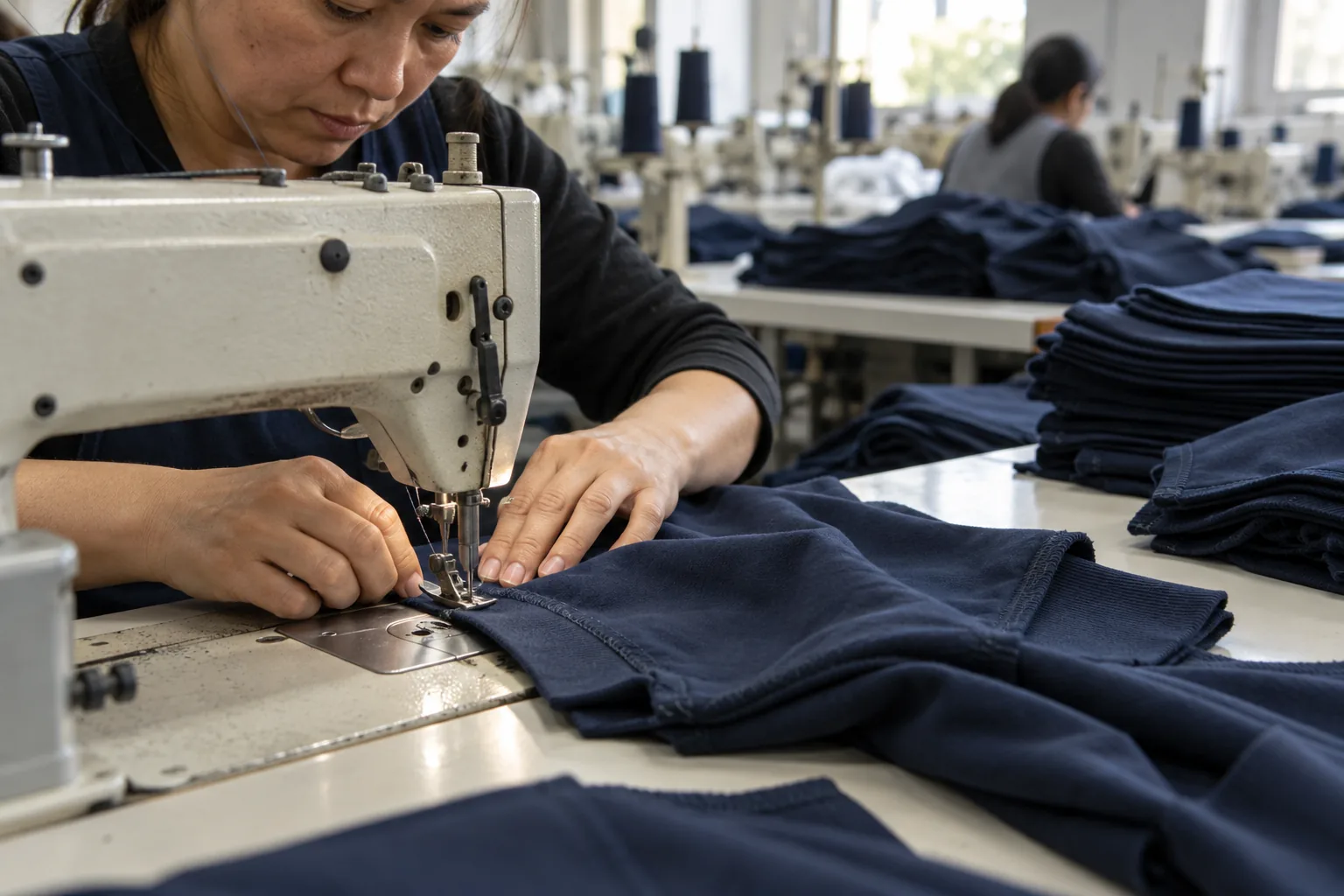
StitchQuote performs QC before packing. Make the color-specific acceptance criteria part of the order specification so inspection addresses the actual risks. Inspection quantities and numerical tolerances should be agreed for the project; a generic tolerance copied from another fabric may reject usable goods or allow visible mismatches.
- Check shade continuity: compare panels within each garment and garments from different bundles against the approved reference. Agree whether different acceptable dye lots must remain separately packed.
- Review component matching: inspect rib, drawcords, zipper tape, and visible stitching together under the agreed light. Document intentional contrast instead of asking inspectors to infer it.
- Verify decoration: confirm coverage, contrast, placement, and appearance on every base color. An approved print on white does not establish coverage on navy.
- Confirm aftercare behavior: agree on relevant wash and rubbing checks, methods, and acceptance limits. Evaluate shade change and staining risk where dark and light materials touch.
- Reconcile packing quantities: compare the final color-size counts with the purchase order and distinguish shortages, rejects, and approved replacements before shipment.
For measurable color differences, agree the instrument method and tolerance with the supplier if instrumental assessment is required. Pair that with visual review where texture or washed effects influence appearance. State who can approve a deviation and preserve that decision with the affected lot reference.
7. Questions to resolve before adding another color
Does a 50-piece style minimum mean I can order ten pieces in five shades?
No such split is implied. The style starting quantity does not confirm material or processing feasibility for each color. Submit the five-shade allocation and request explicit confirmation of each color quantity and any additional commitments.
Can I approve one sample for the entire palette?
One sample may settle shared construction and fit decisions. Other shades still need appropriate material and decoration approval. Agree which can be approved through swatches and trials and which need a complete garment.
Will a repeat color always cost less to manufacture?
It may avoid some development work, but available fabric, order quantity, decoration requirements, and trim availability still matter. Ask which approved references or materials can be reused and which charges recur.
What information makes a palette quote actionable?
Provide quantities by color and size, fabric specifications, shade references, matching components, decoration details, and your required delivery basis. Ask for assumptions and exclusions beside the quote so the next palette revision can be compared consistently.
Related reading and project planning
- Prepare the technical specification for your color matrix
- Review sampling and order minimums
- Explore the wider cost of manufacturing a hoodie
- Discuss your palette and quantities with StitchQuote
Request a manufacturing quote
Share your product type, quantity range, and destination. We usually reply within one business day.