Custom Streetwear, Casualwear & Denim Manufacturer•MOQ 50 pcs•Denim MOQ 100 pcs•7-Day Sample Available

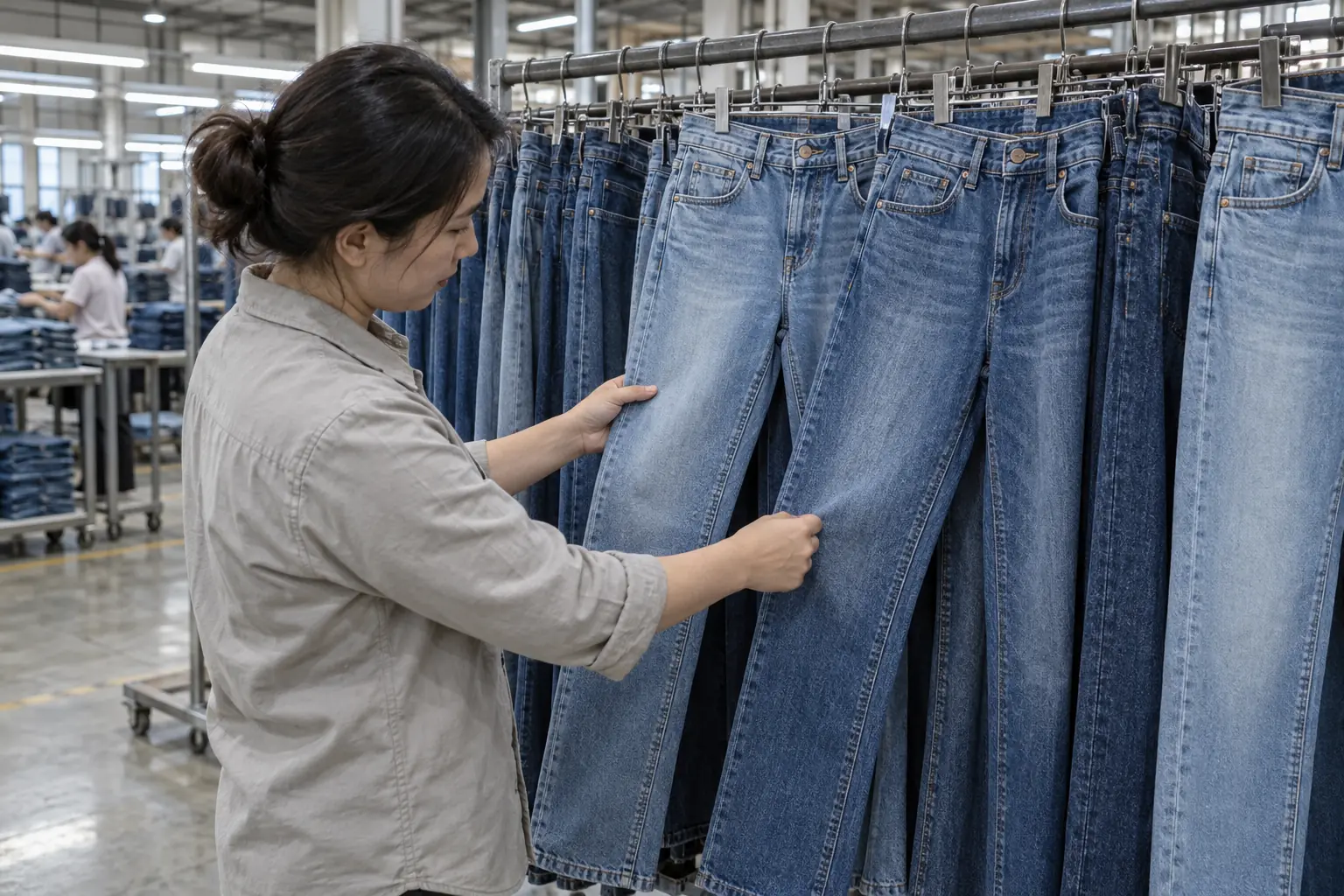
How to Keep Denim Comments Clear Across Fit, Wash, and Trims
Learn denim comments fit wash trims through a clearer factory-side view that helps brands reduce rework, align sample goals, and move toward approval with better.

A denim sample can fit correctly and still be the wrong reference for bulk production. Two pairs made from different fabric lots may respond differently to the same wash, while a metal button or pocket lining can change how the surrounding blue appears. If the buyer writes “approved, slightly darker next time,” the pattern team, laundry, and trim supplier may each act on a different interpretation.
Clear denim comments need a shade lot identity before they need more adjectives. This guide focuses on the handoff from sample review to bulk release: how to tie fit, wash, and trim decisions to the correct material group, preserve an agreed appearance, and prevent one approval from silently authorizing another.
Give every shade decision a traceable garment identity
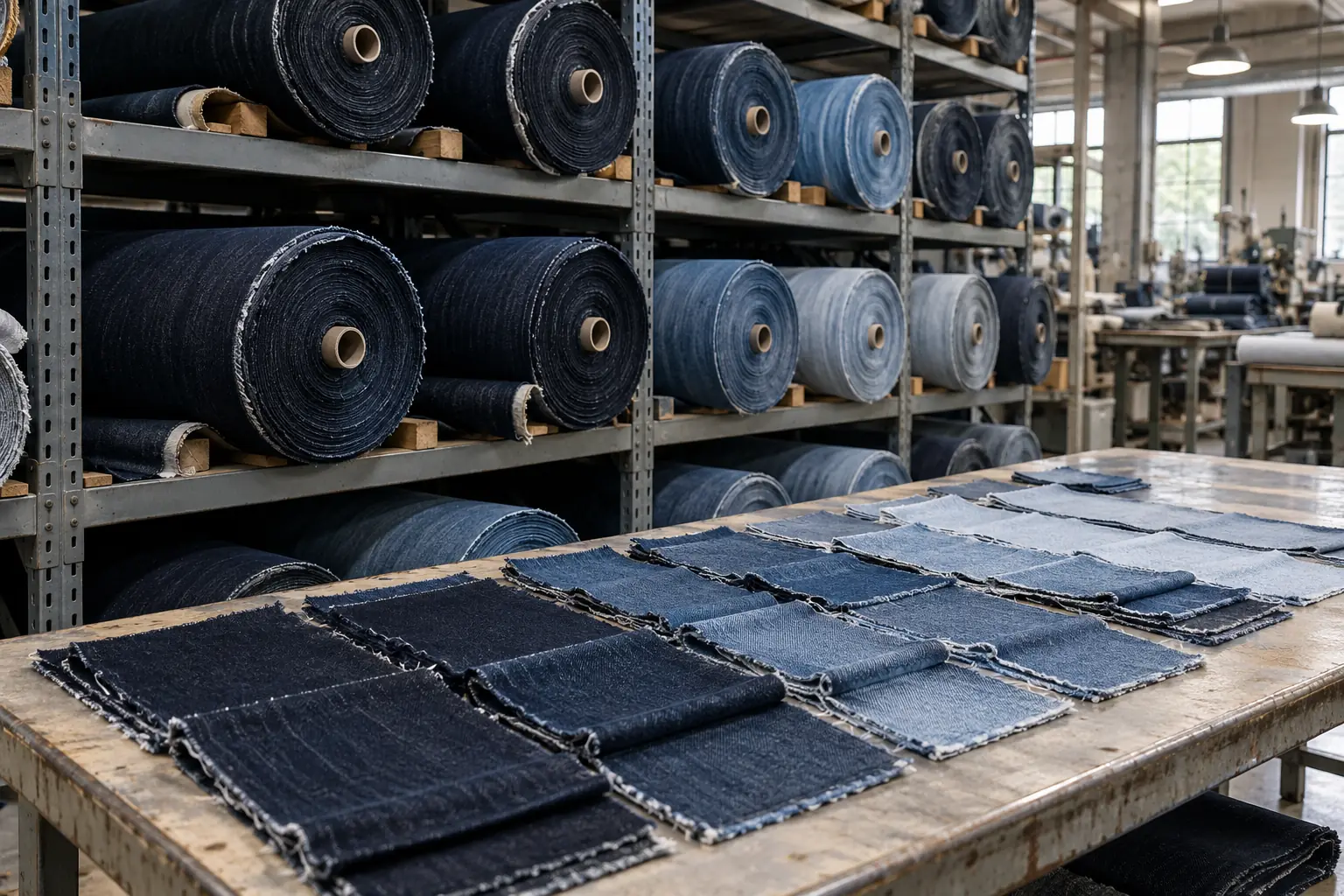
A fabric dye lot identifies material produced under a particular dyeing run; a wash batch identifies garments processed together. Neither automatically proves that every finished pair matches. Rolls within a delivery can vary, and separate laundry loads can develop different casts or contrast. Your comment sheet should preserve both identities instead of using “blue denim” as the only reference.
Assign each review garment a sample ID linked to the style, fabric article, roll or dye lot, wash batch, sample date, and revision. Add trim finish and pattern revision where these affect the decision. A hypothetical record might read “J24 / fabric F6 / lot B / wash trial W3 / pattern P2.” The exact naming system matters less than keeping it consistent on the garment tag, photographs, and approval record.
Ask whether samples represent one roll or several intended bulk sources. A single attractive sample cannot establish the acceptable range for material nobody has washed yet. If the source changes, mark shade approval as pending for that source even when the fit remains approved.
Build a physical shade boundary before writing corrections
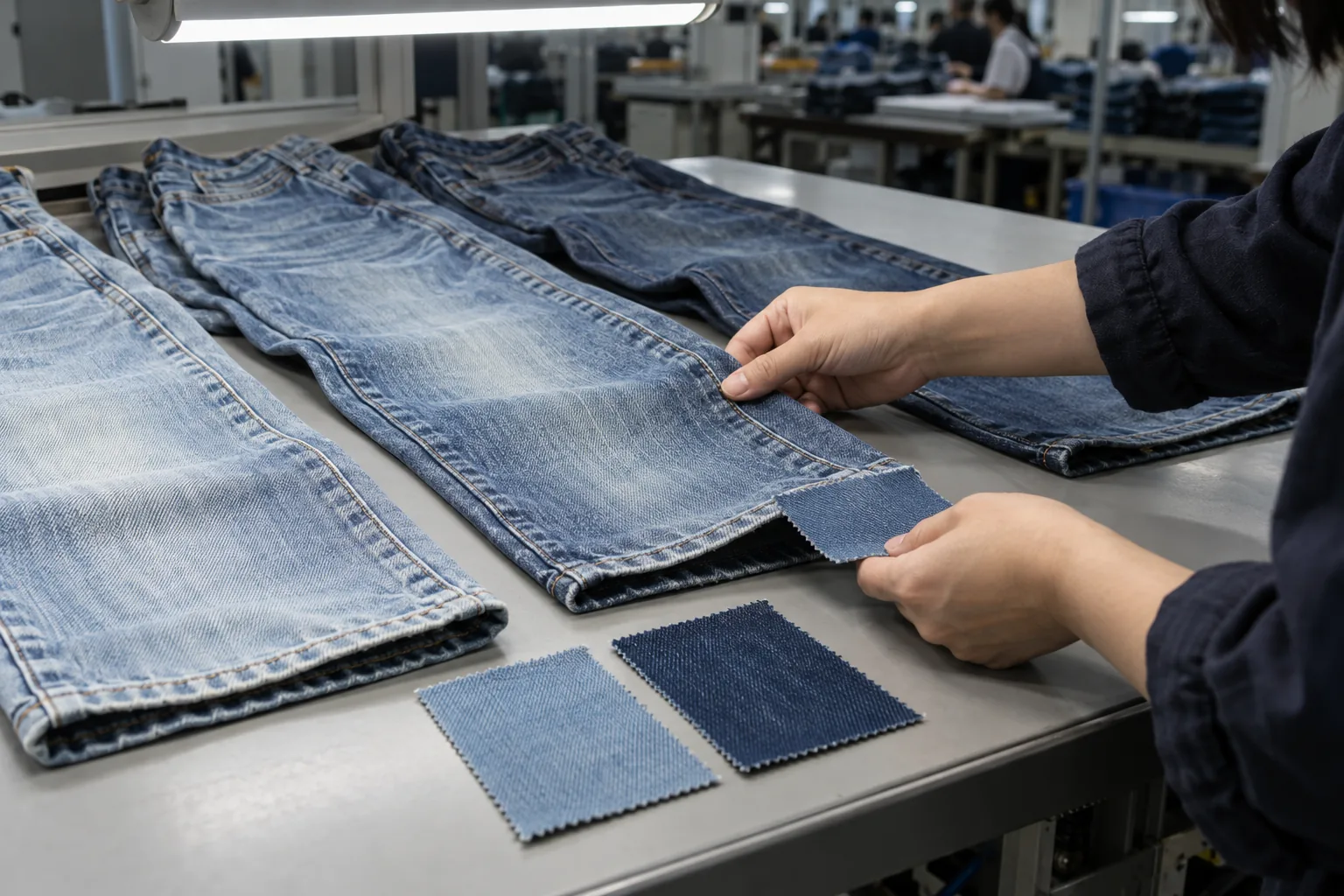
Start with a retained physical target, then agree on boundary samples that show acceptable variation. These may include lighter and darker limits, but depth alone is insufficient: a pair can have the correct darkness and still look too red or green. Also identify where to compare the garment, such as an unabraded thigh area, the seat, and a seam edge.
Review clean, dry garments after the same agreed conditioning period, under a consistent light source and against a neutral background. Confirm an additional relevant viewing condition if the product must look consistent under retail lighting. Photograph the arrangement for communication, but do not treat phone images as the final color standard; exposure and white balance can hide meaningful differences.
For washed denim, separate ground shade from abrasion contrast. “Keep the ground shade within the approved boundaries; reduce the bright knee abrasion” is more useful than “make it less washed.” Where instrumental color readings are proposed, agree on the measurement method, garment locations, and acceptance threshold. There is no universal numerical tolerance that reliably describes every textured, unevenly washed denim surface.
Split the comment sheet into independent release decisions
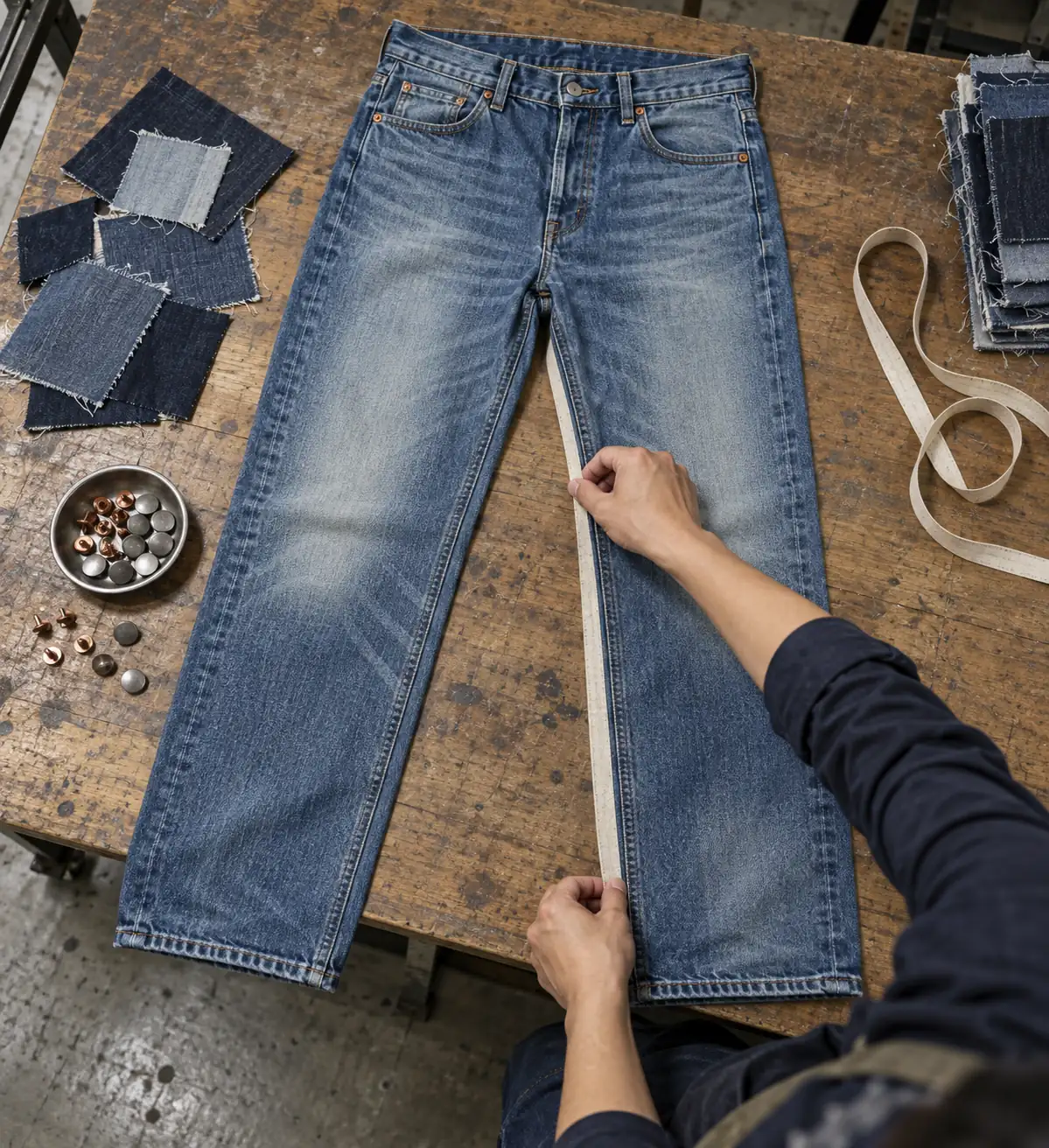
Use one comment record with separate status fields for fit, shade, abrasion, and trims. Every requested change needs an observation, an instruction, a reference, and a release consequence. Avoid a single “approved with comments” stamp because it leaves production teams guessing which comments must close before cutting or washing.
| Review area | Useful buyer comment | Release consequence |
|---|---|---|
| Fit | Post-wash inseam measures 77.0 cm against the 78.0 cm target; confirm correction against the agreed tolerance. | Hold fit approval; retain current shade target. |
| Shade | Lot B is redder than the approved boundary at the unabraded thigh. | Hold lot B shade release; assess separately. |
| Trims | Dark staining appears around the washed rivet; test the proposed replacement finish. | Hold trim approval pending compatibility review. |
These are illustrative comments, not universal specifications. Define actual measurement tolerances in the style documentation. If a wash adjustment changes shrinkage, reopen the affected fit measurements rather than assuming the previous approval survives. Conversely, a pocket placement correction should not authorize a different shade. Name one person responsible for consolidating buyer feedback so conflicting messages do not become parallel production instructions.
Keep shade groups intact through cutting and assembly
Shade control can fail before the garment reaches the laundry. Mixing visibly different panels within one pair creates a problem that a general wash correction may not solve. Ask the production team to preserve approved shade group identities through spreading, cutting, bundling, and sewing. Where necessary, specify that major visible panels must come from the same compatible group.
Consider a wide-leg jean with large front patch pockets. A pocket cut from a different shade group may look acceptable on raw fabric but become conspicuous after washing. The buyer should identify those visible matching relationships in advance: left and right legs, pocket against front panel, waistband against body, and any contrasting components intended by design.
Record replacement panels and re-cut parts against the original bundle identity. If an operator replaces a damaged pocket from an untracked offcut, the garment loses its shade history even though construction quality improves. Request that uncertain combinations be segregated for assessment, with the quantity and affected garment IDs recorded. This makes the eventual decision specific instead of forcing a discussion about the entire order.
Route wash changes through the affected lots only
When one bulk group falls outside the shade boundary, first determine whether the difference follows the fabric source, laundry load, or garment construction. Compare representative garments from identified groups under the agreed review conditions. Avoid changing the whole order’s wash merely because one photograph looks pale.
Send a correction request that states the affected group, observed deviation, target reference, and required resubmission. For example: “Batch W8 from lot C exceeds the light boundary at the seat; hold this group and submit a proposed correction trial.” Let the laundry establish a technically suitable trial rather than prescribing extra processing time without understanding the recipe and material response.
Any proposed rewash needs checks beyond color. Reassess dimensions, hand feel, seam appearance, trim staining, and signs of damage before approving wider treatment. Ask how the trial represents the held quantity and whether all garments can follow the same route. Keep the original approval record, append the new revision, and identify which instruction it replaces. A later email saying “looks good” should never erase the limits of a lot-specific release.
Use a shade-focused checklist before packing release
The final review should establish both appearance and traceability. Agree on the inspection coverage per lot and batch before production; a few conveniently selected pieces may miss a smaller shade group. Spread the selection across sizes and production groups, and record which groups were actually examined.
- Reference match: Compare dry garments with the retained target and boundary samples under the agreed lighting.
- Within-garment consistency: Inspect adjoining panels, pocket faces, waistband, and belt loops for unintended contrast.
- Across-garment consistency: Lay out several pairs together to reveal differences hidden when inspecting individually.
- Fit after treatment: Recheck the specified measurement points on any corrected or rewashed group.
- Trim interaction: Examine rivets, buttons, zipper areas, labels, and pocketing for staining or unintended finish changes.
- Disposition: Identify accepted, held, and rejected quantities by group, with the decision owner and date.
Document the packing rule too. If separate shade groups are accepted, confirm whether they can be mixed within cartons or must remain identifiable. Do not let packing become an informal way to hide variation. StitchQuote’s services include QC before packing; buyers should still confirm the project-specific shade criteria, inspection coverage, and records required for release.
Questions buyers ask when shade approvals overlap
Can fit be approved while a shade lot is on hold?
Yes, if the approval identifies the garment and measurement state. Record fit approval separately from shade release. If the held lot needs a different wash or rewash, confirm which dimensions must be checked again because the treatment may change shrinkage.
Does a small denim order guarantee a single shade group?
No. Quantity alone does not establish fabric or wash uniformity. StitchQuote’s denim MOQ starts from 100 pieces per style, while most other categories start from 50. Confirm the planned material sources and wash batching rather than assuming the minimum order removes variation.
Can a seven-day sample establish the bulk shade limits?
Only if its material and processing genuinely represent the proposed production. StitchQuote offers a seven-day sample for standard styles with confirmed specs and available materials; complex styles, custom washes, and custom-developed fabric take longer. A development sample may establish direction while bulk-source shade approval remains open.
What should accompany a disputed shade photograph?
Include the garment ID, fabric lot, wash batch, comparison reference, viewing conditions, and exact area in question. State whether you are reporting ground shade, cast, or abrasion contrast. If photographs cannot resolve the difference, compare physical samples before authorizing a correction.
Related reading and project support:
- Prepare the specifications behind your comment sheet
- Plan sampling quantities and minimum orders
- Review the denim wash approval process
- Discuss your denim project with StitchQuote
Request a manufacturing quote
Share your product type, quantity range, and destination. We usually reply within one business day.