Custom Streetwear, Casualwear & Denim Manufacturer•MOQ 50 pcs•Denim MOQ 100 pcs•7-Day Sample Available

How to Turn a Successful Sample Program Into a Repeatable Bulk Standard
Learn repeatable bulk standard after sampling through a clearer factory-side view that helps brands reduce rework, align sample goals, and move toward approval with.

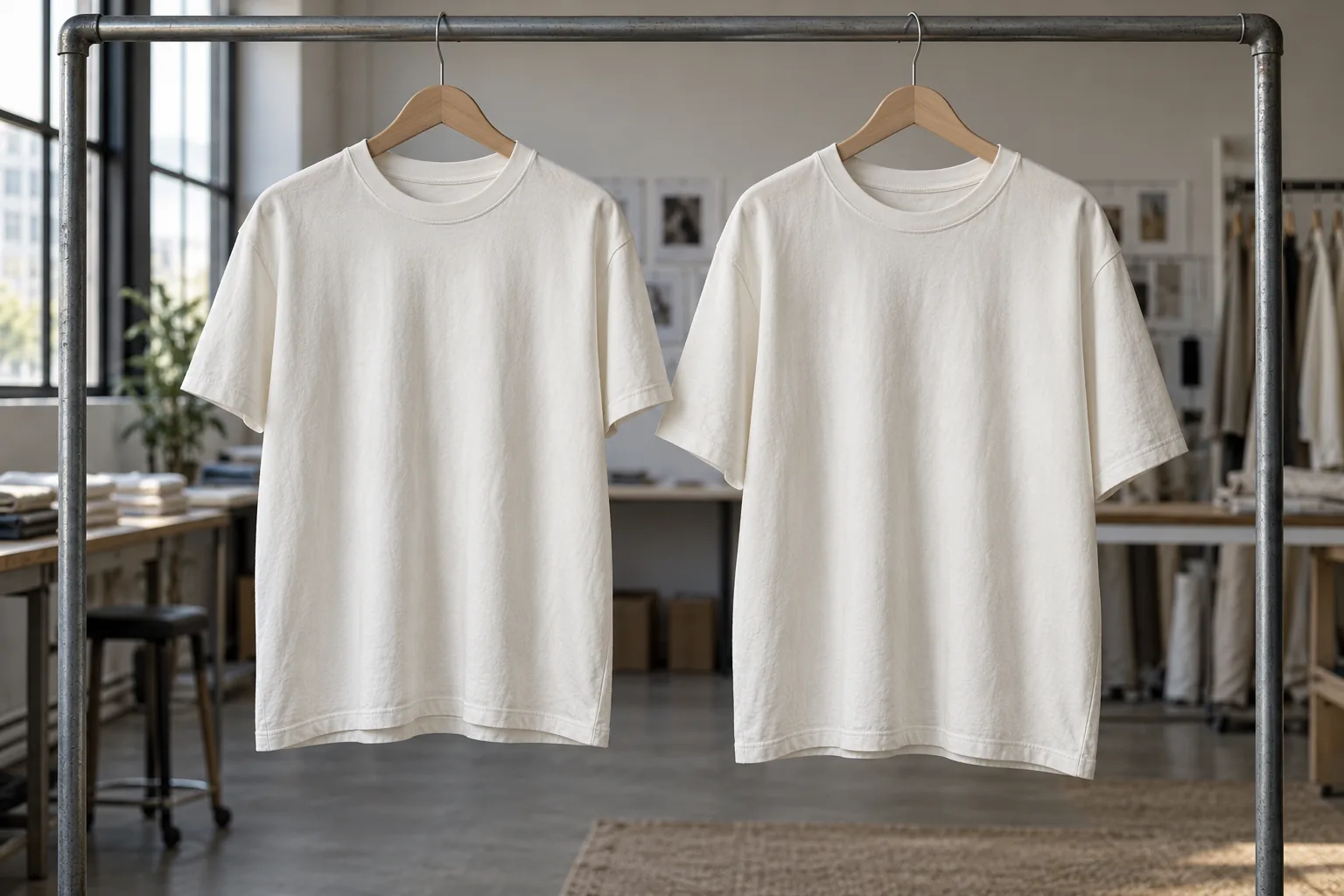
A sample can win wholesale orders and still be unsuitable as a production reference. The sweatshirt photographed for a line sheet may have a shortened sleeve, a substituted rib, or a hand-positioned graphic. Those choices can make a convincing salesman sample, but they do not automatically establish the fit and construction that every bulk garment must repeat.
Turning sample success into a bulk standard starts by separating two decisions: does the garment fit as intended, and does it represent what buyers are being offered? A fit sample answers the first question; a salesman sample supports the second. Your release process must reconcile both before cutting production fabric, especially when sales feedback arrives after technical approval.
Give fit approval and sales approval separate jobs
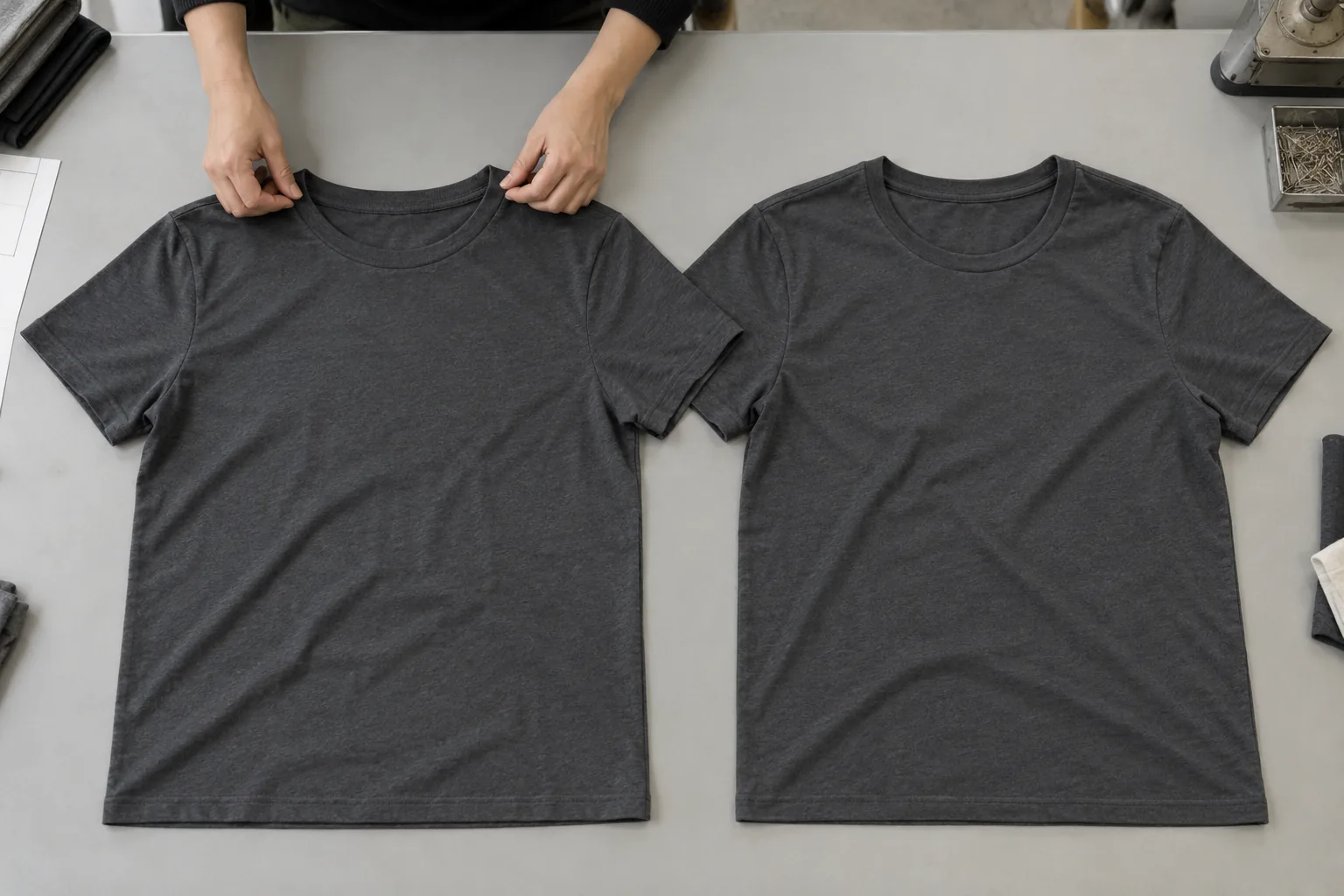
A fit sample tests the pattern on the intended body or fit form. Review balance, ease, movement, seam position, and measurements using an agreed measuring method. Substitute fabric may support an early shape discussion, but differences in stretch, weight, or drape limit what that sample can prove. Record those limitations instead of approving the entire garment without conditions.
A salesman sample presents the proposed product to buyers or sales teams. Color, finish, branding, and overall appearance matter because they shape orders and expectations. It may use final materials, but the label “salesman sample” alone does not confirm this. Ask which components and processes match the intended production specification.
For example, an oversized jersey tee may sell well with a high neckline while the fit review identifies excessive pressure at the front neck. Sales approval preserves the desired appearance; technical approval must establish a neckline that also works when worn. Neither decision cancels the other. Assign a technical approver and a commercial approver, with one named person responsible for resolving conflicts.
Expose the differences before selecting a reference garment
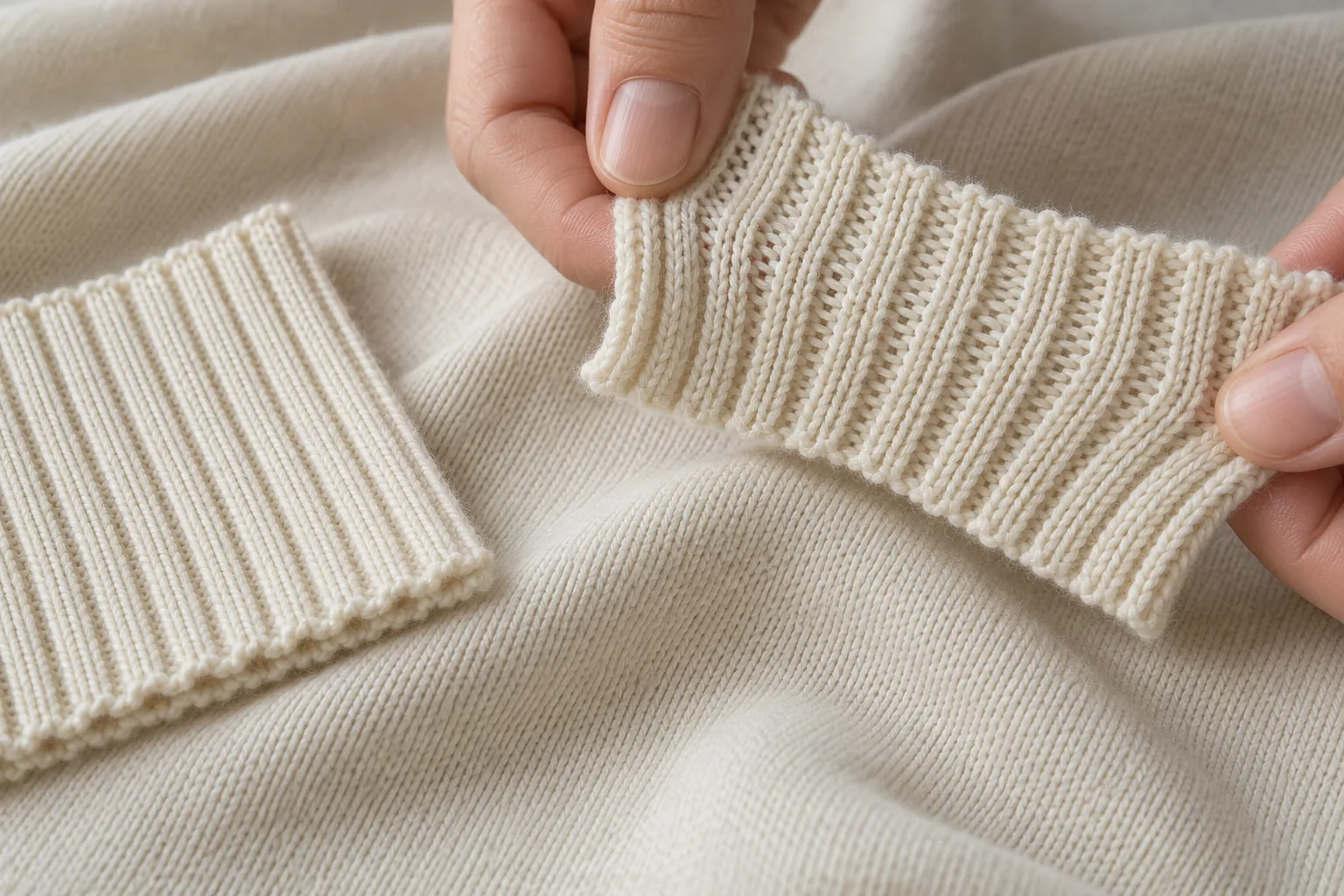
Place the latest fit sample beside the actual salesman sample used for orders. Compare physical garments rather than relying on photographs or matching style names. Mark each with its sample ID, date, pattern revision, fabric reference, size, and purpose. A photograph of the tags helps prevent an older sample from becoming the reference by accident.
Use a short difference register to make unresolved choices visible. The entries below are illustrative decisions for a heavyweight tee, not universal production requirements.
| Attribute | Fit sample | Salesman sample | Decision needed |
|---|---|---|---|
| Body length | Approved after wash | Shortened for presentation | Confirm shipped length and wash state |
| Neck rib | Trial rib with good recovery | Correct color, different stretch | Validate production rib on garment |
| Chest print | No decoration | Approved visual placement | Define measured placement and application |
| Shoulder seam | Revised forward position | Earlier pattern | Carry approved seam into final sample |
Do not write “follow fit sample except appearance.” That leaves the factory to decide whether a longer cuff is a fit feature or a styling feature. Resolve each difference individually, then identify the document or physical reference controlling that attribute. If a choice remains open, name the owner and keep it outside the released specification.
Convert the chosen look into measurable instructions
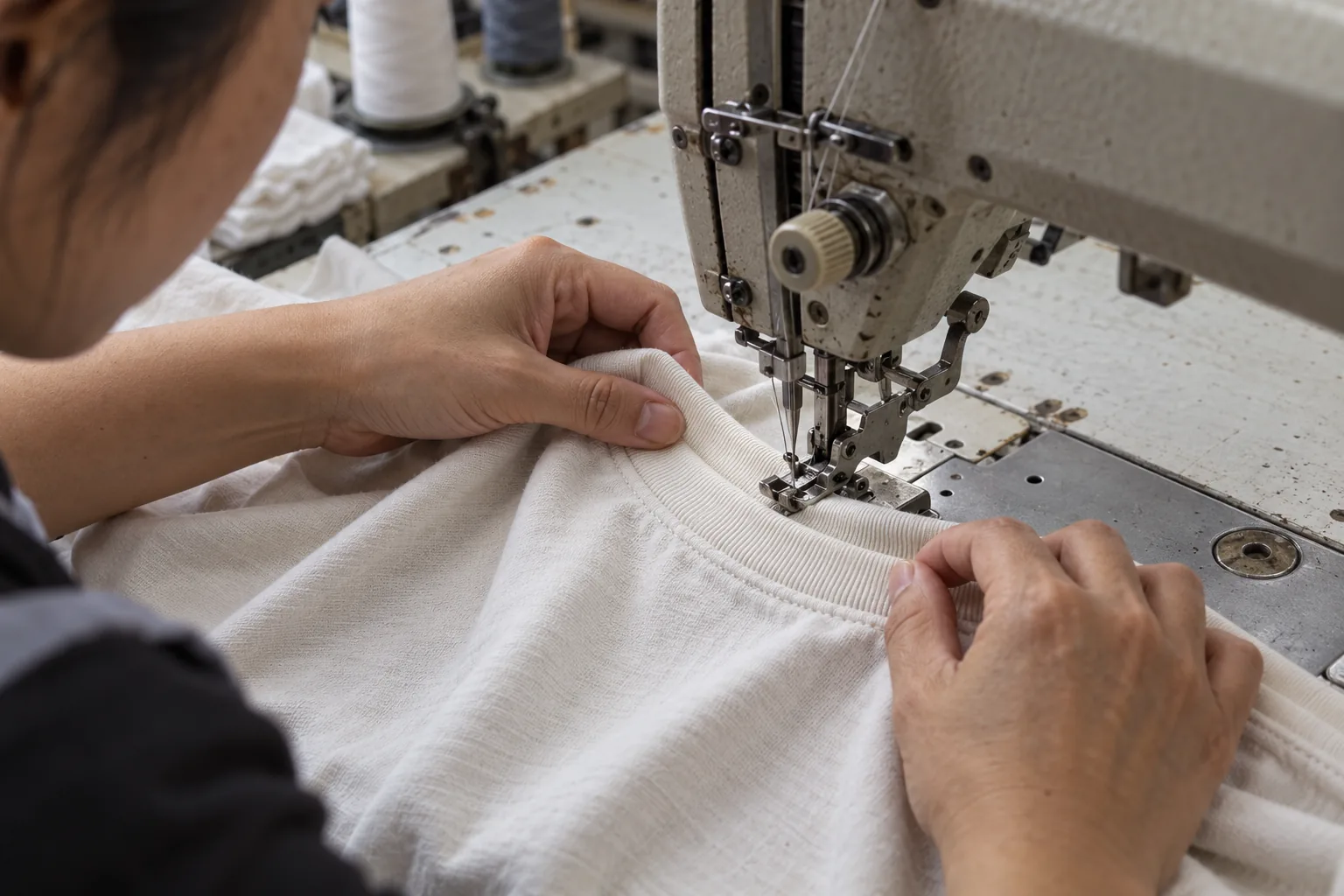
A photograph cannot define sleeve pitch, rib recovery, or seam allowance. Update the production tech pack with the approved pattern revision, bill of materials, construction details, decoration artwork, and measurement chart. State how the garment is laid out, whether measurements are taken before or after washing, and how long it should rest after processing before inspection.
For a dropped-shoulder tee, define half chest at a stated distance below the armhole, body length from the high shoulder point, and sleeve length from the shoulder seam. A sleeve measured from center back is a different measurement. Include diagrams where two reasonable interpretations could produce different results.
Set tolerances by feature and process capability. As an illustrative starting point only, a buyer might discuss ±1 cm for body length and ±0.5 cm for half neck opening; confirm these per project after reviewing fabric behavior and sewing capability. A tolerance is an acceptance limit around the target, not permission to change the target.
Also define details that affect appearance without changing the main measurements: topstitch distance, rib finished width, hem depth, and print position from stable garment landmarks. Specify whether placement changes across sizes. If the sales garment used a hand-trimmed neckline or manually adjusted print, replace that one-off treatment with an agreed repeatable method and inspect the result.
Test the missing evidence before authorizing bulk
Once differences are resolved on paper, identify what has never been tested together. Approved fit in substitute jersey plus approved color in final jersey does not establish approved fit in final jersey. A confirmation garment should combine the approved pattern, intended materials, trims, decoration, and finishing processes wherever those elements can affect the outcome.
Review it against both approval tracks. Check the silhouette and movement established during fitting, then compare the shade, surface, branding, and proportions promised through the salesman sample. Where a production process differs from sample making, ask for a representative trial rather than assuming the visual match will survive the change.
Extend the review beyond the base size when grading creates risk. For example, check whether the smallest size still allows comfortable neck entry and whether the largest size keeps the intended shoulder drop. Choose verification sizes according to the size range and pattern risk; one approved medium does not prove all sizes.
At StitchQuote, a 7-day sample is available for standard styles with confirmed specs and available materials. Complex styles, custom washes, and custom-developed fabric take longer. Plan the confirmation stage around the actual unresolved work, including any washing or decoration trials, rather than treating a sample turnaround as the whole approval calendar.
Use a release checklist that production and QC can share
The final reference needs a clear status: approved, approved with documented limitations, or rejected. Avoid a casual “looks good” message that could refer only to color. Keep an identified reference with the factory and a matching approval record with the buyer. If duplicate garments are used, compare them before treating them as equivalent.
- Identity: Confirm style code, size, sample ID, pattern revision, and approval date agree across the garment and documents.
- Materials: Record fabric and trim references, composition, specified weight, color standards, and any agreed test or performance requirements.
- Fit: Attach actual measured results, target measurements, tolerances, and the fitting decision. Close each correction separately.
- Finishing: Confirm wash or finishing state, decoration method, placement, label positions, and the appearance reference.
- Inspection: Agree inspection scope, defect classifications, measurement checks, and the action required when a result fails.
- Release: Record the authorized approver and ensure superseded files cannot be mistaken for current instructions.
Check early production output against this package before the whole order advances. A neckline outside tolerance calls for investigation of cutting, rib length, attachment, or finishing; it should not trigger an undocumented revision to the specification. StitchQuote provides QC before packing, but buyers should still establish project-specific acceptance criteria before release.
Keep sales feedback from silently changing the order
A buyer may request a narrower sleeve after seeing the salesman sample. Treat that as a proposed design change, even if the sales team calls it minor. Record the requested measurement, affected sizes, order scope, and approval needed. Determine whether the change affects pattern grading, material consumption, decoration clearance, or previously accepted fit.
If the change is accepted, issue a new revision and identify which orders use it. If it is deferred, preserve the released standard for the current order. This matters for repeats: “same as last time” is insufficient when last season contained two approved sleeve shapes.
StitchQuote offers cut-and-sew, private label, sampling, fabric and trim sourcing, and branding through woven labels, prints, and embroidery. MOQ for most categories starts from 50 pcs per style; denim starts from 100 pcs per style. Confirm the scope for the actual order, and distinguish sample approval from agreement on production quantities.
Questions buyers ask when the two samples disagree
Can one garment serve as both the fit and salesman sample?
Yes, if it satisfies both purposes and both approvals are recorded. Its use at a showroom does not invalidate technical approval, but inspect it for stretching, alteration, or damage before retaining it as a production reference.
What if wholesale orders were taken from an earlier fit?
Compare the sold version with the proposed production version and identify differences customers could notice. The commercial owner should decide how to handle those expectations before release. Do not hide a changed silhouette inside a technical correction.
Must every salesman sample be measured?
Measure any sample that will control bulk dimensions. For presentation-only duplicates, identify the approved master and check the attributes relevant to sales. Never let an unverified duplicate replace the master simply because it is easiest to find.
What should accompany a repeat order request?
Send the released specification revision, reference sample ID, size quantities, and any approved changes. Ask whether material availability or processing has changed. Revalidate affected attributes when substitutions could alter fit or appearance.
Related reading and project support:
- Prepare a production tech pack
- Review sampling and MOQ
- Plan clothing sampling time
- Contact StitchQuote about your sample references
Request a manufacturing quote
Share your product type, quantity range, and destination. We usually reply within one business day.