Custom Streetwear, Casualwear & Denim Manufacturer•MOQ 50 pcs•Denim MOQ 100 pcs•7-Day Sample Available

How to Turn One Product Idea Into a Quote-Ready Sample Brief
Learn sample brief apparel through a clearer factory-side view that helps brands reduce rework, align sample goals, and move toward approval with better timing and.

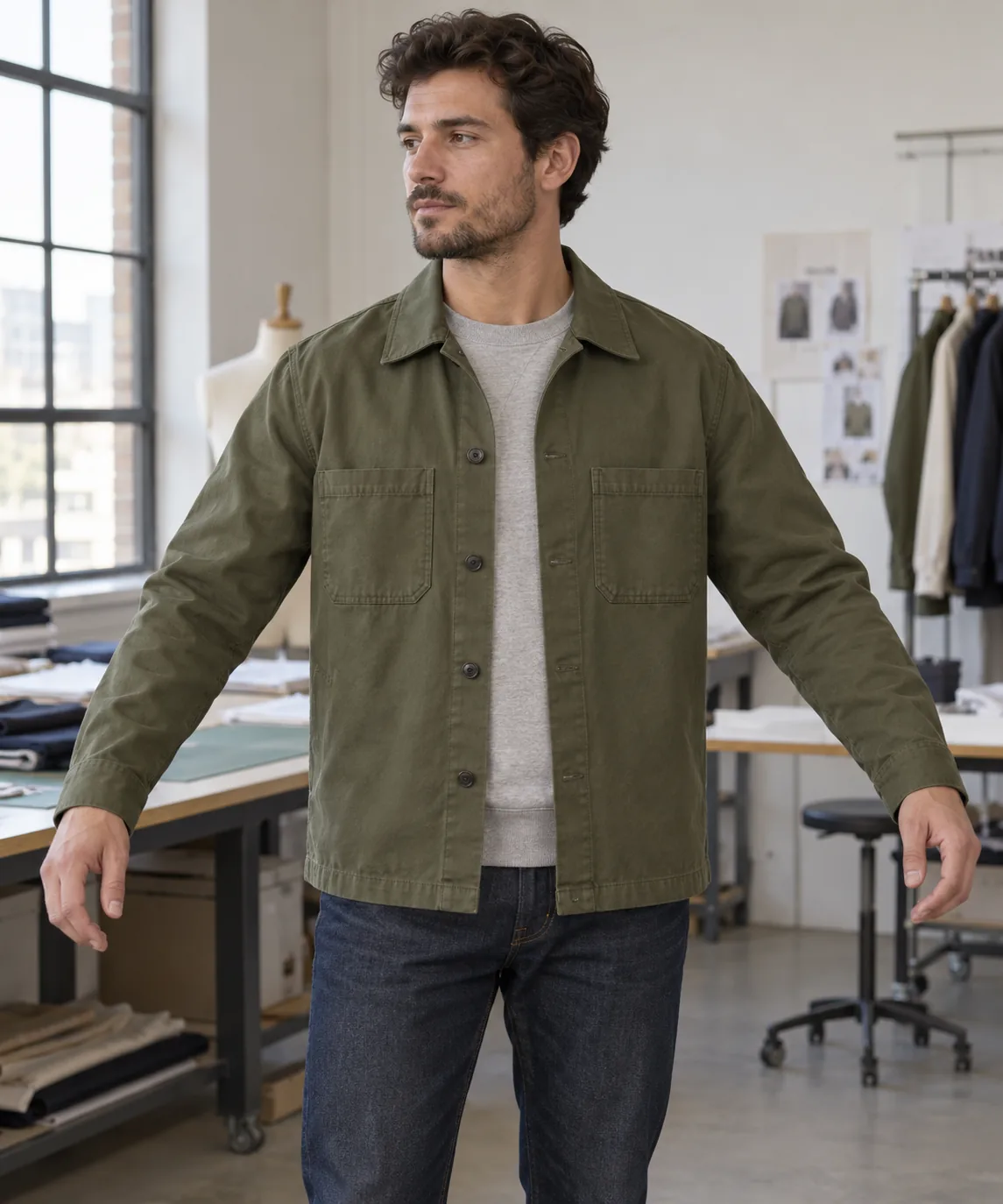
A product idea becomes useful to a sample room when it describes a decision someone can make. “A relaxed overshirt for everyday layering” sets a direction, but it does not say whether the first sample should establish shoulder balance, compare fabrics, or test a pocket construction. Those are different assignments, with different requirements.
To turn one product idea into a quote-ready sample brief, define what the next physical garment must prove. Then supply enough detail to price that work and identify what remains provisional. This approach helps a brand request a meaningful development quote without pretending every bulk-production detail is already settled.
Give the first sample one decision to unlock
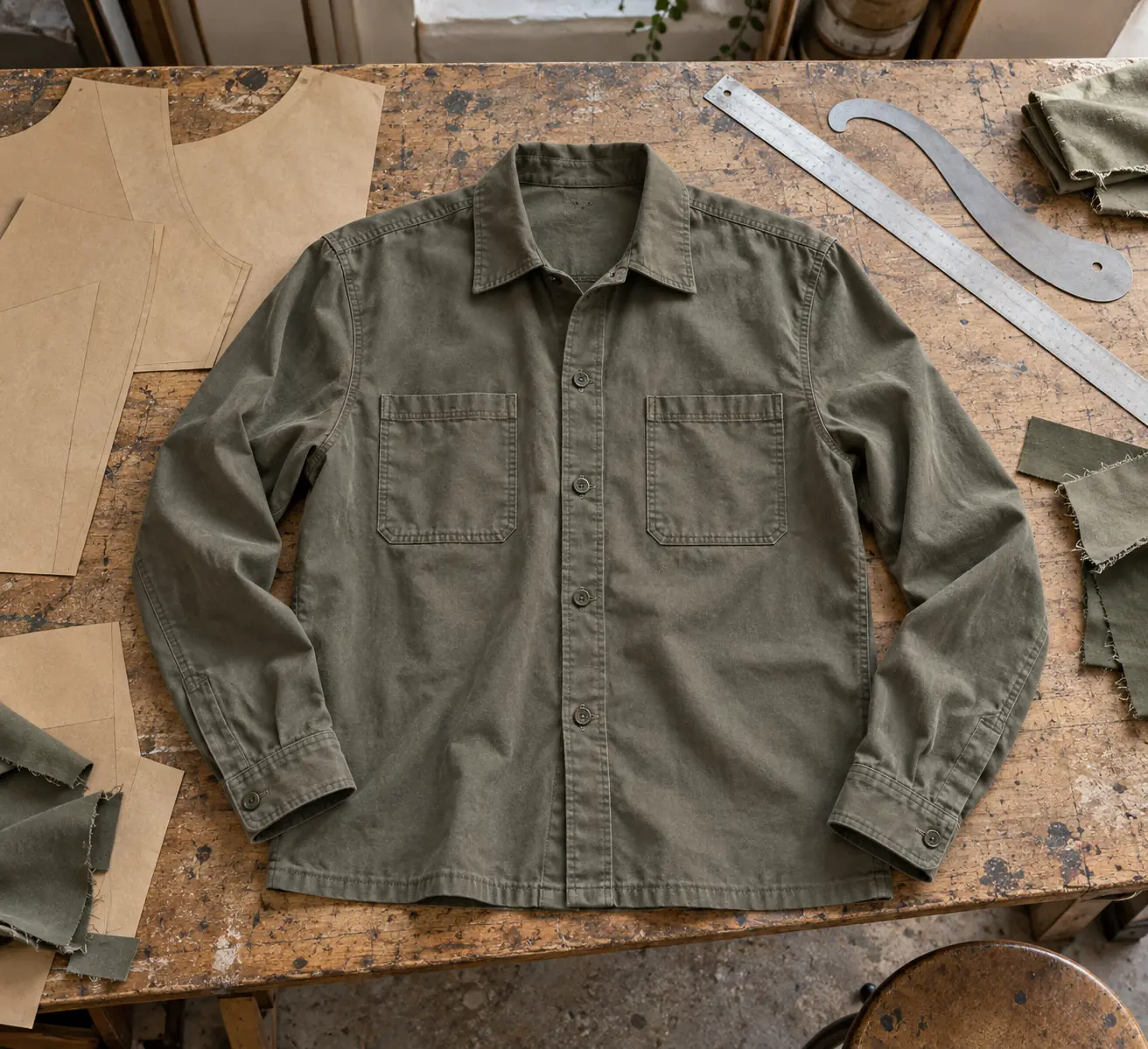
Start the brief with a sentence such as: “This round must establish whether the overshirt layers comfortably over a sweatshirt without excessive volume at the back.” That purpose points toward a fit prototype. It does not require final woven labels or a fully resolved color palette.
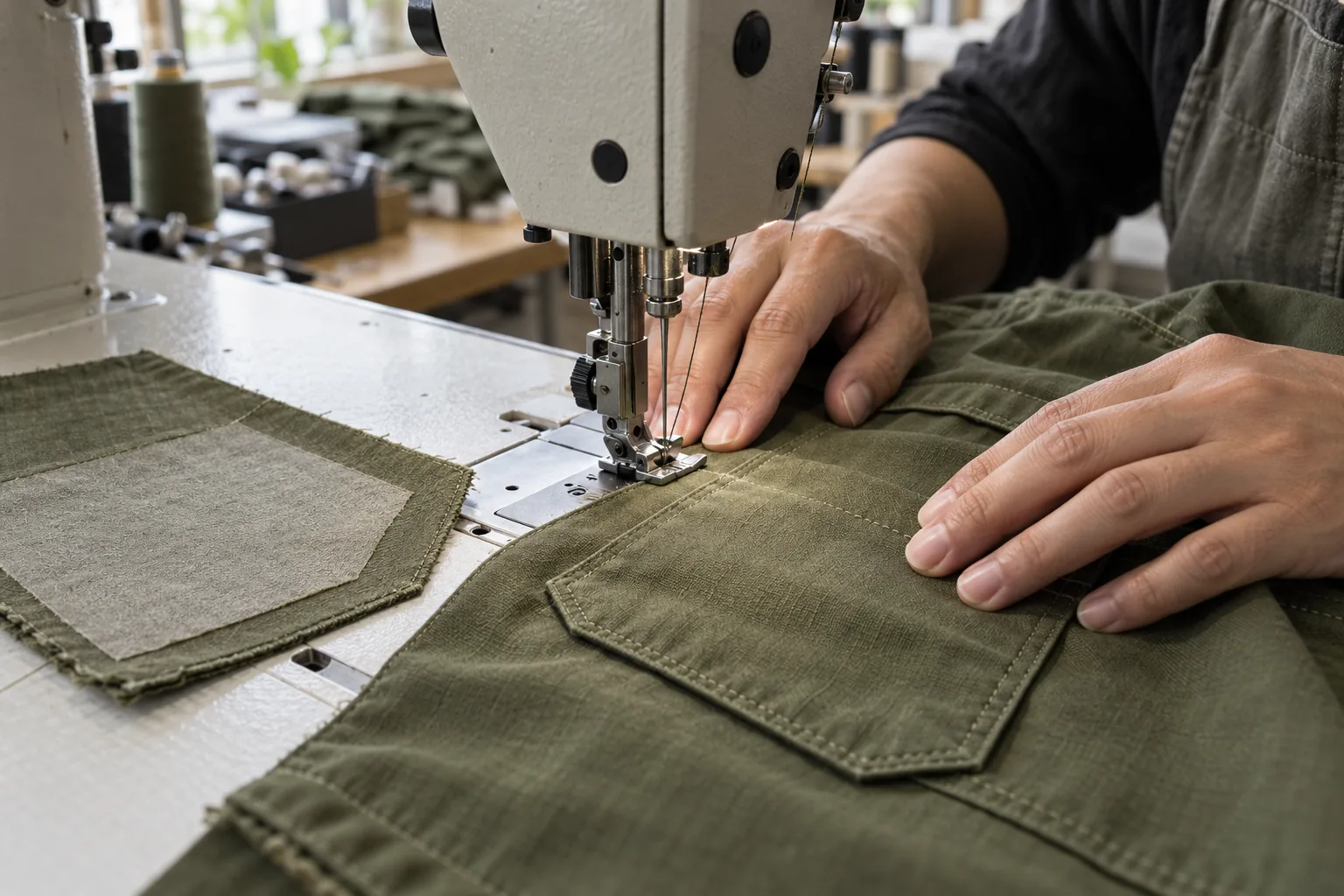
A different question needs different evidence. If your idea depends on a crisp pocket shape, the sample may need the intended fabric and reinforcement. If the main uncertainty is an embroidered badge, a separate application trial may answer it before a full garment is necessary.
Use three fields at the top of the document: decision to unlock, evidence required, and approval owner. For the overshirt, evidence could include front, side, and back fit photographs plus an arm-reach check. Name one person to consolidate comments so the factory receives a single instruction set.
Choose the physical proof that fits the question
Sample-stage names vary between suppliers. Explain the intended use instead of relying on “development sample” to mean the same thing to everyone. A garment can be useful for one approval and unsuitable for another.
| Question to resolve | Useful proof | Approval boundary |
|---|---|---|
| Does the silhouette layer well? | Fit prototype in a representative material | Do not approve final color or finish |
| Will the pocket keep its shape? | Pocket trial using proposed fabric and reinforcement | Do not approve whole-garment fit |
| Can the agreed details work together? | Complete sample using intended components | Approve only the details actually represented |
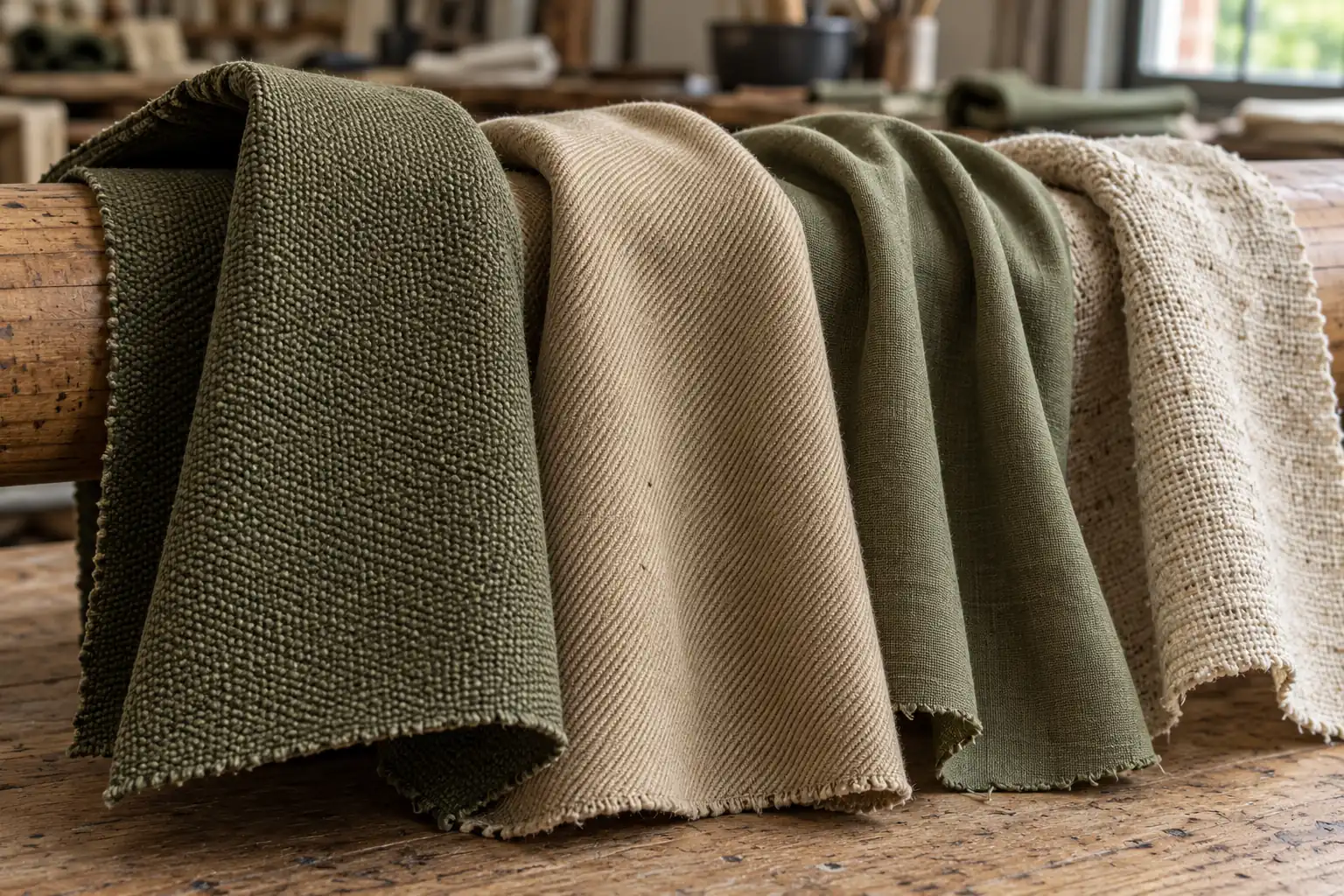
For a fit prototype, a substitute fabric might be acceptable if its weight, stretch, and drape are close enough for the decision. For a washed denim concept, an unwashed substitute cannot establish the finished hand feel or wash appearance. Record these limits before accepting a material substitution.
Translate the idea into observable sample instructions
Describe the style in plain terms, then replace subjective language with details the sample maker can act on. “Clean but substantial” might mean a concealed front fastening, a firm collar, and no visible chest branding. Each choice changes the work involved.
Give every reference image a narrow job. One image may show the desired sleeve volume; another may illustrate a pocket opening. State which features to disregard. An unlabeled mood board can accidentally turn an incidental seam or finish into an assumed requirement.
- Shape: identify the base sample size, key measurements, measurement methods, and intended layering.
- Material: describe composition, weight, stretch, surface, and whether sourcing suggestions are welcome.
- Construction: call out closures, pocket arrangements, lining, and details that drive the concept.
- Branding: specify application method, approximate dimensions, placement, and artwork readiness.
- Delivery: state sample quantity, destination, and the date when review is needed.
A brief can summarize these requirements and reference a separate technical pack. Keep both on the same revision so a sketch does not contradict the measurement sheet.
Separate the sample assignment from the future order
The factory needs to understand both the immediate development task and the potential production scope. Put them in separate blocks. The sample block should identify the round, required components, permitted substitutions, and deliverables. The order block should show estimated units per style, proposed colors, size range, and any unresolved assumptions.
At StitchQuote, MOQ for most categories starts from 50 pieces per style; denim starts from 100 pieces per style. Ask how the proposed color and size split affects your specific project rather than assuming a starting MOQ covers every combination.
Request separate clarification of sampling work, material or trim development, and the assumptions behind any indicative bulk quote. For example, if a custom snap is optional, ask the supplier to identify how it changes scope compared with an available alternative. Do not leave both options embedded in one supposedly fixed specification.
StitchQuote services include cut-and-sew, private label, sampling, fabric and trim sourcing, branding through woven labels, prints and embroidery, and QC before packing. Your brief should identify which services this round needs.
Write the review checklist before commissioning the work
Inspection should test the sample’s stated purpose. For the layering overshirt, review the garment over the intended underlayer, using the agreed fit model or body measurements. An attractive flat photograph alone cannot establish movement or balance.
- Check the sample against the correct brief revision and record any substitutions.
- Measure the agreed points using consistent methods and project-specific tolerances.
- Observe shoulder position, sleeve movement, closure strain, and hem balance during wear.
- Inspect relevant workmanship, including pocket symmetry, seam puckering, fastening security, and exposed edges.
- Mark each reviewed feature as approved, revise, or not evaluated in this round.
- Attach clear photographs and one consolidated list of requested changes.
Separate a specification mismatch from a new design preference. If the requested pocket was made correctly but you now want it lower, that is a design revision. Make the distinction explicit so the next round has a stable scope. Sample approval also does not replace QC before packing a production order.
Resolve the questions that commonly stall the first brief
Can I request a quote while the fabric is undecided?
Yes, provided you describe the required behavior and label the quote as conditional on material selection. Ask the supplier to state its assumed fabric. A fit-focused sample may permit a representative substitute; a drape-focused sample may require material selection first.
Should the first prototype include every branded detail?
Include branding when it affects the decision, such as embroidery that may distort a lightweight panel. Otherwise, identify omitted details and reserve their approval for a later round. Blank space should not be mistaken for approval of final branding.
When is a seven-day sample a realistic request?
StitchQuote offers a seven-day sample for standard styles with confirmed specifications and available materials. Complex styles, custom washes, and custom-developed fabrics take longer. Confirm the applicable schedule and shipping separately before arranging your review date.
What should happen after the sample answers its main question?
Record the decision, lock the approved features, and identify the next unresolved issue. If silhouette is approved but final fabric is pending, carry the fit approval forward with that limitation. Do not treat a successful first prototype as unrestricted permission to begin bulk production.
Send a brief with a clear requested response
Finish by asking the supplier to confirm scope, assumptions, missing inputs, and timing. That response should let you decide whether to commission the proposed sample. Keep the brief, attachments, and subsequent approvals together under one style reference.
- Prepare the technical pack supporting your brief
- Review sampling and MOQ considerations
- Understand clothing sampling timelines
- Contact StitchQuote about your sample brief
Request a manufacturing quote
Share your product type, quantity range, and destination. We usually reply within one business day.