Custom Streetwear, Casualwear & Denim Manufacturer•MOQ 50 pcs•Denim MOQ 100 pcs•7-Day Sample Available

Premium Basics vs Streetwear Basics: Where the Product Standard Changes
Understand premium basics vs streetwear basics through fit, fabric, decoration, and production logic so streetwear and premium basics buyers can make cleaner.

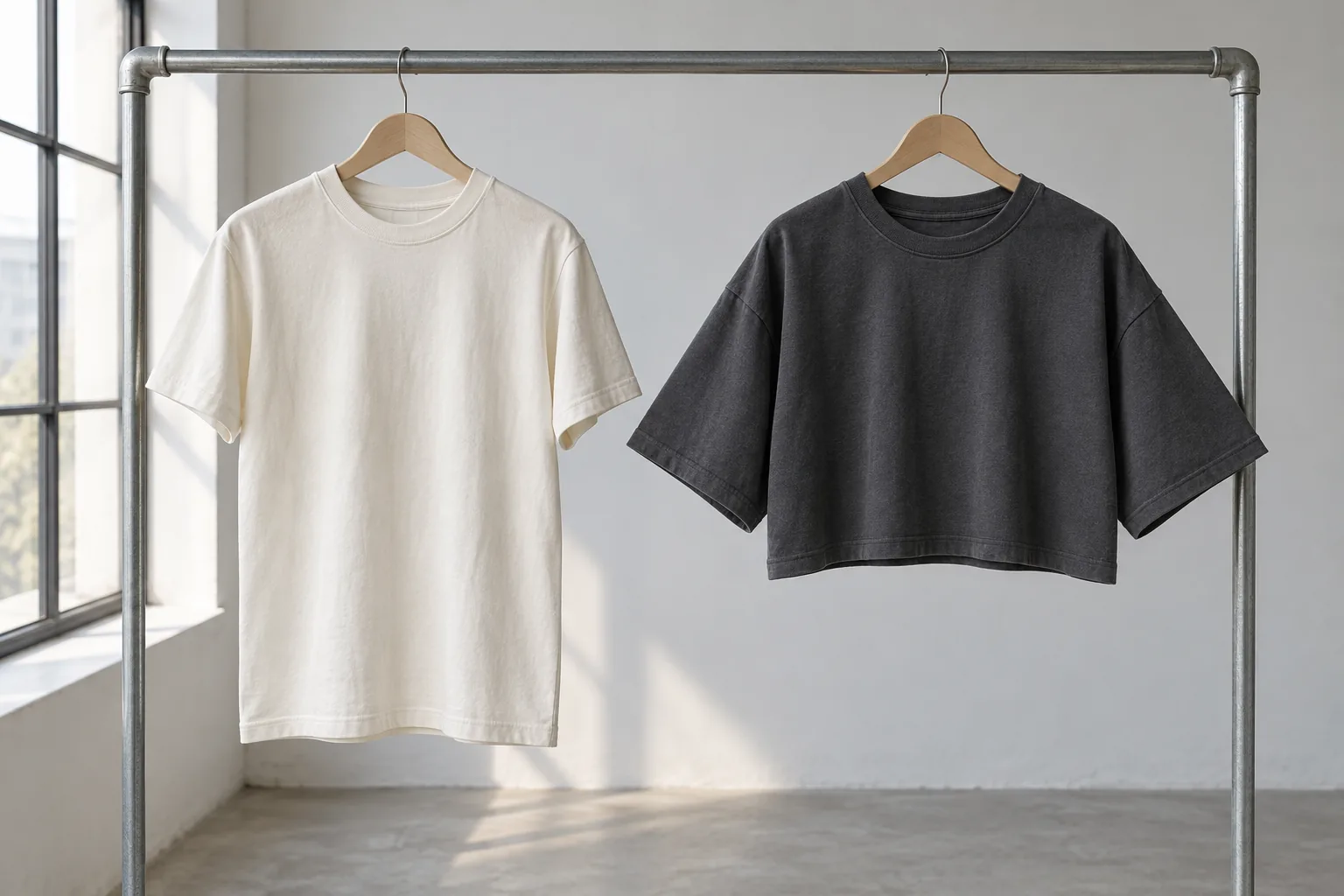
A blank T-shirt can disappoint for two different reasons: it can feel ordinary at a premium retail position, or it can lose the exaggerated shape that made a streetwear design worth buying. Those failures need different controls. Adding heavier fabric, more topstitching, and elaborate packaging to both products can increase complexity without protecting the feature customers actually notice.
For a buyer comparing premium basics vs streetwear basics, the useful question is where failure would hurt the product most. A restrained everyday tee may depend on a smooth neckline and repeatable fit. A cropped, boxy tee may depend on the relationship between sleeve volume, body width, and fabric stiffness. Set the product standard around that promise, then add only the specifications needed to keep it intact.
Spend the specification budget on the likely return reason
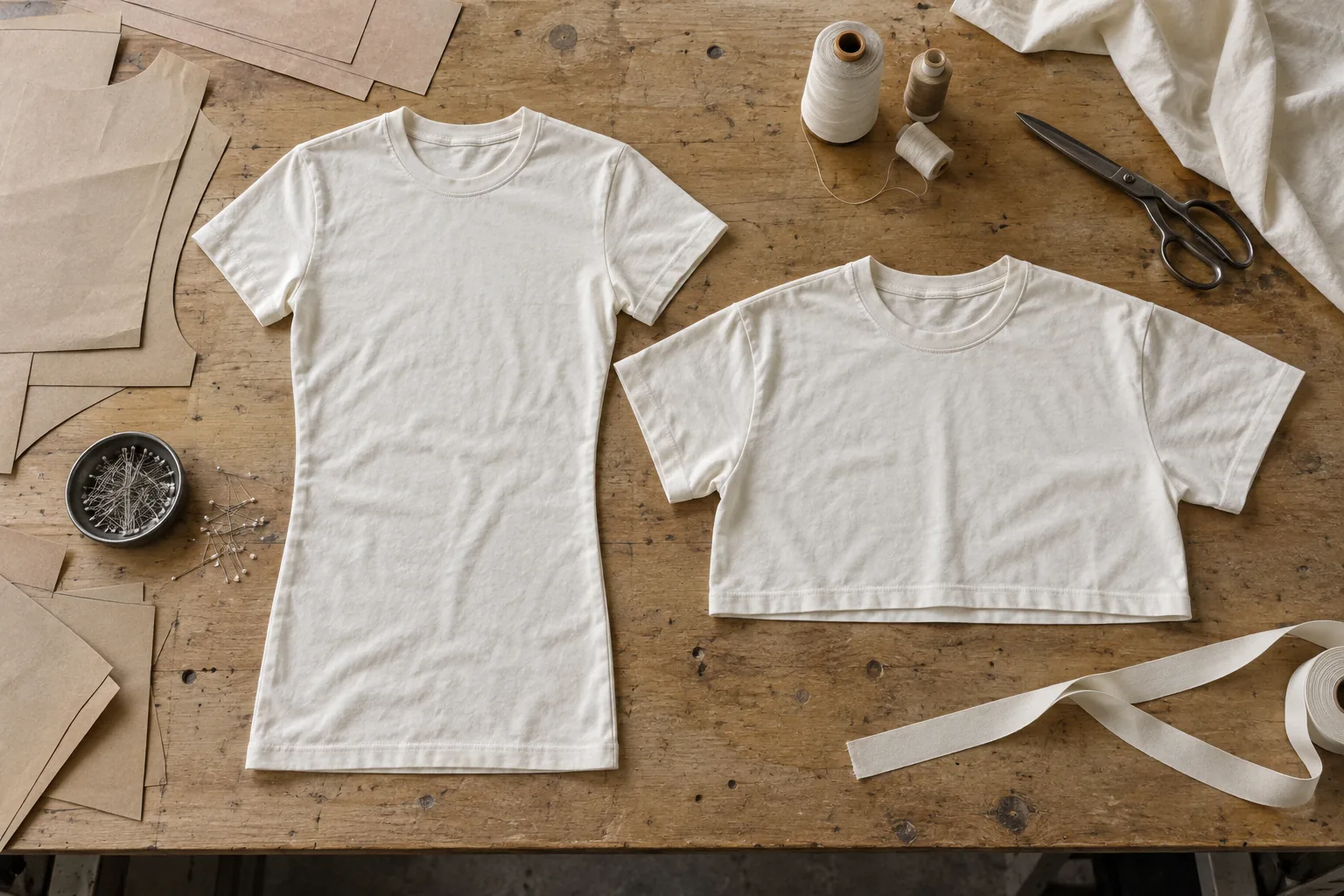
Start with one sentence describing a plausible customer complaint. For a close-fitting jersey tee, it might be “the neck looks stretched after washing.” For a wide streetwear tee, it might be “the sleeves collapse and make the shoulders look narrow.” These are useful development inputs because they identify something a sample can demonstrate.
Neither category has an automatic quality advantage. Streetwear can demand exceptionally consistent construction, while a premium basic can have a deliberately relaxed silhouette. The difference is which deviations break the design. A slightly uneven hem may be conspicuous on a clean, minimal tee; an uncontrolled shoulder drop may be more damaging to a sculptural oversized style.
Choose three release-critical features for the first style, such as neckline recovery, washed body length, and opacity. Record other preferences separately. This prevents a decorative seam or unusual trim from consuming sampling time while the actual purchase promise remains unresolved. Safety and functional integrity remain requirements regardless of this priority list.
Use fabric behavior to decide whether extra weight earns its place
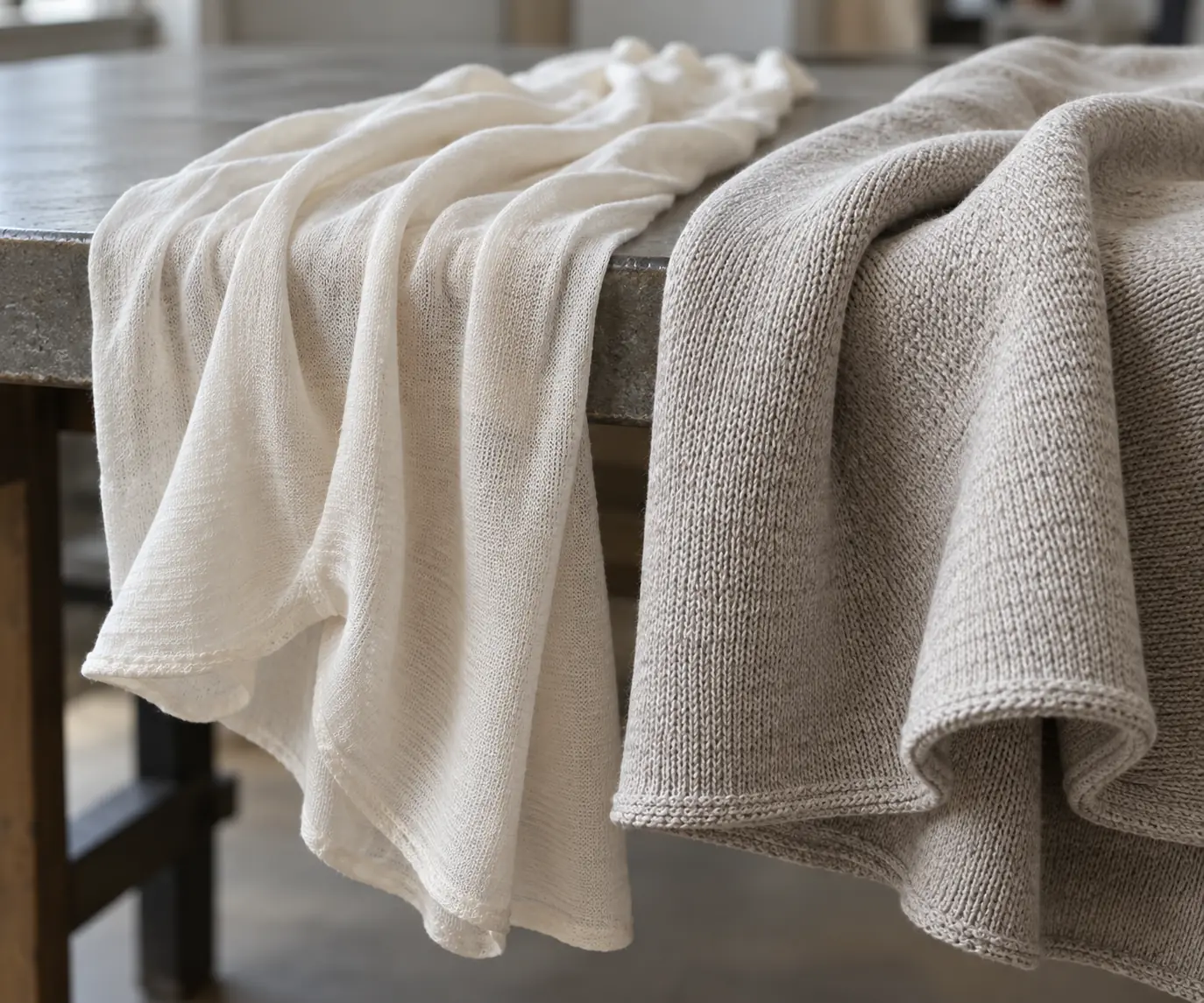
Fabric weight is a selection input, not a finished quality grade. As illustrative development options, a buyer might compare a 200 GSM jersey with a 260 GSM jersey for the same tee. These figures are examples, not category thresholds. The heavier option may support a broad sleeve, yet feel too rigid beneath a jacket. The lighter option may hang cleanly but reveal more through a pale color.
Ask for swatches with composition, nominal GSM, finish, and available colors identified. Compare them after the intended care cycle as well as before washing. Softener can influence the first impression; fabric structure, yarn choice, and finishing also affect what remains after care. Do not approve by touch alone.
For a streetwear silhouette, hang a sleeve-sized panel and observe whether it holds the intended opening. For a refined everyday tee, examine a doubled neckline sample and the fabric over a contrasting background. These inexpensive checks help eliminate unsuitable candidates before making complete garments. They do not replace fit and wash trials on the actual sample.
Turn the visual idea into a small set of measurable controls
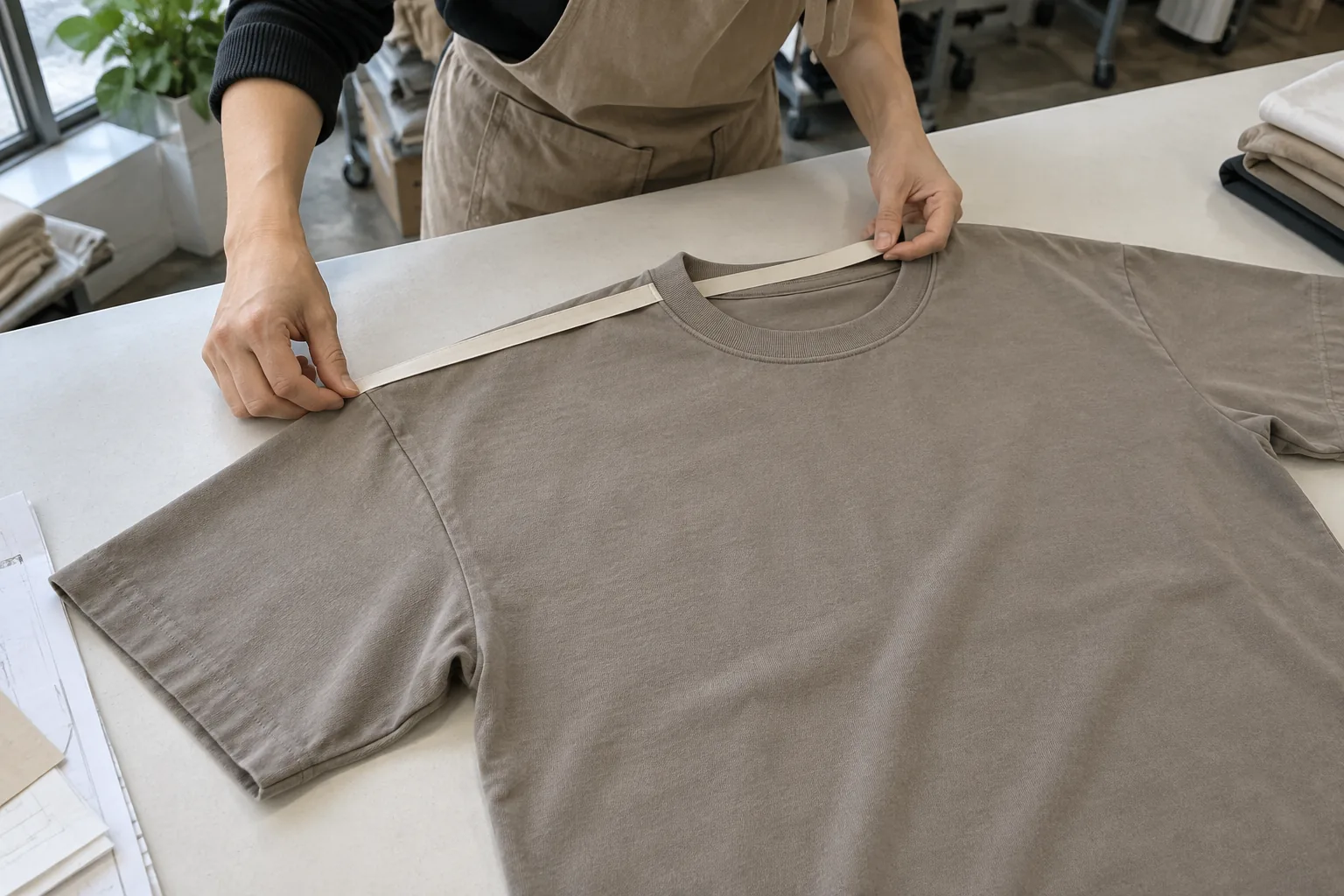
A reference photograph cannot tell the pattern maker how much volume belongs in the chest versus the sleeve. Define the measurement method, sample size, and garment condition for each important dimension. A chest measurement taken flat below the armhole is not interchangeable with a body circumference or a measurement taken across the armhole curve.
| Product promise | Control to define | Unnecessary addition to question |
|---|---|---|
| Clean everyday fit | Chest, body length, neck width, and recovery after care | Extra fabric weight with no wear benefit |
| Boxy streetwear shape | Chest-to-length relationship, shoulder drop, sleeve opening | Reinforcement that makes seams too rigid |
| Quiet surface finish | Approved color, visible seam appearance, and pilling assessment | Decorative stitching that interrupts the surface |
Use tighter tolerances selectively. For example, a buyer could propose ±0.5 cm for a release-critical neck width and ±1 cm for half-chest, subject to supplier confirmation for the fabric and construction. These are illustrative starting points, not universal acceptance limits. Specify whether they apply before or after washing, and avoid demanding precision the measurement method cannot reliably reproduce.
Check a second size when grading could change the design disproportionately. Adding chest width without considering sleeve opening or shoulder position can turn a balanced boxy tee into a different garment. An approved base size alone does not prove the size range preserves the intended proportions.
Make each sample answer one expensive question
Separate uncertainty about shape from uncertainty about finish. If the silhouette is new, establish the pattern in a suitable representative material before adding a custom wash or large graphic. If wash behavior is central to the design, however, the final fit decision must use the intended fabric and treatment. A substitute can answer only a limited question.
Write sample comments as decisions: “reduce finished body length by 2 cm; retain chest and sleeve opening” is actionable. “Make it more premium” invites simultaneous changes to fabric, neck construction, and fit. Keep dated measurements and photographs so the next sample can be evaluated against the actual request.
Before approving production, bring the interacting elements together in a representative garment. A broad print can stiffen a light jersey front; dense embroidery can distort a small chest area. A sample without those elements cannot settle the final drape question. Approve placement, backing, and appearance on the garment rather than relying solely on artwork dimensions.
StitchQuote offers a 7-day sample for standard styles with confirmed specifications and available materials. Complex styles, custom washes, and custom-developed fabric take longer. Use that distinction when setting milestones: an unresolved fabric or finishing choice should not be treated as a confirmed standard sample.
Build a release checklist around visible failure
QC should test the promised experience, with enough detail for two people to reach the same decision. Agree on inspection scope, sampling, defect classifications, and acceptance criteria before bulk production. The following checks are a practical starting point for jersey basics; test methods and limits need confirmation for each project.
- Shape: Lay the garment flat without stretching it. Check the agreed critical measurements and compare sleeve angle, shoulder position, and hem balance with the approved sample.
- Care stability: Record dimensions before and after the agreed wash and drying procedure. Calculate dimensional change consistently, and check twisting, collar distortion, and loss of the intended cropped or elongated proportion.
- Neckline: Examine rib attachment for puckering and uneven tension. Use an agreed stretch-and-recovery method rather than an undefined hand tug, and reassess appearance after care.
- Seams: Look for skipped stitches, holes, open seams, and rough internal joins. Check that seams extend sufficiently for the intended wear without thread breakage.
- Surface: Compare shade under agreed lighting, check pale colors for show-through, and inspect any print or embroidery for distortion. Match the inspection conditions to those used for approval.
- Pack accuracy: Confirm size identification, required branding, and quantities against the order. A correctly sewn garment with the wrong size label still creates a customer problem.
Keep a sealed approval sample and a short defect photo sheet. These make borderline decisions clearer than adjectives such as “luxury” or “heavy duty.” StitchQuote provides QC before packing; buyers should agree which product-specific checks and records are required for their order.
Keep the first order narrow enough to learn from
Every extra color, wash, and decoration method adds another variable to investigate if the product disappoints. For a new body shape, begin with a controlled assortment that still reflects the intended use. A pale option may be necessary to assess opacity; several nearly identical dark shades may contribute little useful information.
MOQ for most StitchQuote categories starts from 50 pieces per style; denim starts from 100 pieces per style. Confirm how the proposed colors, sizes, materials, and branding affect the specific order. A style-level starting MOQ does not establish an unrestricted allowance for every color or trim combination.
StitchQuote services include cut-and-sew, private label, sampling, fabric and trim sourcing, and branding through woven labels, prints, and embroidery. Select the services that resolve the brief. A standard available fabric and simple woven label can be sufficient when the distinction comes from an excellent pattern and consistent finishing.
Questions buyers ask when deciding how much standard to specify
Can one fabric support both a refined tee and a boxy tee?
Possibly, but approve each construction separately. A fabric that hangs smoothly in a narrower body may collapse at a wider sleeve opening. Shared sourcing is useful only if both garments pass their own fit and care checks.
Should every dimension have the tightest available tolerance?
No. Prioritize dimensions that change fit, appearance, or function. Excessively tight limits on low-impact measurements can increase rejection and rework without improving the customer’s experience. Agree realistic limits and consistent measuring methods with the supplier.
When is a custom wash worth the added development?
When the washed appearance or handle is central to the product promise and an available finish cannot achieve it. Approve the wash on the actual garment, including shade variation and dimensional effects, before treating the result as production-ready.
What should the factory receive before quoting this comparison?
Send the intended silhouette, critical measurements, fabric candidates, care expectations, branding details, quantities, and release-critical checks. Identify unresolved choices explicitly so the quotation can distinguish confirmed requirements from options needing development.
Related reading
- Prepare an apparel tech pack with measurable requirements
- Review sampling and MOQ planning
- Discuss your product standard with StitchQuote
Request a manufacturing quote
Share your product type, quantity range, and destination. We usually reply within one business day.