Custom Streetwear, Casualwear & Denim Manufacturer•MOQ 50 pcs•Denim MOQ 100 pcs•7-Day Sample Available

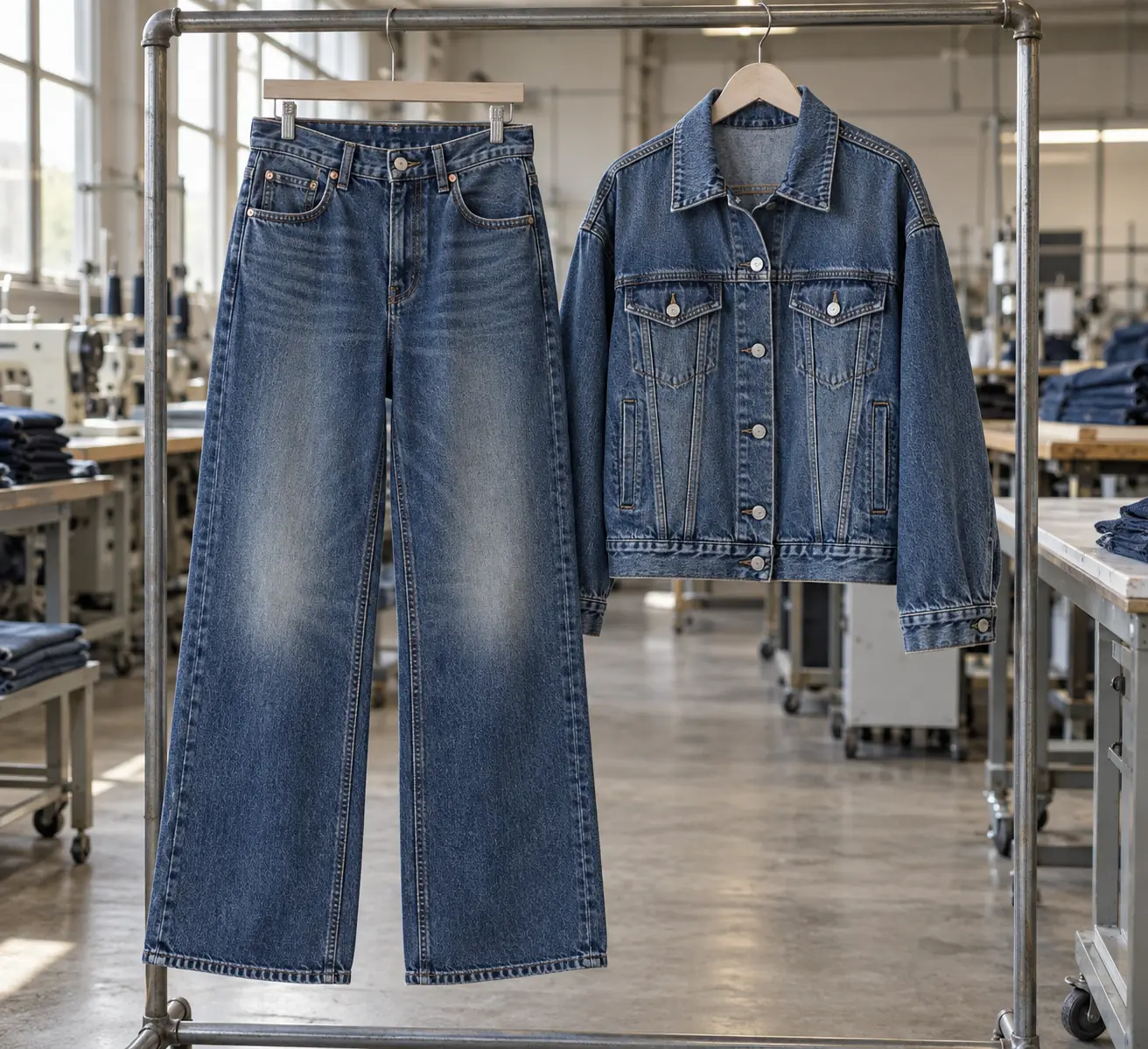
Streetwear Denim Manufacturer in China: What Buyers Usually Compare
Understand streetwear denim manufacturer china through fit, fabric, decoration, and production logic so streetwear and premium basics buyers can make cleaner.

When comparing a streetwear denim manufacturer in China, a convincing faded sample is only the beginning. The more useful question is whether the supplier can turn that appearance into an approved, traceable wash recipe while protecting the fit, fabric strength and details that make your design recognizable.
This comparison belongs between supplier shortlisting and bulk authorization. Give candidates the same fabric basis, garment construction and visual target, then compare the evidence behind their proposed finish. A pale baggy jean with dark seams and controlled knee abrasion requires more specific decisions than a request for “vintage blue.” Your approval should define what can vary, what must stay consistent and which changes require another sample.
Give every candidate the same wash challenge
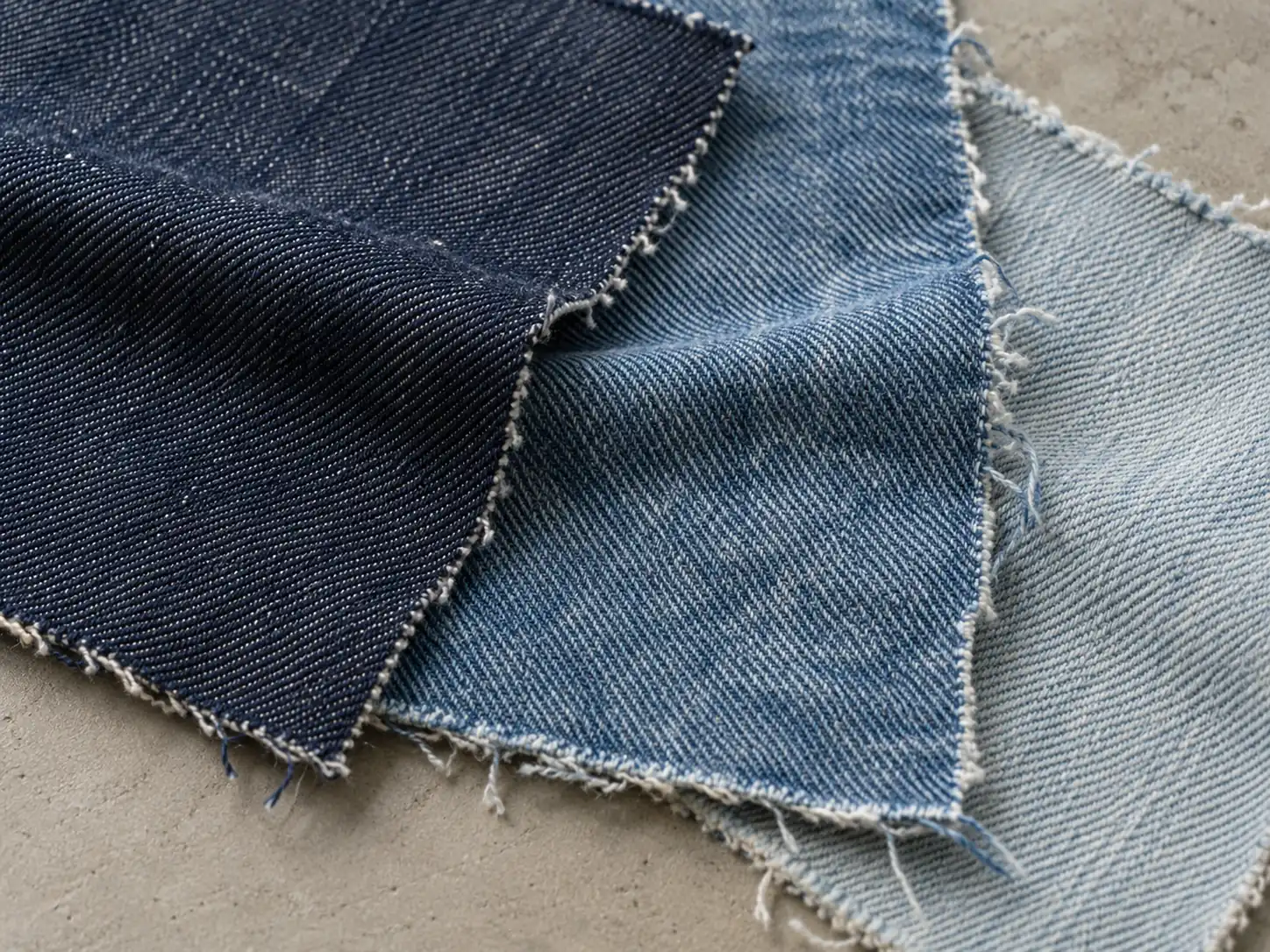
Separate the garment design from the wash effects before requesting samples. Specify composition, fabric weight and whether that weight describes unwashed or finished material. Identify stretch content, weave direction and the proposed fabric reference. Two suppliers using different base denim can produce similar photographs while delivering very different drape, recovery and fading behavior.
For example, a wide-leg carpenter jean might need an even medium-blue ground, darker pocket edges and localized fading above the knee. Describe these as separate targets. Attach front, back and close-up references, marking desirable effects and unwanted features. A reference garment with attractive color but excessive seam puckering should not silently authorize both.
Ask each candidate to identify assumptions before starting. Can it use the nominated fabric? Are substitute materials proposed? Is the finish dependent on manual abrasion? A supplier that exposes these variables gives you a stronger comparison basis than one that accepts a mood-board image without qualification.
Compare recipe control without demanding proprietary formulas
The buyer needs traceability, even when the washing facility keeps its exact chemical formulation confidential. Request a recipe identifier and revision linked to the garment sample, fabric lot and process route. Ask the supplier to describe the intended sequence, such as desizing, fading, local effects, rinsing, softening and drying, where applicable to the design.
Compare how candidates control the variables that affect repetition: machine type, loading basis, process time, temperature and drying endpoint. You do not need to prescribe settings without technical knowledge. You need evidence that settings are recorded, changes are reviewed and a beautiful one-off sample will not become an undocumented bulk experiment.
| Comparison point | Evidence to request | Decision it supports |
|---|---|---|
| Recipe identity | Revision tied to a physical sample | Which finish is authorized |
| Material basis | Fabric reference and lot record | Whether another lot needs a trial |
| Manual effects | Placement map and intensity limits | How operator variation is judged |
| Scale transition | Production trial proposal | Whether development can move to bulk |
Record who owns the approved reference and who can authorize revisions. If washing is performed by an outside facility, ask how the garment supplier communicates the standard and checks returned goods. Compare the control method rather than assuming that the location of the washing equipment guarantees consistency.
Approve color, abrasion and hand feel as separate decisions
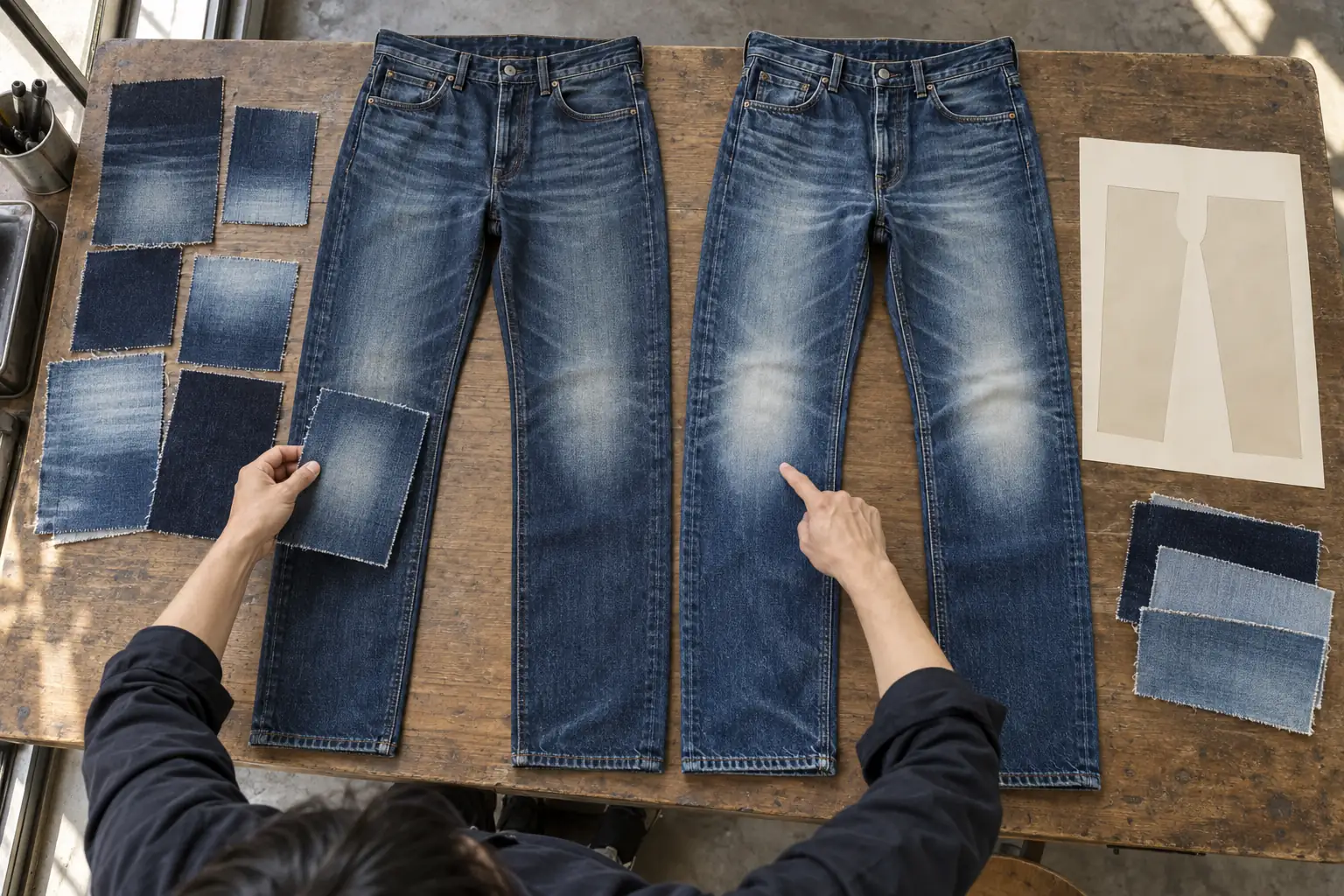
A single “wash approved” message hides several judgments. Review the ground shade first, then highlights, whiskers, abrasion placement and hand feel. For a black denim overshirt, you might accept charcoal fading across the panels but reject orange-brown cast at the seams. Name that distinction explicitly so the next revision solves the actual problem.
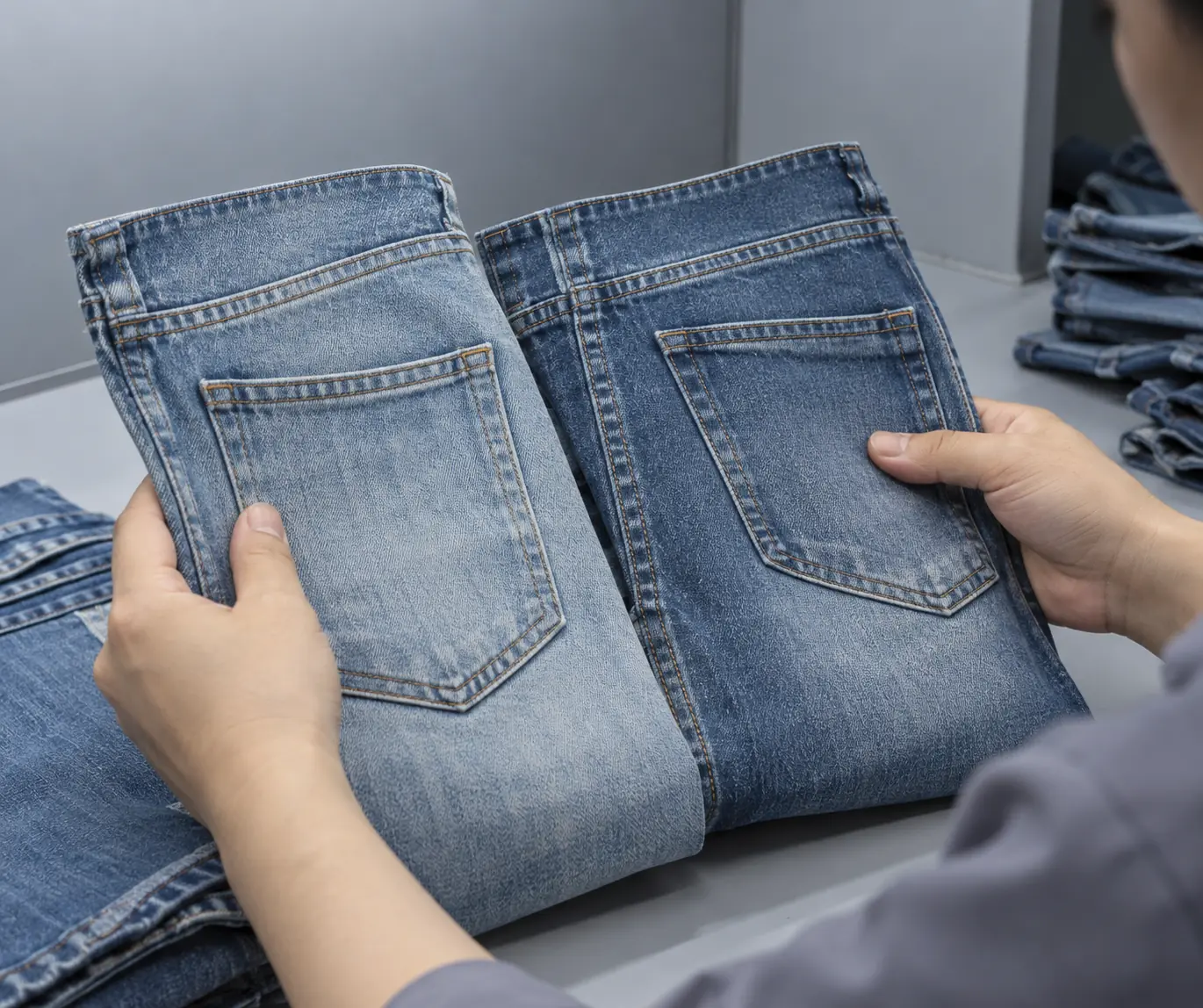
Compare physical samples under agreed lighting, preferably including a controlled daylight source and the lighting relevant to retail presentation. Phone images support discussion but should not be the sole color standard. Keep an approved reference protected from light and handling, with a separate working sample for routine comparisons.
For manual effects, define location from construction landmarks. A knee fade can be positioned relative to the crotch seam and inseam rather than “roughly halfway down.” Specify whether the placement shifts by size. Use annotated photographs or templates to show the allowed area and physical boundary samples to communicate acceptable intensity.
Hand feel needs comparable treatment too. Review garments after the same agreed drying and conditioning period. An unusually soft sample may conceal a drape or recovery problem that becomes obvious during wear. Approve softness together with structure: a sculptural wide leg and a relaxed shirt should not share an automatic finishing target.
Make washed measurements part of the supplier comparison
Wash development can change dimensions, twist seams and expose construction weaknesses. Ask candidates to report the same measurement points before and after processing, then compare the finished garment with your size specification. A good shade result cannot compensate for a waistband that misses the approved fit.
For an illustrative development sample, an inseam measuring 82 cm before washing and 79 cm afterward has shortened by about 3.7%. That observation informs pattern allowance; it does not establish a universal shrinkage rate. Repeat the assessment on the actual fabric and process, and review width changes separately from length changes.
Agree tolerances by measurement point before acceptance. As a project-specific discussion example, a brand might propose plus or minus 1 cm for finished inseam, then negotiate tighter or different limits elsewhere. These are proposed criteria, not industry guarantees. Define measuring technique, garment condition and whether waist measurements are taken relaxed or extended.
Review trims and sewing with the wash route. Pocket corners, belt loops, rivet areas and heavily abraded seams may behave differently from flat panels. A repair to reinforcement or stitch construction should trigger a targeted check that the corrected garment still produces the intended finish.
Use a release checklist before committing the full wash lot
Development approval should lead to a controlled production trial when sample processing does not represent the intended bulk equipment or load. Agree its quantity and acceptance method with the supplier. Review the trial before releasing the remaining garments, especially for aggressive fading, stretch denim or extensive handwork.
- Reference match: Confirm the approved sample, recipe revision, base fabric and trim set are the ones used for the trial.
- Appearance spread: Examine multiple garments for ground shade, seam contrast and effect placement. Establish acceptable boundaries rather than selecting only the best piece.
- Fit and distortion: Check agreed measurement points, leg twist, waistband shape and pocket alignment after finishing.
- Damage and function: Inspect abrasion zones, seam openings, fastener operation and reinforcement points. Agree any strength or colorfastness testing separately.
- Disposition: Record which garments pass, which require review and whether reprocessing is technically acceptable before authorizing it.
For bulk QC, define inspection coverage and how garments are selected across wash batches and sizes. Keep batch identity available through packing so a problem can be isolated. StitchQuote includes QC before packing; buyers should still agree the denim-specific inspection criteria and any requested laboratory testing in the project scope.
A second wash is not an automatic remedy for shade variation. It may increase shrinkage, weaken distressed areas or alter the hand feel. Require a rework trial and a new decision when correction changes the approved condition.
Compare development commitments alongside the finish
Ask candidates to separate first-sample work, wash revisions, production trials and bulk processing in their proposals. Confirm which material substitutions or design changes reopen approval. This reveals whether two quotations cover the same development effort, without reducing the decision to the lowest initial sample charge.
StitchQuote denim starts from 100 pieces per style; most other categories start from 50 pieces per style. Confirm how multiple washes within one style affect the proposed order. Do not assume that the style minimum automatically permits any split across finishes, sizes or fabric choices.
A 7-day sample is available for standard styles with confirmed specifications and available materials. Complex styles, custom washes and custom-developed fabric take longer. For a wash-led project, request timing against the actual approval route, including revision and trial decisions. StitchQuote services include cut-and-sew, private label, sampling, fabric and trim sourcing, and branding through woven labels, prints and embroidery; confirm when branding enters the wash sequence.
Questions buyers ask before signing off a recipe
Can one wash approval cover a matching jacket and jean?
Use a shared color target, but approve both constructions. Different seam density, panel sizes and trims can change appearance and processing behavior. Review the pieces together if customers will wear them as a set.
What happens if the bulk fabric comes from another lot?
Ask for a wash trial using the incoming lot before treating the earlier recipe as transferable. Compare shade, shrinkage and hand feel. Record whether the existing approval remains valid or a revised reference is needed.
Should distressed holes have exact dimensions?
Define permitted zones, maximum openings and protected structural areas. Physical references help describe fraying and exposed yarns. Where manual variation is intentional, approve a range while keeping reinforcement and coverage requirements explicit.
Who should approve a last-minute softener change?
The supplier should disclose a proposed change and its likely effects. The buyer’s designated approver should review a representative sample when appearance, feel or performance may change. Keep the authorization tied to a new recipe revision.
Related reading for the approval file
- Prepare the garment specifications for your tech pack
- Review sampling and minimum order planning
- Follow the denim wash approval process
- Discuss your wash development brief with StitchQuote
Request a manufacturing quote
Share your product type, quantity range, and destination. We usually reply within one business day.