Custom Streetwear, Casualwear & Denim Manufacturer•MOQ 50 pcs•Denim MOQ 100 pcs•7-Day Sample Available
What Buyers Can Delay and What They Must Decide Now
Learn what buyers must decide before sampling through a clearer factory-side view that helps brands reduce rework, align sample goals, and move toward approval with.

A buyer can leave plenty of choices open while developing a garment, but only if those choices do not undermine the work being approved today. Choosing a launch photograph can wait while a sweatshirt pattern is tested. Choosing whether that sweatshirt will be garment washed cannot: the finishing route may change shrinkage, hand feel, measurements, and decoration compatibility.
The useful checklist is therefore not simply “urgent versus later.” It is a record of which decisions authorize spending or physical work, which assumptions remain provisional, and when each open item becomes a blocker. Use the following checks before releasing a sample, ordering materials, or approving bulk production. The examples are working specifications to agree with your supplier, not universal manufacturing standards.
Check what your next approval actually releases
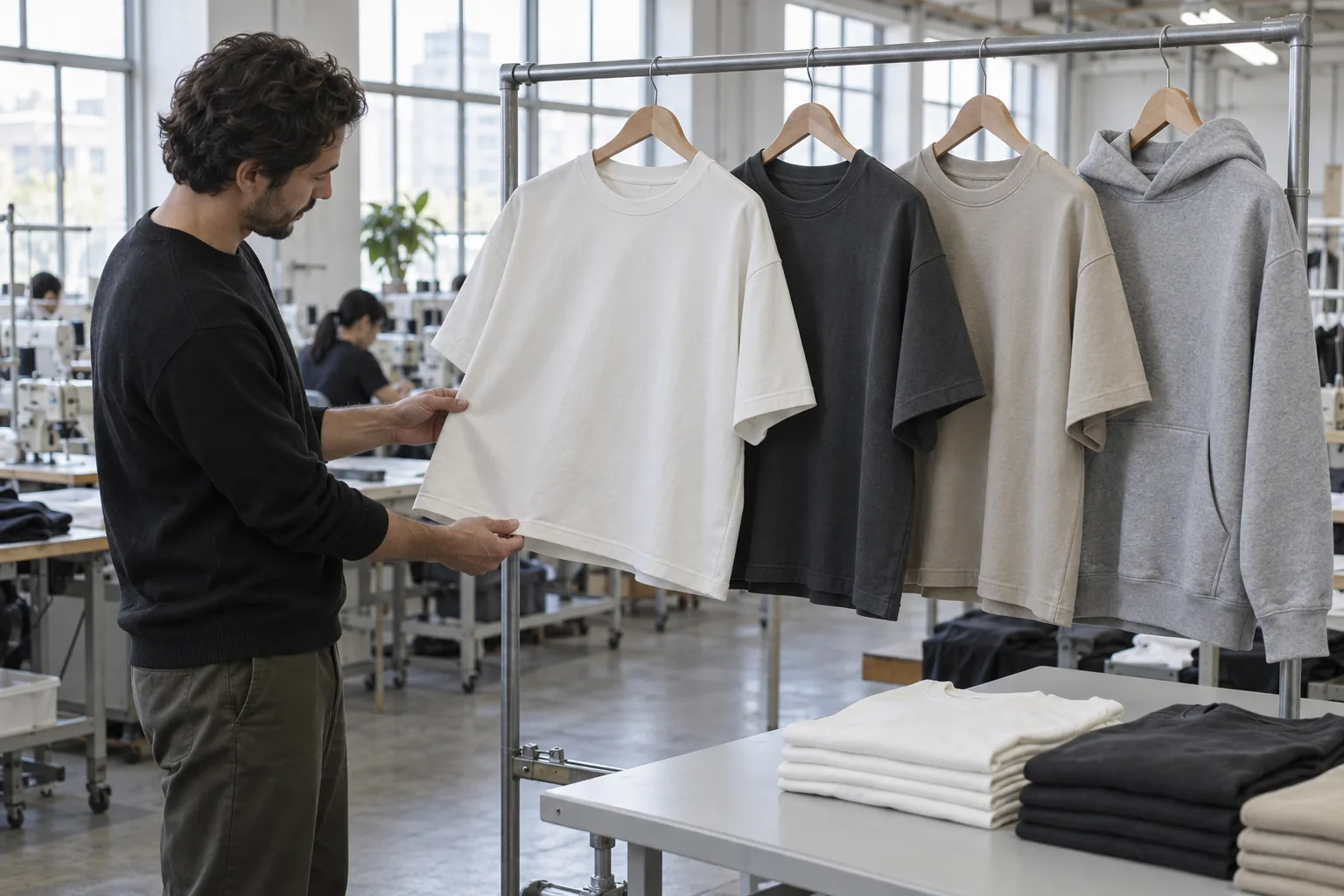
Start by writing one sentence that describes the authorized action. “Proceed with one fit sample in the agreed substitute jersey” is more useful than “Looks good, proceed.” The first instruction permits a limited experiment. The second could be interpreted as approval of fabric, fit, color, and production readiness together.
Ask what will be cut, purchased, dyed, printed, or booked after your reply. A decision deserves attention now when reversing it would make that work unusable. If nothing depends on the answer yet, assign a later deadline instead of forcing a premature choice.
- Decide now: the purpose of the next sample, the version being reviewed, and the person authorized to approve it.
- Keep provisional: options that the current sample is explicitly not testing.
- Record the boundary: identify any material purchase or bulk operation that still needs separate approval.
For example, a pocket shape can remain open during an early torso-fit test if the sample uses a temporary pocket. It cannot remain open once pocket embroidery files or cutting templates are released.
Lock the variables that can invalidate your fit test
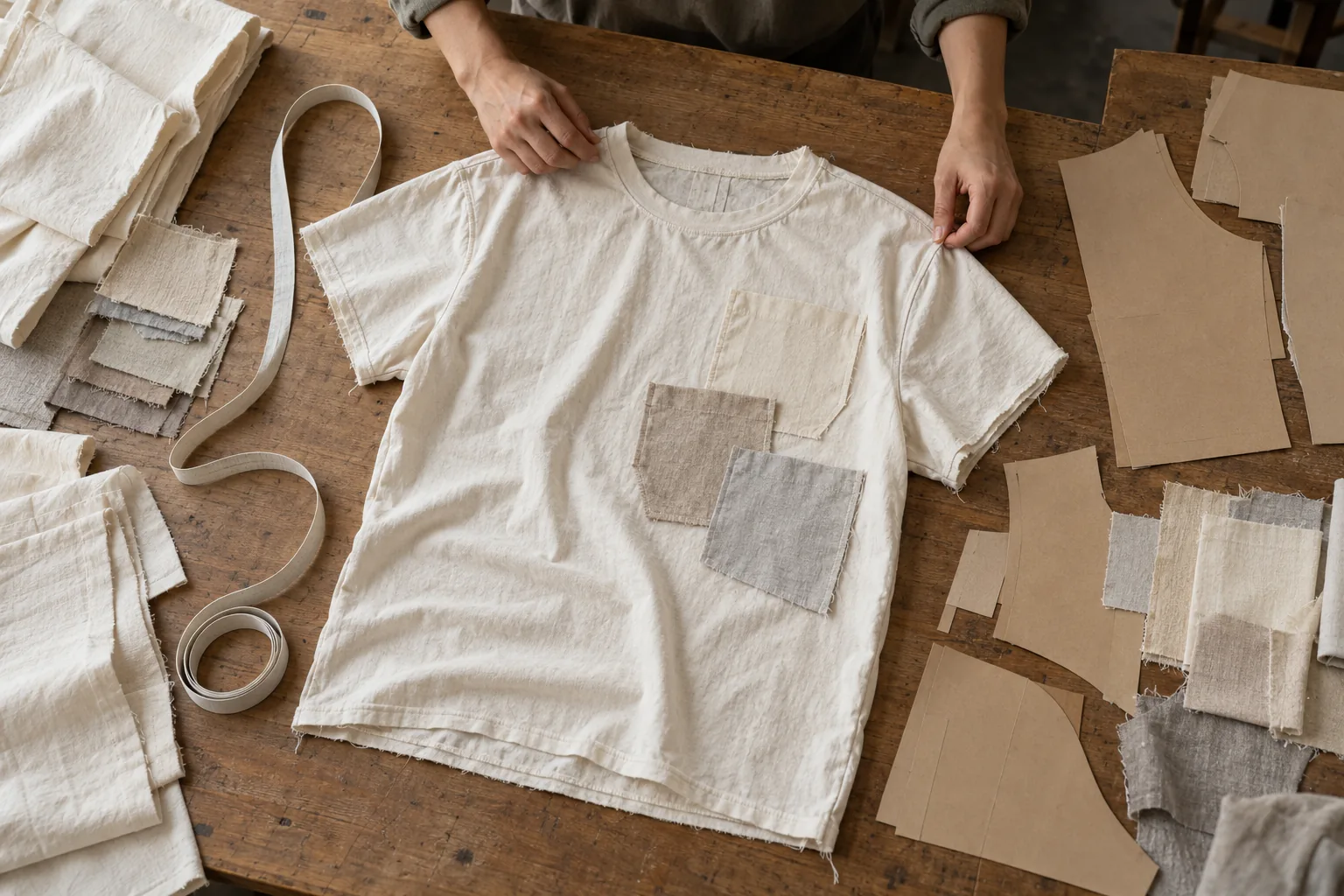
Before requesting a sample, settle the intended silhouette, base size, key measurements, and fabric behavior. An oversized cotton tee tested in a light, stretchy substitute will not reliably establish the drape of a heavier, compact jersey. You can still use that substitute to inspect construction, but label the fit conclusions as provisional.
A practical brief might specify a boxy tee in approximately 240 gsm cotton jersey, with the final weight and construction subject to fabric approval. Add how chest width, body length, and shoulder drop are measured. State whether measurements apply before or after washing and whether the garment should be laid flat without stretching. These details make comments comparable between rounds.
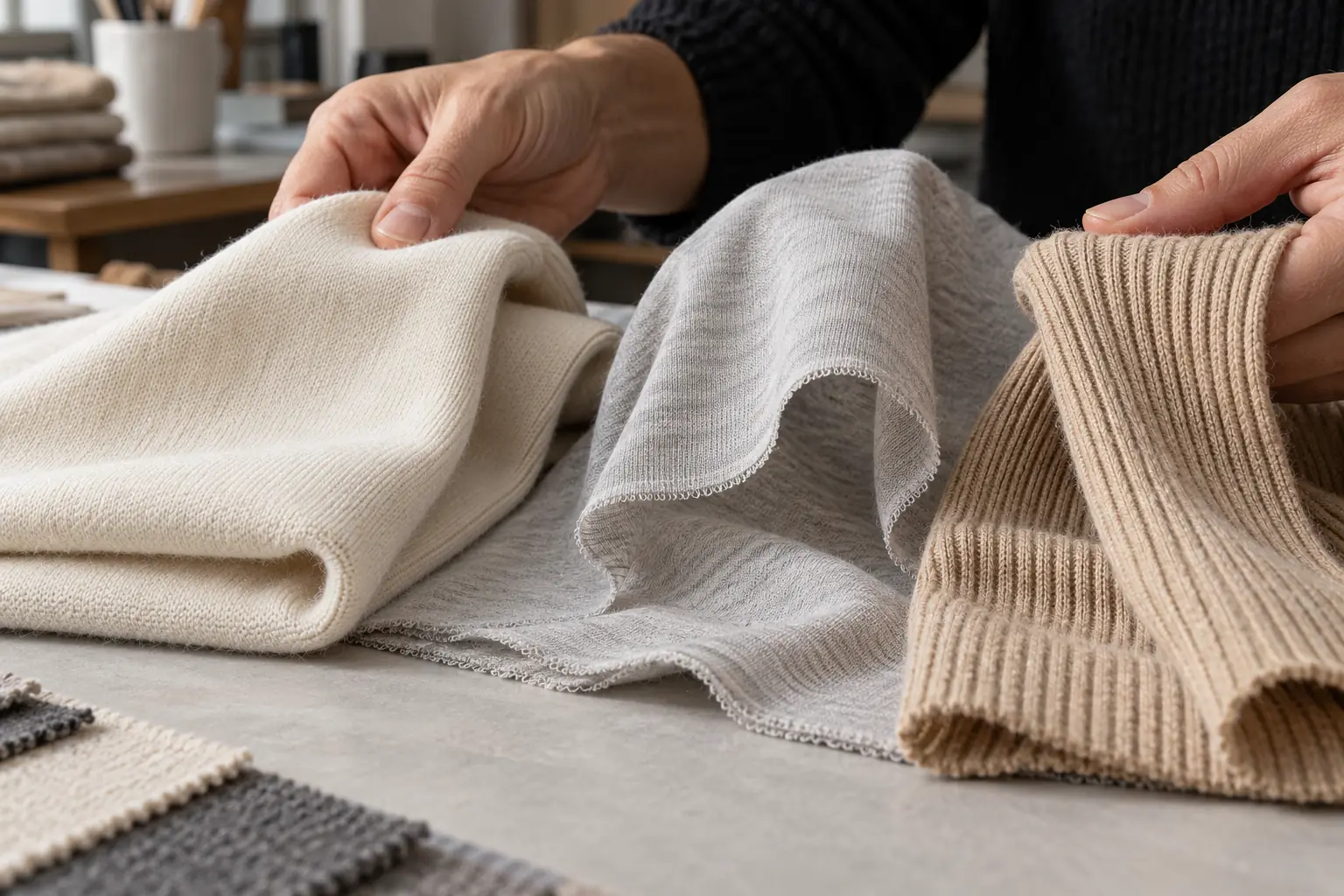
Decide on any finish that affects dimensions before approving the final fit. For denim, a rigid unwashed sample cannot prove the finished measurements of a washed style. For a fleece hoodie, changing rib stretch or recovery can alter the opening at the hem and cuffs even when the main-body pattern stays the same.
Color naming and campaign styling can often wait during this stage. Fabric composition, stretch direction, finish route, and intended wearing ease usually cannot. If the production fabric is unavailable, ask which conclusions require another sample in the correct material.
Give every deferred choice an expiration point
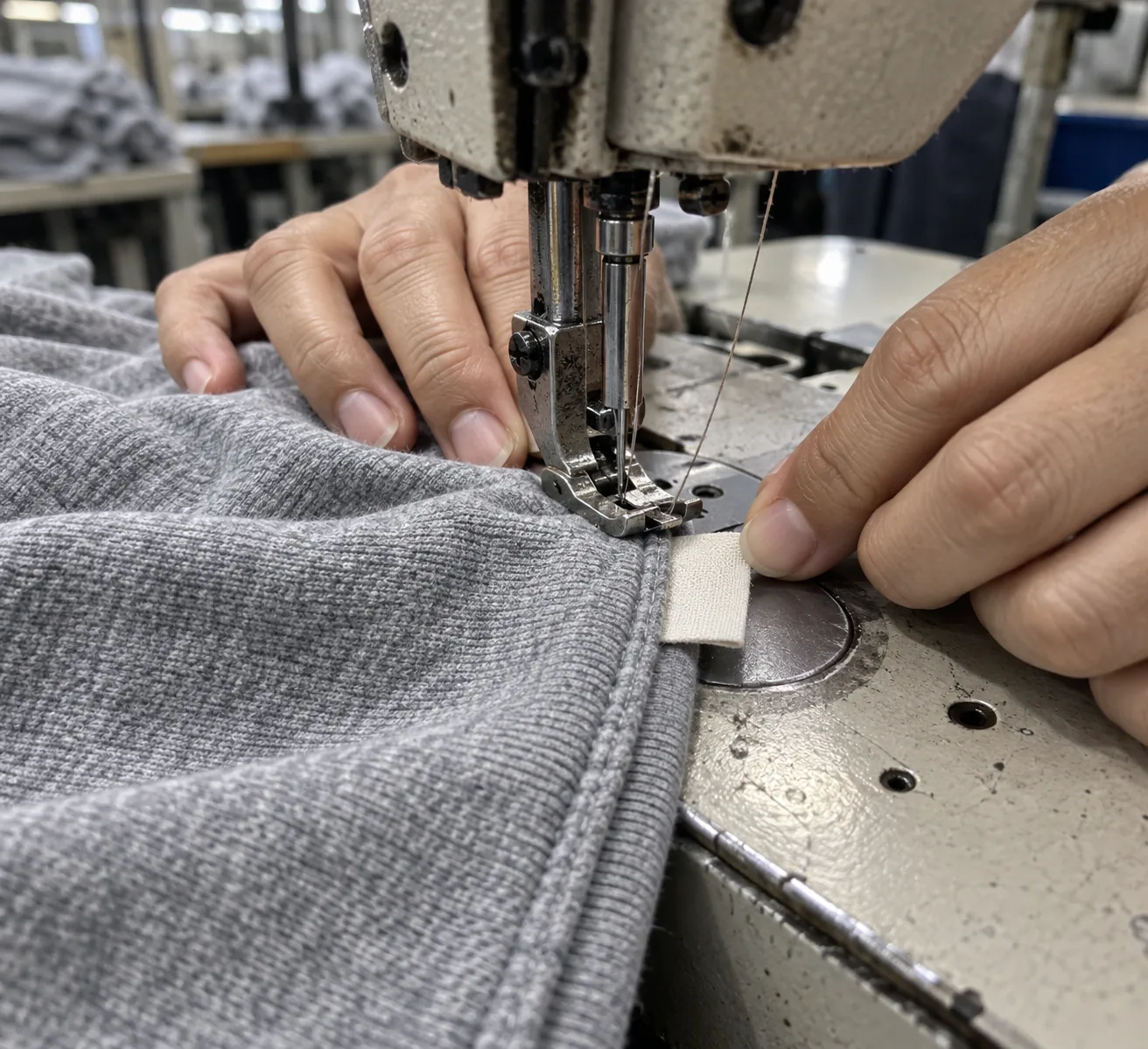
“Later” needs a defined trigger. A label design may seem cosmetic, but its dimensions and insertion method can affect seam construction. A barcode may remain unresolved longer if it goes on a separate hangtag, provided printing and packing deadlines still allow it.
| Open choice | May remain open while | Resolve before |
|---|---|---|
| Final color selection | Testing fit in a suitable stock fabric | Authorizing color-specific material commitments |
| Woven label artwork | Testing fit with agreed label dimensions | Label production and the relevant sewing operation |
| Size quantities | Reviewing the base-size sample | Approving size-dependent purchasing and cutting |
| Hangtag copy | Confirming garment construction | Print approval with time for delivery and packing |
| Campaign photographs | Developing and producing the garment | Your own content-production deadline |
These are dependency examples, not guaranteed scheduling allowances. Ask the supplier to confirm the actual cutoff for your project. Custom trim development or a restricted material supply can move a seemingly minor choice much earlier.
Maintain a short decision register with an owner, deadline, temporary assumption, and consequence of missing that deadline. For example: “Hangtag dimensions fixed; copy pending with brand owner; approve before print release; late copy moves packing.” This makes a deferred task visible without blocking unrelated work.
Separate a working quote from a purchasing commitment
You do not need every decorative detail finalized to discuss feasibility. You do need enough information to make the quote useful: garment category, approximate quantity, material specification, construction, decoration method, and delivery requirements. List uncertainties explicitly so an estimate does not become an accidental specification.
A small chest print and a large embroidered panel are not interchangeable placeholders. Even if artwork is unfinished, decide the likely method, approximate coverage, placement, and number of applications. Request a revised quote when these assumptions change rather than expecting the original estimate to absorb the difference.
At StitchQuote, MOQ for most categories starts from 50 pieces per style; denim starts from 100 pieces per style. Those starting points do not establish a particular fabric supplier’s minimum or guarantee every color split. Confirm how your proposed assortment interacts with material and trim requirements before committing to it.
A 7-day sample is available for standard styles with confirmed specs and available materials. Complex styles, custom washes, and custom-developed fabric take longer. Treat unresolved specifications as work that must be completed before relying on that sample option, and confirm timing for the actual style.
Use a release checklist that catches expensive reversals
Before bulk authorization, review the garment against the approved reference and the latest specification. This is where deferred decisions must either be closed or explicitly excluded from the authorized work. A general “approved” message should not conceal an unresolved measurement or finish issue.
- Measurements: confirm points of measure, size grading, and agreed tolerances. An illustrative flat chest-width tolerance might be ±1 cm; a narrow placement detail may need a different limit. Agree limits for each relevant feature rather than copying one across the garment.
- Condition: state whether QC measures the garment as packed, after finishing, or after a defined wash test. Keep the washing and drying method consistent when comparing dimensional change.
- Appearance: identify the approved color or wash reference, acceptable shade variation, and how matching panels or components will be assessed.
- Construction: inspect pocket reinforcement, seam security, zipper operation where applicable, and any bulky intersections that affect comfort.
- Branding: check artwork version, physical size, placement measured from a named seam, orientation, and attachment method.
- Packing: confirm size identification, assortment, and any destination-specific information the buyer must supply before packing begins.
StitchQuote provides QC before packing. Agree the inspection criteria in advance so that checks refer to measurable requirements. If a mismatch appears, specify whether to hold the affected pieces, review a correction, or request further evidence before release.
Reopen decisions only with a clear impact review
A locked choice can change, but the buyer should first establish what has already happened. Moving a print after screens or transfer artwork are prepared is different from moving it while the design is still a sketch. Changing sleeve length after cutting may leave no practical correction route.
Send one consolidated change request naming the old requirement, new requirement, affected sizes or colors, and reason. Ask for the effect on materials, sample validity, cost, and timing. Keep the existing approval in force only for work that remains valid; identify any affected operation that needs to pause.
Then issue a dated revision and withdraw superseded instructions from the active approval chain. One buyer should consolidate feedback from merchandising, design, and marketing. Contradictory comments from several people can turn a deliberately deferred decision into an unplanned remake.
Questions buyers ask when keeping options open
Can I approve fit while rejecting the sample color?
Yes, if the fabric behavior and finishing are suitable for the fit assessment. State “fit approved only” and identify the color approval still required. If the eventual dyeing or finishing route changes dimensions or hand feel, ask whether fit needs rechecking.
Can the size split wait until after the base-size sample?
Often it can, but confirm when quantities become necessary for fabric planning and cutting. Base-size approval also does not establish that every graded size fits correctly. Agree whether additional size samples or measurement reviews are needed before release.
What if a delayed decision misses its cutoff?
Ask which operations can continue and which must stop. Obtain a revised sequence before approving a substitute or accepting a schedule change. Avoid making a rushed material substitution solely to preserve an earlier date; it may invalidate previous approvals.
What should I send when several choices are still unresolved?
Send the current specification plus a short list of open items, proposed assumptions, and the next action you want authorized. StitchQuote offers cut-and-sew, private label, sampling, fabric and trim sourcing, and branding including woven labels, prints, and embroidery. Identify which support your project needs.
Related reading and next steps
- Prepare a tech pack that records your decisions
- Review sampling and MOQ considerations
- Discuss your open project decisions with StitchQuote
Request a manufacturing quote
Share your product type, quantity range, and destination. We usually reply within one business day.