Custom Streetwear, Casualwear & Denim Manufacturer•MOQ 50 pcs•Denim MOQ 100 pcs•7-Day Sample Available
Complete Guide to Hoodie Manufacturing
A factory-side hoodie manufacturing hub covering GSM, fabric composition, rib, fit direction, decoration, private label details, and what makes a hoodie feel commercially premium.
Manufacturing guide
A factory-side hoodie manufacturing hub covering GSM, fabric composition, rib, fit direction, decoration, private label details, and what makes a hoodie feel commercially premium.
Plan your sample review
Compare hoodie fabric weight, fit, trims, decoration, and private label details before setting the sampling priorities for your collection.
Topic
complete guide to hoodie manufacturing
Buyer priorities
Compare hoodie fabric weight, fit, trims, decoration, and private label details before setting the sampling priorities for your collection.
Use This Page Like a Buyer Decision Hub
The goal is to connect topic authority with real production choices, not just create another isolated article.
Module 01
Overview
Start with the buyer-side summary and confirm what this page is designed to answer.
Module 02
Decision matrix
Use the comparison table to judge cost, timing, and production trade-offs faster.
Module 03
Deep-dive sections
Read the practical sections built around sampling, production, and commercialization logic.
Module 04
Workflow
Check the order in which buyers usually lock the key decisions.
Module 05
Featured guides
Move into the linked resource articles that support this topic cluster.
Module 06
Next step
Jump to the most relevant service path or inquiry page when the brief is getting serious.
Module 07
FAQ
Read the short questions buyers usually ask before requesting a quote.
Module 08
Contact
Move directly to the inquiry form when you are ready to share project details.
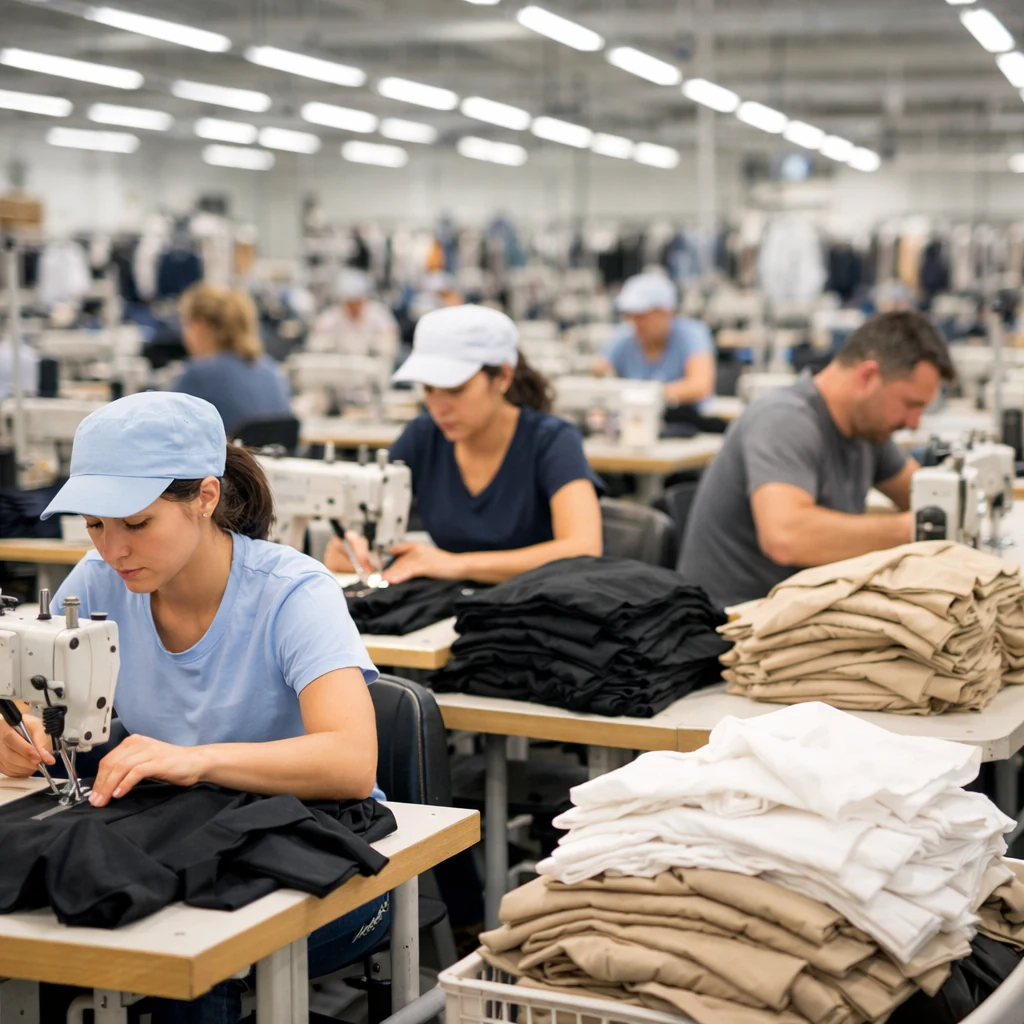
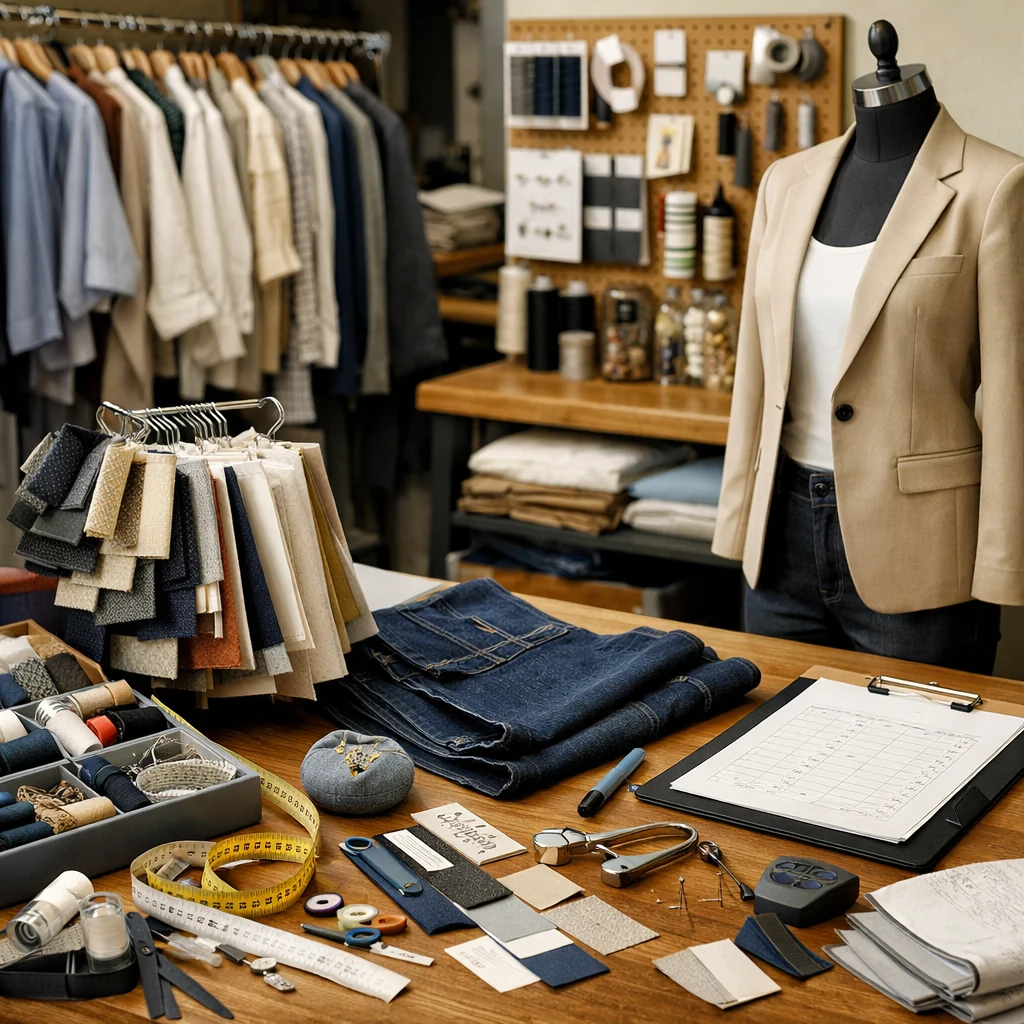
Factory-Side Visual References
These visuals keep the topic grounded in sampling rooms, production floors, quality checkpoints, and practical factory communication.
Who this is for
Who This Hoodie Manufacturing Hub Is Built For
This page is for brands developing custom hoodies that need more than a blank-garment answer. It is especially useful when the product has to carry fit attitude, fabric identity, private label detailing, or premium pricing logic.
- Streetwear labels developing oversized or heavyweight hoodie programs
- Private-label buyers comparing rib, fabric, and decoration decisions before sampling
- Premium-basics brands that want a better hoodie system instead of a generic blank
- Startups deciding whether heavyweight hoodie claims actually fit the target market
- Teams trying to connect hoodie design language with realistic factory execution
Buyer logic
Why hoodies deserve a cluster hub
Hoodie decisions are rarely isolated. GSM, cotton content, rib quality, silhouette, wash result, and decoration method all change how premium the garment really feels once it reaches the customer.
Core Hoodie Manufacturing Decisions Buyers Compare First
Most hoodie programs become easier to quote and sample when the team clarifies which choices are structural, which are styling-led, and which are brand-facing extras.
| Decision area | What it changes | What buyers should compare | Common risk |
|---|---|---|---|
| Fabric weight | Body, warmth, drape, and price position | 320 GSM vs 400 GSM vs 500 GSM, plus whether the style really needs heavyweight identity | Choosing weight as a bragging point without matching the intended market |
| Fabric composition | Hand feel, durability, shrinkage behavior, and cost | Cotton vs cotton-poly blends, plus yarn and knit stability | Treating 100% cotton as automatically better for every hoodie |
| Silhouette | How the hoodie reads on body and on rack | Oversized fit, boxy balance, drop shoulder, and rib recovery | Using trendy shape language without checking fabric support |
| Decoration method | Perceived value, texture, and artwork clarity | Puff print, screen print, embroidery, placement scale, and how the decoration ages | Choosing decoration in isolation from fabric weight and artwork intent |
| Private label detail | How complete and premium the final garment feels | Labels, neck prints, hangtags, packaging, and branded finishing restraint | Adding branding layers before the garment itself feels commercially right |
Fabric weight should support the product story, not replace it
Buyers often start hoodie development with GSM because it feels concrete. That is useful, but only to a point. A heavyweight hoodie still needs the right silhouette, rib quality, recovery, and finishing direction to feel worth its target price. On the other side, a midweight hoodie can still feel premium if the fit, fabric hand, and decoration all work together.
That is why this hub links fabric comparisons like 320 GSM vs 400 GSM vs 500 GSM hoodies and cotton vs cotton polyester for hoodies into a broader product system instead of treating the weight number as the full answer.
Fit language changes how the hoodie is perceived before anyone reads the label
Shoulder line, body width, body length, cuff tension, and hood size all change whether a hoodie feels directional, premium, relaxed, or generic. Brands chasing a streetwear position usually need the pattern to carry more of that identity than the logo does.
Pages like how to develop an oversized hoodie fit, drop shoulder vs regular shoulder hoodies, and rib weight and why it matters belong together because they describe one pattern-and-material system, not unrelated trivia.
- Fit shape and fabric body should reinforce each other.
- Rib quality matters more on premium hoodies than many buyers expect.
- A stronger silhouette often creates more value than one extra branding add-on.
Decoration should be chosen with fabric, brand language, and repeatability in mind
Puff print, standard screen print, and embroidery all create different value signals. The right method depends on artwork scale, garment body, texture goals, and how the piece should age after wear and washing. Premium hoodies do not automatically need the most expensive decoration; they need the one that fits the product identity and can be repeated cleanly.
This is why buyers usually benefit from comparing puff print vs screen print alongside embroidery vs screen print for premium hoodies before locking the sample brief.
A Practical Hoodie Development Workflow
The best hoodie workflow usually starts with product position and fit, then moves into materials, decoration, and private label extras in that order.
Lock the hoodie’s target position: premium basics, heavyweight streetwear, or comfort-led core product.
Choose fabric weight, composition, and rib direction based on how the hoodie should feel and hang.
Develop the fit standard before finalizing decoration scale or packaging extras.
Approve decoration, labels, and branded details only after the garment itself feels right in sample.
Move into bulk only when fabric, rib, fit, trims, and branding all point to the same commercial story.
Featured Guides in This Topic Cluster
Use these supporting articles to move from broad topic understanding into narrower decisions about sampling, pricing, materials, and production execution.
Featured guide
320 GSM vs 400 GSM vs 500 GSM Hoodies
Best starting point if the team is still deciding how heavy the hoodie should really feel.
Featured guide
Cotton vs Cotton Polyester for Hoodies
Useful when the brief is balancing premium feel, durability, and shrinkage expectations.
Featured guide
What Is Rib Weight and Why It Matters in Hoodies
Important when cuffs and hem quality are part of the premium value story.
Featured guide
How to Develop an Oversized Hoodie Fit
Pairs well with this hub when the hoodie needs a stronger streetwear silhouette.
Featured guide
Drop Shoulder vs Regular Shoulder Hoodies
Use this when the shoulder line is changing the whole mood of the product.
Featured guide
Puff Print vs Screen Print for Streetwear
Useful when print texture and brand language matter more than raw decoration cost.
Featured guide
Embroidery vs Screen Print for Premium Hoodies
Helpful when the hoodie needs a more premium or restrained decoration choice.
Featured guide
What Makes a Hoodie Feel Premium
Connects fabric, fit, rib, finishing, and branding into one premium product logic.
Next Step if You Are Moving Toward Production
These service pages are the fastest route from research into a real sampling, MOQ, or factory conversation.
Next step
Custom Streetwear Manufacturer
Best next step when the hoodie program is part of a broader streetwear line.
Next step
Private Label Clothing Manufacturer
Useful when labels, neck prints, packaging, and branded finishing are part of the decision.
Next step
Request a Quote
Move here when your hoodie brief is stable enough for a factory-side review.
Frequently asked
Questions Buyers Usually Ask Before They Inquire
These questions are written for apparel buyers trying to connect search research with the next practical sourcing decision.
Does a premium hoodie always need heavyweight fabric?
No. Heavier weight can help, but premium hoodies usually depend on fit balance, rib quality, fabric hand, and finishing consistency as much as raw GSM.
Should decoration be chosen before the fit sample is approved?
Usually no. Buyers often make cleaner decoration decisions after the garment body, silhouette, and fabric behavior already feel commercially right.
Commercial Manufacturer Hubs
Compare manufacturing options by product type, order size, and branding needs. Review the relevant sampling and production requirements before sending your brief.
Start your inquiry
Planning a Hoodie Program With More Structure?
Send the fit direction, fabric target, artwork references, branding scope, and quantity goal. We can help you narrow the right development path before sampling gets expensive.
Useful for oversized, premium-basics, private label, and heavyweight hoodie programs.
Helps connect GSM, fit, decoration, and branding into one cleaner brief.
A stronger hoodie system usually improves both sample quality and price alignment.
Request a Quote
Share your product type, target quantity, sample needs, and references. We review the best production path, then reply with the next practical step.
Most categories start from 50 pcs per style. Denim starts from 100 pcs per style. You can also email info@stitchquote.com or message WhatsApp +86 15920568771.