Custom Streetwear, Casualwear & Denim Manufacturer•MOQ 50 pcs•Denim MOQ 100 pcs•7-Day Sample Available

How to Compare Two Clothing Factory Quotes Without Missing Key Differences
Use this factory-side guide to compare two clothing factory quotes without missing key differences more clearly across supplier fit, quote scope, approvals, and.

A factory quote becomes useful only when you know what it will cost to put sellable garments into your receiving warehouse. A low unit rate can conceal separate decoration charges, a costly freight handover, or a size mix that leaves you buying units your customers rarely order. Comparing the bottom lines before resolving those differences can turn an apparent saving into a margin problem.
To compare two clothing factory quotes, build a common cost boundary first. The method below is for buyers who already have competing offers and need to choose a production partner, negotiate exclusions, and authorize a deposit with a defensible landed-cost estimate.
Choose the destination and the denominator before comparing prices
Define the endpoint as a specific warehouse or fulfillment center, not simply “delivered.” Record its country, postal code, receiving requirements, and whether unloading or appointment charges apply. Both offers must cover the same journey, even when the factories stop taking responsibility at different points.
Next, distinguish ordered units from sellable units. Your purchase order may include development extras, test garments, or stock reserved for photography. Those pieces consume cash but do not all generate sales. For an internal buying decision, calculate cost per planned sellable unit alongside the contractual price per ordered piece.
Decision cost per sellable unit = production, development, logistics, import and receiving costs, plus a separately identified risk allowance, divided by expected sellable units. Keep recoverable import tax outside the economic-cost total where appropriate, but include it in the cash requirement until recovered. Ask your accountant to confirm treatment in the destination market.
Give both offers one identical garment specification
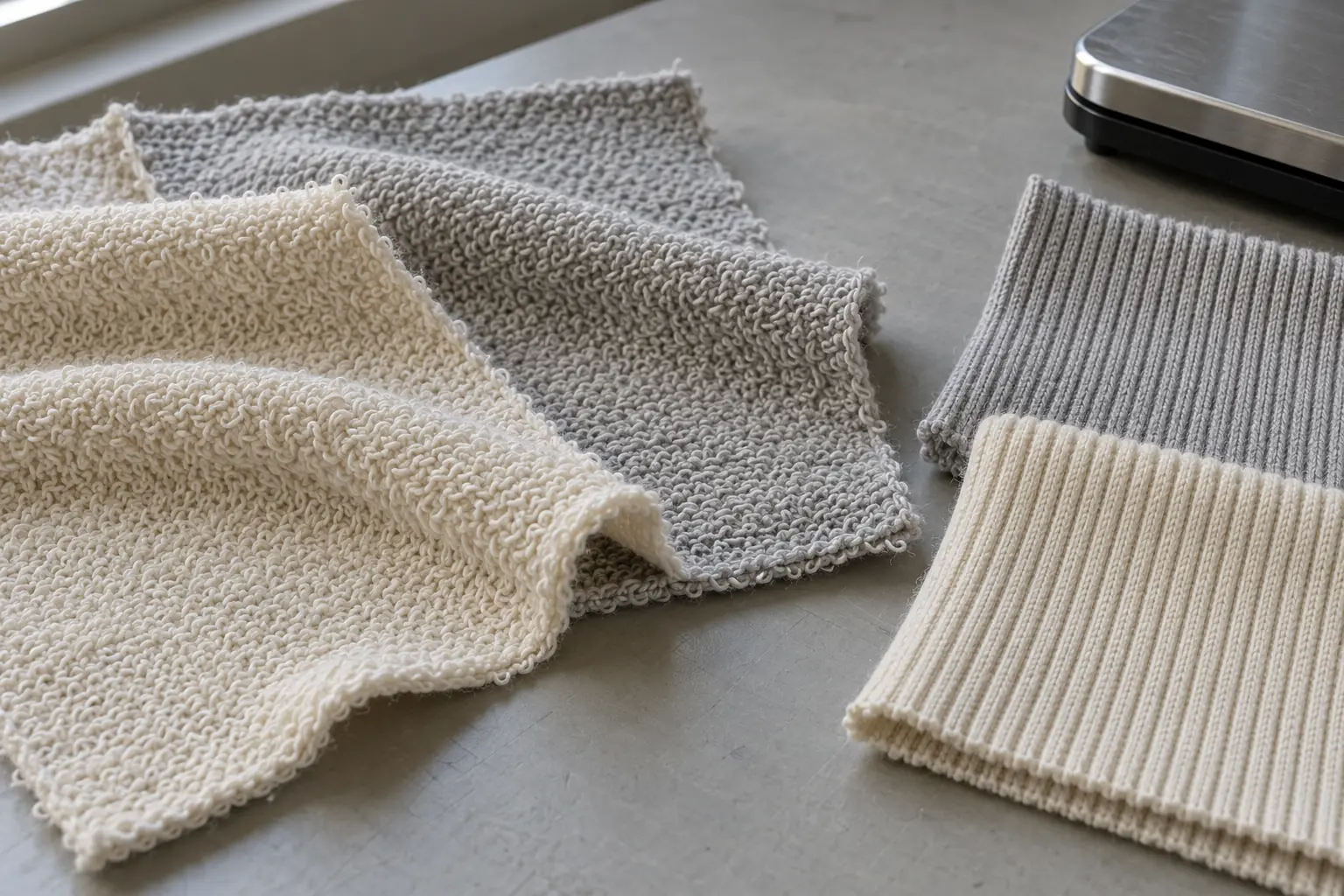
Start with a dated specification revision and request written confirmation that each price refers to it. “Heavyweight cotton sweatshirt” leaves room for different yarns, fabric weights, finishing routes, and rib quality. A clearer brief might specify 100% cotton loopback body fabric at a target 380 GSM, approved hand feel, and a separately defined rib composition.
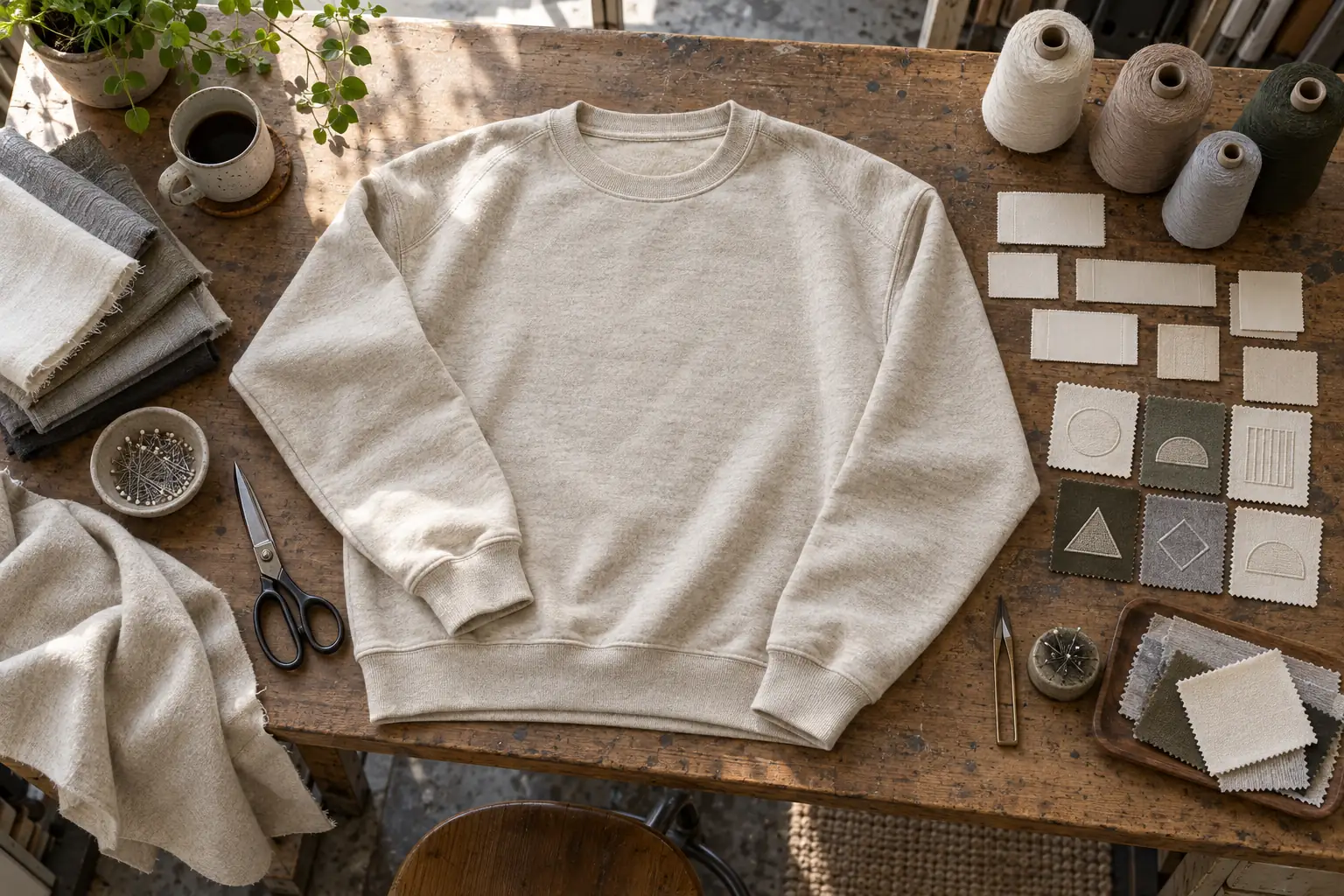
List garment measurements, construction, decoration, labeling, and packing. For example, distinguish a neck print from a woven label, state an embroidery size and placement, and identify whether individual bags and size stickers are included. Two identical-looking samples can still imply different bulk costs if one quote assumes stock fabric and the other requires custom dyeing.
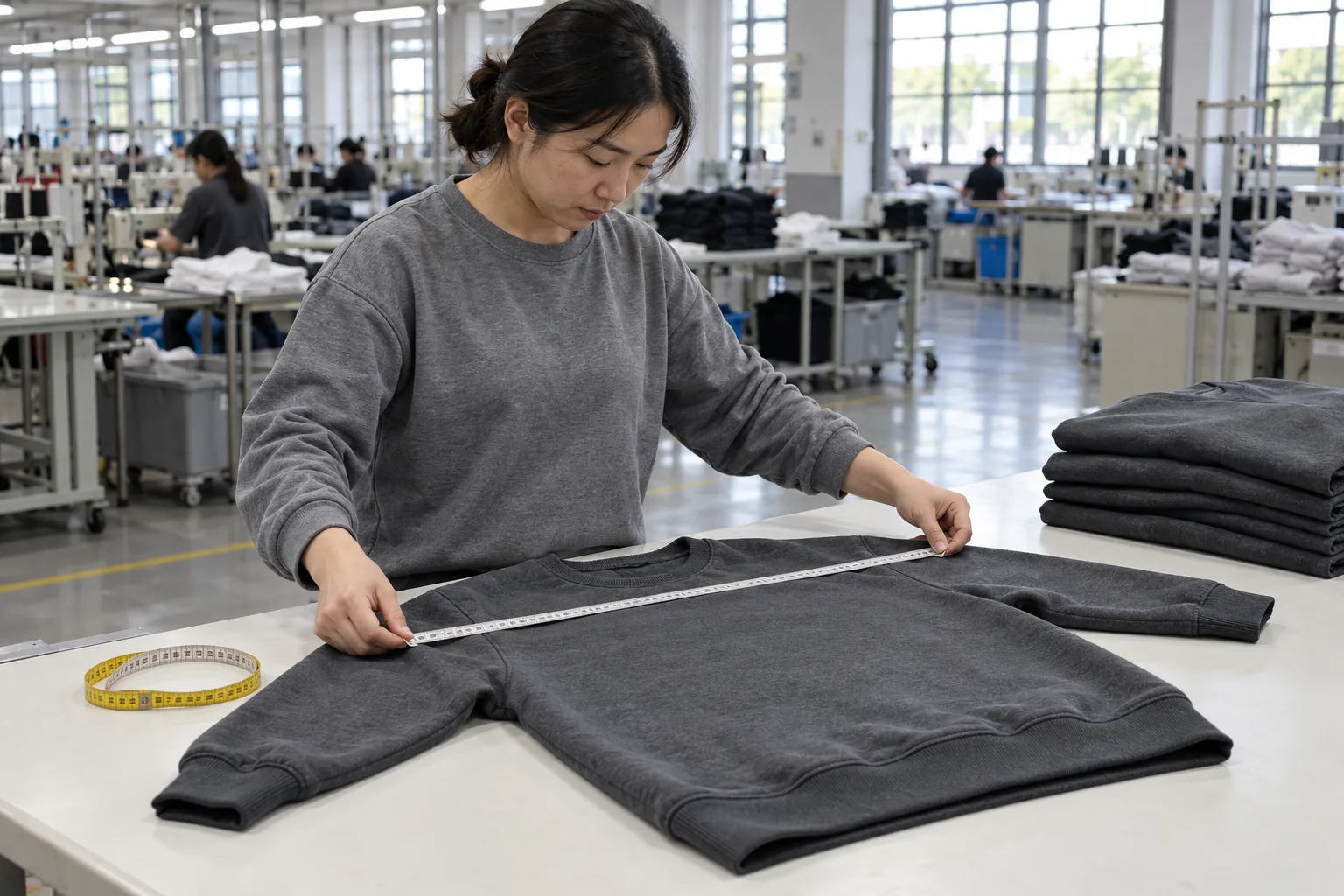
Set measurable acceptance targets instead of relying on adjectives. An illustrative brief could allow ±1 cm on half-chest width and require no more than 5% length shrinkage after an agreed wash method. These are project examples, not universal standards; agree suitable tolerances, conditioning, and testing before the factory prices them.
Issue any change to both bidders. If you replace a stock zipper with a custom puller during discussion, a comparison based on the earlier trim specification is already obsolete.
Rebuild the total from quoted lines and missing charges
Create a worksheet with one column per supplier, an evidence column, and a status for every amount: confirmed, estimated, or unresolved. A blank cell is not zero. Request a separate answer for excluded charges before ranking the offers.
| Cost bucket | Evidence to request | Comparison trap |
|---|---|---|
| Garment production | Unit rate for the same quantity, size mix and specification | Decoration or larger-size surcharges omitted |
| Development and setup | Sample, pattern, grading and setup fees; credit conditions | Conditional sample credit treated as guaranteed |
| Packing and origin handling | Bag, carton, export and handover inclusions | Retail packing confused with transport packing |
| Freight and destination costs | Forwarder estimate, broker charges, receiving costs | Different routes or chargeable weights |
| Import charges | Classification, origin, customs value and tax assumptions | A guessed duty rate applied to both offers |
Separate one-time costs from repeat-order costs. Pattern development may be paid on the first order, while grading changes or new print screens may recur when the assortment changes. Do not amortize setup over a future reorder unless that reorder is a credible buying commitment; show the first shipment on its own.
Record quote currency, validity date, payment milestones, and bank charges. Convert both offers using the same planning exchange rate, then test an adverse currency movement. A deposit followed by a balance payment later creates exposure that a single conversion on quotation day can hide.
Translate shipping terms into the same warehouse arrival
Ask for the Incoterms rule, named place or port, and version. “FOB China” is insufficiently specific for a final comparison. An EXW offer and an FOB offer allocate different responsibilities and costs; neither describes the complete landed total by itself. Have your forwarder map each handover to the same destination and suitable transport mode.
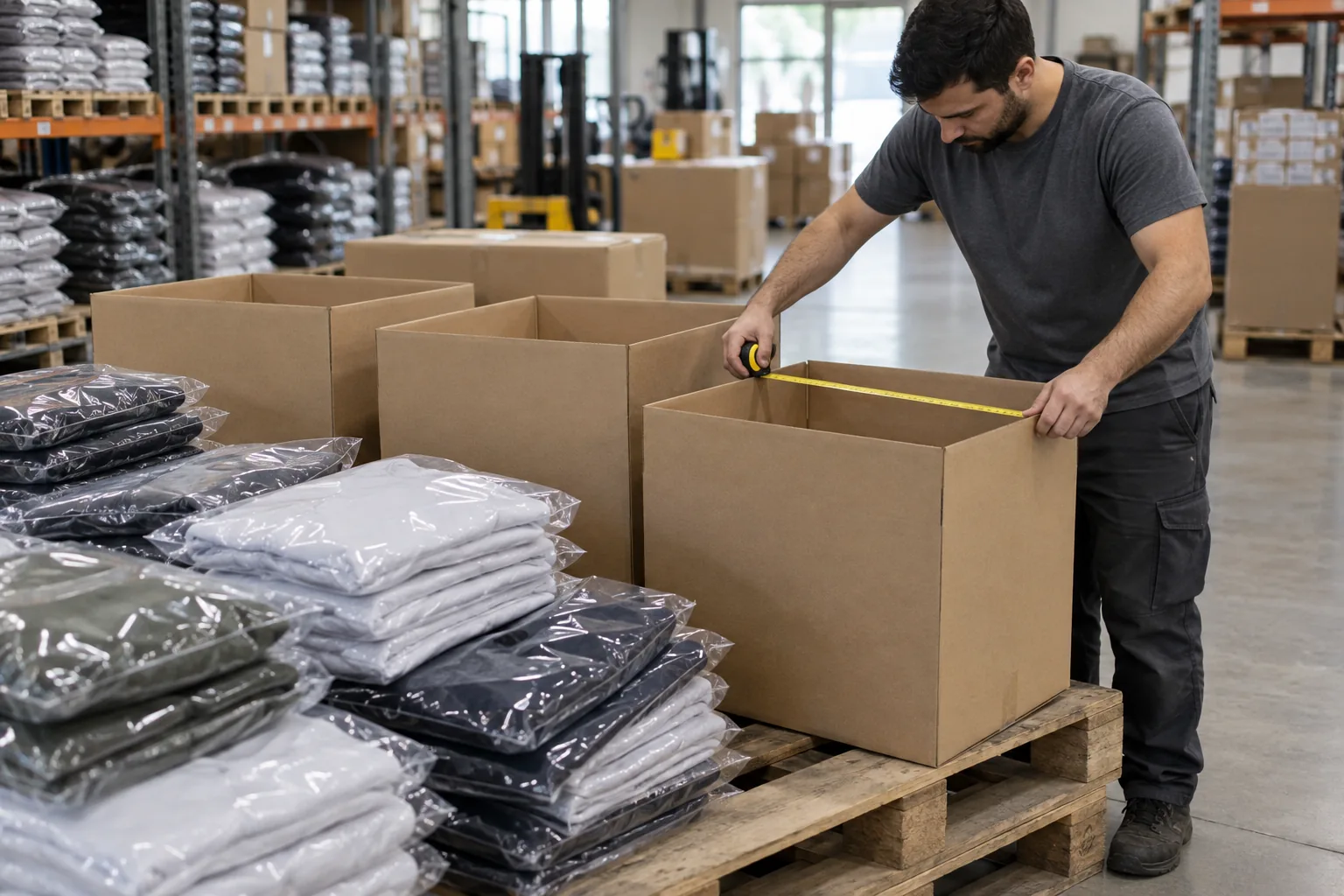
Obtain estimated carton count, external dimensions, gross weight, and packing quantity. Freight can depend on volume or chargeable weight, not only actual garment weight. Individually boxed garments may travel very differently from folded garments in bags, even when production prices are close.
Give your customs broker the garment composition, construction, intended use, and origin information needed to assess classification and charges. Do not infer duties solely from the word “hoodie” or assume the supplier’s generic estimate applies to your importer. For delivered-duty-paid proposals, verify who acts as importer and what documentation you receive.
Compare realistic arrival scenarios. A lower production quote that requires air freight to meet your launch should be compared with the other offer’s feasible shipping plan. Keep transport estimates dated and flag whether insurance, terminal charges, customs examination, storage, and final delivery are included or contingent.
Price the assortment you can sell, not the lowest quantity tier
A quantity discount is valuable only when the extra inventory fits demand. Suppose your plan requires 120 units, while a lower unit rate requires 200. Compare total purchase cash, estimated storage, and the additional 80 units against a conservative sales forecast. The discount does not make those extra units free.
Confirm whether minimums apply per style, color, fabric, or trim order. Ask how leftover custom material is charged, who owns it, and whether it can support a later order. An acceptable garment MOQ can still sit behind a separate material commitment.
StitchQuote’s MOQ for most categories starts from 50 pieces per style; denim starts from 100 pieces per style. Confirm the proposed color split, materials, and branding for the actual project. StitchQuote offers cut-and-sew, private label, sampling, fabric and trim sourcing, and branding through woven labels, prints, and embroidery.
Keep development timing distinct from bulk delivery. A 7-day sample is available for standard styles with confirmed specs and available materials; complex styles, custom washes, and custom-developed fabric take longer. A sample turnaround does not establish a warehouse arrival date.
Use acceptance checks to estimate the cost of exceptions
Quality differences affect the sellable-unit denominator and the cost of corrections. Agree the inspection basis before placing the order, then ask each supplier how rejected goods, repairs, replacements, and associated transport will be handled. An inspection promise alone does not define a remedy.
- Reference: identify the approved sample and specification revision, including accepted color and hand feel.
- Measurements: list points of measure, size-specific tolerances, and how garments are laid flat or conditioned.
- Performance: agree relevant shrinkage, colorfastness, seam, and decoration checks, including methods and who pays.
- Inspection scope: define sampling coverage, defect categories, acceptance criteria, and the release decision.
- Packing: verify size ratios, labels, carton quantities, and destination packing requirements before dispatch.
StitchQuote provides QC before packing. Confirm the project’s inspection scope and any separate testing or third-party inspection requirements when reviewing the quote.
For planning, model a stated exception scenario rather than claiming a supplier has an unproven defect rate. If 200 received pieces yield 194 sellable pieces, dividing the same shipment cost by 194 increases unit cost by roughly 3.1%. Keep this sensitivity separate from the base case so assumptions remain visible.
Questions that decide a close quotation comparison
Should a refundable sample fee reduce the comparison total?
Only when the written credit conditions match your intended order. Record the fee as initial cash outflow and show the credit separately, including the qualifying quantity and when it appears on an invoice.
How should I handle a freight estimate that expires before production finishes?
Use it as a dated planning input, request a reasonable sensitivity range from the forwarder, and refresh it before shipment booking. Keep freight uncertainty visible instead of presenting an expired estimate as a fixed commitment.
What if one supplier cannot confirm a charge before deposit?
Identify who controls that cost and seek a written calculation basis or allowance. If the unresolved amount could reverse the ranking, the comparison is not ready for a price-based award. Resolve it or document the commercial exposure explicitly.
What should the final approval record contain?
Keep the accepted specification, quotation revision, exclusions, shipping boundary, payment schedule, quality terms, and landed-cost worksheet together. Select the offer whose total and obligations fit the buying plan, with every material estimate clearly distinguished from a commitment.
Related reading and project support:
- Prepare the specification behind a comparable quote
- Review sampling and minimum-order planning
- Explore hoodie manufacturing cost inputs
- Contact StitchQuote to discuss your quotation scope
Request a manufacturing quote
Share your product type, quantity range, and destination. We usually reply within one business day.