Custom Streetwear, Casualwear & Denim Manufacturer•MOQ 50 pcs•Denim MOQ 100 pcs•7-Day Sample Available

How to Price a First Streetwear Capsule More Realistically
Understand price first streetwear capsule through fit, fabric, decoration, and production logic so streetwear and premium basics buyers can make cleaner development.

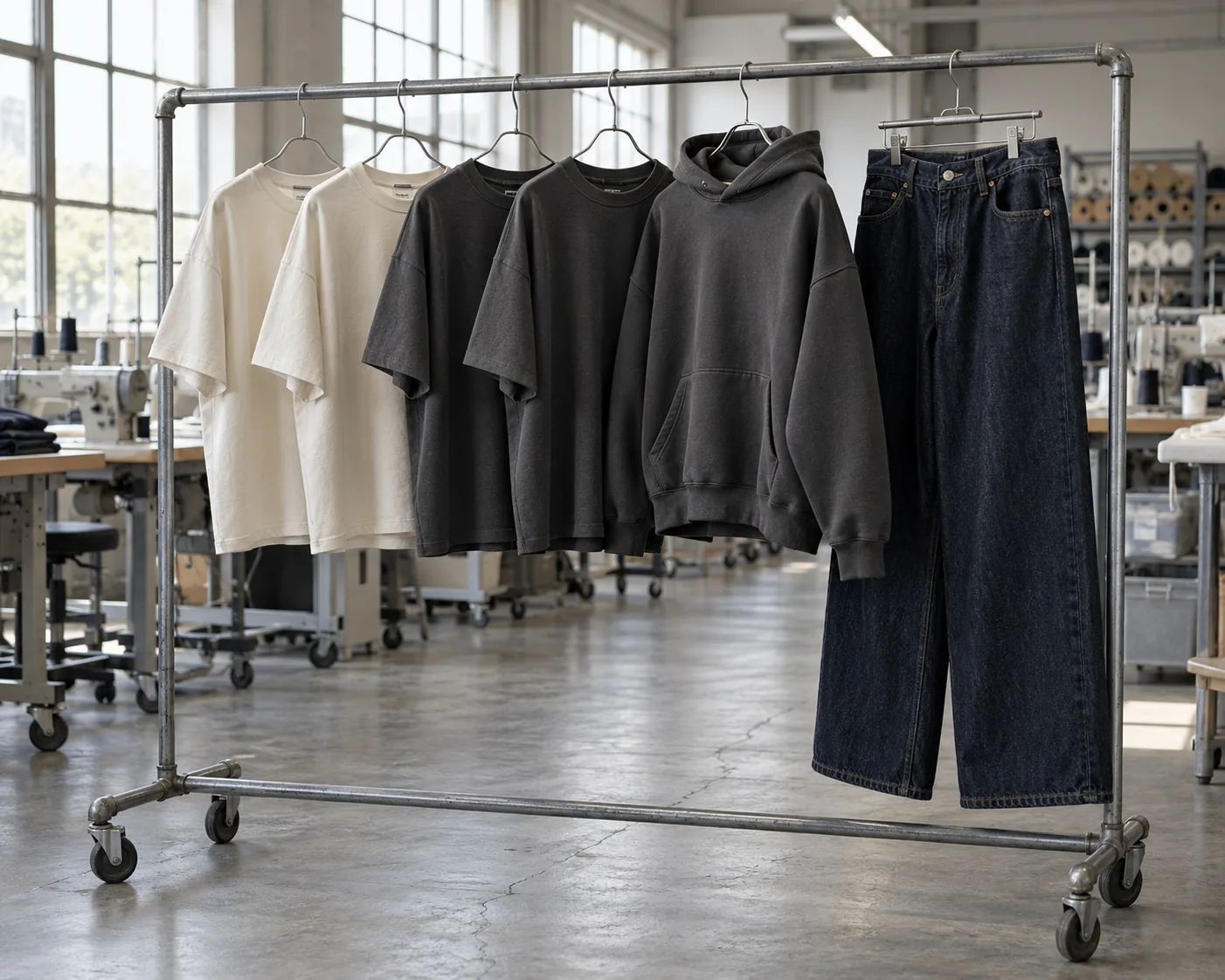
A first streetwear capsule can look tightly edited on a moodboard and still carry a fragmented production budget. Three silhouettes in three colors create nine style-color combinations, each potentially needing its own material allocation, shade approval, decoration adjustment, and inventory allowance. Dividing the total order by the number of garments hides those differences.
Build your opening price plan around the cost of adding each colorway. The useful question is whether a second or third shade earns its place after development, material minimums, and expected sell-through are included. This approach helps you choose the launch assortment before committing to samples or announcing retail prices.
Count production commitments behind the palette
Start with a style-color-size matrix rather than a single capsule quantity. A boxy tee, a pullover hoodie, and a wide-leg jean involve different materials and processes. Even when all three appear black, jersey dyeing, fleece dyeing, and denim washing are separate production routes. A shared color name does not mean a shared material purchase or approval.
For each matrix row, record the fabric reference, weight, composition, finish, color standard, decoration, trims, and planned size quantities. A proposed 240-piece tee order split across four colors leaves 60 pieces per color; spread evenly over five sizes, that is only 12 units per size-color combination. Equal allocation is an arithmetic example, not a demand forecast.
StitchQuote’s MOQ for most categories starts from 50 pieces per style; denim starts from 100 pieces per style. These are starting points, not confirmation that every proposed color split is feasible. Ask separately about minimums per color, fabric purchase, dye lot, wash, and decoration batch. A style can meet its garment MOQ while a particular shade still creates excess material.
Ask for the extra-color cost as a separate decision
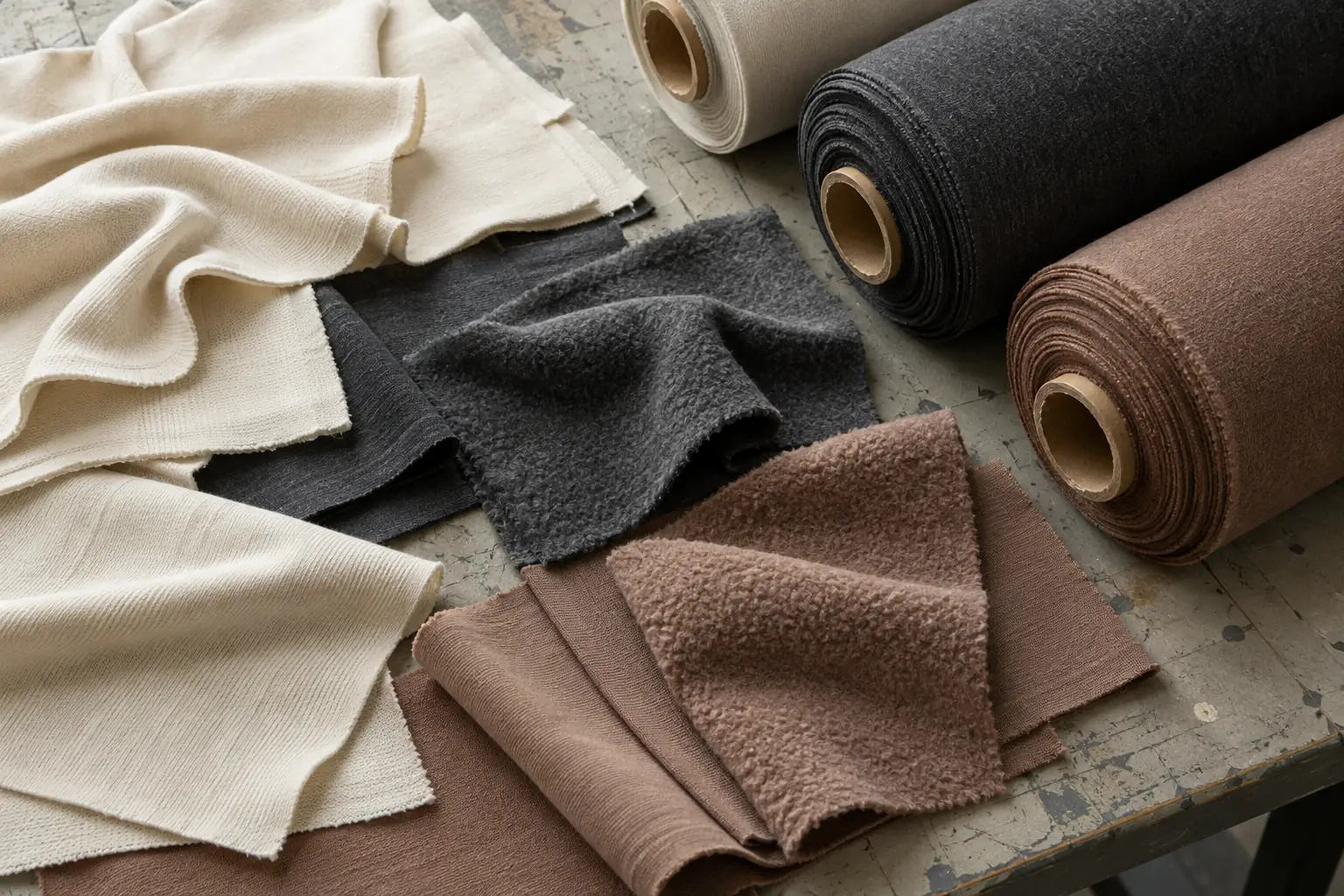
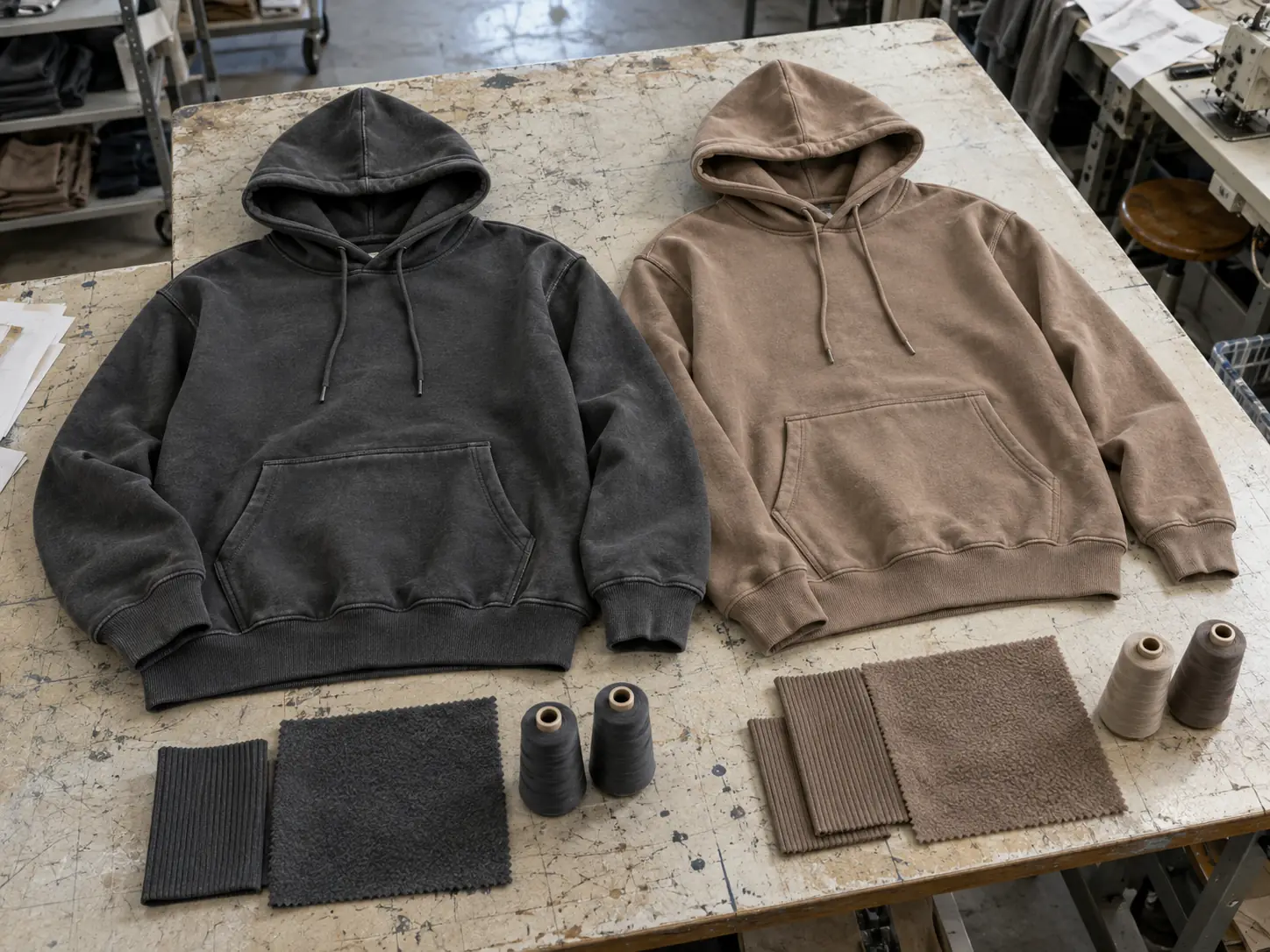
Request a base quotation for one color, then alternatives at the same total garment quantity. For example, compare 180 hoodies in one shade with 120 in charcoal and 60 in clay. Keep fit, fabric weight, construction, and packaging identical so the quote difference isolates the color split instead of mixing several upgrades together.
Separate charges into recurring garment costs, one-time development costs, and material commitments. A second color might require a lab dip, separately dyed rib, matching thread, a new print test, or additional fabric beyond what the garments consume. Ask whether unused fabric is included in the quote, who owns it, and whether storage or later use is available.
| Colorway choice | Possible cost driver | Evidence to request |
|---|---|---|
| Available stock shade | Availability and replenishment risk | Usable quantity and lot reference |
| Custom-dyed shade | Dyeing minimum and shade development | Minimum purchase and lab-dip scope |
| New print contrast | Ink system or additional underbase | Strike-off and revised decoration quote |
| Garment-washed color | Wash trials and batch variation | Approved wash standard and batch terms |
Do not assume a stock shade is always cheaper overall. A limited lot may cover the first drop but prevent a consistent reorder. Compare the immediate saving with the cost of approving a replacement shade and photographing it again.
Charge development to the colorway that causes it
Use a working calculation for each style-color combination: garment production plus attributable development, excess material, and allocated logistics, divided by planned saleable units. Keep assumptions visible. Freight, duties, inspection, and handling need project-specific estimates; an ex-factory garment quote alone is not your landed inventory cost.
Allocate common pattern development across the style, but assign a clay-only dye trial to the clay colorway. Otherwise, the core color quietly subsidizes the experimental shade and makes it appear more economical than it is. Apply the same logic to a color-specific embroidery test or a wash trial needed only for one denim finish.
Check both the incremental decision and the full capsule budget. Shared photography or pattern work may already be committed, so removing one color will not necessarily remove those costs. Ask which charges actually disappear when you delete the shade. That gives you a usable saving rather than an allocation on paper.
Keep a separate allowance for goods used as retained samples, content samples, or replacements. Do not assume every manufactured unit becomes a full-price sale. Document the allowance as your planning assumption, then update it with actual quantities before placing the purchase order.
Choose where color variation adds visible value
Give the strongest silhouette the broadest palette only when demand supports it. An opening capsule might use two tee colors, one hoodie color, and one denim wash. This creates a coherent launch without forcing every material and process to support the same number of variations. Treat additional shades as assortment decisions, not automatic extensions.
Look for details that can remain common. The same woven label, care-label format, and approved packaging may work across several colors. Visible trims need closer judgment: a neutral drawcord can reduce matching work if it suits the design, while a deliberately tonal cord requires its own shade reference. Confirm any savings through the quotation.
Decoration deserves its own color review. A pale chest graphic on dark fleece may need a different ink build from the same graphic on cream. That can change hand feel, curing requirements, and price. Ask for the proposed print method and a strike-off on the actual substrate rather than approving the artwork solely on a screen.
Avoid promising an exact match between a tee and hoodie until the fabrics have been assessed together. Different fibers, knit structures, and finishes can make one target shade look different. An intentional tonal pairing may be easier to approve and communicate than an unsupported exact-match claim.
Use a shade-release checklist before paying for bulk
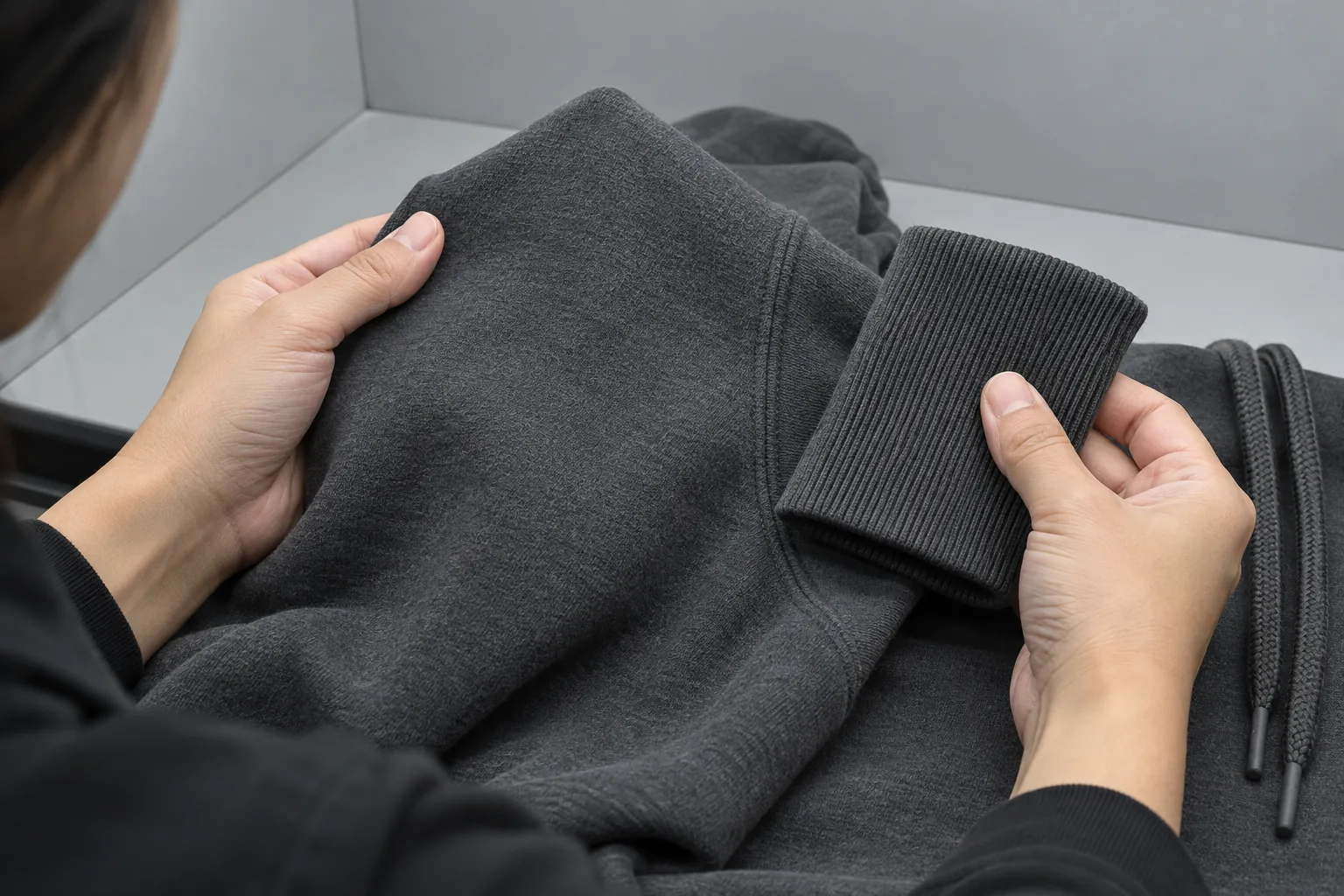
Color errors become expensive when they affect a full batch or make coordinating garments difficult to sell together. Establish a reference hierarchy: physical color target, approved lab dip or fabric swatch, then approved garment or wash sample. Date each approval and identify which material and finish it covers.
- Review lighting: assess body fabric and trims under agreed light sources, such as daylight simulation and retail lighting. Record whether a match changes noticeably between them.
- Define shade limits: agree an acceptable visual range or a measured color-difference method. If using Delta E, specify the formula, illuminant, and threshold; a number without those conditions is incomplete.
- Check panel consistency: review sleeves, fronts, backs, cuffs, and rib together. Agree how rolls and cut bundles will be separated to avoid mixing incompatible shades within a garment.
- Test the intended care route: review color change, transfer, shrinkage, and decoration after the agreed wash test. Set acceptance criteria per fabric and finish instead of borrowing an unrelated tolerance.
- Verify identity at packing: reconcile color codes, size labels, and packed counts against the approved order matrix. Similar dark shades need unambiguous identification.
StitchQuote includes QC before packing. Confirm the project-specific inspection scope and how exceptions will be handled before production begins. Keep retained approved references available so a shade dispute can be assessed against the same physical standard.
Set retail prices against realistic color sell-through
Once landed costs are estimated, test the palette against revenue scenarios. Use planned net selling revenue after expected discounts and returns, then subtract landed product cost and relevant selling expenses. Distinguish product gross margin from contribution after payment fees, fulfillment, and customer acquisition.
Compare a core color expected to sell mostly at full price with a fashion shade that may need promotion. Even if their factory unit prices match, their expected contribution may differ. Use conservative, base, and optimistic sell-through assumptions rather than letting every shade inherit your best-case launch forecast.
A consistent retail price across colors can still make sense for a single style. The decision should show whether the shared price covers the more expensive version and whether the cheaper version provides enough contribution. If the range only works when every color sells immediately, reduce the palette or reconsider the specification before sampling.
Questions to resolve before approving another shade
Can one fit sample cover every color?
A shared pattern may allow one sample to establish fit, but it does not approve every material or shade. Different finishes can affect shrinkage and handle. Agree which colors need fabric approvals, decoration tests, or complete garment samples based on what actually changes.
Does a second standard color fit a seven-day sample plan?
A seven-day sample is available at StitchQuote for standard styles with confirmed specifications and available materials. Confirm availability for each color. Complex styles, custom washes, and custom-developed fabric take longer; a color requiring development should not inherit the timing of an available shade.
When is a small reorder safer than adding launch quantity?
Only when replenishment terms support it. Confirm reorder minimums, material availability, lead time, and shade consistency. A smaller opening order reduces inventory exposure, but an unavailable fabric lot or fresh dyeing minimum can make the follow-up order materially different.
Use these references to turn the selected palette into a complete quotation brief.
- Prepare the color and construction specifications in your tech pack
- Review sampling and MOQ planning
- Understand the wider hoodie cost breakdown
- Discuss your capsule quantities and color splits with StitchQuote
Request a manufacturing quote
Share your product type, quantity range, and destination. We usually reply within one business day.