Custom Streetwear, Casualwear & Denim Manufacturer•MOQ 50 pcs•Denim MOQ 100 pcs•7-Day Sample Available
Custom Clothing Manufacturer in China
Custom clothing manufacturer in China for streetwear and private label brands, covering low MOQ planning, sampling, fabrics, trims, labels, packaging, and QC.
Custom Clothing Manufacturer in China
Work with a custom clothing manufacturer in China when your brand needs more control than a blank garment supplier can offer. A custom program can include fabric direction, fit development, trims, labels, packaging, decoration, sampling, quality checks, and repeat production records.
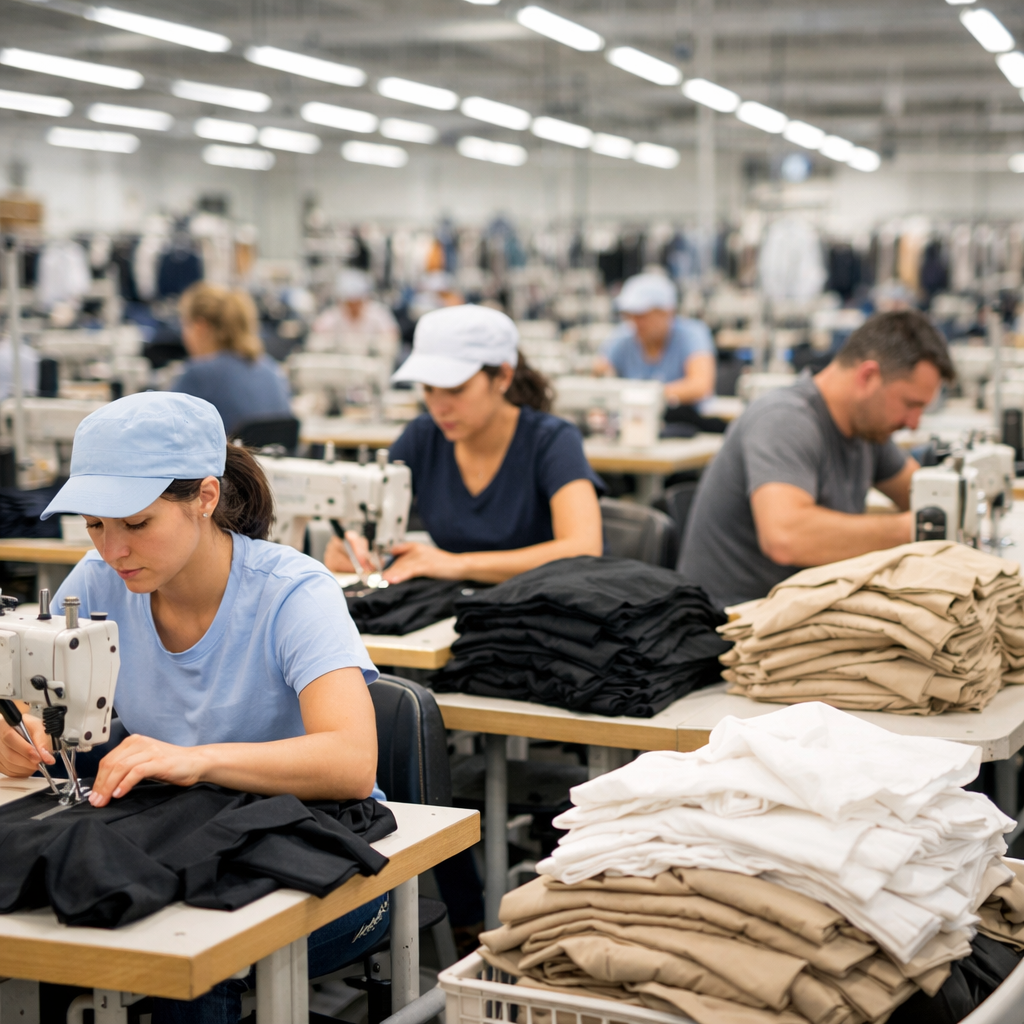
StitchQuote supports custom clothing development for streetwear brands, private label apparel, startup clothing drops, casualwear basics, denim programs, hoodies, T-shirts, sweatpants, joggers, jackets, and cut-and-sew projects. Use this page to choose the right product path before requesting a quote.
Who This Custom Clothing Page Fits
- Startup brands preparing a focused first collection with practical MOQ planning.
- Streetwear brands developing hoodies, T-shirts, sweatpants, denim, matching sets, or cut-and-sew silhouettes.
- Private label buyers adding woven labels, care labels, hangtags, packaging, trims, embroidery, prints, or wash details.
- Growing brands that need better records for fabric, fit, color, trims, measurements, quality checks, and reorders.
If your project is already category-specific, compare the dedicated pages for custom streetwear manufacturing, private label clothing manufacturing, custom hoodie manufacturing, custom T-shirt manufacturing, and custom denim manufacturing.
What Buyers Should Prepare First
A useful custom clothing quote starts with product category, reference photos, target fit, fabric direction, colorways, size range, decoration method, label package, packaging needs, and order quantity. A tech pack helps, but an early-stage brand can begin with clear references and the decisions already known.
For startup orders, keep the first drop focused. Too many styles, colors, fabrics, trims, and decoration placements can make sampling slower and harder to price. The clothing manufacturer for startup brands page explains how to narrow the first production plan.
Product and Category Architecture
Custom clothing should be planned as a category system, not a random list of products. A practical structure is: custom clothing first, then category pages such as hoodies, T-shirts, denim, sweatpants, joggers, cut-and-sew, and private label branding. Each category then needs support content for fit, fabric, trims, wash, decoration, sampling, MOQ, and quality control.
Start with the overall apparel brief, then review category-specific details. Hoodie construction and denim wash approval need different sample checks, even when the garments belong to the same collection.
Sampling, MOQ, and Production Planning
MOQ depends on fabric availability, color route, trims, decoration method, size and color split, wash or finishing route, and construction complexity. Low MOQ can be practical when the first order uses a focused fabric, fewer colorways, realistic branding details, and a manageable SKU plan. Exact MOQ should be confirmed after the design and material route are clear.
The sample-first process should confirm fabric hand feel, fit, measurement tolerance, trims, decoration placement, labels, packaging, shrinkage risk, and QC checkpoints before bulk production. For deeper quantity planning, review low MOQ clothing manufacturing and sampling and MOQ guidance.
Factory Proof, QC, and Reorder Records
Factory proof should come from the production decisions a buyer can inspect: sample comments, measurement specs, fabric and trim records, print or embroidery approval, wash standards, packaging notes, and final inspection points. These records are more useful than broad claims because they help the same product be sampled, corrected, produced, and reordered with less drift.
Before bulk, check fit, fabric behavior, sewing balance, decoration placement, label position, packing method, and any category-specific risks such as hoodie rib recovery, T-shirt shrinkage, denim wash shade, or sweatpants waistband tension.
Questions Buyers Ask Before Custom Clothing Production
Can StitchQuote support low MOQ custom clothing?
Low MOQ can often work when the first order is focused and the fabric, color, trims, decoration, and size split are practical. Exact MOQ depends on the final garment and material route.
Do I need a tech pack before contacting a manufacturer?
A tech pack is helpful, but early brands can also start with reference images, target fit notes, fabric direction, size range, artwork, label needs, and quantity. Missing details should be clarified before sampling.
Which products should a first clothing drop include?
A first drop is easier to control when it focuses on a small set of related products, such as hoodies and T-shirts, or denim and one supporting top. Avoid launching too many unrelated SKUs at once.
What should be approved before bulk production?
Approve the fit sample, fabric standard, color reference, trim package, decoration placement, measurement tolerance, packaging method, care label, and final QC checkpoints before bulk production begins.
Start a Custom Clothing Project
Send your product category, references, fit target, fabric direction, branding details, size range, colorways, and order quantity through the StitchQuote inquiry form. If your project is early, share the decisions you have already made and the missing details can be clarified before sampling.
Commercial Manufacturer Hubs
Compare manufacturing options by product type, order size, and branding needs. Review the relevant sampling and production requirements before sending your brief.
More Manufacturer Routes
Use these focused pages to move from broad supplier research into the product, material, decoration, location, or buyer-stage route that best matches the order.