Custom Streetwear, Casualwear & Denim Manufacturer•MOQ 50 pcs•Denim MOQ 100 pcs•7-Day Sample Available
China Apparel Manufacturer Checklist for New Buyers
Use this buyer checklist to compare China apparel manufacturers by category fit, MOQ logic, sample control, communication ownership, and bulk readiness before you commit.

On This Page
- What new buyers should clarify before comparing factories
- The factory checklist that actually helps you shortlist suppliers
- What to send in your first inquiry so the quote is usable
- Red flags that usually show up before the first sample
- How new buyers should think about sampling, MOQ, and bulk readiness
- Next step if you need a factory-side review before committing
If you are a first-time buyer comparing clothing factories in China, the biggest mistake is assuming the decision starts with price. In practice, the better first filter is whether the supplier really matches your product category, order size, sample expectations, communication style, and approval process. A low quote from the wrong factory usually costs more later through weak samples, vague lead times, and rework during bulk production.
This guide is built to help new buyers ask better first questions and compare factories with more discipline. It is especially relevant if you are sourcing private label apparel, launching a small collection, or trying to move from a rough idea into a real sample program. If you still need the broader service map first, start with Manufacturing Services, Sampling and MOQ, and Private Label Clothing Manufacturer.
For streetwear programs that combine fit, decoration, trims, and low-MOQ production risk, review custom streetwear manufacturer before shortlisting a factory.
What new buyers should clarify before comparing factories
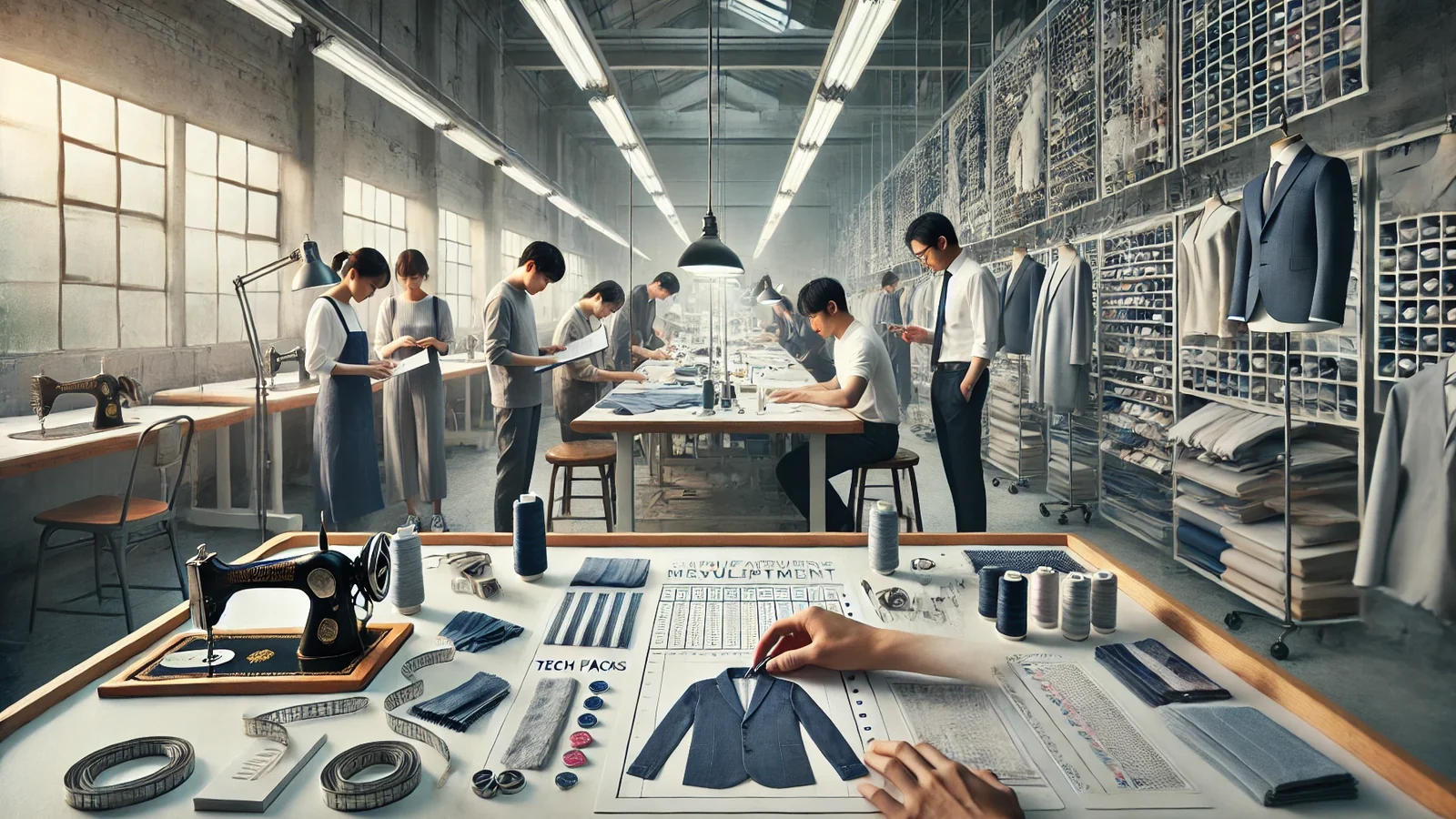
Before you compare factories, write down five things in plain language: what product you are making, what type of brand you are building, roughly how many units you expect for the first order, how much development support you need, and when you want to launch. Those points sound simple, but they change which factories are actually a fit.
A supplier that works well for a large basics brand may not be right for a startup streetwear label. A factory that can execute bulk production well may still be too rigid for a first project that needs more guidance during tech pack review, sample comments, and trim development. This is why first-time buyers should shortlist based on operational fit, not only on whatever supplier responds fastest. If your product brief is still rough, How to Prepare a Tech Pack for Apparel Manufacturing is the best companion read.
The factory checklist that actually helps you shortlist suppliers
Most factory checklists online are too generic to help with a real sourcing decision. A useful shortlist should compare suppliers on the things that actually affect sample quality, MOQ reality, and bulk confidence.
If a factory is vague on these points, your shortlist is not really a shortlist yet. It is just a list of replies. A better comparison happens when every supplier is reacting to the same project note, the same quantity range, and the same expectations about sample rounds and commercial scope.
What to send in your first inquiry so the quote is usable
New buyers often send too little information and then wonder why the supplier quote feels generic. The goal of the first inquiry is not to get the lowest number possible. It is to get an answer useful enough to compare suppliers honestly.
- Reference photos or sketches that show the real product direction
- Target fabric type, weight, or hand feel if you already know it
- Planned branding details such as woven label, print, embroidery, hangtag, or packaging
- Estimated size range and rough order quantity
- Whether you need help with pattern, sourcing, or tech pack refinement
- Your target launch window or sample deadline
Factories do not need perfect information to start the conversation, but they do need enough information to reveal whether they understand the project. If the supplier only replies with “MOQ 100 pieces” or “price depends,” push for specifics. The stronger supplier usually explains which parts depend on fabric minimums, trim development, and sample complexity. That is much more useful than a fast but shallow quote.
If you want the sourcing conversation to become more concrete, pair this with What a Serious Clothing Manufacturer Should Ask You Back. Good suppliers usually ask sharper questions, not fewer questions.
Red flags that usually show up before the first sample
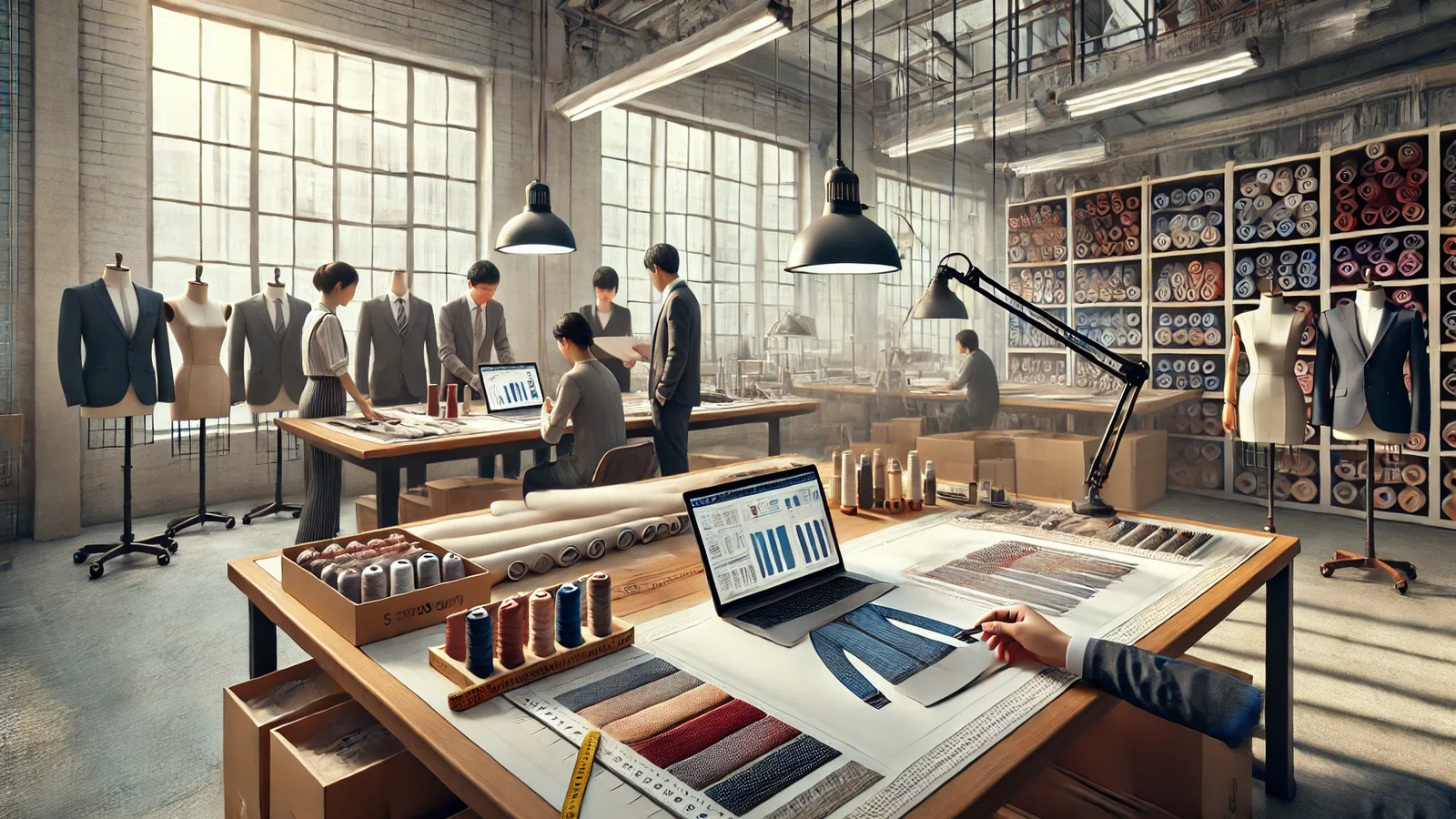
The clearest red flag is a supplier that agrees with everything too quickly. If there is no pushback around MOQ, timing, sample complexity, or missing project details, the factory may be selling confidence rather than showing execution discipline. Real production almost always involves tradeoffs, and strong suppliers explain them early.
Other warning signs include inconsistent answers from different contacts, sample timing that sounds unrealistically fast, no clear explanation of how comments will be tracked, and no distinction between a rough quote and a real bulk-ready price. First-time buyers also get burned when they compare factories with different assumptions. One quote may include basic trims and no packaging; another may quietly assume private label labels, hangtags, and branded polybags. Those are not directly comparable offers.
How new buyers should think about sampling, MOQ, and bulk readiness
The first good factory is not always the first cheap factory. It is usually the factory that can move you from quote to sample to bulk with the least confusion. That is why sampling and MOQ need to be understood together.
During sampling: You are testing communication quality, fit interpretation, material understanding, and revision discipline. A supplier that manages comments well is often worth more than one that only promises faster sampling.
During MOQ discussion: You are testing whether the supplier is transparent about fabric booking, color splits, and custom trim constraints. That is where many first-time buyers discover the “headline MOQ” was not the real MOQ.
Before bulk approval: You are testing whether the factory can repeat what was approved, not just whether it made one acceptable sample. Bulk confidence comes from process clarity as much as from garment quality.
This is exactly why many new buyers benefit from a lower-risk path through Low MOQ Clothing Manufacturer or a more structured private label route through Private Label Clothing Manufacturer. The right path depends on whether you need flexibility, branding support, or tighter bulk standardization first.
For practical timing expectations, How Long Does Clothing Sampling Take? helps keep the calendar realistic.
Next step if you need a factory-side review before committing
If you already have a shortlist, the next best move is to normalize the comparison. Put every factory against the same brief, same quantity assumptions, same branding scope, and same sample questions. Once you do that, weaker suppliers become much easier to spot.
If you are still unsure whether your current shortlist is realistic, send your references, quantity range, and development notes through Contact. We can review whether the supplier fit, MOQ logic, and sample path actually match the stage of your project before you overcommit to a weak factory conversation.
Need a second look at your shortlist?
Compare factories on the points that affect samples and bulk, not just the first quote.
We can review your apparel project brief, flag the hidden gaps in supplier comparison, and help you structure the next sample step more clearly.
Frequently Asked Questions
What should a first-time buyer compare before choosing a clothing manufacturer in China?
Start with category fit, MOQ logic, sample process, communication ownership, and bulk readiness. Price only becomes useful after you know the factories are answering the same product and scope assumptions.
Why do new buyers often get misleading first quotes from apparel factories?
Because the brief is often too thin, and different suppliers quietly assume different fabrics, trims, packaging, sampling effort, and MOQs. The quote looks comparable on the surface even when the commercial scope is not actually the same.
Request a manufacturing quote
Share your product type, quantity range, and destination. We usually reply within one business day.