Custom Streetwear, Casualwear & Denim Manufacturer•MOQ 50 pcs•Denim MOQ 100 pcs•7-Day Sample Available
China Hoodie Manufacturer for Private Label Programs
Compare China hoodie manufacturers for private label programs by fit, fabric, branding, MOQ, and sampling control so your brand can shortlist suppliers with fewer bulk surprises.

On This Page
For hoodie-specific quoting and production planning, review our custom hoodie manufacturer in China page.
- What a private label hoodie program should actually cover
- How to compare China hoodie manufacturers side by side
- The questions that save the most time before sampling
- Red flags to watch before you approve a hoodie supplier
- Which type of factory fit is right for your brand stage
- Next step if you want hoodie development to move cleanly
If you are comparing a China hoodie manufacturer for a private label program, the real question is not only who can sew a hoodie. It is who can hold your fit standard, fabric standard, branding details, and MOQ expectations together without turning sampling into a long cycle of avoidable revisions. For most brands, hoodies look simple from the outside, but they are one of the easiest categories to get wrong in bulk because wash, rib, panel proportion, print placement, embroidery weight, and shrinkage all affect the final feel. If you are still defining the sourcing route, start with Private Label Clothing Manufacturer and Sampling and MOQ.
A strong supplier short list should make it easier to answer practical buyer questions: Can this factory hit the silhouette we want, handle our fabric direction, support private labels and trims, stay realistic on MOQ, and communicate clearly through sampling and bulk production? That is the filter this guide is built around. It is written for startup brands, streetwear labels, and growing private label programs that need a clearer way to compare Chinese hoodie factories before spending more money on samples.
What a private label hoodie program should actually cover
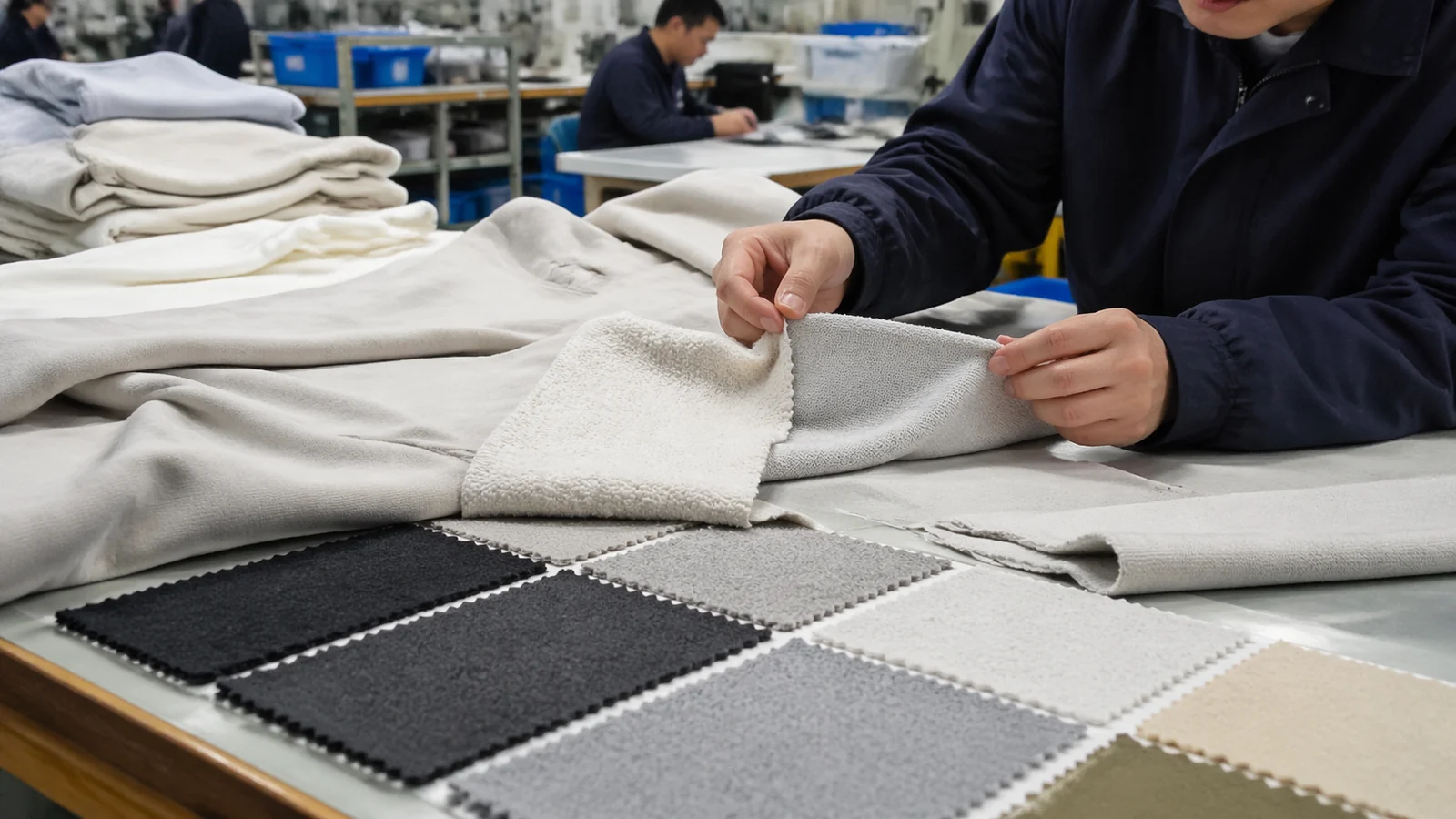
A real private label hoodie program includes more than blank garment production with a neck label swap. Buyers usually need the supplier to support pattern interpretation, fit comments, fabric suggestions, pantone or dye decisions, rib matching, print or embroidery execution, custom labels, hangtags, packaging, and quality checkpoints before shipment. When one of those pieces is weak, the whole program slows down even if the unit price looked attractive in the first email.
This is why category experience matters. A factory that is strong in lightweight knit tops may still struggle with heavyweight fleece hoodies, drop-shoulder streetwear fits, washed vintage looks, or premium rib balance. If your target product sits in the streetwear lane, it helps to compare against a supplier that already understands oversized grading, dense fleece, and decoration placement on thicker garments. Two useful related guides are Custom Streetwear Manufacturer and What Does 500 GSM Mean in Hoodie Manufacturing?
How to compare China hoodie manufacturers side by side
The easiest way to compare suppliers is to force the same decision points onto every factory conversation. That keeps you from choosing one supplier for low MOQ, another for pricing, and a third for better branding support without seeing the total tradeoff. The table below gives a more useful buyer framework than a simple price comparison.
When a supplier answers these points in a connected way, you can usually trust the project flow more. If the factory only keeps returning to price while staying vague on fabric, fit, or revision control, that is often a sign the sales layer is stronger than the execution layer. For decoration-heavy programs, it is also worth reviewing Puff Print vs Screen Print for Streetwear and Embroidery vs Screen Print for Premium Hoodies.
The questions that save the most time before sampling
Before paying for samples, buyers should push every supplier to answer the same short list of questions. These answers reveal whether the supplier really understands your hoodie program or is still guessing.
- What hoodie styles closest to our target have you produced recently?
- Do you recommend French terry or fleece for this product position, and why?
- What fit risks do you see in our reference or tech pack?
- What parts of MOQ depend on color count, fabric booking, or custom trims?
- How many sample rounds do similar programs usually need before bulk approval?
- Which branding methods on this hoodie are most likely to affect lead time or cost?
- What inspection points would you watch most closely before shipment?
Good factories usually answer with specifics, not generic reassurance. They may even challenge the brief in useful ways. That is not friction. It is often a sign that the supplier is seeing the same production risks you will eventually pay for if nobody names them early. If you still need to tighten the development brief, Sampling and MOQ is the right companion page.
Red flags to watch before you approve a hoodie supplier
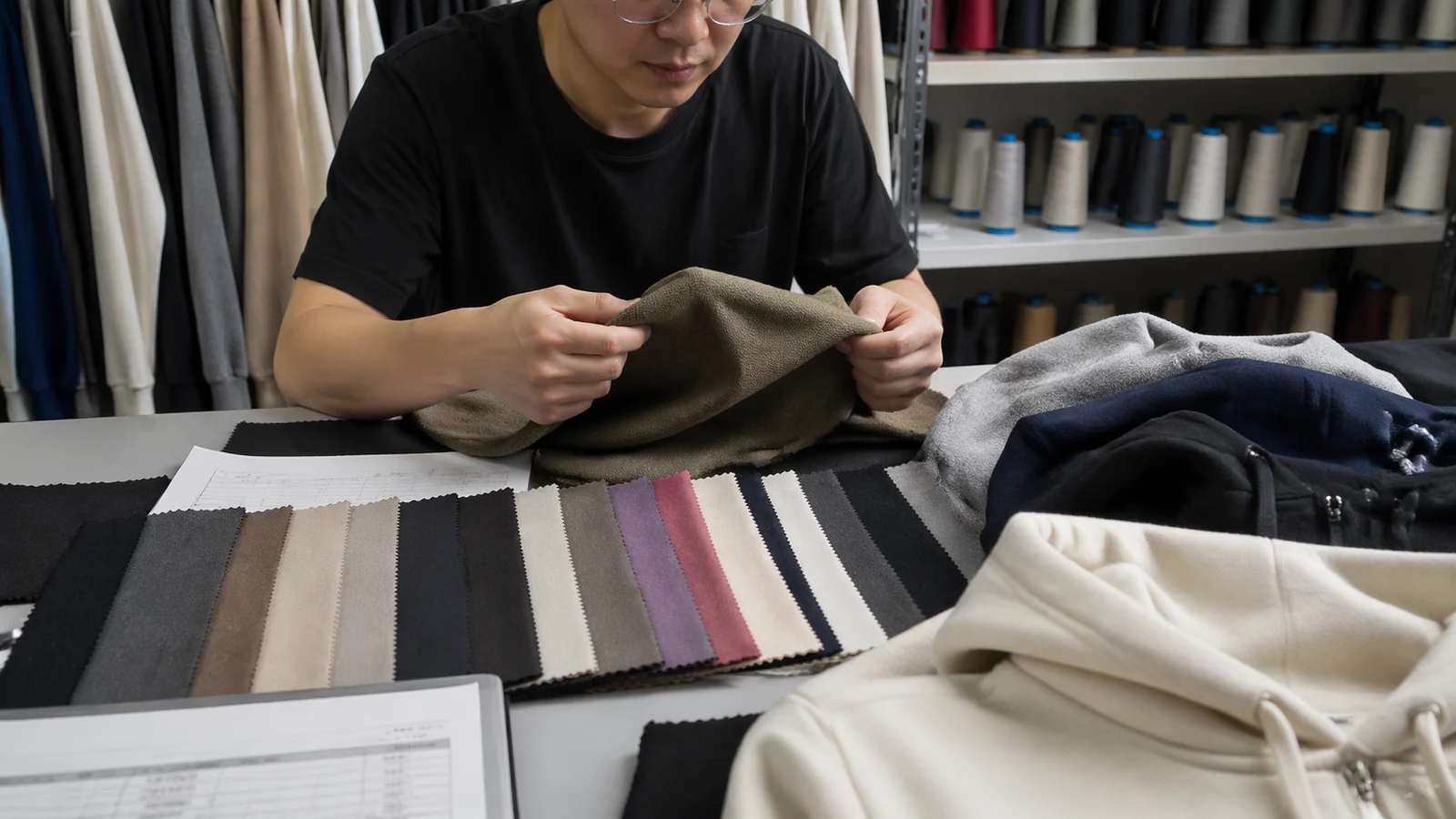
The biggest red flag is false confidence. If a supplier says yes to every request without clarifying fit standard, fabric behavior, branding detail, or MOQ tradeoffs, the conversation may feel easy but the project is still unstable. Hoodie programs especially need honest discussion around shrinkage, fleece density, rib recovery, hood shape, and decoration impact.
Other warning signs include inconsistent sample timelines, unclear ownership between merchandiser and sales contact, vague answers on fabric sourcing, and no structured method for handling sample comments. Brands also get into trouble when they compare suppliers using different standards. For example, one factory may quote against a basic blank-body assumption while another is quoting a fully private label program with better trim and packaging support. Those are not the same offer.
Which type of factory fit is right for your brand stage
Not every brand needs the same kind of hoodie supplier. The right fit depends on where your label sits today.
Startup brands: Usually benefit from suppliers who are patient with lower initial volume, willing to guide sample development, and realistic about MOQ compromises. That is where Low MOQ Clothing Manufacturer becomes important.
Streetwear labels: Usually need better control over oversized fit, heavier fabrics, puff print, embroidery placement, and wash character. The most relevant service path is often Custom Streetwear Manufacturer.
Growing private label programs: Usually need a supplier that can standardize multiple styles, repeat approved fit blocks, and keep branding details consistent across collections. That is closer to Private Label Clothing Manufacturer.
The point is not to find the biggest factory. It is to find the supplier whose operating model matches the stage of your brand. A mismatch here is one of the most common reasons buyers feel the project is always taking longer than expected.
Next step if you want hoodie development to move cleanly
If you are actively shortlisting China hoodie manufacturers, the best next step is to turn your idea into a factory-ready comparison brief. That usually means collecting your reference photos, target fit notes, fabric preference, decoration methods, size range, estimated order quantity, and sample deadline into one working document. Once suppliers are reviewing the same brief, the comparison becomes much more useful.
If you want help reviewing that brief or matching the hoodie program to a realistic sampling and MOQ path, use Contact, browse Services, or start from our private label apparel manufacturing service page.
Need a factory-side review?
Send your hoodie brief before you pay for the wrong sample round.
We can review your target hoodie category, private label details, MOQ logic, and sampling route so you can compare suppliers on the points that actually affect bulk results.
Frequently Asked Questions
What should I compare first when reviewing a China hoodie manufacturer for private label?
Start with category fit, fabric understanding, branding capability, sample process, and MOQ logic. Price only becomes useful after those points are clear, because hoodie development problems usually come from fit and execution gaps rather than from the opening quote alone.
Why do private label hoodie projects often need too many sample rounds?
Most extra rounds happen because the brief was too loose on silhouette, fabric hand feel, rib balance, wash expectation, or branding method. A supplier that helps clarify those variables early usually saves more time than one that simply promises faster sampling.
Request a manufacturing quote
Share your product type, quantity range, and destination. We usually reply within one business day.