Custom Streetwear, Casualwear & Denim Manufacturer•MOQ 50 pcs•Denim MOQ 100 pcs•7-Day Sample Available


EXW vs FOB vs DDP for Small Clothing Orders
Use this factory-side guide to compare exw vs fob vs ddp for small clothing orders more clearly across supplier fit, quote scope, approvals, and timing before you.

A first clothing order can be inexpensive to manufacture and surprisingly difficult to receive. A carton of heavyweight sweatshirts occupies more space than a carton of tees, customs needs more than a product nickname, and a delivery address may require an appointment. Those details can change which shipping quotation actually fits your launch.
Use this buyer checklist for EXW vs FOB vs DDP for Small Clothing Orders before paying a production deposit. The aim is to assign every handover, document, and destination charge to a named party. Incoterms allocate delivery obligations, costs, and risk; they do not replace garment specifications, payment terms, insurance arrangements, or a remedy for defective goods.
1. Freeze the order and delivery facts before requesting freight
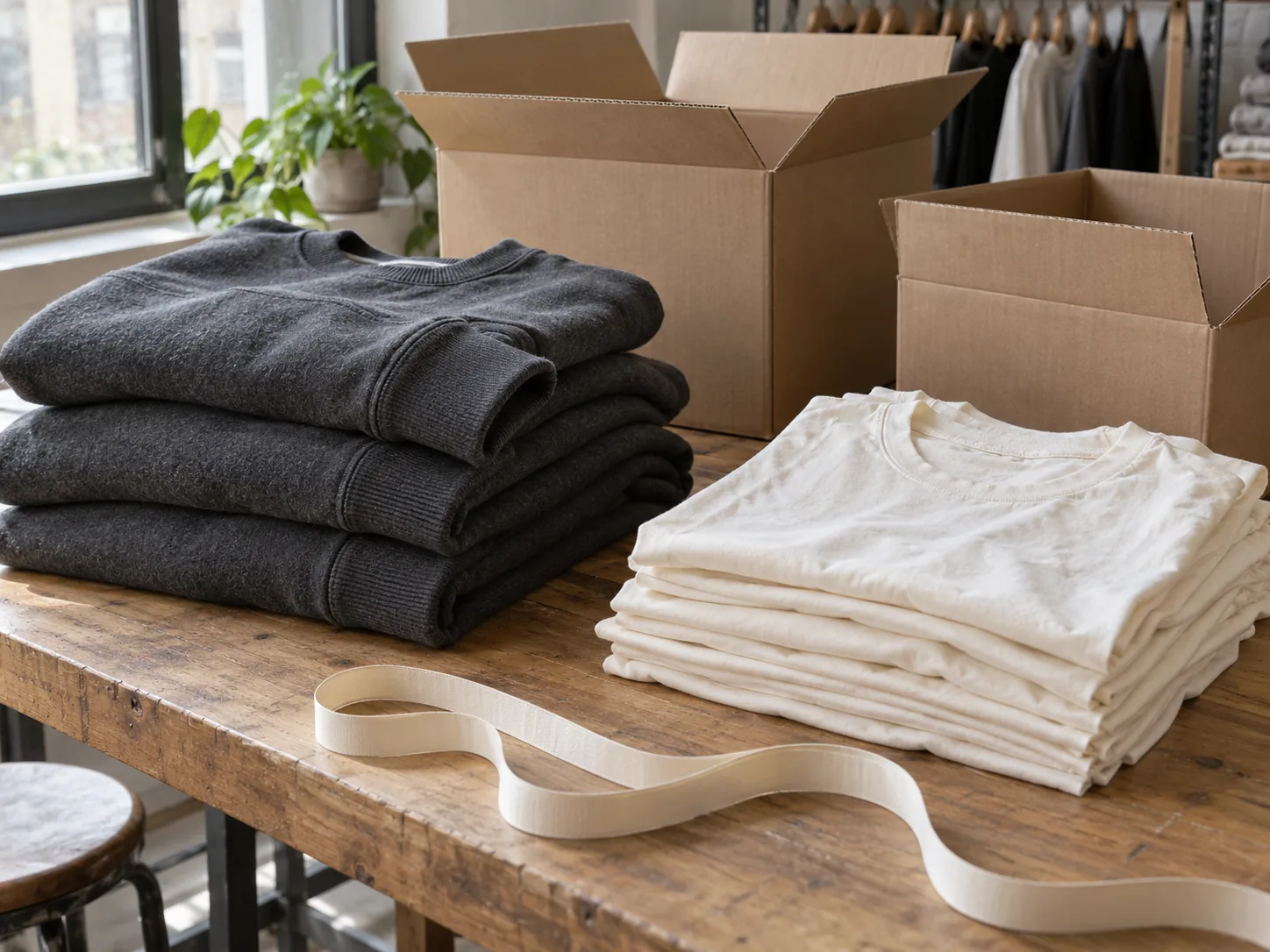
Start with a single shipment brief shared with the manufacturer and each logistics provider. List garment type, fiber composition, knitted or woven construction, quantities by style, destination country and postcode, and intended transport mode. Add the receiving location: a commercial warehouse with unloading equipment is different from an upstairs studio.
Request estimated carton count, external dimensions, gross weight, and net garment weight. Mark estimates as provisional until packing is complete. For illustration, eight cartons measuring 60 × 40 × 40 cm occupy 0.768 cubic meters. Express and air providers may charge by volumetric weight when it exceeds actual weight; ask which divisor and rounding method their service uses.
Do not assume a small production minimum means a low freight minimum. StitchQuote’s MOQ for most categories starts from 50 pieces per style, while denim starts from 100 pieces per style. A compact tee order and a denim order can face different handling economics even when both are small launches. Compare quotations against the same packing assumptions.
2. Put an exact place beside the three-letter term

A quote reading only “FOB China” or “DDP included” leaves essential details unresolved. Ask for the Incoterms version and named place or port in the contract. For DDP, include the complete destination address and receiving point; for EXW, identify the collection premises. FOB requires a named port of shipment and applies to sea or inland waterway transport.
| Term | Delivery and risk boundary | Buyer question before approval |
|---|---|---|
| EXW | Goods placed at the buyer’s disposal at the named premises, normally not loaded. | Who can arrange loading, collection, and export clearance? |
| FOB | Goods placed on board the buyer-nominated vessel at the named shipment port. | Who books the vessel and pays destination handling? |
| DDP | Import-cleared goods available on the arriving vehicle at the named destination, ready for unloading. | Can the seller legally arrange import clearance and all required duties and taxes? |
Under EXW, the buyer normally handles export clearance, which can be impractical without an eligible local party. Ask whether FCA at a named location better matches the intended arrangement. For containerized cargo handed to a terminal before vessel loading, FCA may also describe the actual handover more accurately than FOB.
For an air or courier shipment, request a term appropriate to that mode instead of accepting FOB as shorthand. Neither these three terms nor a carrier booking automatically gives you cargo insurance. Confirm coverage separately, including insured value, exclusions, deductible, and who files a claim.
3. Rebuild each quote into a complete receiving budget
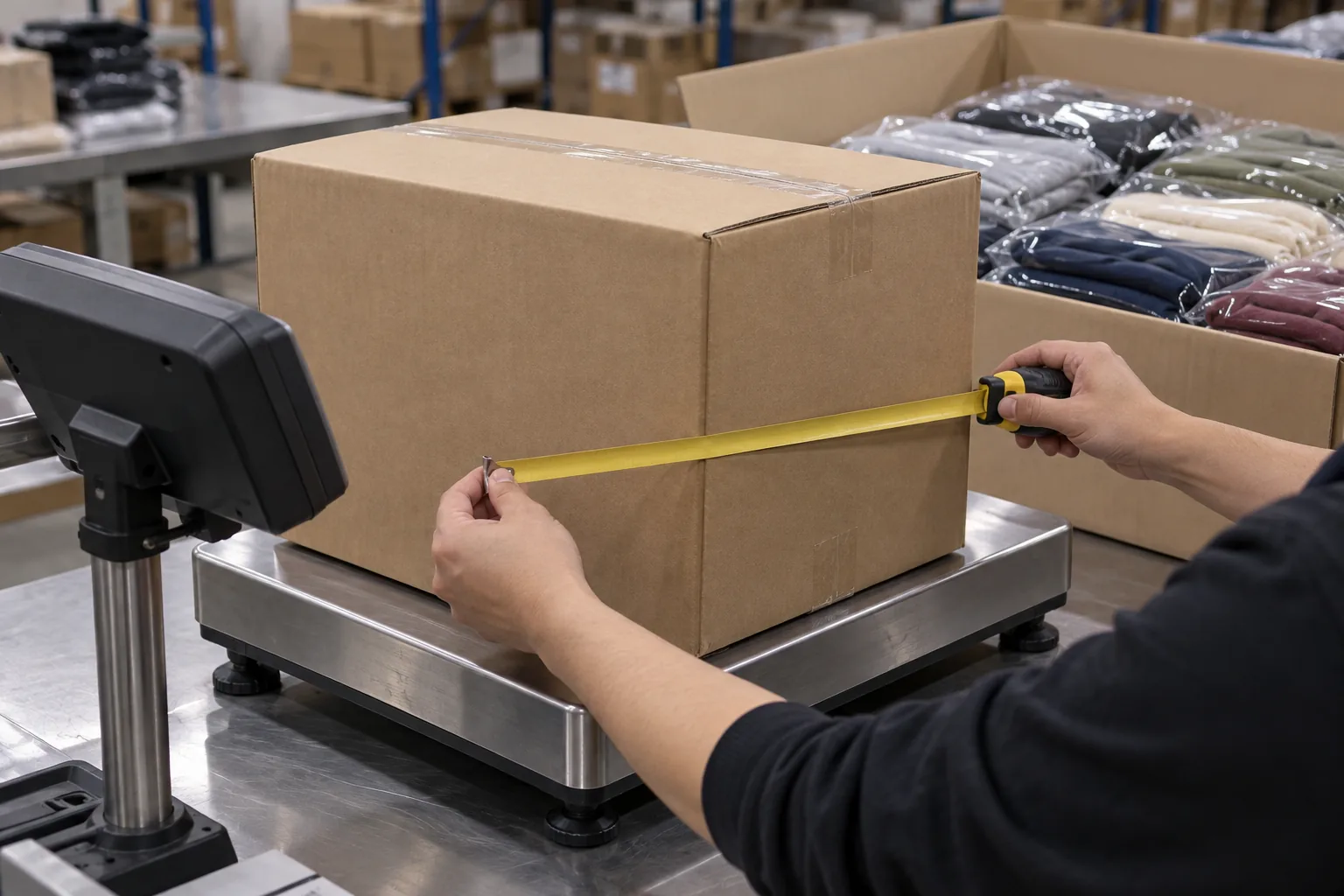
Create a comparison sheet with one row per charge: factory loading, pickup, export formalities, origin handling, main carriage, insurance, destination handling, customs brokerage, duty, import tax, final delivery, and unloading. For each row, record included, excluded, or pending confirmation. A blank cell is an unanswered question, not a zero.
Small sea shipments deserve particular scrutiny because consolidation and destination minimum charges can outweigh an attractive ocean freight line. Ask whether the quote includes deconsolidation, terminal release, documentation, and delivery from the destination facility. Obtain the free storage period and the charging basis if clearance or collection is delayed.
For DDP, request written confirmation that the quoted total covers import duty and applicable import taxes at the agreed destination. Ask about remote-area, appointment, residential, and redelivery charges. If duties are billed to you on arrival, the service does not match an unqualified DDP commitment; resolve the wording before booking.
Compare totals per accepted garment as well as per shipment. Keep potentially recoverable import taxes separate from permanent costs, with treatment confirmed by your accountant or broker. Specify quote currency, validity date, and which changes permit repricing, such as final carton dimensions or a different delivery address.
4. Verify the customs route before production becomes cargo
Ask who will be the importer of record and who will submit the declaration. DDP places import-clearance obligations on the seller, but local rules may prevent a foreign seller from acting directly. A seller should explain the lawful arrangement and documentation available to you before promising delivery with duty paid.
Give the customs broker accurate garment descriptions. “Streetwear” is not enough: a knitted cotton sweatshirt and woven cotton trousers may require different classifications. Provide composition percentages, construction, intended wearer category where relevant, country of origin, quantities, and transaction values. Have the destination broker confirm classifications and requirements instead of copying codes from an unrelated shipment.
Check that the commercial invoice, packing list, and transport document agree on parties, quantities, carton counts, and weights. Confirm destination labeling requirements early enough to incorporate them into production. Reject proposals to understate values or describe commercial orders as gifts; they can create clearance problems and undermine accurate insurance claims.
5. Make packing release a separate QC decision
Choosing a delivery term does not establish product acceptance. Put the approved sample, measurement chart, inspection method, and defect remedy in the purchase agreement. StitchQuote provides QC before packing; agree on the records and checks needed for your order before scheduling collection.
- Garment measurements: identify measurement points and tolerances. For example, a buyer might specify half-chest within ±1 cm of the approved chart for a particular sweatshirt; confirm suitability for the fabric and construction rather than applying this universally.
- Branding and assortment: verify label content, print placement, size tags, and color-size quantities against the approved specification. Record discrepancies before sealing cartons.
- Condition: check for stains, open seams, damaged trims, and damp garments. Agree on any moisture-control packaging for the route without packing clothing before it is dry.
- Carton integrity: confirm carton strength, sealing, internal protection, and agreed gross-weight limits with the carrier. Record final dimensions rather than reusing estimates.
- Traceability: photograph representative garments, sealed cartons, and carton identifiers. Match each identifier to its packing-list contents so shortages can be investigated at receipt.
Require a clear release message from the buyer or authorized inspector before pickup. Define the inspection scope, any sampling plan, and the handling of failed checks beforehand. A transport receipt showing cartons were collected does not prove that garment measurements or branding passed inspection.
6. Close the remaining questions before booking
Which arrangement suits a first order without a freight forwarder?
A documented DDP offer can reduce the number of parties you coordinate, provided the seller can support the destination’s import requirements. Compare it with an independent logistics quote covering the same scope. Choose based on verified responsibilities, clearance documentation, and receiving arrangements, rather than convenience language alone.
Can I use a seven-day sample promise to set my arrival date?
No. StitchQuote offers a seven-day sample for standard styles with confirmed specifications and available materials; complex styles, custom washes, and custom-developed fabrics take longer. Sampling is separate from bulk production, packing, freight booking, customs clearance, and delivery. Build the launch calendar from confirmed milestones for each stage.
What if the final cartons are larger than the estimate?
Ask for a revised freight calculation before cargo release. Compare the actual dimensions and weight with the approved assumptions, then check whether protective packing can be adjusted without damaging garments. Your agreement should identify who approves extra charges and whether a material freight increase allows a different service to be selected.
Who handles a shortage discovered at the warehouse?
Count cartons at arrival, record visible damage on the delivery receipt, and photograph discrepancies promptly. Then reconcile carton contents against the packing list. Notify the seller, carrier, and insurer as applicable within their claim deadlines. Risk transfer helps identify transit responsibility, while evidence distinguishes missing cargo from a packing error.
Keep the signed specification, commercial terms, final packing list, inspection release, and logistics quotation together. That file gives your team a practical basis for authorizing payment and receiving the order.
Related reading
- Prepare the garment specifications behind your shipment brief
- Review sampling and minimum order planning
- Contact StitchQuote to discuss your order requirements
Request a manufacturing quote
Share your product type, quantity range, and destination. We usually reply within one business day.