Custom Streetwear, Casualwear & Denim Manufacturer•MOQ 50 pcs•Denim MOQ 100 pcs•7-Day Sample Available

How to Build a Production Handoff Timeline Before Low MOQ Clothing Manufacturing
Build a production handoff timeline before low MOQ clothing manufacturing so fabric, samples, BOMs, approvals, QC, and launch dates stay aligned.

A production handoff timeline should be built before low MOQ clothing manufacturing because the project can look ready in chat while important approvals are still scattered across sample notes, fabric messages, trim decisions, artwork files, payment timing, and launch pressure. A handoff timeline turns those moving parts into one sequence the buyer and factory can manage.
The clothing manufacturer for startup brands page explains why early production planning matters when a brand is moving from concept into a real order. A timeline is especially useful for startup teams because it shows what must be approved before production work can safely continue.
Why the Handoff Timeline Matters Before Production
Low MOQ production still needs coordination between development, purchasing, sampling, cutting, sewing, decoration, QC, packing, and buyer approval. If the buyer treats the handoff as one casual approval message, the factory may have to chase missing information while the production date is already approaching.
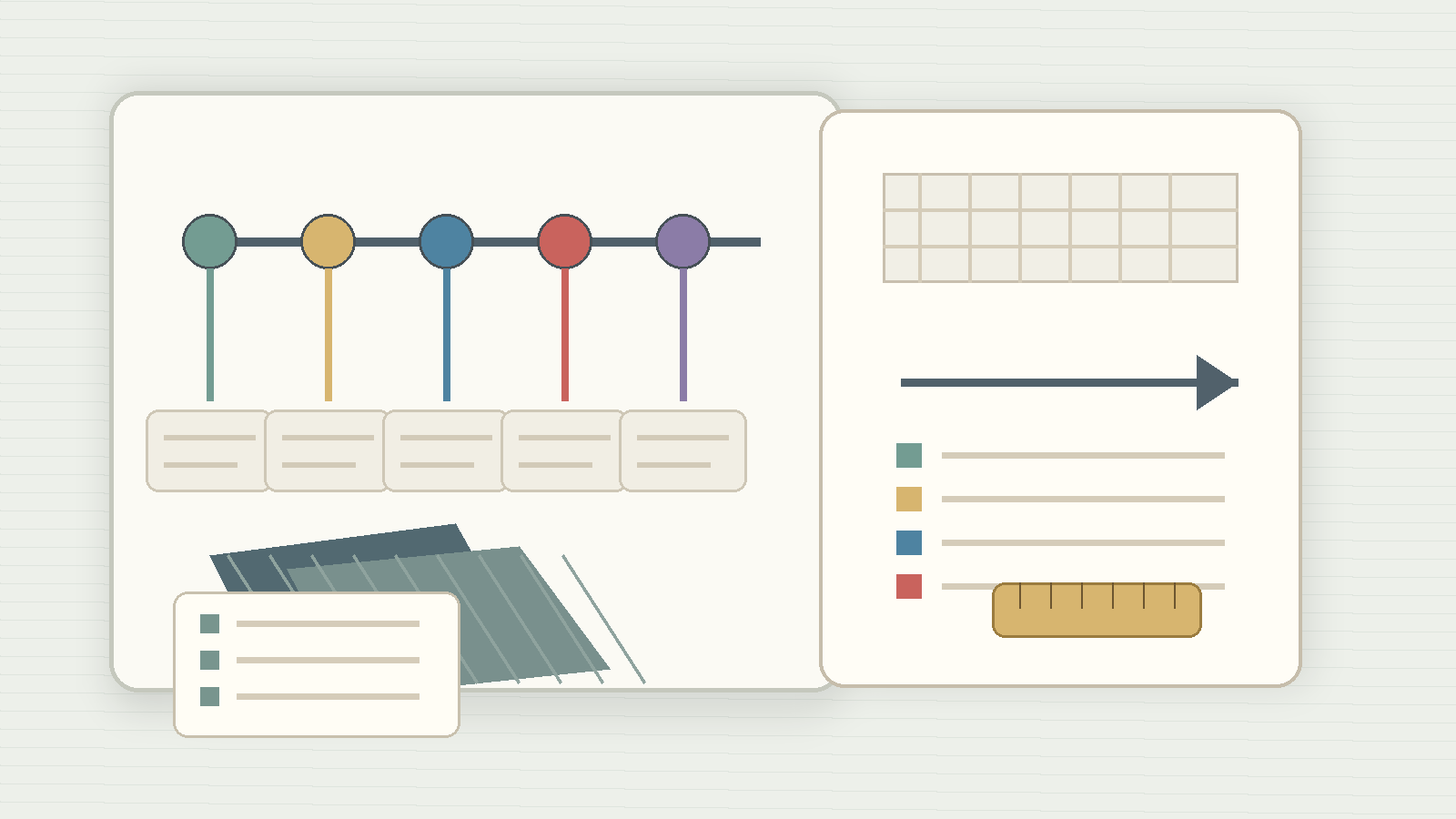
A useful timeline does not need to be complicated. It should show the style, order quantity, size range, sample approval status, fabric and trim readiness, artwork or decoration status, production start condition, QC checkpoints, packing requirements, and target shipment or launch date.
Start With the Launch Date but Plan From Approval Gates
Many buyers start with a launch date. That is understandable, but production should be planned from approval gates. Work backward from the target date and identify which decisions must be locked before fabric purchasing, trim purchasing, cutting, decoration, sewing, inspection, packing, and shipping preparation.
The sampling and MOQ page gives context for how sample planning and minimum order decisions affect the move into production. The handoff timeline should connect the sample plan to the production plan instead of treating them as separate conversations.
Lock Style, BOM, Fabric, Trims, and Sample Status
Before production starts, the buyer and factory should know which style version is approved, which sample is the production reference, which fabric is final, which trims are final, and which packaging or label details are still pending. If one item is not final, it should appear as a hold point on the timeline.
A bill of materials can keep this from becoming vague. The private label clothing bill of materials guide explains how fabric, trims, labels, packaging, consumption, substitute rules, and approval status should be organized before low MOQ production.
Separate Buyer Approvals From Factory Production Tasks
The timeline should separate what the buyer must approve from what the factory must execute. Buyer approvals may include sample sign-off, fabric shade, trim choice, artwork file, embroidery or print sample, label position, packaging, measurement tolerance, and final order details. Factory tasks may include material sourcing, pattern update, marker planning, cutting, sewing, decoration, finishing, inspection, and packing.
The pre-production sample approval guide explains how buyers can mark approved points, correction points, and hold points before bulk starts. A handoff timeline should carry those sample decisions into the production schedule.
Build QC and Packing Checkpoints Into the Timeline
Quality control should not appear only at the end. The timeline should show where the factory checks material readiness, first output, in-line production quality, final measurements, decoration quality, loose threads, labels, packing, and carton marks. For a small run, early checkpoints can catch repeat problems before the full order is finished.
Cost and timing should also be kept realistic. The low MOQ clothing quote comparison guide shows why buyers should compare more than unit price. Timeline risk, approval clarity, material status, and QC planning can all affect the real value of a manufacturing option.
Send One Production Handoff Record
The final handoff record should include the style name, approved sample reference, tech pack, BOM, fabric and trim status, order quantity, size breakdown, decoration status, packing requirements, QC checkpoints, open risks, buyer approval owner, factory contact owner, and target dates. Keep the record updated when something changes.
For a private label or startup clothing project, the private label clothing manufacturer page shows the broader path from product direction to production. When you are ready to discuss a handoff timeline, send the style details, sample status, material list, target quantity, and launch timing through the StitchQuote inquiry page.
When order size, sampling cost, and supplier fit need to be compared together, use low-MOQ clothing production planning to plan the next sourcing step.
Questions Buyers Ask About Production Handoff Timelines
When should a production handoff timeline be created?
Create it before bulk production starts, ideally when the sample is close to approval and material decisions are becoming final. Waiting until cutting starts can leave too many risks unresolved.
Does a low MOQ order need a formal timeline?
Yes. The format can be simple, but the order still needs approved samples, materials, trims, production tasks, QC checks, and packing decisions. A short timeline is better than scattered approvals.
Who owns the handoff timeline?
The buyer should own approval decisions and launch priorities. The factory should own production feasibility, material readiness, process timing, and QC checkpoints. The timeline should show both sides clearly.
What is the biggest handoff risk for startup brands?
The biggest risk is assuming a project is production-ready while fabric, trims, sample corrections, artwork, packing, or QC expectations are still unresolved. The timeline should make those hold points visible.
Request a manufacturing quote
Share your product type, quantity range, and destination. We usually reply within one business day.
One comment
Comments are closed.
[…] production handoff timeline guide helps buyers understand why stage completion depends on earlier approved files, materials, trims, […]