Custom Streetwear, Casualwear & Denim Manufacturer•MOQ 50 pcs•Denim MOQ 100 pcs•7-Day Sample Available

Streetwear Manufacturer in China with Low MOQ: What Searchers Usually Mean
Understand streetwear manufacturer in china low MOQ through fit, fabric, decoration, and production logic so streetwear and premium basics buyers can make cleaner.

Searching for a streetwear manufacturer in China with low MOQ often means something more specific: “Can I launch several colors without tying up too much cash?” A minimum order tells you how many garments can enter production. It does not tell you whether that quantity can be divided among colors, which shades need separate material orders, or how much extra approval work each variation creates.
For a small streetwear launch, the useful buying decision is therefore the color allocation, not simply the total piece count. One silhouette in three shades can behave like three material projects even when the pattern stays unchanged. Before requesting a quote, decide which colors deserve production depth and which can wait for evidence of demand.
Turn the minimum into a color-and-size allocation
StitchQuote’s MOQ for most categories starts from 50 pieces per style; denim starts from 100 pieces per style. Those are starting points, not a promise that any number of colors can share the minimum. Ask whether the proposed color split is acceptable and whether fabric, dyeing, trims, or decoration introduces another minimum.
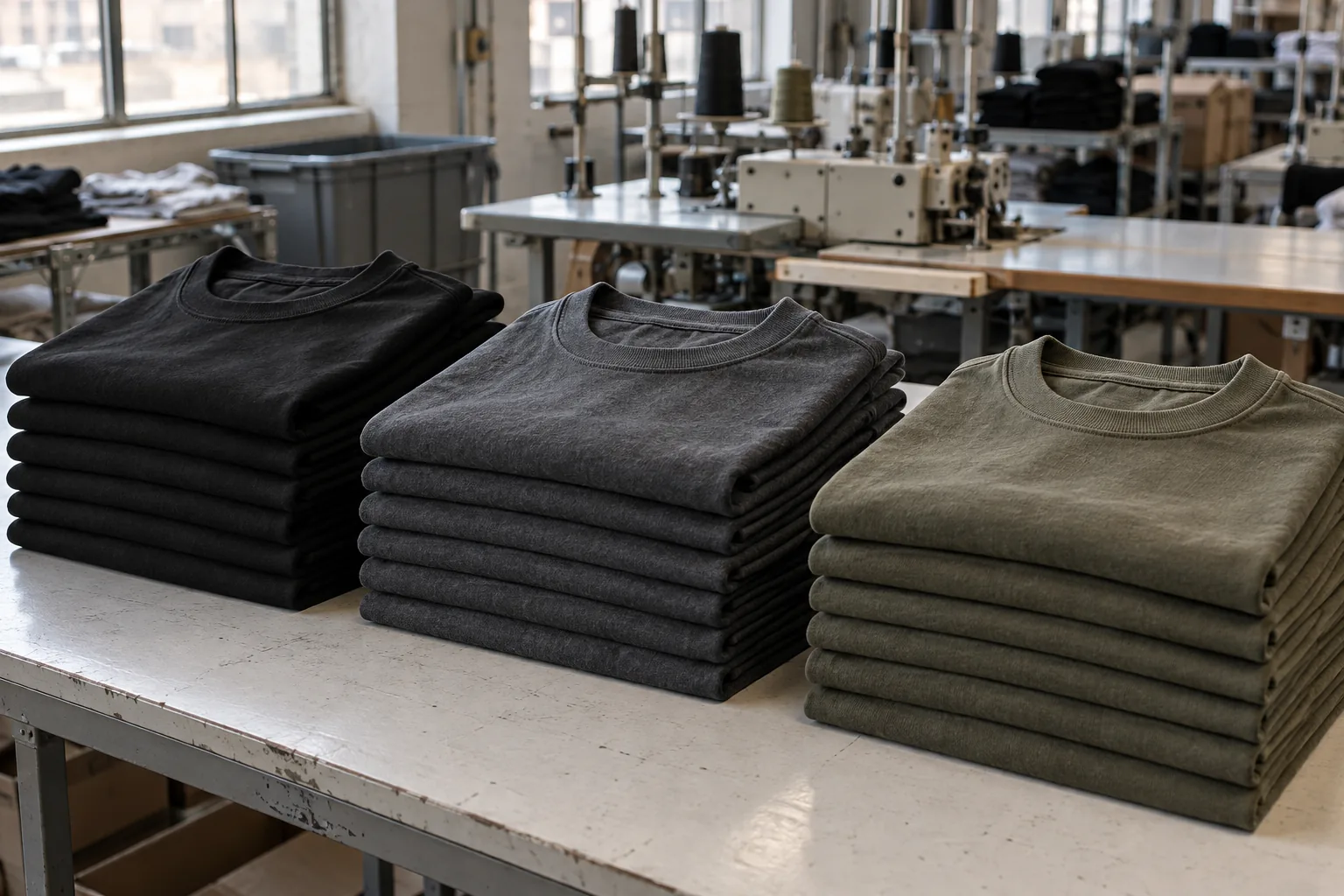
Consider a hypothetical 60-piece heavyweight tee order. One color gives you 60 units to distribute across sizes. Three colors leave 20 units per color; across five sizes, an even split would provide just four of each size in each shade. Real demand rarely divides evenly, so the apparent assortment can become a collection of shallow stock positions.
Send a quantity matrix with colors as rows and sizes as columns. Identify a lead color and propose alternatives: 60 black units, or 40 black and 20 washed green, subject to supplier confirmation. Ask for both scenarios on the same construction specification. This makes the cost of adding green visible without confusing it with a change in garment quality.
Locate the minimum that sits behind each shade
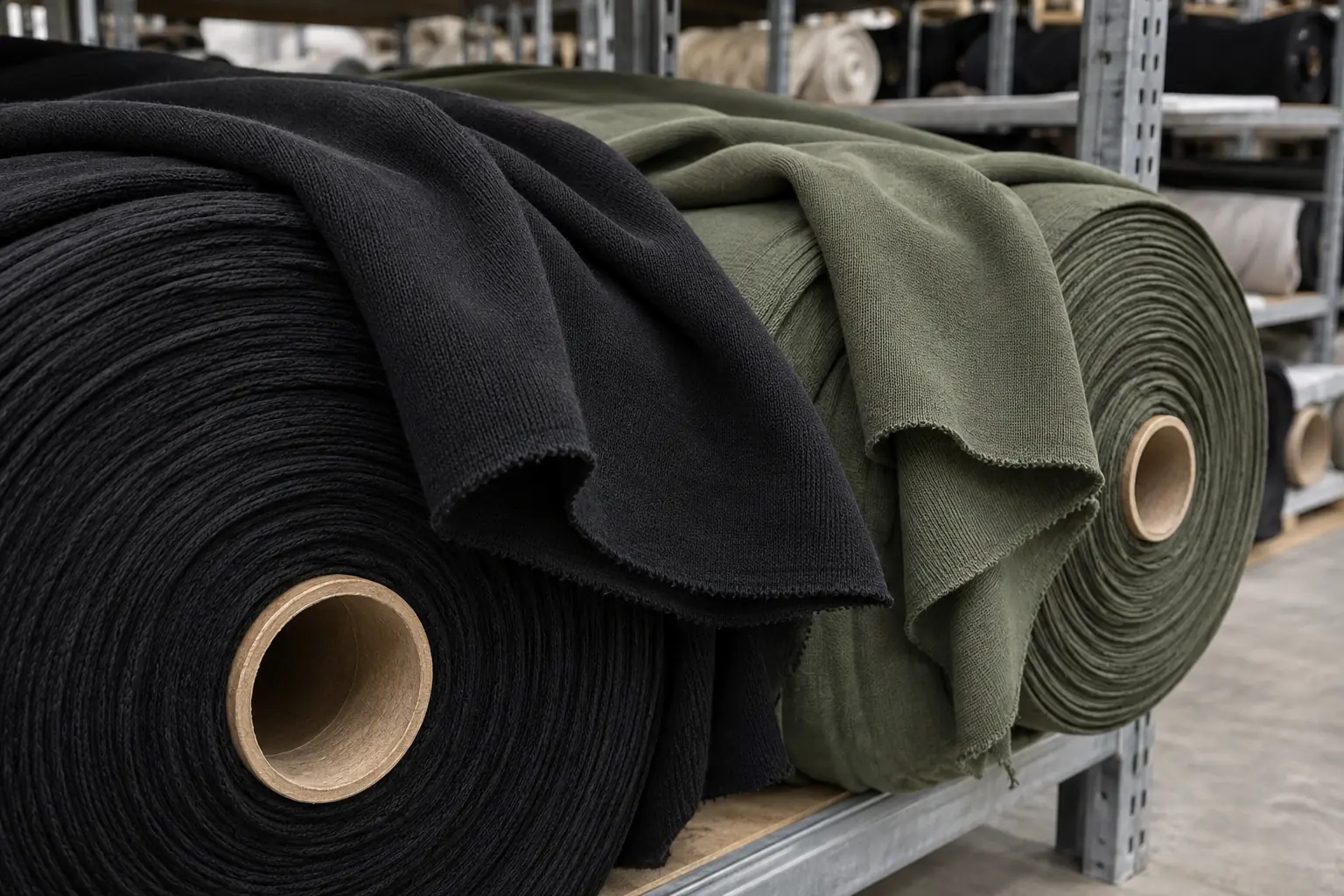
A garment quantity may fit a sewing order while falling short of a fabric supplier’s economic batch. Stock fabric can reduce this problem, provided the required color, composition, weight, and usable quantity are available together. A stocked black jersey and a custom olive jersey are not equivalent sourcing requests, even if both target 240 gsm.
For a custom shade, ask who purchases the material and how unused fabric is treated. Clarify whether the quote includes the full required fabric purchase, only estimated garment consumption, or an additional balance payable separately. If leftover material will be retained for a reorder, agree its ownership, identification, storage arrangement, and any conditions before ordering.
Color can also change the production route. A garment-dyed tee needs a suitable base fabric, compatible thread and trims, and a tested finishing process. Different shades may respond differently to that process. A light sweatshirt may need a separate opacity assessment; a dark version may need closer attention to rubbing transfer. These are reasons to evaluate each shade, not universal claims that one color always costs more.
Compare the added color against a fixed baseline
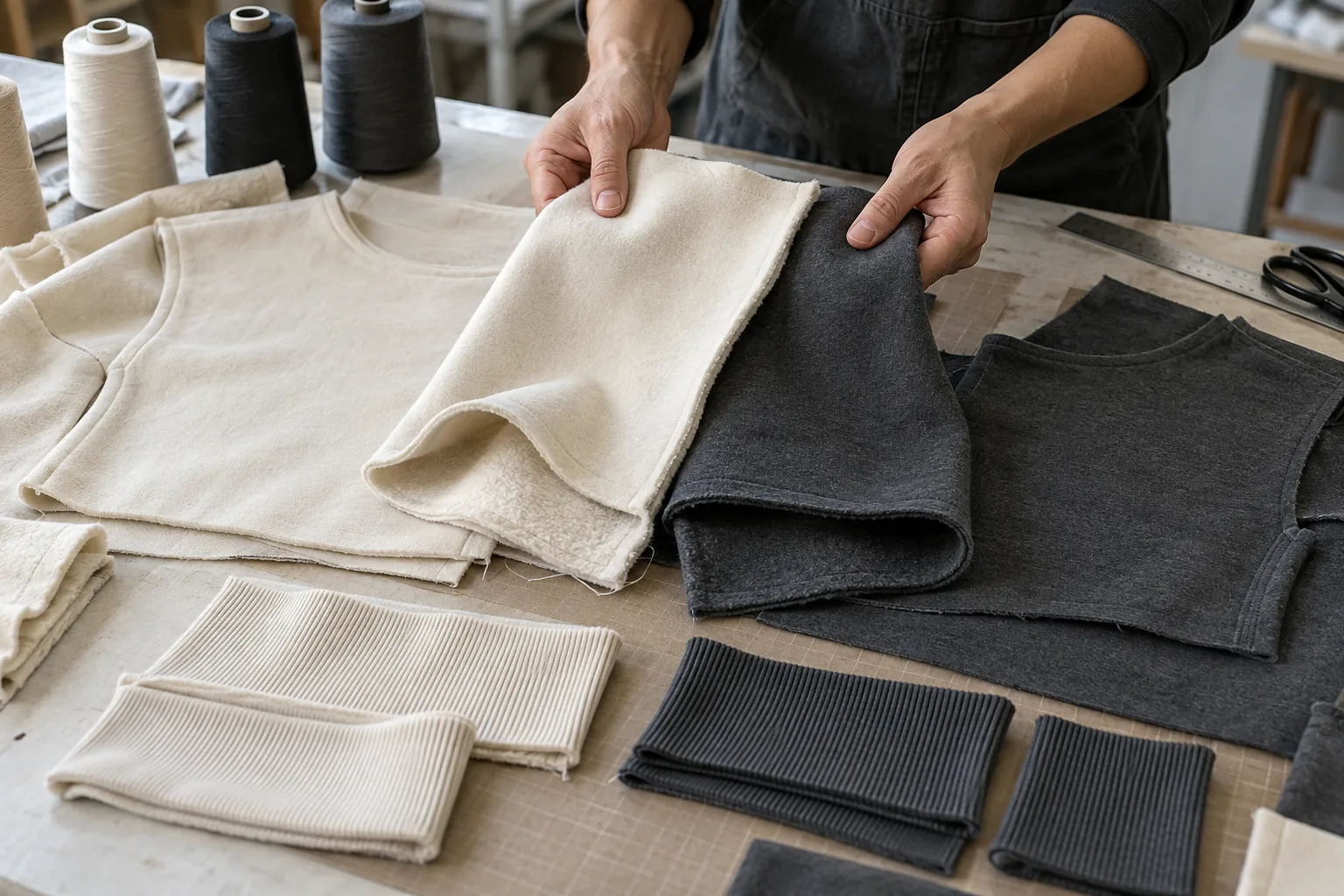
Ask for a baseline quotation with one approved silhouette, fabric specification, decoration method, and packing requirement. Then request an alternate quotation that changes only the color allocation. If a supplier proposes another fabric to make the second color feasible, request that substitution as a separate option rather than folding it into the comparison.
The following comparison is a buying worksheet, not a StitchQuote price schedule. Each line needs project-specific confirmation; some charges may already be included in the unit rate.
| Cost component | What an extra color can change | Question for the quote |
|---|---|---|
| Fabric purchase | Separate stock reservation or dye batch | Is unused material included and itemized? |
| Color approval | Additional swatches, lab dips, or samples | Which approvals and revisions are included? |
| Decoration | Ink adjustment, underbase, or thread change | Does each garment color require a trial? |
| Trims and packing | Separate matching rib, cords, or SKU sorting | Which components can remain common? |
Compare total order cost and the number of saleable units, as well as the quoted garment rate. Keep shipping, taxes, and other excluded charges consistent between options. Avoid adding setup charges twice when they are already amortized into the piece price. Request an explicit list of inclusions so that a lower headline rate does not conceal a larger material commitment.
Protect the launch budget by sharing components deliberately
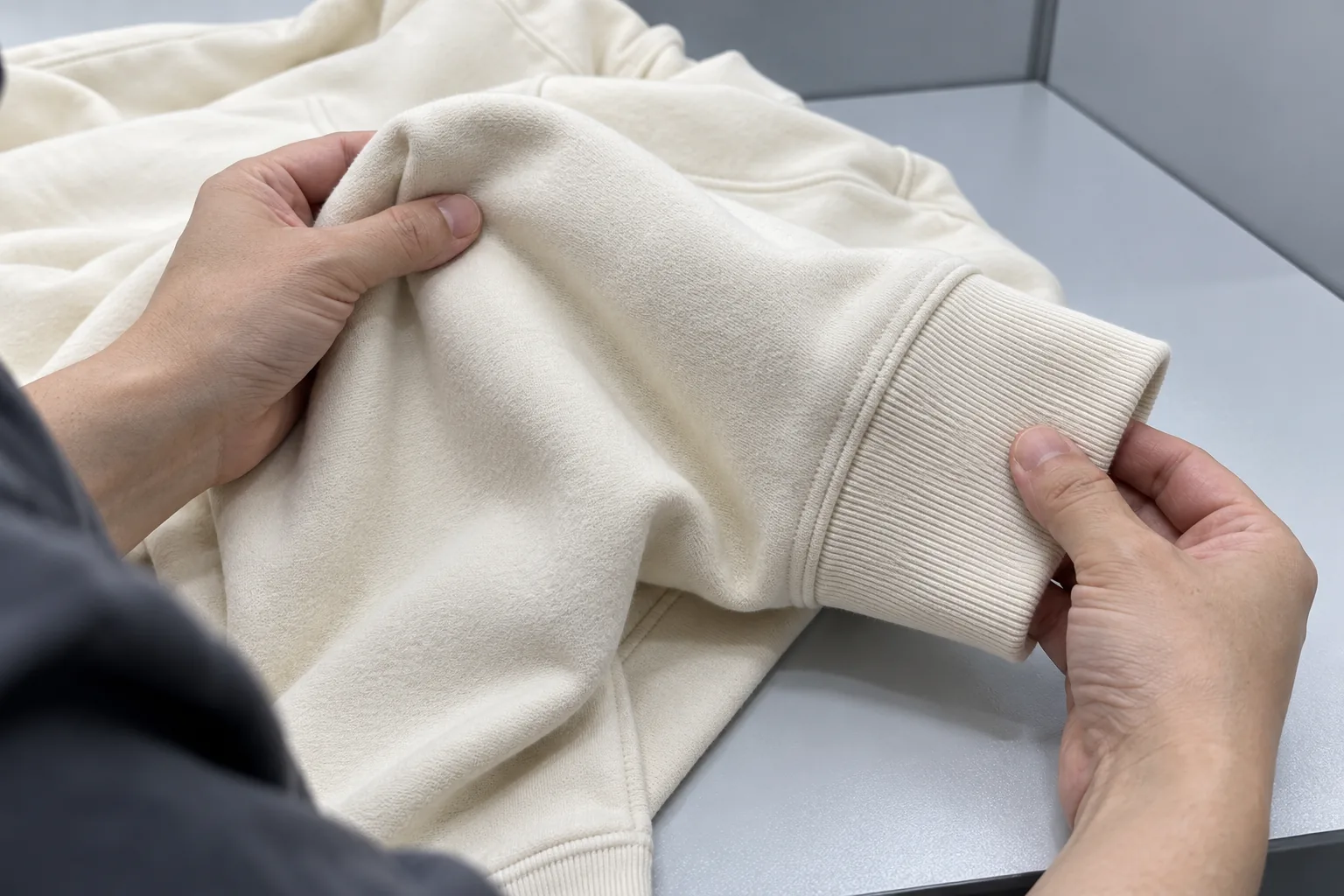
The simplest saving may be a common component that does not weaken the design. For example, black woven labels and identical packaging could serve both charcoal and cream hoodies. Matching drawcords, zipper tape, rib, and embroidery thread can create several separate sourcing requirements. Decide which matches are essential to the visual identity and which can intentionally contrast.
Decoration deserves its own color review. A small white chest print may need a different ink build on a black tee than on a pale tee. That can affect hand feel and appearance even when the artwork file is identical. Ask for a print trial on each actual ground color before accepting one decoration rate as representative of the whole order.
A staged release is another option: produce the strongest color first and hold the second until demand justifies its allocation. The tradeoff is that later material availability and shade continuity are not guaranteed. If both colors must launch together, simplify another variable, such as using one approved fabric construction and one shared artwork placement.
Approve color evidence before releasing bulk
Use a checklist that separates fit approval from color approval. A black fit sample can establish silhouette and measurements, but it cannot establish the appearance, opacity, or decoration result of a cream version. StitchQuote provides sampling, fabric and trim sourcing, cut-and-sew, private label, branding through woven labels, prints and embroidery, and QC before packing. Specify the evidence needed for your particular assortment.
- Define the reference: record a physical shade standard or agreed color reference, fabric composition, target weight, finish, and approved sample identifier. Phone photographs alone are unreliable color standards.
- Agree viewing conditions: compare body fabric, rib, thread, and trims under agreed lighting. If instrument readings are required, specify the method and acceptance limit with the supplier rather than imposing an unexplained number.
- Check after treatment: review shrinkage, twisting, surface change, and shade after the intended wash process. Set measurement tolerances by point of measure; a neckline opening and body length need not share one tolerance.
- Test color interactions: request appropriate checks for rubbing transfer and wash staining where dark fabric touches pale prints, panels, or trims. Agree test methods and pass criteria before bulk production.
- Control cutting and packing: confirm how dye lots stay identified, how panels are kept consistent within garments, and how finished units are checked against the approved color sample and size allocation.
StitchQuote offers a 7-day sample for standard styles with confirmed specifications and available materials. Complex styles, custom washes, and custom-developed fabrics take longer. Treat a pending custom-color approval as an unresolved schedule input; do not assume the standard sample timing covers development of every shade.
Questions buyers ask when expanding a small palette
Can two colors share a 50-piece style minimum?
Ask for confirmation against the exact style and allocation. A per-style starting MOQ does not automatically establish a per-color policy. Send the fabric choice, two shade references, size breakdown, and decoration details together so the answer covers the actual order rather than an abstract quantity.
Does using the same pattern remove second-color sampling?
It can reduce duplicated fit work, but color-specific evidence may still be needed. Request the smallest sufficient approval package: perhaps a fabric swatch, matched rib set, and decoration trial. A different wash or material may justify a full garment sample because dimensions and surface character can change.
Is a repeat color automatically cheaper next time?
No. Existing artwork and an approved specification can reduce repeated development, but the next fabric lot may have different availability or purchase requirements. Confirm which setup costs recur, whether retained materials are usable, and whether the repeat needs a fresh shade approval. Compare the reorder’s actual quantities rather than assuming the original rate persists.
Send a quote request that makes the palette decision possible
Prepare one packet containing the silhouette specification, fabric requirements, color references, size matrix, decoration files, trim choices, and intended launch date. Mark requirements as fixed or flexible. Include a one-color baseline and your preferred expanded palette, then ask for differences in total commitment, approval steps, unused materials, and lead time. This gives you a concrete choice between assortment breadth and stock depth before cash is committed.
Related reading and next steps:
- Prepare the specifications for a comparable quote
- Review sampling and minimum-order planning
- Explore the wider cost of manufacturing a hoodie
- Discuss your color allocation with StitchQuote
Request a manufacturing quote
Share your product type, quantity range, and destination. We usually reply within one business day.