Custom Streetwear, Casualwear & Denim Manufacturer•MOQ 50 pcs•Denim MOQ 100 pcs•7-Day Sample Available

Why Apparel Buyers Are Ordering More Carefully in 2026
See why apparel buyers are ordering more carefully in 2026 as tariff uncertainty, freight risk, and demand pressure make brands tighten planning and commitments.

On This Page
Apparel buyers are not necessarily buying less because interest in product has disappeared. Many are buying more carefully because the planning environment is harder to read. On March 9, 2026, the National Retail Federation said import cargo at major U.S. container ports was expected to remain below last year’s levels in the first half of 2026 amid continuing tariff uncertainty, while the industry was also watching the possible downstream impact of conflict-related energy pressure. For apparel brands, the takeaway is not just a macro headline. It explains why more teams are tightening order depth, slowing speculative commitments, and asking suppliers sharper questions before they book bulk.
From a sourcing-side point of view, this creates a different kind of buying behavior. Brands still want strong products and reliable manufacturing partners, but they are more sensitive to cost volatility, launch timing, cash flow pressure, and the risk of getting stuck with the wrong inventory position. That is why buyer conversations in 2026 often sound more cautious around trade terms, sampling lead time, and the structure of a first order through a low-MOQ manufacturing route.
What the latest cargo outlook is really signaling
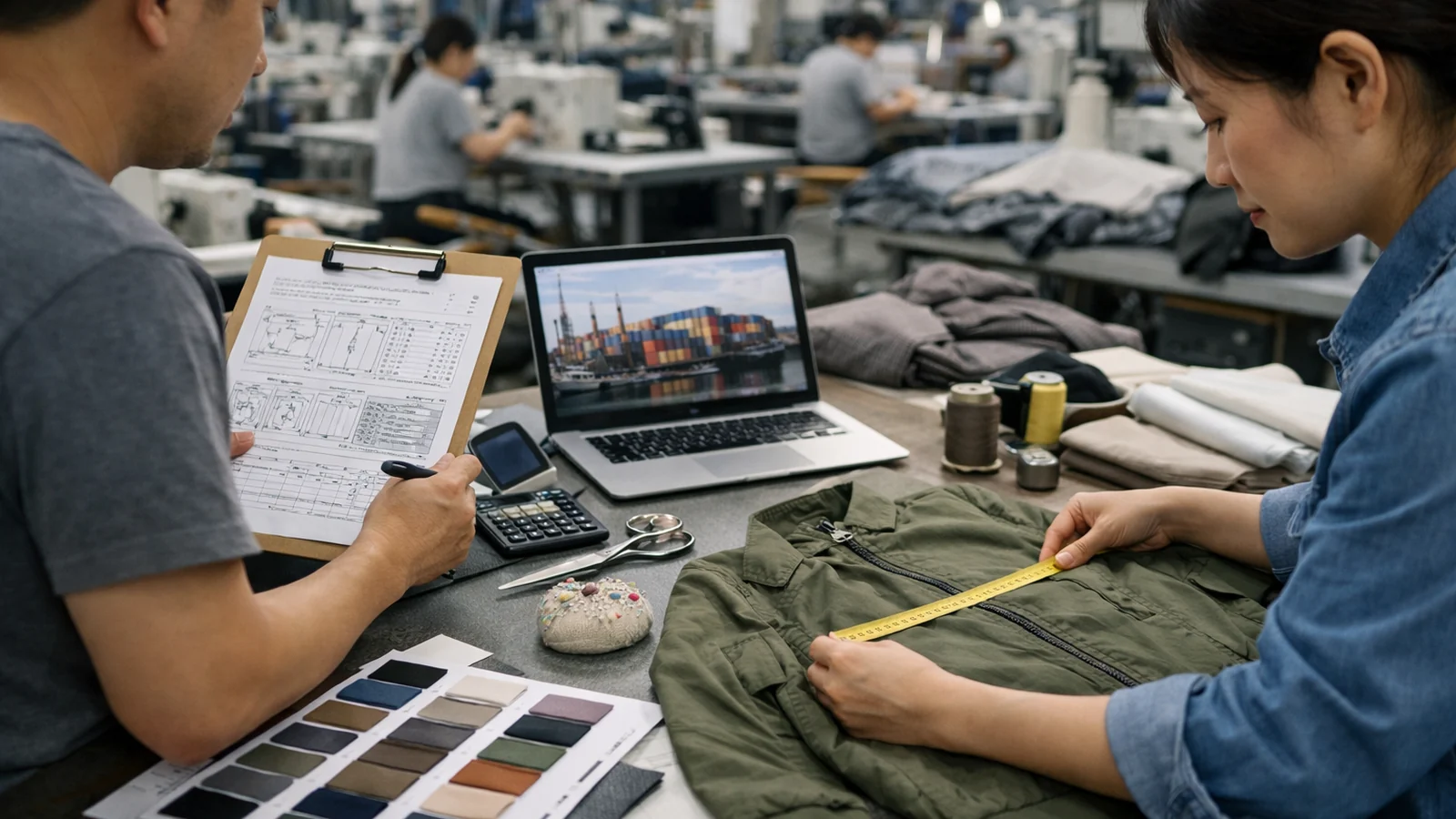
According to the NRF update, first-half 2026 U.S. import volume is expected to run below the same period in 2025, with tariff uncertainty still making long-term planning difficult. The report also noted that while the immediate Iran-related impact on U.S.-bound container cargo was not yet clear, sustained energy and inflation pressure could feed back into retail demand and imports over time. For apparel buyers, that combination matters because it rewards caution rather than aggressive inventory bets.
This does not mean all brands should delay orders. It means the tolerance for loose planning is lower. If a collection already has uncertain demand, unclear cost structure, or too many low-depth variants, it becomes harder to justify broad commitments. That is one reason cleaner buying paths like our streetwear brand manufacturing page and startup brand guide are increasingly relevant in a year like this.
How cautious ordering shows up in real apparel decisions
In practice, cautious ordering usually looks like tighter SKU editing, more pressure on sample quality, more discussion around replenishment, and stronger interest in supplier flexibility. Buyers want to know not only whether a factory can make the style, but whether the production structure still works if the brand wants a smaller first drop, fewer colorways, or a more controlled restock plan.
This is also why comparison decisions matter more in 2026. Questions like whether to use FOB or EXW, whether to push for one more sample round, or whether to keep a speculative colorway all have a bigger commercial weight when margins are tighter. If you are reviewing a buying plan right now, our guides on private label vs white label clothing and apparel sampling help frame some of those trade-offs more clearly.
What this means for supplier conversations
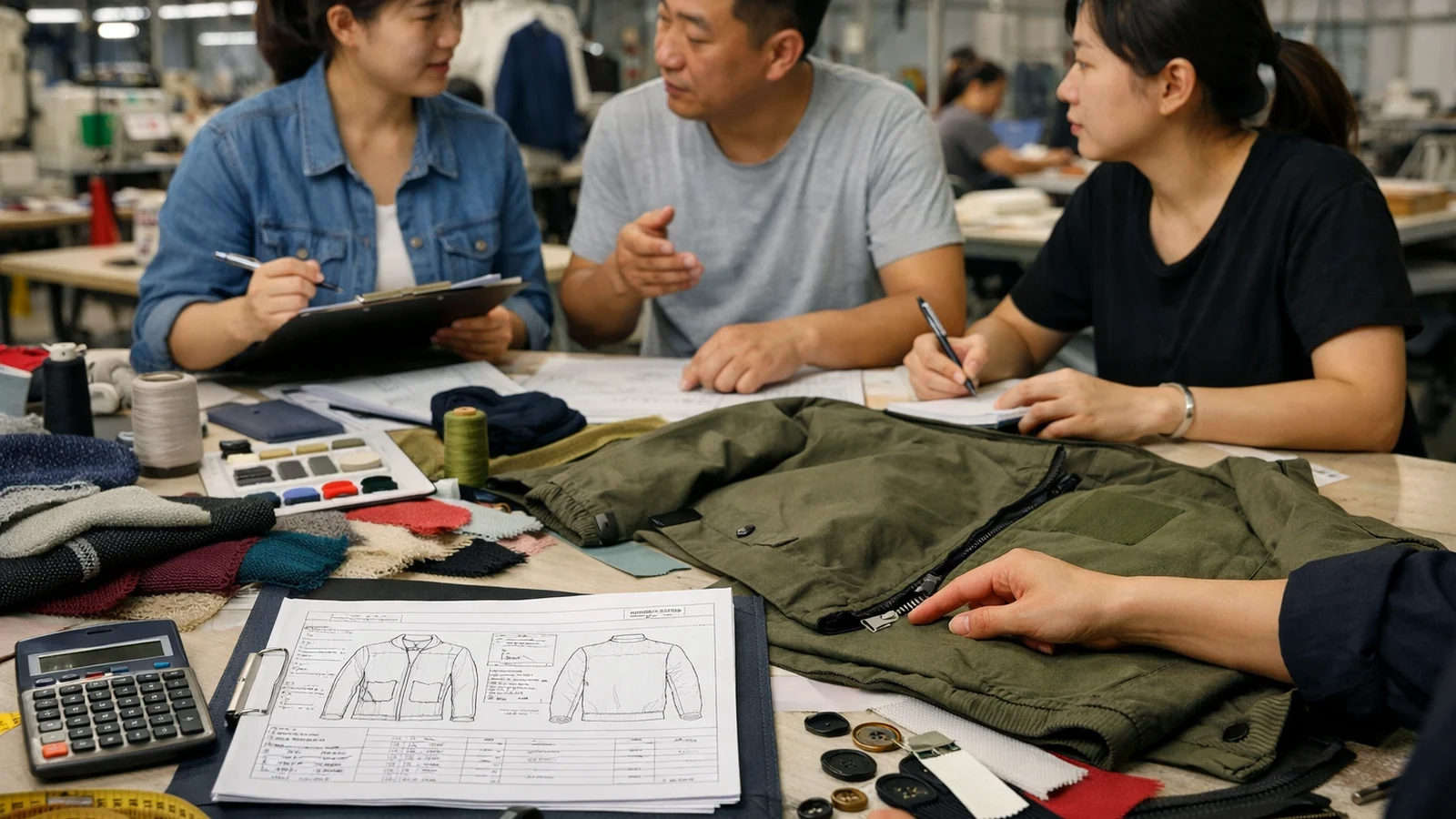
The brands that move more cleanly in this environment are usually the ones that ask better questions earlier. They clarify target cost, trade term, shipment window, category fit, and which parts of the brief are still flexible before the supplier spends time quoting and sampling on assumptions. A supplier can only support a cautious buying environment well if the commercial boundaries are visible early.
That is also why many brands are increasingly prioritizing suppliers who can help them reduce avoidable complexity, not just suppliers who say yes to everything. In unstable conditions, a reliable manufacturing services workflow, a cleaner tech pack, and a better first-order structure often matter more than squeezing the last small reduction out of a headline unit price.
What brands should do next
If 2026 feels more cautious, the practical response is not to freeze. It is to buy with more structure. Brands should reduce avoidable range fragmentation, clarify the cost and shipping basis earlier, and make sure the first order is strong enough to test demand without creating unnecessary inventory pressure. That approach usually produces better decisions than trying to forecast aggressively in a volatile environment.
- Tighten the first order around the strongest styles instead of spreading quantity too thin.
- Confirm trade terms, shipping assumptions, and target margin before quoting goes too far.
- Use sampling to remove the most important risks before bulk, not to keep every option open.
- Favor suppliers who can support clarity and discipline, not just low headline pricing.
- Plan reorders around proven demand instead of assuming a broad first buy is safer.
For apparel buyers, 2026 looks less like a year for loose optimism and more like a year for sharper operating decisions. If you want help shaping a cleaner sampling, MOQ, and supplier path for a more cautious buying environment, see our services, compare options through the low-MOQ page, or send your current brief through the contact form.
Frequently Asked Questions
Does more cautious ordering in 2026 mean apparel demand has disappeared?
Not necessarily. In many cases it means brands are under more pressure to control inventory, tariffs, freight exposure, and cash flow before they commit to bulk production.
What is the best sourcing response when buyers are ordering more carefully?
Usually it is better structure: tighter assortments, clearer trade terms, stronger sample control, and supplier conversations that define risk and flexibility earlier in the process.