Custom Streetwear, Casualwear & Denim Manufacturer•MOQ 50 pcs•Denim MOQ 100 pcs•7-Day Sample Available
Complete Guide to Apparel Sampling: Fit Samples, PP Samples, and MOQ
Use this complete guide to apparel sampling to understand fit samples, salesman samples, size sets, PP samples, cost, timing, and approvals before bulk production.
Manufacturing guide
Use this complete guide to apparel sampling to understand fit samples, salesman samples, size sets, PP samples, cost, timing, and approvals before bulk production.
Plan your sample review
Informational and commercial-investigation intent from buyers who need to understand sample stages, revision order, and when production is actually ready to move forward.
Topic
complete guide to apparel sampling
Buyer priorities
Informational and commercial-investigation intent from buyers who need to understand sample stages, revision order, and when production is actually ready to move forward.
Use This Page Like a Buyer Decision Hub
The goal is to connect topic authority with real production choices, not just create another isolated article.
Module 01
Overview
Start with the buyer-side summary and confirm what this page is designed to answer.
Module 02
Decision matrix
Use the comparison table to judge cost, timing, and production trade-offs faster.
Module 03
Deep-dive sections
Read the practical sections built around sampling, production, and commercialization logic.
Module 04
Workflow
Check the order in which buyers usually lock the key decisions.
Module 05
Featured guides
Move into the linked resource articles that support this topic cluster.
Module 06
Next step
Jump to the most relevant service path or inquiry page when the brief is getting serious.
Module 07
FAQ
Read the short questions buyers usually ask before requesting a quote.
Module 08
Contact
Move directly to the inquiry form when you are ready to share project details.
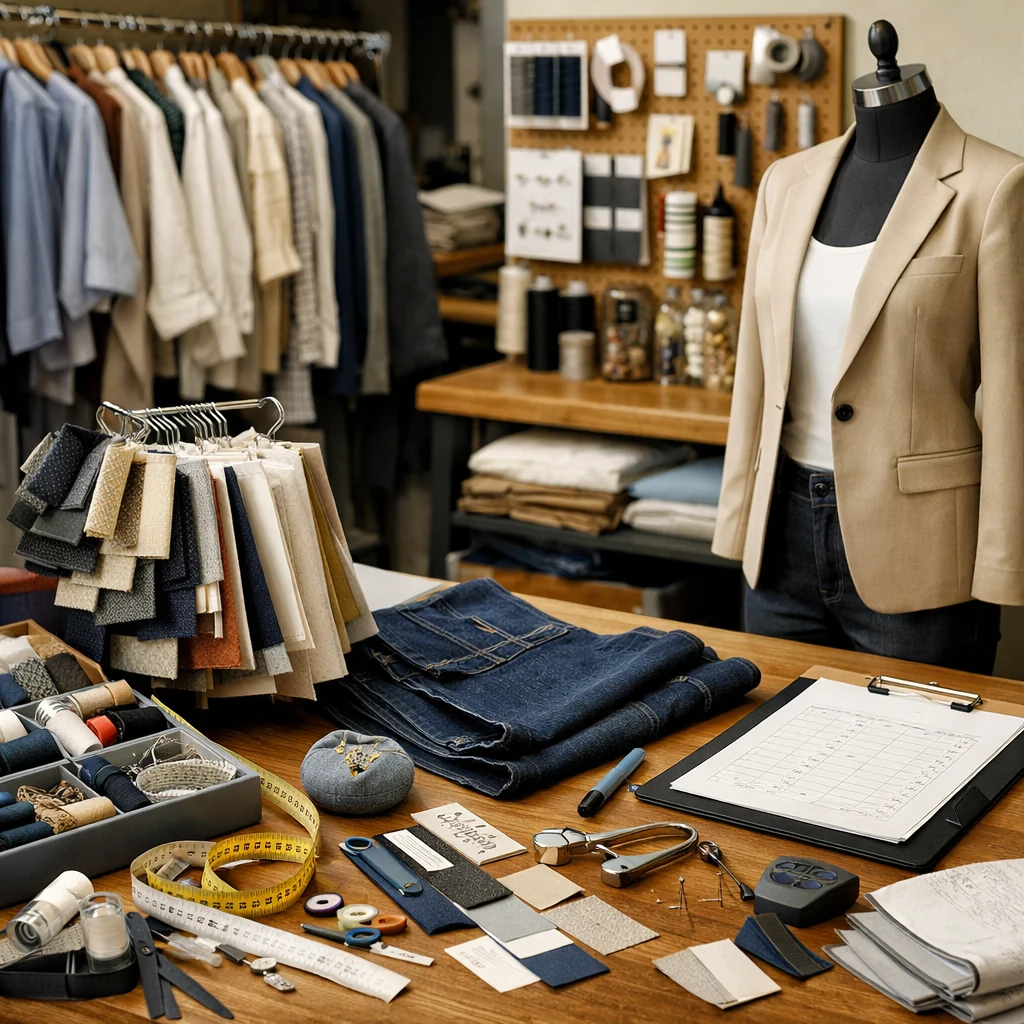
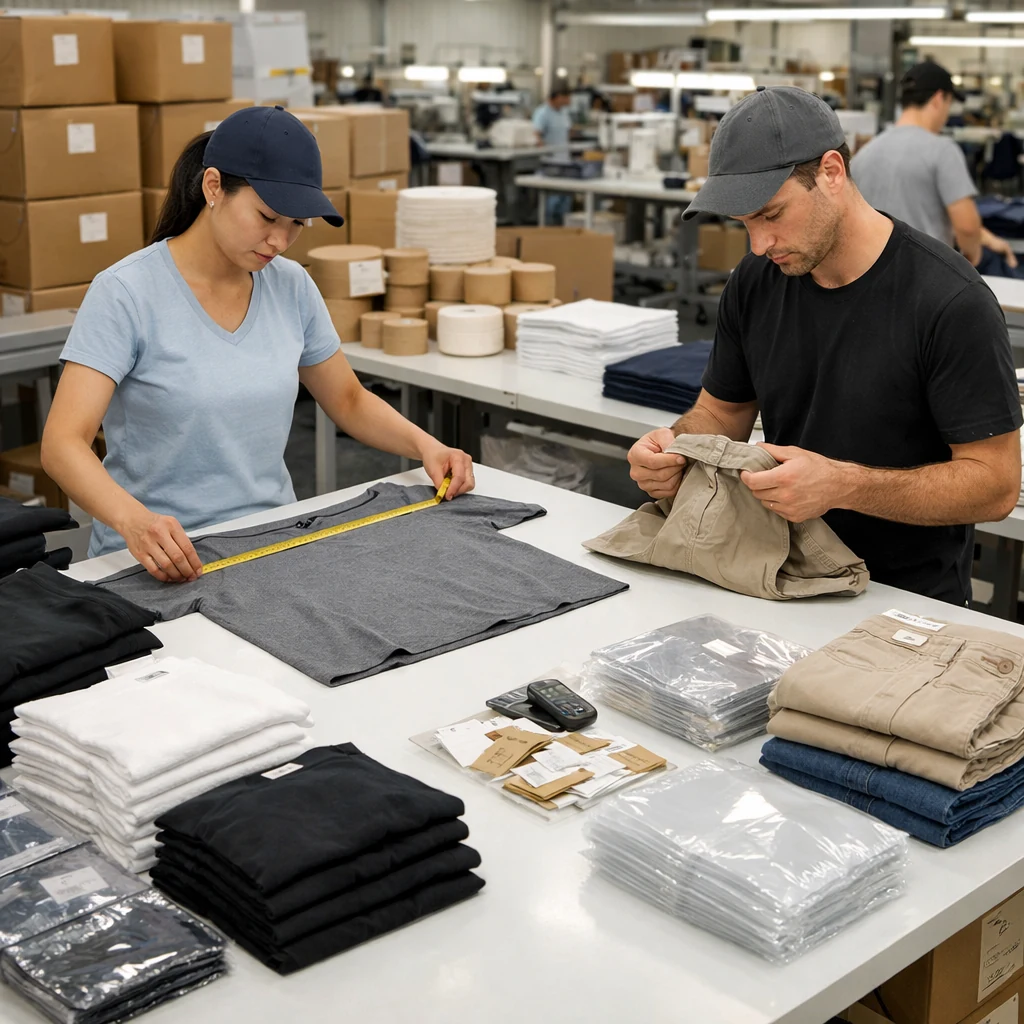
Factory-Side Visual References
These visuals keep the topic grounded in sampling rooms, production floors, quality checkpoints, and practical factory communication.
Who this is for
Who This Apparel Sampling Guide Helps Most
This hub is written for startup brands, growing apparel teams, and buyers who already know that sampling is not one shipment. It is a sequence of approvals that should reduce risk before bulk production starts.
- Founders building a first sample calendar before quoting multiple factories
- Streetwear or premium-basics teams trying to reduce revision loops
- Buyers comparing fit sample, salesman sample, size set, and PP sample responsibilities
- Sourcing teams that want sample comments to connect cleanly to MOQ, costing, and delivery timing
- Brands that need a cleaner handoff from development into bulk approval
Buyer logic
Why sampling deserves a pillar page
Most brands do not lose time because they sampled too carefully. They lose time because they used the wrong sample for the wrong decision, or because comments, trims, and approval ownership stayed vague for too long.
Sampling Stage Comparison for Apparel Buyers
Each sample stage exists to answer a different production question. When buyers collapse them together, timelines usually stretch and revision pressure goes up.
| Stage | Main purpose | What to approve | What usually delays it |
|---|---|---|---|
| Prototype / development sample | Check whether the style can be built the way the brief suggests | Construction direction, major silhouette issues, and obvious feasibility gaps | Starting before fit direction or fabric assumptions are stable |
| Fit sample | Refine how the garment sits on body and where measurements need adjustment | Shoulder balance, body length, sleeve line, and measurement comments | Changing styling direction and fit direction at the same time |
| Salesman sample | Show how the style will look for selling or line presentation | Visual presentation, color balance, and market-facing product impression | Using it as if it were a PP approval sample |
| Size set sample | Confirm grading logic across a size range before bulk | Grade consistency, key tolerance risk, and whether measurement comments scale correctly | Approving one fit sample without checking how other sizes behave |
| PP sample | Lock the bulk-ready standard before cutting production quantity | Fabric, trims, labels, decoration, workmanship, and packing assumptions | Leaving fabric, trim, or artwork questions open until the PP stage |
Sampling works best when every stage answers one specific question
A stable sampling process is really a filtering system. Early samples are there to remove design ambiguity. Mid-stage samples are there to improve fit and commercial appearance. Final samples are there to confirm that the agreed standard can survive bulk production. If one stage is asked to solve all three jobs at once, comments become noisy and lead times slide.
That is why buyers usually get better results when they compare sample vs prototype vs PP sample together with the timing logic from how long clothing sampling takes. The useful question is not how many samples sound ideal. It is which decision must be locked before the next step starts.
- Use development samples to confirm build direction, not to finalize everything at once.
- Use fit samples to resolve measurement issues before branding and PP pressure increases.
- Use size sets when grade risk could damage sellable size consistency.
- Use PP samples only after fabric, trims, and artwork are already controlled.
Most sampling delays come from comment quality, not only sewing time
Factories can only move as cleanly as the comment trail allows. When buyers send scattered fit notes, change fabric direction after fit comments, or keep branding questions open until PP review, the next sample round often becomes slower even if the actual sewing workload is not heavy.
This is why pages like how many sample rounds a new apparel style needs and how to approve a fit sample without endless revisions matter inside the same topic cluster. Better comments usually save more time than trying to compress the calendar unrealistically.
- Consolidate comments into one buyer-approved round whenever possible.
- Separate fit notes from artwork or trim changes so the factory can respond clearly.
- Keep one owner responsible for saying when the sample is truly approved.
Sampling cost only makes sense when connected to what the sample is supposed to prove
Brands often ask whether sampling is expensive without asking what that sample is meant to validate. A simple fit check, a wash-heavy streetwear style, a denim garment with trim complexity, and a private-label hoodie with branding layers do not create the same workload. Cost follows development complexity and the number of unresolved decisions.
Factory-side, the cleaner comparison is between the sample objective and the risk it removes. That is why sampling cost, salesman sample approval, and PP sample approval belong inside one decision framework instead of sitting as isolated blog posts.
The handoff from sampling to bulk should feel earned, not assumed
A strong sample is not the same as a bulk-ready product. The move into production should happen only after the team knows what has been approved, what is still flexible, and what can no longer change without affecting MOQ, cost, or lead time. This is where brands often benefit from reading when to move from sampling to bulk alongside the sampling and MOQ guide.
When approvals are disciplined, sampling does not just reduce mistakes. It also gives costing, production planning, and supplier communication a stronger backbone.
A Practical Apparel Sampling Workflow
The smoothest workflow usually comes from locking fit, trims, grade logic, and PP approval in that order instead of treating them as one mixed conversation.
Define the product brief, fit goal, reference images, and what the first sample must prove.
Use the first development or fit sample to remove major silhouette and construction issues.
Consolidate comments, then approve salesman or presentation samples only if the market-facing look needs review.
Run size-set or grading checks before bulk if the size range carries measurable risk.
Approve PP samples only after fabric, trims, artwork, labels, and packing assumptions are already commercially stable.
Featured Guides in This Topic Cluster
Use these supporting articles to move from broad topic understanding into narrower decisions about sampling, pricing, materials, and production execution.
Featured guide
Sample vs Prototype vs PP Sample: What’s the Difference
Use this when you need clearer language for what each sample stage is supposed to confirm.
Featured guide
How Many Sample Rounds Does a New Apparel Style Need
Helpful when the team is trying to budget time and comment rounds more realistically.
Featured guide
How to Approve a Fit Sample Without Endless Revisions
Strong follow-up when fit comments keep getting reopened.
Featured guide
How Much Does Clothing Sampling Cost
Connects sample cost to fabric, trim, revision, and development scope.
Featured guide
Size Set Samples Explained for Apparel Brands
Important when the brand cannot afford grading mistakes across the full size range.
Featured guide
What to Check Before You Approve a Salesman Sample
Useful when presentation samples are drifting away from production logic.
Featured guide
When Should a Brand Move from Sampling to Bulk
Use this to judge whether the product is ready for production commitment.
Featured guide
How to Prepare a Tech Pack for Apparel Manufacturing
Pairs well with this hub when the sample brief still feels incomplete.
Next Step if You Are Moving Toward Production
These service pages are the fastest route from research into a real sampling, MOQ, or factory conversation.
Next step
Sampling and MOQ
The best next step if you still need to compare sample logic with order thresholds.
Next step
7-Day Sample Clothing Manufacturer
Useful when the style fits a faster sample route and the brief is already well controlled.
Next step
Request a Quote
Use this when your product brief is ready enough for a factory-side review.
Frequently asked
Questions Buyers Usually Ask Before They Inquire
These questions are written for apparel buyers trying to connect search research with the next practical sourcing decision.
Do all apparel styles need every sample stage?
No. The right sample path depends on product complexity, fit sensitivity, grading risk, and how much branding or finishing still needs approval.
What usually matters most before approving a PP sample?
Factories usually want fit, fabric, trims, artwork, labels, and workmanship expectations already locked before the PP stage becomes meaningful.
Commercial Manufacturer Hubs
Compare manufacturing options by product type, order size, and branding needs. Review the relevant sampling and production requirements before sending your brief.
Start your inquiry
Need Help Structuring Sampling Before Bulk Production?
Send the style reference, target quantity, timeline, and what you still need the next sample to prove. We can review the cleanest path from sample planning into production.
Best for teams trying to reduce revisions, timing drift, and mixed approval ownership.
Especially useful when fit, trims, labels, or grading decisions are still overlapping.
A clearer sample brief usually improves both costing and production predictability.
Request a Quote
Share your product type, target quantity, sample needs, and references. We review the best production path, then reply with the next practical step.
Most categories start from 50 pcs per style. Denim starts from 100 pcs per style. You can also email info@stitchquote.com or message WhatsApp +86 15920568771.