Custom Streetwear, Casualwear & Denim Manufacturer•MOQ 50 pcs•Denim MOQ 100 pcs•7-Day Sample Available
Pocket Bag Twisting in Woven Pants: How Buyers Check Shape Before Low MOQ Production
Pocket bag twisting can make woven pants feel cheap, pull at the side seam, and create customer complaints, so buyers should check pocket shape before bulk.

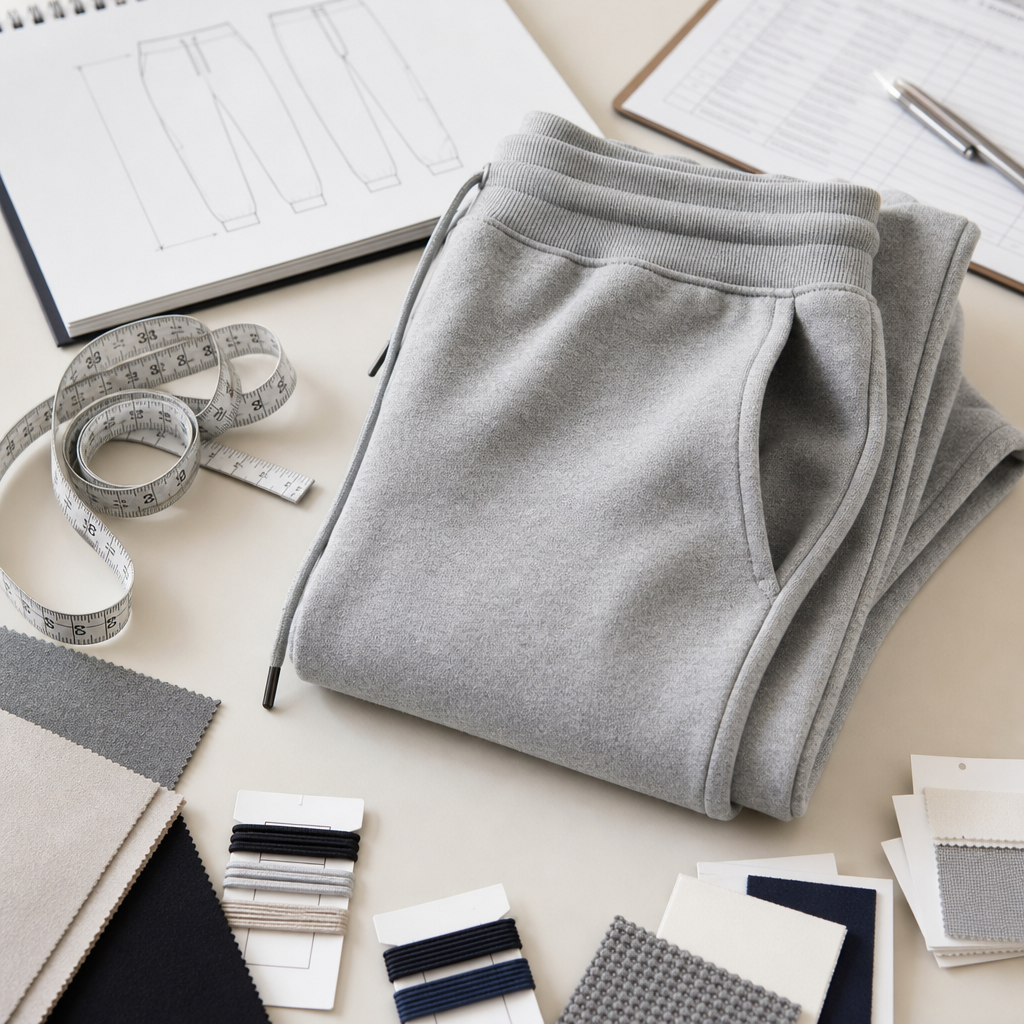
Pocket bag twisting in woven pants is easy to miss in flat sample photos, but it can make the garment feel uncomfortable, pull the side seam forward, distort the pocket opening, or create a visible bump after packing. Buyers should check pocket shape before low MOQ production instead of treating pockets as a minor detail after fit is approved.
For a casual wear manufacturer, pocket construction sits between pattern, cutting, sewing, pressing, and final inspection. A clean pocket is not only about stitch appearance; it depends on how the pocket bag is shaped, attached, balanced, and handled during production.
Check the Pocket While the Garment Is Worn
A pocket that looks flat on a table may twist when the wearer stands, sits, walks, or places a hand inside. Buyers should inspect the sample on body or on a suitable form, then check whether the pocket opening stays smooth, whether the pocket bag points in the correct direction, and whether the side seam is being pulled by pocket tension.
This is different from the sweatpant fit concerns covered in the sweatpants pocket and rise guide. Woven pants often have less fabric recovery, so pocket shape and seam balance need a closer check before the buyer signs off for bulk.
Separate Pattern Shape From Sewing Distortion
Pocket twisting can come from a pocket bag pattern that is too shallow, too narrow, or poorly angled for the garment. It can also come from uneven seam allowance, stretched pocket openings, mismatched notches, skipped clipping, or sewing tension that pulls one layer against another. The correction path depends on which cause is visible in the sample.
The cut and sew seam construction checklist is useful when the pocket issue appears with seam puckering, pulling, or weak joining at stress points. Buyers should avoid approving a pocket correction until the factory has identified whether pattern or sewing is driving the defect.
Review Fabric Behavior and Cutting Direction
Fabric behavior matters. A soft twill, rigid canvas, light poplin, brushed fabric, or stretch woven can each make pocket bags sit differently. If pocket pieces are cut off grain, stretched during sewing, or pressed unevenly, the pocket bag may twist even when the paper pattern looks correct.
Use the fabric relaxation and cutting direction guide when the pocket distortion appears across multiple garments or one fabric lot. The buyer should ask whether fabric relaxation, grain direction, and layer handling were controlled before cutting pocket pieces.
Test Hand Entry and Item Weight
A pocket should be checked with realistic hand entry, not only visual inspection. The opening should allow normal use without pulling the side seam, collapsing the pocket mouth, exposing pocket lining, or twisting the bag toward the front or back. If the style is likely to hold a phone, keys, or wallet, the buyer can request a simple handling check without claiming a universal load test.
For a low MOQ clothing manufacturer, the standard should be practical: inspect the approved sample, name the high-risk pocket points, and decide what level of twisting blocks bulk approval or shipment release.
Inspect After Pressing and Folding
Final finishing can change the pocket. Pressing may flatten the pocket edge, create seam imprints, or push the pocket bag into a twisted position. Folding can hide the problem until the customer opens the garment. The factory should recheck pocket opening, pocket bag direction, side seam pull, and visible bulk after pressing and before packing.
Those findings should be written into the sample record with clear photos and comments. The apparel sample comments guide explains how to turn broad remarks into production-ready notes the sewing and finishing teams can actually repeat.
Approve a Specific Correction Before Bulk
A useful correction might be changing pocket bag depth, adjusting pocket angle, moving a notch, stabilizing the opening, changing seam allowance handling, reducing sewing tension, or changing the pressing method. Buyers should ask for one corrected sample or photo evidence before bulk if the issue affects comfort, appearance, or repeatability.
When sending a woven pant, short, or casual bottom through the StitchQuote inquiry page, include pocket construction photos, fabric details, sample comments, and any customer-use expectations. Clear pocket approval notes reduce the risk of approving a garment that looks acceptable flat but twists in use.
If you are developing utility bottoms, our cargo pants tech pack guide explains how to specify pocket bags, bellows pockets, and flap placement before the first sample.
Questions Buyers Ask About Pocket Bag Twisting
Is pocket bag twisting a fit issue or a sewing issue?
It can be either. The cause may be pattern shape, fabric behavior, sewing tension, cutting direction, pressing, or a combination of several factors. The sample should be checked on body and inside out before deciding the correction.
Should buyers check pockets on every size?
At minimum, check the approved sample size and any size where pocket position, rise, hip shape, or side seam balance changes noticeably. Grading can make a pocket problem worse in larger or smaller sizes.
Can pocket twisting be fixed after bulk sewing?
Minor pressing or handling issues may be corrected, but pattern shape, pocket angle, and sewn-in tension are harder to fix after bulk production. Repeated twisting should be corrected before bulk approval.
What pocket issues should block approval?
Visible pocket mouth distortion, side seam pulling, twisted pocket bags, exposed lining, uncomfortable hand entry, repeated seam puckering, and pocket bulk that remains after pressing should be reviewed before approval.
Request a manufacturing quote
Share your product type, quantity range, and destination. We usually reply within one business day.