Custom Streetwear, Casualwear & Denim Manufacturer•MOQ 50 pcs•Denim MOQ 100 pcs•7-Day Sample Available

Factory Production Status Reports: What Clothing Brands Should Ask to See
A garment production status report helps clothing buyers track real factory progress by stage, quantity, blocker, owner, recovery date, and QC evidence.

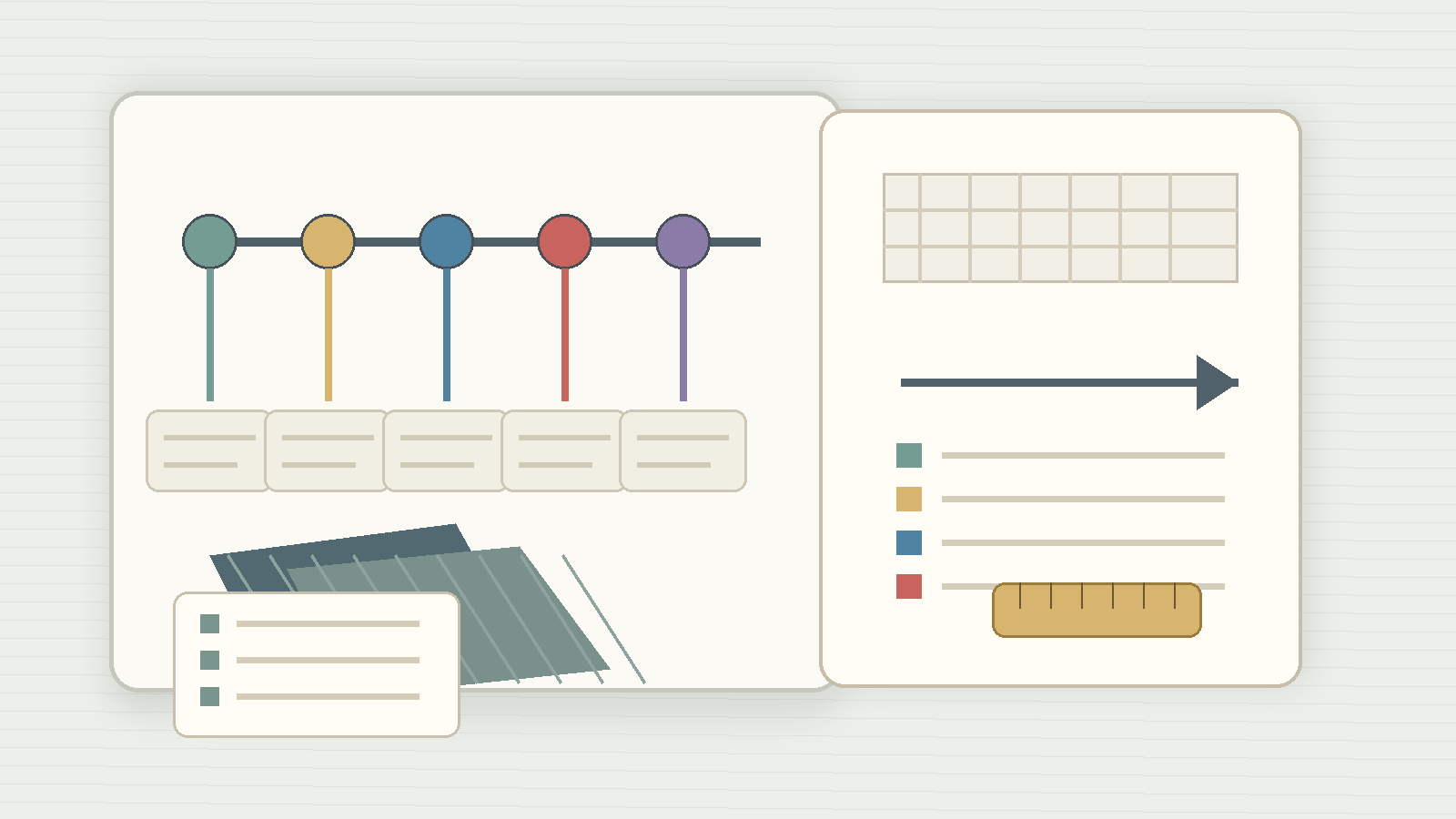
A garment production status report gives buyers a practical way to check whether bulk work is moving through real factory stages, not just whether a supplier says the order is on schedule. Good status reporting shows what has been released, what has been cut, what is sewing, what is waiting, what is packed, what is blocked, and which evidence supports the update.
For a custom clothing manufacturer, the useful report is not an internal ERP download for the buyer to manage. It is a structured production communication tool that helps both sides focus on the next risk before it becomes a shipment problem.
Ask for Stage-Based Status, Not One Schedule Answer
A single status line such as on schedule is too vague for apparel production. Buyers should ask for stage-based progress: material arrival, material release, cutting issued, cutting completed, sewing input, sewing output, inline quality check, finishing, pressing, packing, final inspection readiness, and shipment handoff. Not every order needs every stage in the same detail, but the stages should match the product risk.
The production scheduling questions guide explains why better questions produce better factory answers. Asking what stage is complete is more useful than asking whether everything is still fine.
Track Planned Versus Actual Quantities
Status should separate planned quantity from actual quantity by style, color, and size where possible. Cutting completed quantity is not the same as sewing output. Sewing output is not the same as finished and packed quantity. Packed quantity is not the same as inspected and released quantity. A buyer who reads these stages separately can see where work is accumulating.
Useful quantity fields include planned units, material released units, cut units, sewing input, sewing output, finishing input, packed units, rejected or rework units, and balance remaining. For low MOQ orders, this prevents a small delay from being hidden inside a broad completed percentage.
Separate WIP from Finished Goods
Work in progress can look like progress while still carrying risk. Cut panels, partially sewn bodies, loose trims, unfinished labels, unpressed garments, or unpacked pieces may all exist on the floor without being ready for inspection. A production status report should show WIP honestly so the buyer does not mistake movement for shipment readiness.
The production handoff timeline guide helps buyers understand why stage completion depends on earlier approved files, materials, trims, labels, and packing decisions. Weak handoff information often becomes unclear WIP later.
Record Blockers, Owners, and Recovery Dates
A useful status report names blockers clearly. Common blockers include late fabric, trim shortage, shade approval delay, print artwork issue, replacement label wait, machine setup constraint, buyer change, inline quality finding, packing material delay, or freight booking uncertainty. The report should state who owns the next action and what recovery date is realistic.
Buyers should not expect factories to expose confidential internal workload details, but they can ask for enough information to make decisions. If a trim is late, the buyer may approve an alternate. If an inline check found a defect, the buyer may need photos before agreeing to rework or continued production.
Pair Progress with QC Evidence
Production status is stronger when progress and quality evidence travel together. For example, a sewing output number should be supported by inline inspection notes when the operation is risk-sensitive. A packed quantity should be supported by packing photos or carton check evidence when the order has channel-specific requirements.
The inline inspection versus final inspection guide explains why checking during production catches different issues than checking at the end. The pre-shipment inspection guide shows how final review fits before release.
Set an Update Cadence That Matches Risk
Not every order needs daily reporting. The cadence should match order risk, production duration, buyer deadline, material complexity, and whether the style is new or repeat. A first bulk order with new fabric, new artwork, or strict launch timing may need more frequent updates than a repeat order with stable materials and no schedule pressure.
For a low MOQ clothing manufacturer, frequent reporting can become noise if it does not focus on stage progress, blockers, and approval needs. Buyers should agree on the update rhythm before production starts, then keep the report concise.
Use Reports to Make Decisions, Not Just Collect Files
The purpose of a production status report is decision control. If cutting is delayed because fabric release is late, the buyer needs to know whether delivery is still realistic. If sewing output is slower than planned, the buyer needs to know the recovery plan. If inline inspection finds repeated defects, the buyer needs to know whether work should pause, continue, or be corrected before more units are affected.
When sending a project through the StitchQuote inquiry page, include your delivery target, launch constraints, inspection expectations, packing needs, and any update cadence required by your team. Clear reporting expectations are easier to support when they are part of the production discussion before bulk release.
Questions Buyers Ask About Garment Production Status Reports
What should a garment production status report include?
It should include stage, planned quantity, actual quantity, WIP, balance remaining, blocker, owner, recovery date, next approval need, and practical QC evidence such as inline notes, photos, packing checks, or final inspection readiness.
How often should buyers ask for production updates?
The cadence should match risk. New styles, tight delivery windows, complex trims, new decoration, or previous quality issues may need more frequent updates. Stable repeat orders may only need milestone-based reporting.
Is a percentage complete enough?
No. A percentage can hide where the order is blocked. Stage-based quantities are clearer because cutting, sewing, finishing, packing, and inspection all mean different things.
Should buyers ask for factory ERP screenshots?
Usually no. Buyers should ask for a clear report and supporting evidence, not confidential internal systems. The goal is enough visibility to manage approvals, blockers, QC risk, and shipment timing.
Request a manufacturing quote
Share your product type, quantity range, and destination. We usually reply within one business day.