Custom Streetwear, Casualwear & Denim Manufacturer•MOQ 50 pcs•Denim MOQ 100 pcs•7-Day Sample Available

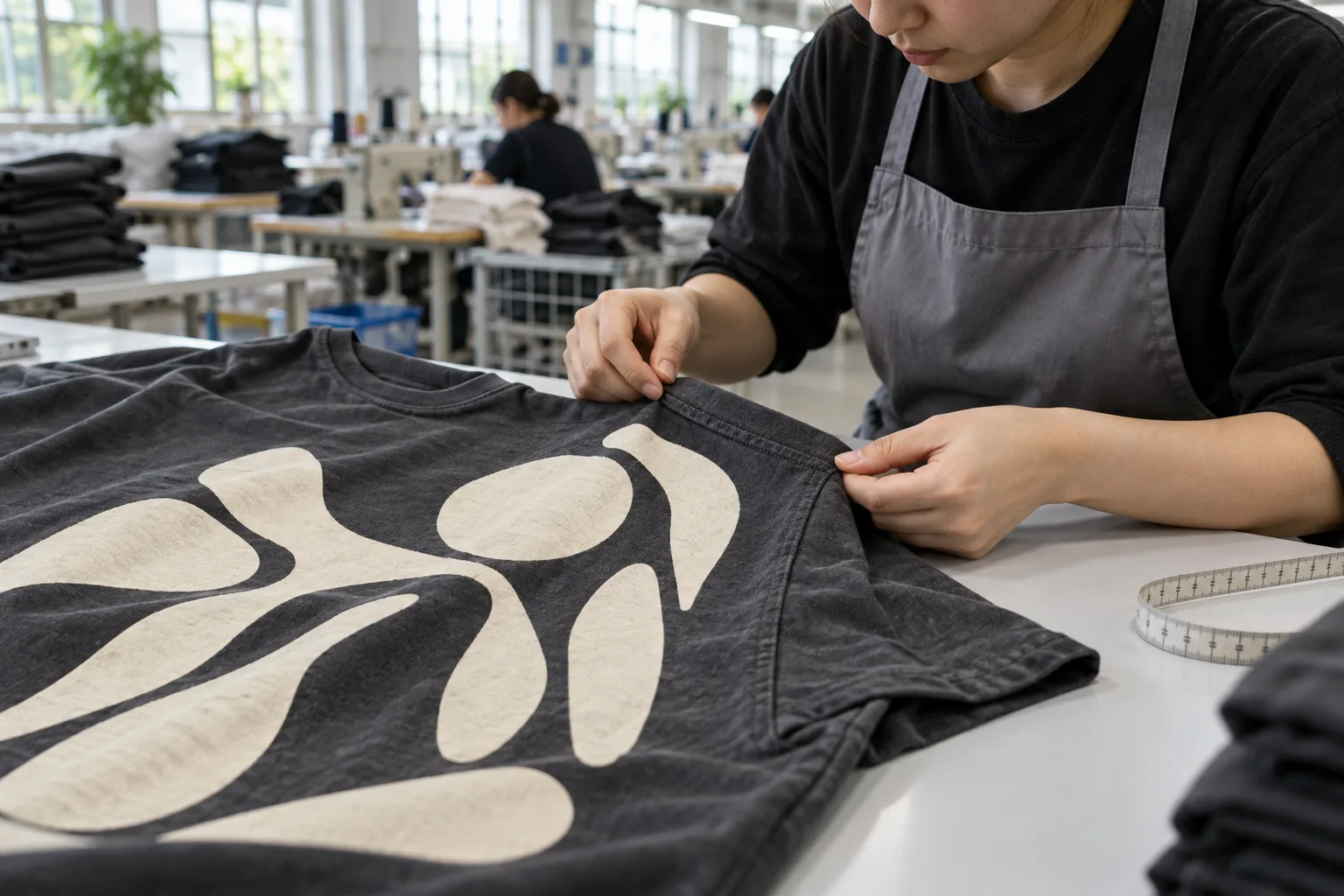
What to Expect From a 7-Day Clothing Sample (Streetwear Brands)
What a 7-day clothing sample covers for streetwear brands: timeline, tech pack readiness, proto review tips, and when fast sampling is realistic.

By StitchQuote Production Team
A 7-day clothing sample can help you turn a streetwear concept into something you can measure, try on, and improve. For a founder developing a hoodie, tee, or pair of pants, that first physical piece can reveal details that a sketch cannot: how the silhouette sits, whether the fabric supports the shape, and where construction needs adjustment.
But choosing a 7 day sample clothing manufacturer starts with checking what qualifies. Standard styles can be eligible for a 7-day sample turnaround when files and materials are ready. Complex washes, new fabrics, and custom hardware may take longer. Before planning around the date, confirm your style’s eligibility, the sample’s purpose, and what starts the clock.
What a 7-day sample usually covers (and what it does not)
A sample should answer a specific development question. “Sample” can describe several stages, so make sure you and the manufacturer mean the same thing:
- Proto sample: An initial physical version used to evaluate the design, proportions, and construction approach. It may still need revisions.
- Fit sample: A piece reviewed primarily for measurements, balance, and how it fits the intended wearer.
- Pre-production (PP) sample: A piece reviewed against the agreed production specifications before bulk work proceeds. Confirm which materials, trims, and finishes it represents.
One sample may serve more than one purpose, but a first proto should not automatically count as production approval. If substitute fabric or trims are proposed, document them and identify which decisions must wait for the intended materials.
Standard styles with complete specifications and ready materials are candidates for eligibility review. A familiar silhouette alone does not establish eligibility: a basic-looking hoodie with a developed wash or custom zipper may require additional work. The scope should identify what the sample includes and what remains unresolved.
Clothing sample timeline — day-by-day expectations for standard styles
Your clothing sample timeline should connect each operation to a confirmed starting point. The sequence below is an illustrative planning framework for an eligible standard style with complete files and ready materials. It is not StitchQuote’s promised daily schedule; ask the manufacturer to confirm the actual allocation.
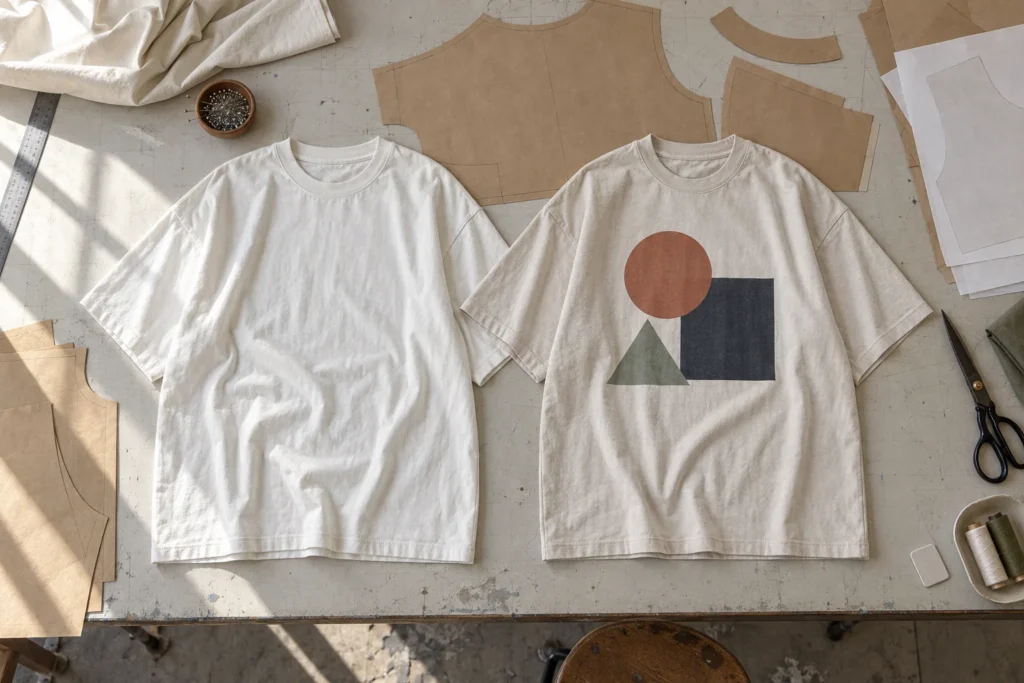
- Day 1 — Specification check and pattern preparation: Confirm the sample size, measurements, construction notes, and materials before interpreting the design into a pattern.
- Day 2 — Pattern checks and cutting: Review proportions and cutting details. Any unresolved dimension or placement question needs an answer before it becomes a physical mistake.
- Days 3–4 — Sewing and assembly: Assemble the garment and execute the agreed construction details. The sequence may vary with the style and required operations.
- Day 5 — Finishing and measurement review: Check the assembled piece against the specification and assess whether details match the intended result.
- Day 6 — Quality review: Inspect workmanship and document discrepancies. Corrections, if needed, may affect the completion date.
- Day 7 — Final documentation and shipment preparation: Confirm sample identification, supporting photos or measurements, and dispatch arrangements.
Stages may overlap or move within the schedule. Treat these as checkpoints to discuss, not guaranteed daily milestones. Also separate sample completion from delivery: ask whether the quoted endpoint is a finished garment, shipment readiness, or dispatch, and confirm shipping separately.
What you must send to start fast sampling streetwear
For fast sampling streetwear projects, clear decisions reduce avoidable back-and-forth. Send one current specification package instead of scattering instructions across messages. Label the version and identify the person authorized to answer development questions.
- Tech pack: Include front and back drawings, construction details, measurement points, a measurement chart, and decoration placements.
- Sample size and fit direction: Specify the size to make and explain the intended silhouette, such as a cropped body or relaxed shoulder.
- Fabric status: State whether the fabric is selected and available, supplied by you, or still needs sourcing or development. Include composition and weight if known.
- Trims and artwork: Identify labels, closures, hardware, and decoration requirements. Flag anything that still needs confirmation.
- References: Provide clear images or a reference garment, with notes explaining exactly which features matter.
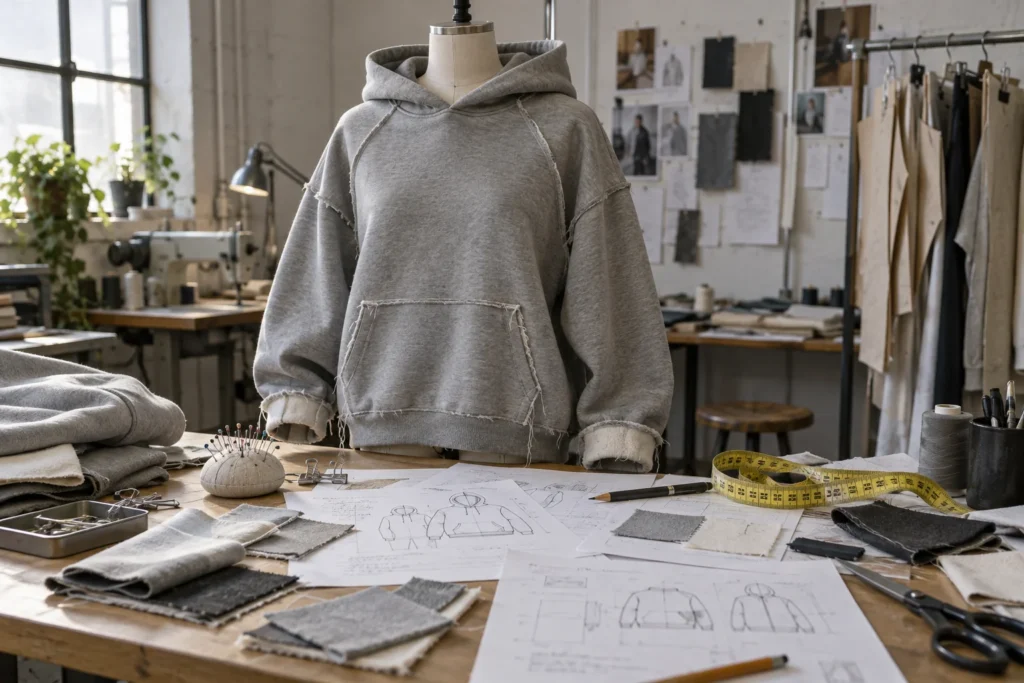
Use the streetwear tech pack guide to organize the handoff. References should support the specifications, not leave the manufacturer guessing which proportions or finishes to reproduce.
If a detail is undecided, mark it as open. Before accepting a start date, ask whether that decision prevents eligibility for the 7-day sample turnaround.
How to review a proto sample streetwear piece in one pass
When reviewing a proto sample streetwear piece, gather feedback in one organized session. Wear it on the intended fit model where possible, compare it with the tech pack, and photograph the front, back, side, and relevant details.
- Measure first: Record actual measurements beside the specified values. Use the same measurement method so you can distinguish a garment discrepancy from a measuring difference.
- Assess fit: Check shoulder position, body length, sleeve shape, rise, and ease as applicable. Include movement and the intended layering.
- Inspect construction: Review seams, hems, pockets, closures, and decoration placement. Photograph each issue close up and in context.
- Evaluate fabric handfeel: Assess drape, stiffness, surface feel, and whether the fabric supports the silhouette. Identify any substitute material before approving it.
Return one consolidated revision list. Replace “make it boxier” with a specific measurement change or annotated reference. Separate required corrections from optional design changes, and state what is approved.
Before moving toward bulk production, use the pre-production sample approval guide to help document the agreed version and outstanding checks.
When 7 days is not realistic
A short turnaround becomes uncertain when the garment depends on unresolved development. These cases need an individual assessment:
- Complex washes: The desired appearance and its effect on the garment may need evaluation before approval.
- New fabric development: An unavailable or unconfirmed material means readiness has not yet been established.
- Custom hardware: A proprietary closure or branded metal component may introduce additional dependencies.
- Incomplete tech packs: Missing dimensions, contradictory references, or unclear construction instructions can prevent a reliable start.
Do not remove an essential design feature just to fit a headline timeline. Instead, ask what is blocking eligibility and whether a preliminary sample would answer a useful question. If it uses substitutes, document its limits; it may not validate the final fabric, wash, or hardware.
When comparing suppliers, the guide to finding a cut-and-sew streetwear manufacturer can help structure your evaluation.
Sampling, MOQ, and next steps after approval
Sampling establishes the garment specification; minimum order quantity establishes the bulk-order threshold. StitchQuote’s general MOQ is 50 pieces per style, with 100 pieces for denim. Confirm how your planned order fits those requirements before making production commitments.
After you approve a sample, map the next bulk path by category (or start a branded run via the private label clothing manufacturer page): men’s streetwear manufacturing, French terry hoodies, boxy hoodies, or the broader low MOQ clothing manufacturer route. Keep the same measurement and fabric notes you locked in sampling.
Review sampling and MOQ information alongside the 7-day sample manufacturing overview. For written scope and expectations, consult the sample order terms guide for startup brands.
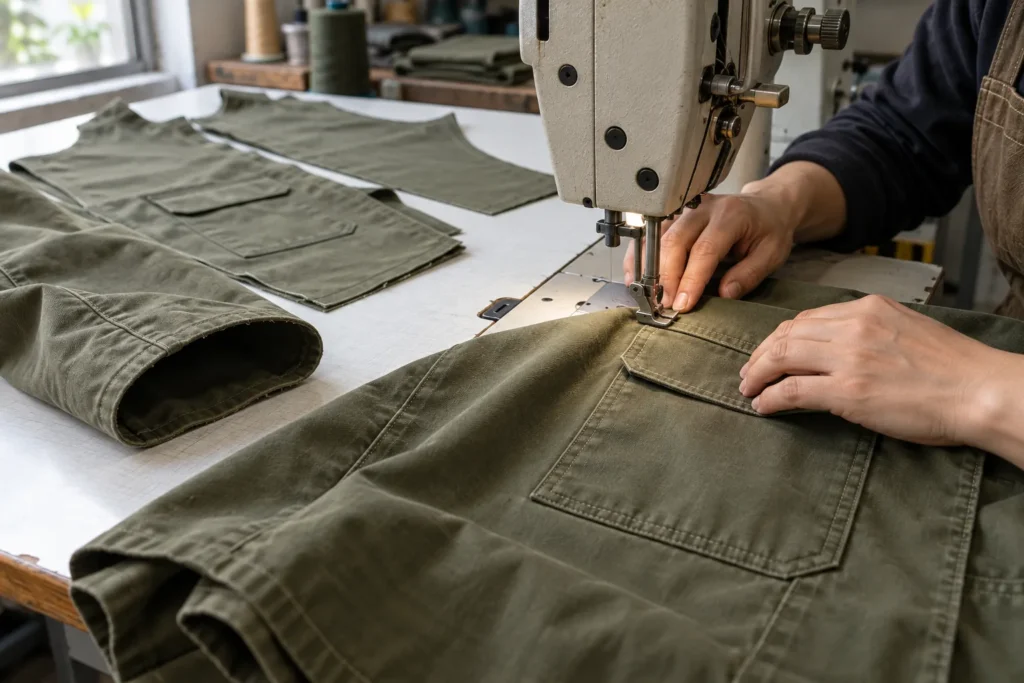
After review, update the tech pack and record the approved measurements, materials, construction, and finishes. Confirm whether another sample or a PP approval is needed. A successful first sample is a development milestone; bulk production should follow a clearly agreed specification.
FAQ
Can every style get a 7-day sample?
No. Standard styles can be eligible when files and materials are ready, but eligibility must be confirmed. Complex washes, new fabrics, and custom hardware may take longer. Share the complete design requirements before relying on a sample completion date.
Does the 7-day clock include shipping?
Do not assume it does. Confirm exactly what the quoted turnaround covers and what event starts it. Ask for sample completion, dispatch, and delivery expectations separately so your review plans match the agreed scope.
What if I only have a sketch?
A sketch can start the conversation, but it may not provide enough information to begin sampling. You may need measurements, construction notes, material decisions, and artwork details. Ask which missing items must be resolved before your style can be assessed for eligibility.
How does MOQ relate to sampling?
MOQ concerns the bulk order, rather than whether a style qualifies for fast sampling. StitchQuote’s general MOQ is 50 pieces per style and 100 for denim. Confirm sample arrangements separately and check that the planned bulk quantity fits your launch.
Hoodie programs that need fabric-route and fit routing before a fast sample can start at the hoodie manufacturer hub. StitchQuote is a custom streetwear menswear manufacturer providing China OEM manufacturing for US and EU men’s streetwear brand founders. If you want to check whether your style qualifies, contact StitchQuote with your tech pack, material status, and sample goals to discuss eligibility and next steps.
Request a manufacturing quote
Share your product type, quantity range, and destination. We usually reply within one business day.