Custom Streetwear, Casualwear & Denim Manufacturer•MOQ 50 pcs•Denim MOQ 100 pcs•7-Day Sample Available

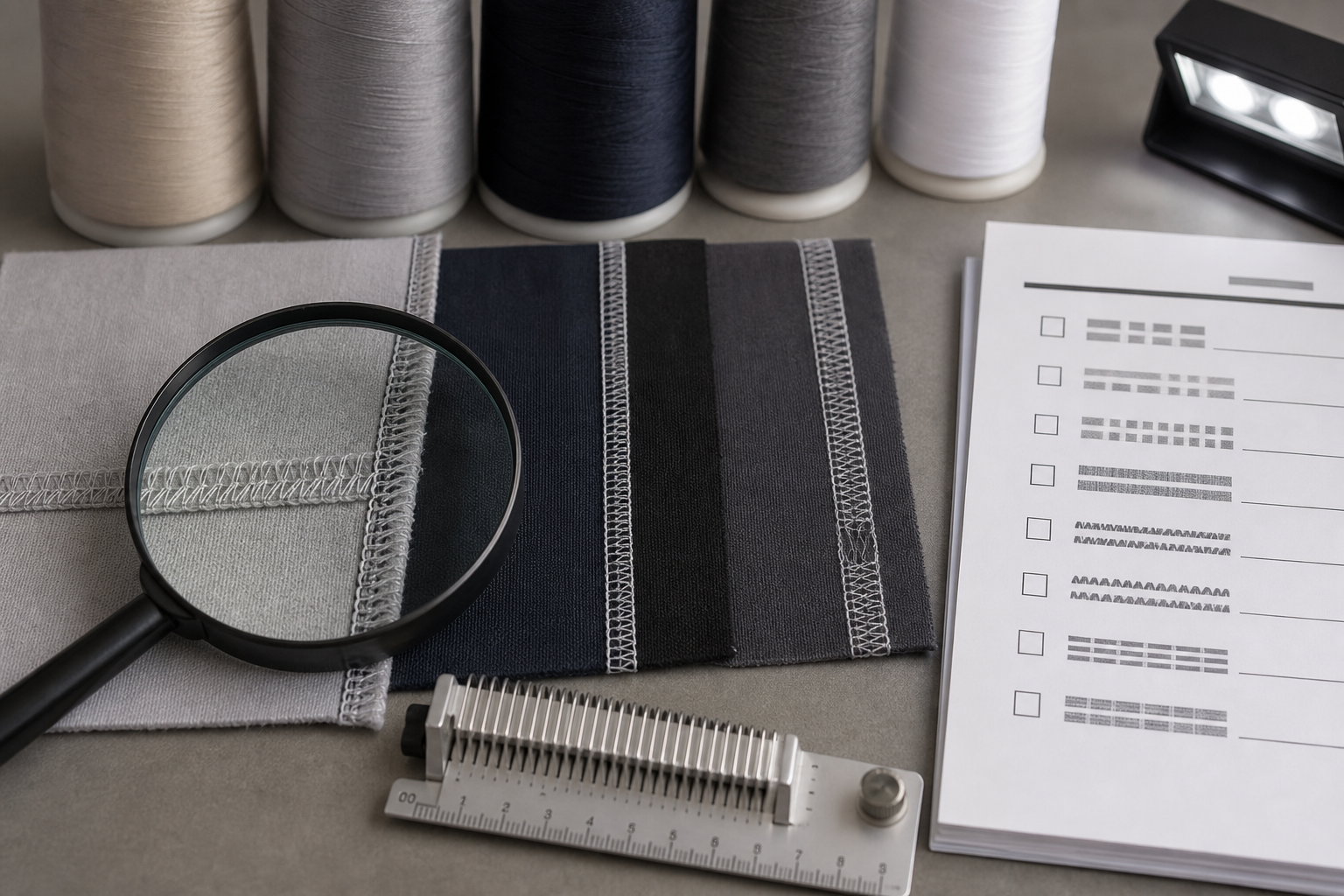
Loose Thread Trimming Standards for Low MOQ Apparel: What Buyers Should Approve Before Packing
Loose thread trimming standards help apparel buyers separate cosmetic finishing issues from sewing defects before low MOQ garments are packed and released.

Loose thread trimming standards should be approved before low MOQ apparel reaches the packing table, because thread ends can hide real sewing defects or make otherwise acceptable garments look unfinished. Buyers need a clear finishing rule that tells the factory which threads can be clipped, which stitches require repair, and which issues should stop release.
For a private label clothing manufacturer, this is not only a cosmetic checkpoint. Thread trimming affects brand perception, return risk, and the speed of final inspection when several sizes, colors, and trims are packed in one small run.
Separate Loose Threads From Construction Defects
A loose thread is not the same as an open seam, skipped stitch, broken needle mark, unraveling bartack, or weak seam end. The first step is to classify what the inspector is seeing. A thread tail at a seam start may need trimming only, while a broken lockstitch at a stress point may need sewing repair and reinspection.
Use the stitch density and thread tension guide when the thread issue appears with puckering, needle cuts, skipped stitches, or uneven tension. Trimming loose ends will not solve a construction problem created earlier on the sewing line.
Define the Visible and Hidden Check Areas
Buyers should ask the factory to check both outside and inside areas before packing. High-risk points include side seams, sleeve openings, neck seams, waistbands, cuffs, hems, pocket bags, buttonholes, zipper ends, drawcord channels, label attachment, bartacks, embroidery edges, and print-adjacent seam areas.
Low MOQ orders often combine several styles or colorways, so the standard should be simple enough for the finishing team to repeat. For example, define whether inside thread tails are acceptable only below a short agreed length, whether contrast thread has stricter visibility rules, and whether any dangling thread on the outside face must be repaired or removed before folding.
Set Safe Trimming Rules
Thread trimming should not damage the garment. The team should clip close enough to clean the appearance without cutting into fabric, opening seam ends, weakening bartacks, or leaving sharp melted ends on synthetic thread. Heat sealing may be useful in some cases, but it can also leave hard points or shine if used carelessly, so it should be approved on the sample before bulk use.
The seam construction approval checklist helps buyers decide where thread security matters more than perfect visual neatness. Stress points such as pocket corners, crotch seams, waistband joins, plackets, and drawcord openings should be inspected for strength, not only clipped for appearance.
Inspect After Handling, Pressing, and Folding
Loose threads often become visible after the garment is turned, pressed, buttoned, zipped, folded, or placed in a polybag. A finishing check done too early can miss thread tails that surface during final handling. The packing team should recheck visible edges and stress points after the garment is in its final folded state.
This step connects directly with pre-shipment inspection for low MOQ apparel. The final inspection should confirm that trimming, repairs, labels, measurements, packing, and carton release are all being judged against the same approved reference.
Use Photos and Counts for Rework Decisions
When loose thread findings repeat, buyers should ask for defect photos, affected quantity, location, size/color, and the planned correction method. One thread tail on a hidden inside seam may be a minor finishing repair. Repeated unraveling at the same bartack or seam end is a process issue and should trigger sorting, sewing repair, and a second check.
For a low MOQ clothing manufacturer, the goal is to keep the decision practical. Buyers do not need a long defect code system for every small order, but they do need a clear release rule: trim, repair, recheck, or hold for approval.
Add the Standard to the Production Handoff
The most useful thread trimming standard is short, visible, and attached to the production handoff. Include photos from the approved sample, notes for contrast thread, special trims, decoration edges, inside finishing, and any locations that should receive closer inspection before packing.
When sending a new order through the StitchQuote inquiry page, include the garment type, fabric, decoration method, approved sample photos, and any thread trimming tolerance your brand expects. That gives production and QC teams a shared finishing target before the final packing rush.
Questions Buyers Ask About Loose Thread QC
Are loose threads always a quality failure?
Not always. Some loose ends are minor finishing items, but thread tails near stress points, open seams, broken stitches, or unraveling bartacks should be treated as sewing defects that need repair and reinspection.
Should inside thread tails be inspected?
Yes. Inside thread tails may not show in product photos, but they can affect customer perception when the buyer opens the garment. Inside checks are especially useful around labels, pocket bags, waistbands, cuffs, and seams that rub against the body.
Can the factory fix loose threads after final inspection?
Yes, if the issue is only trimming. If the thread problem indicates weak sewing, the garment should be repaired by sewing staff and inspected again before packing or release.
What should buyers include in a loose thread standard?
Include approved sample photos, maximum visible thread length, high-risk inspection points, rules for contrast thread, repair limits, and the release decision for repeated defects.
Request a manufacturing quote
Share your product type, quantity range, and destination. We usually reply within one business day.