Custom Streetwear, Casualwear & Denim Manufacturer•MOQ 50 pcs•Denim MOQ 100 pcs•7-Day Sample Available

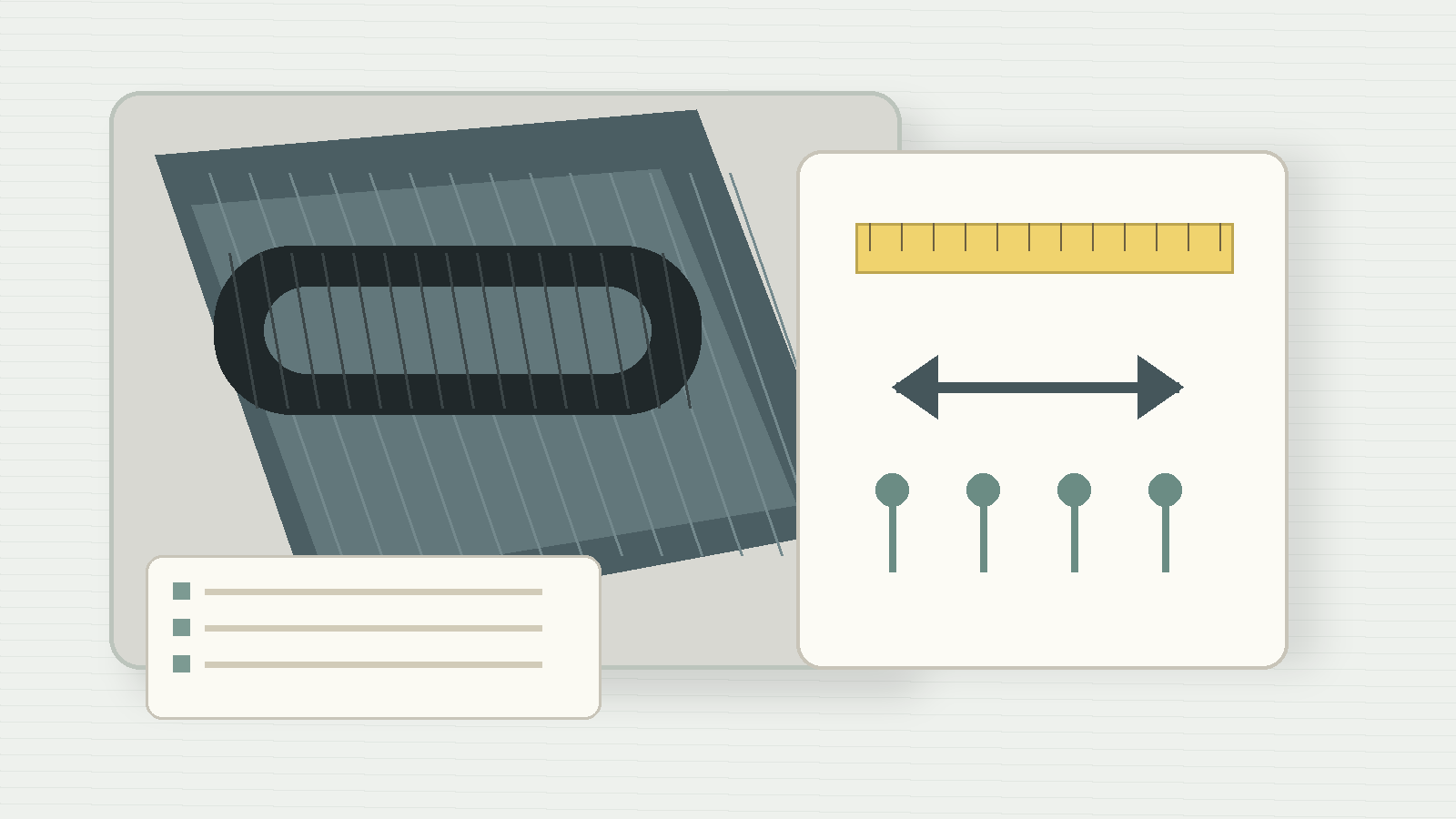
How to Approve Elastic Recovery Before Low MOQ Activewear and Waistband Production
Use an elastic recovery test for apparel waistbands, rib, and activewear panels before low MOQ production to reduce bagging, tight fit, and size drift.

An elastic recovery test should be approved before low MOQ activewear and waistband production because stretch parts can look acceptable on a hanger but fail during wear, washing, packing, or repeat fitting. A waistband that bags out, rolls, grips too tightly, or returns unevenly can make an otherwise clean garment feel low quality.
The low MOQ clothing manufacturer page explains why material, fit, sample, and QC decisions need to be aligned before a small production run starts. Elastic recovery is one of the approval points that protects that alignment when a style depends on stretch.
Why Elastic Recovery Belongs in the Approval Gate
Elastic recovery is the ability of a fabric, rib, elastic band, or stretch panel to return close to its intended shape after being pulled. Buyers often focus on the first stretch feeling, but recovery after use is what controls waistband stability, cuff shape, neckline shape, leg opening fit, and activewear comfort.
Low MOQ production does not remove this risk. In a small run, the buyer may have less room to absorb rejects, remake panels, or split replacement materials. A simple recovery approval gate helps the buyer and factory agree on what is acceptable before cutting or sewing continues.
Define the Garment Area and Recovery Risk
Start by naming the part being approved. A covered elastic waistband, exposed elastic, rib cuff, rib hem, neck rib, leg opening, compression panel, or stretch lining will not behave the same way. Each area carries a different buyer risk: bagging, tightness, rolling, twisting, loose shape, pressure marks, or size drift.
For joggers and sweatpants, waistband construction affects both comfort and recovery. The sweatpants waistband construction guide shows why elastic width, channel shape, stitching, drawcords, and fabric weight should be reviewed together instead of treating the waistband as a separate trim.
Check Stretch Amount, Return, and Handfeel Together
A useful elastic recovery review should consider three points at the same time. First, how far the part needs to stretch for dressing, movement, and size comfort. Second, how well it returns after being stretched. Third, whether the handfeel is acceptable for the product position.
Do not approve recovery from a single casual pull. Ask the factory to compare the sample with the approved spec, intended body measurement range, and product use. For activewear or fitted casual garments, recovery should be checked after repeated stretching because the first pull can feel better than the tenth.
Connect Elastic Recovery to Measurements and Fit
Elastic recovery should be linked to garment measurements. Waist relaxed, waist extended, cuff opening, hem opening, neck opening, thigh, seat, and rise can all be affected by stretch behavior. If the measurement table only records flat relaxed dimensions, the buyer may miss how the garment behaves on body.
For broader casualwear development, the casual wear manufacturer page gives context for how fit, fabric, construction, and production planning need to work together. Recovery belongs in that same conversation because it changes both comfort and perceived size.
Review Construction and Fabric Handling Risks
Elastic recovery can be damaged or changed by construction. Overstretching during sewing, incorrect stitch tension, bulky seam allowances, tight coverstitching, heat, washing, and fabric handling can change the way a stretch part returns. A sample that uses the right elastic can still fail if the construction method fights the material.
This is why a related rib or fabric handling article can still be useful during review. The hoodie rib cuffs and hem recovery guide explains rib-specific recovery checks, while the fabric relaxation and cutting direction guide shows how stretch direction and handling can affect fit before panels are cut.
Approve, Adjust, or Hold Before Bulk
The approval decision should be written clearly. Approve the elastic recovery if the garment area returns acceptably, measurements stay within the agreed range, fit is comfortable, and construction does not damage the stretch. Adjust if the elastic width, tension, fabric, stitch type, or pattern needs correction. Hold if recovery is uncertain after wear, wash, or repeated stretch review.
Send the factory a simple record: garment area, sample version, relaxed and extended measurements, recovery concern, construction notes, and approval decision. For a low MOQ activewear, casualwear, or waistband-heavy project, send those details through the StitchQuote inquiry page so the production discussion starts from specific fit and material evidence.
Questions Buyers Ask About Elastic Recovery Tests
Is elastic recovery only important for activewear?
No. Activewear makes the issue obvious, but recovery also matters for sweatpants, hoodies, T-shirts, rib necks, cuffs, hems, waistbands, and any garment area that stretches during dressing or wear.
Should buyers approve relaxed or stretched measurements?
Both can be useful. Relaxed measurements show how the garment sits flat, while extended or functional measurements help explain comfort, dressing, and size range. The right set depends on the garment area.
Can construction affect elastic recovery?
Yes. Stitch tension, seam bulk, heat, washing, and stretching during sewing can change recovery even when the fabric or elastic itself is acceptable. Review material and construction together.
What should be written in the approval notes?
Write the sample version, garment area, elastic or fabric used, relaxed measurement, extended check if needed, recovery concern, approved correction, hold point, and whether the part is approved for bulk.
Request a manufacturing quote
Share your product type, quantity range, and destination. We usually reply within one business day.