Custom Streetwear, Casualwear & Denim Manufacturer•MOQ 50 pcs•Denim MOQ 100 pcs•7-Day Sample Available
How to Approve Embroidery Backing and Thread Color Before Low MOQ Streetwear Production
Approve embroidery backing and thread color before low MOQ streetwear production so placement, puckering, handfeel, and wash risk are clear before bulk.

Embroidery backing and thread color should be approved before low MOQ streetwear production because embroidery is not only an artwork decision. The backing, thread, fabric, stitch setup, density, and placement all change the final handfeel and appearance. A clean digital logo can still become puckered, stiff, dull, or unstable if the production setup is vague.
The custom streetwear manufacturer page explains how artwork, fabric, fit, samples, and production planning need to connect. Embroidery approval belongs in that same system because decoration quality affects whether the finished garment feels premium or rushed.
Why Embroidery Backing and Thread Color Need Approval
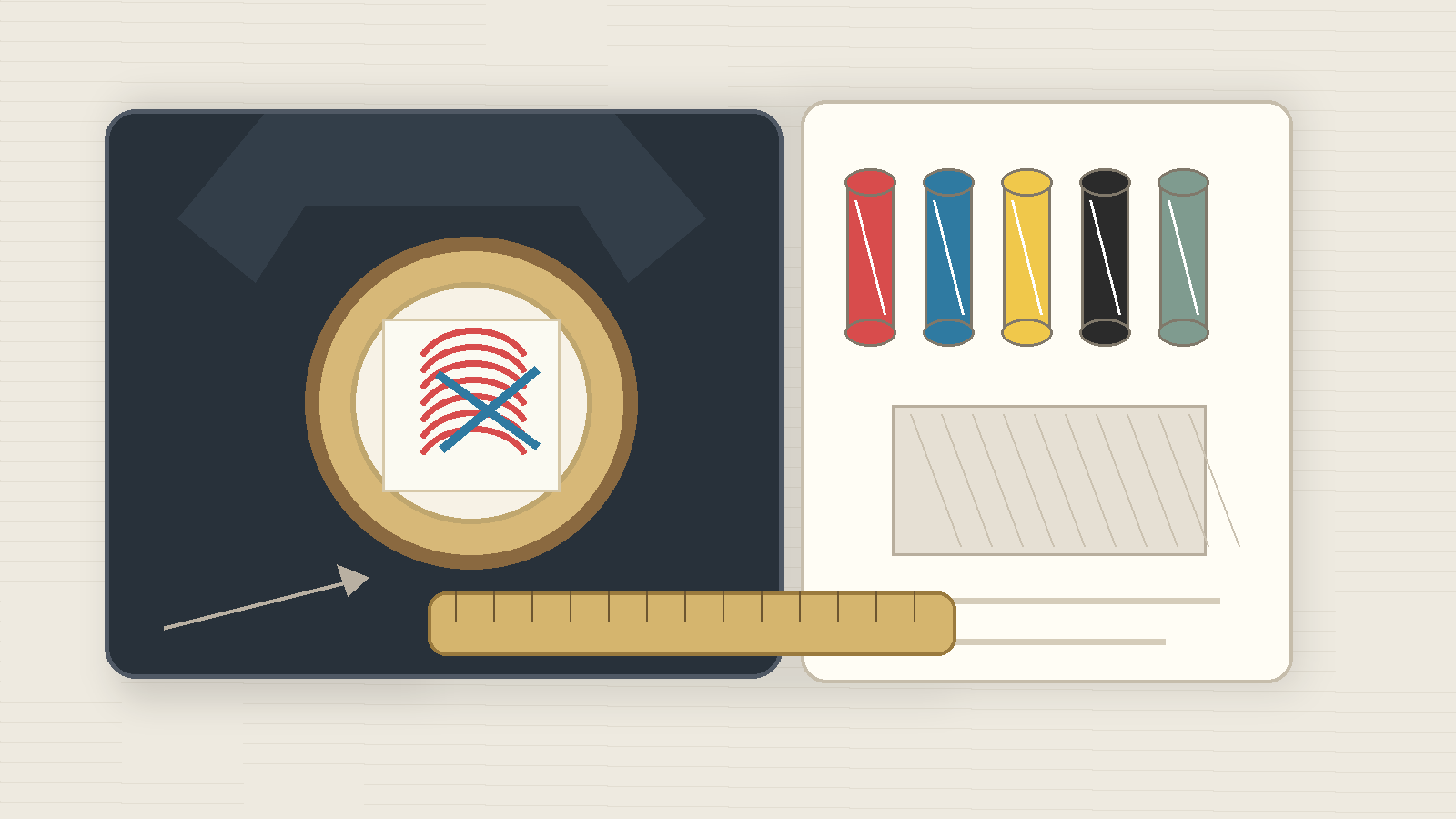
Backing supports the fabric while the embroidery machine stitches. Thread color controls the visible brand mark. Both choices can affect bulk quality. If the backing is too light, the design may distort or pucker. If it is too heavy, the garment can feel stiff. If the thread color is chosen only from a screen image, it may look different on the actual garment fabric.
Low MOQ orders still need this control. Smaller production runs can make every rejected panel more painful because there may be less extra fabric, fewer spare blanks, and less room to remake decorated parts. The approval goal is not to overcomplicate embroidery; it is to remove avoidable uncertainty before bulk stitching starts.
Match Backing to Garment Fabric and Embroidery Size
The backing should match the garment fabric, embroidery size, stitch coverage, and wear area. Heavy fleece, jersey, rib, stretch panels, woven twill, and washed fabrics do not all need the same support. A small chest mark may need a different backing than a dense sleeve graphic or large back embroidery.
For hoodie projects, backing choice should be checked with the actual fleece or French terry, not only on a loose test scrap. The custom hoodie manufacturer page gives broader context for how fabric, fit, construction, and decoration need to align before production.
Check Thread Color Under Real Fabric and Lighting Conditions
Thread color should be reviewed against the actual garment color. A thread that looks bright on a cone can appear muted on brushed fleece, too sharp on garment-dyed fabric, or slightly different under studio, factory, and daylight conditions. If color is critical, the buyer should approve a physical embroidery sample instead of relying only on a mockup.
The approval record should state the thread color reference, garment color, design version, and whether the thread has been approved for bulk. If a near match is acceptable, write that clearly. If exact matching matters, mark it as a hold point until the buyer approves the physical sample.
Review Puckering, Density, Edge Quality, and Handfeel
Look beyond the front view. Check whether the fabric puckers around the design, whether dense areas feel too stiff, whether edge stitching is clean, whether small details remain legible, and whether the back side is comfortable enough for the garment area. A logo can look good in a close-up photo but feel wrong when worn.
Embroidery density should also match the fabric. Very dense stitching on unstable knit fabric can pull the panel. Too little coverage can make the artwork look thin. The factory and buyer should agree whether the sample is approved as-is, approved with specific density adjustment, or held for another test.
Connect Embroidery Approval to Placement and Tech Pack Files
Backing and thread approval should connect to placement, artwork files, garment size, and production notes. The hoodie embroidery placement guide explains how position should be reviewed before bulk. The cut and sew tech pack guide for low MOQ streetwear shows how artwork, measurements, fabric, construction, and approval notes should stay in one production record.
If the embroidery comes from a buyer artwork package, file readiness still matters. The print artwork file readiness guide is print-focused, but the same handoff principle applies: the factory needs clean source files, scale, placement, color expectations, and approval notes before production.
Approve, Adjust, or Hold Before Bulk
The final approval should name the garment style, fabric, embroidery artwork version, thread color, backing type or direction, placement reference, sample photo, and open risks. Approve if the design is stable, the thread color is accepted, the backing supports the fabric, and the handfeel is acceptable. Adjust if density, backing, thread, or placement needs a specific correction. Hold if the sample has puckering, color mismatch, or unclear comfort risk.
For a low MOQ streetwear project with embroidery, send your garment details, artwork files, placement references, fabric information, sample photos, and target order quantity through the StitchQuote inquiry page. A clear embroidery approval record gives the decoration team a practical reference before bulk stitching begins.
Questions Buyers Ask About Embroidery Backing
Can the factory choose embroidery backing without buyer approval?
The factory can recommend backing based on fabric and artwork, but the buyer should still approve the result on a physical sample when handfeel, puckering, or visible quality matters.
Why does embroidery pucker on some garments?
Puckering can come from unstable fabric, wrong backing, overly dense stitching, poor tension, or a design that is not suitable for the garment area. The sample should be reviewed before bulk.
Should thread color match a screen mockup exactly?
Not necessarily. Screen color is only a guide. Thread should be reviewed against the actual garment fabric and, when color matters, approved from a physical embroidery sample.
What should be included in embroidery approval notes?
Include artwork version, garment fabric, thread color, backing direction, placement reference, sample photos, approved corrections, hold points, and whether the embroidery is approved for bulk.
Request a manufacturing quote
Share your product type, quantity range, and destination. We usually reply within one business day.