Custom Streetwear, Casualwear & Denim Manufacturer•MOQ 50 pcs•Denim MOQ 100 pcs•7-Day Sample Available
Screen Printing vs DTG vs DTF: Which Print Method Fits a Low MOQ Clothing Order?
Screen printing, DTG, and DTF behave differently on cost, durability, fabric compatibility, and artwork detail. Here is how factories match method to a low MOQ order.

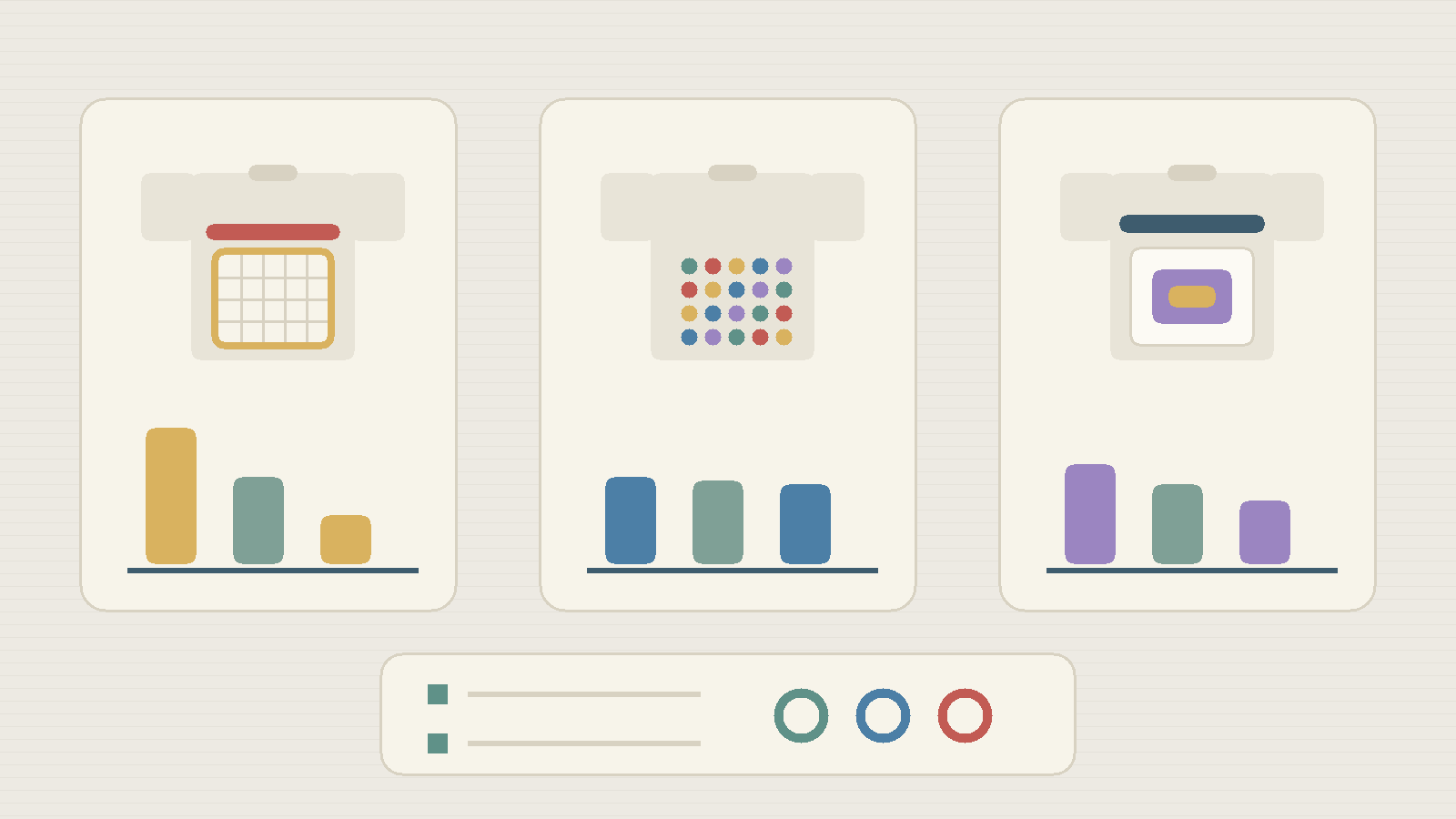
Screen printing, DTG, and DTF each fit different low MOQ clothing orders, and the right choice depends on artwork detail, fabric, order quantity, durability needs, and budget. Factories do not treat the three as interchangeable, and a design that is cheap and stable in one method can be expensive or unreliable in another.
Print method is one of the first decisions in a streetwear drop, right after fabric and fit. The custom streetwear manufacturer page covers the full production side; this guide compares the three main print routes so you can match method to design before sampling starts.
When a low-MOQ print choice needs a raised graphic effect, use puff versus high-density print checks to narrow the sample direction before quoting.
How Each Method Puts Ink On The Garment
Screen printing pushes ink through a mesh stencil, one screen per color, then cures the ink with heat. DTG, direct-to-garment, inkjets water-based ink straight into pretreated fabric, like a photo printer for shirts. DTF, direct-to-film, prints the design onto a carrier film, bonds adhesive powder to it, and heat-presses the finished transfer onto the garment. The mechanics explain almost every difference in cost, feel, and durability that follows.
Cost Behavior At 50, 100, And 300 Pieces
Screen printing carries a fixed setup cost per color per location, so its unit price falls fast as quantity grows: a one-color logo at 300 pieces is one of the cheapest decorations in the industry, while a six-color front at 50 pieces is one of the most expensive. DTG has almost no setup, so its per-piece price is flat; it usually wins complex, multi-color artwork at 50 to 100 pieces on cotton. DTF sits between the two, with low setup and film cost driven by print area; it stays economical when one design repeats across placements, sizes, or restocks. If you expect to reorder, ask for the quote at both your launch and reorder quantities before you approve anything.
Durability, Handfeel, And Wash Performance
Properly cured screen prints are the durability benchmark, surviving heavy wash cycles with slow, even fading, and water-based or discharge inks give a soft hand on dark fabrics when the factory runs them well. DTG has the softest feel because ink sits in the fibers, but it depends on correct pretreatment; weak pretreat shows up as dull color and fast fade. DTF is highly wash- and stretch-resistant, but the film layer sits on the surface, so large solid blocks can feel plasticky and trap heat. A serious factory treats print approval as a quality control step: wash tests on production fabric, cure temperature checks, stretch recovery, and crock testing before bulk, not after complaints.
Fabric, Color, And Placement Limits
Screen printing works across cotton, blends, and fleece, but dark garments need an underbase layer and polyester needs low-cure ink to stop dye migration bleeding through the print. DTG performs best on 100 percent ring-spun cotton and struggles on polyester. DTF is the most fabric-flexible of the three, bonding to cotton, poly, nylon, and blends, and it reaches awkward placements such as sleeves, hoods, and pocket edges that are slow or risky on press. If your line mixes a cotton tee with a poly-blend hoodie, that alone can decide the method.
Artwork Detail And Special Effects
Screen printing owns special effects: puff, high-density, metallic, and discharge finishes that give streetwear its texture. Our guide on puff print cracking checks covers how those effects are approved. DTG reproduces photographic gradients and unlimited color without setup. DTF renders sharp multi-color logos and fine linework cleanly, but cannot create raised or textured effects. Whatever the method, the artwork file itself decides half the result; see the print artwork file readiness checklist before you send designs.
How To Choose For Your Next Drop
A practical shortcut for a custom t-shirt or streetwear order: choose screen printing for one-to-three color logos at 150 pieces and up, or whenever you want puff, high-density, or metallic texture; choose DTG for photographic or many-color artwork on cotton at small quantities; choose DTF for mixed fabrics, mixed placements, small repeating logos, or restock flexibility. Then lock the decision with a strike-off, a printed approval sample on the real production fabric, during the normal sampling and MOQ process so color, hand, and placement are approved before bulk cutting.
Questions Buyers Ask About Screen Printing, DTG, And DTF
Which print method is cheapest for a 50-piece order?
Usually DTG or DTF, because they have little or no setup cost. Screen printing only wins at 50 pieces when the design is one or two colors, and even then the gap is small; ask for both prices.
Do DTF transfers feel like a sticker?
Large solid DTF blocks can feel heavier than DTG or water-based screen prints. Good factories reduce that with thinner film, halftone fades, and breaking up big solid areas at the artwork stage.
Can I mix print methods in one order?
Yes, and mixed orders are common: a screen-printed main logo with DTF sleeve hits, for example. Each method still needs its own approval sample and wash test before production.
How do factories test a print before bulk production?
Through strike-off approval on production fabric, wash testing at realistic temperatures, stretch and crock checks, and cure verification. Approving these checks before cutting protects the whole order.
Request a manufacturing quote
Share your product type, quantity range, and destination. We usually reply within one business day.
3 Comments
Comments are closed.
[…] be reviewed through the custom streetwear manufacturer workflow. For method selection, compare screen printing vs DTG vs DTF, then check hoodie-specific artwork with the custom hoodie manufacturer team or send files through […]
[…] being specified, start with the custom hoodie manufacturer page. For print-method costing, compare screen printing vs DTG vs DTF for low MOQ, then route streetwear artwork through the custom streetwear manufacturer inquiry path or request a […]
[…] the method has not yet been selected, compare the production tradeoffs in screen printing vs DTG vs DTF. The wash-test approval should then refer to the actual chosen method, actual bulk or […]