Custom Streetwear, Casualwear & Denim Manufacturer•MOQ 50 pcs•Denim MOQ 100 pcs•7-Day Sample Available

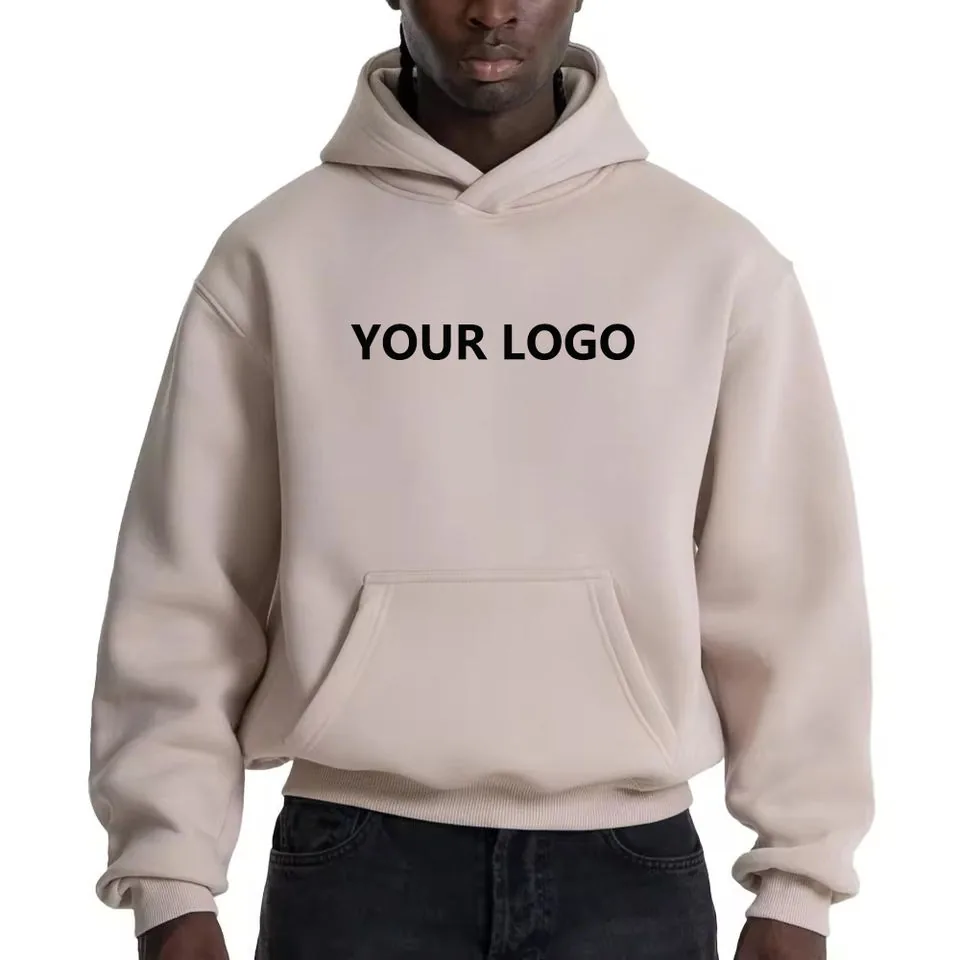
Men’s Hoodie Fit Guide for Streetwear Brands
Practical men's hoodie fit guide for streetwear founders: regular vs drop-shoulder, oversized vs boxy, key measurements, sample approval tips before low-MOQ bulk.

Men’s Hoodie Fit Guide for Streetwear Brands
A hoodie’s fit is part of your brand identity: it shapes the silhouette customers recognize, the way graphics sit, and how the garment works with jeans or sweatpants. But labels like “oversized” and “boxy” are not production instructions. Without clear measurements, your intended relaxed fit can become an overly long body, restrictive hem, or sleeve that swallows the hand. Those mismatches can create sizing confusion and returns when the delivered hoodie differs from the product photos or size chart. This hoodie fit guide helps streetwear founders turn visual references into a measurable fit brief. Start with the silhouette, define the construction and fabric, then approve a physical sample before committing to bulk production.
Regular vs Drop-Shoulder Hoodie Fit
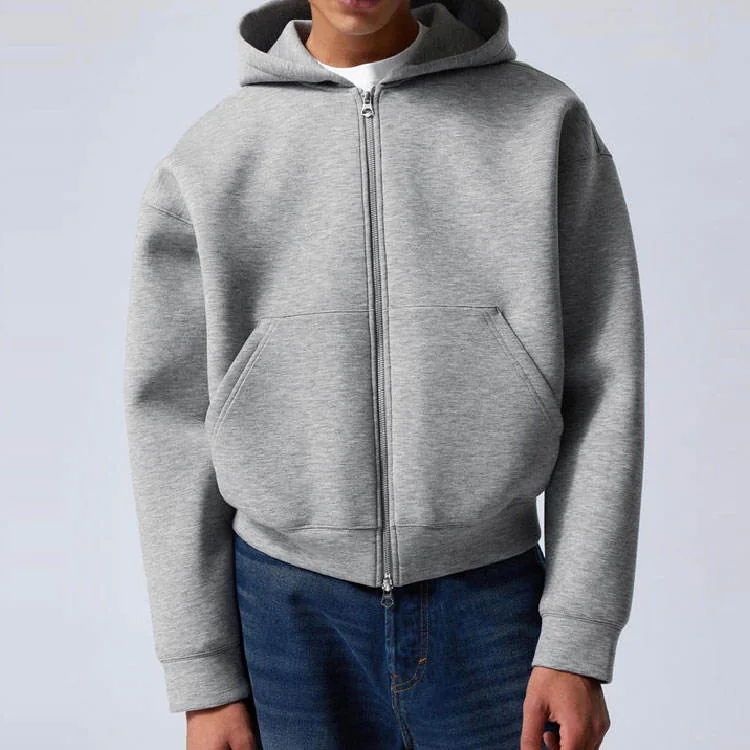
A regular shoulder places the shoulder seam near the wearer’s natural shoulder point. It creates a more defined upper-body outline, although the chest can still be roomy. Regular shoulder construction does not automatically mean a slim hoodie.
A drop shoulder moves that seam down the upper arm. The wider shoulder panel helps create a relaxed outline, but the final drop shoulder hoodie fit also depends on armhole depth, sleeve shape, and fabric. Simply widening the shoulder can leave excess fabric under the arm or change sleeve reach.
Choose the seam position for the silhouette, then check movement and total sleeve reach. For a closer construction comparison, see drop-shoulder vs. regular-shoulder hoodies. Include front, back, and side references rather than relying on one styled photograph.
Oversized vs Boxy (and Cropped) Hoodie Fit
Oversized hoodie fit describes intentional extra volume relative to the wearer. That volume may appear across the chest, shoulders, sleeves, and body. It should come from a designed pattern, not simply asking customers to buy a larger size.
Boxy describes the relationship between width and length: a broad body with a comparatively shorter, squarer outline. A boxy hoodie can be oversized, but an oversized hoodie can also be long. Cropped describes where the hem ends on the wearer, not how wide the garment is.
Define boxy hoodie measurements through chest width, body length, and hem opening together. A narrow rib hem can pull a wide body inward and create a bloused shape; a straighter hem lets it hang more freely. If you are developing a set, review hoodie and sweatpants fit balance so the top’s length works with the waistband and rise.
Key Points of Measure for a Streetwear Hoodie Fit
A point-of-measure sheet, or POM sheet, turns your preferred streetwear hoodie fit into instructions the factory can check. Specify units, measurement paths, and acceptable tolerances for each point. Measure the garment flat and relaxed unless your instructions state otherwise.
- Chest: Record the flat width across the body at a defined position below the armholes. State that position explicitly. Flat chest width is not the same number as full chest circumference.
- Body length: Define the start and finish, such as high point shoulder to bottom hem, including the rib. Do not switch between high point shoulder and center-back length during reviews.
- Sleeve from CB neck: For drop shoulders, measure from the center-back neck across the shoulder and along the sleeve to the cuff edge. Include a diagram showing the route and whether the cuff is included. This tracks total reach despite a shifted shoulder seam.
- Shoulder: Measure between the shoulder-to-sleeve seam junctions across the back using the agreed method. Review this alongside chest width and sleeve reach rather than adjusting it alone.
- Hem: Record the relaxed bottom opening and rib height. If stretch is important, define a separate stretched measurement and method. Check whether the hem catches at the hips.
- Cuff: Record relaxed cuff opening and cuff height. Check hand entry, wrist comfort, and recovery after stretching; a correct opening alone does not confirm performance.
Also document armhole depth, upper-sleeve width, and hood dimensions when they affect your design. Clear diagrams prevent different teams from measuring the same label differently.

How Fabric and GSM Affect Hoodie Drape and Fit
GSM means grams per square meter: fabric weight per unit area, not a fit category. A heavier fabric may hold volume away from the body, while a softer fabric may collapse into folds. Knit structure, fiber composition, finishing, and rib recovery also influence the result.
Two hoodies with identical measurements can therefore look different on the same wearer. Compare 320 GSM vs. 420 GSM hoodies as fabric options, not automatic definitions of regular and oversized.
French terry has a looped interior, while brushed fleece has a raised, brushed interior. Neither name guarantees a particular drape or shrinkage behavior. Review French terry vs. brushed fleece, then assess the intended fabric in a finished sample. Measure before and after laundering according to the proposed care instructions, and record any change in length, width, twisting, or rib shape.
How to Brief Your Factory and Approve the Sample Before Bulk
Build a brief that combines visual intent with measurable requirements. “Same vibe as this photo” leaves too much room for interpretation.
- Define the wearer: Identify your target customer, intended layering, and where the hem and cuffs should sit.
- Provide the specification: Include technical drawings, base-size POMs, tolerances, fabric details, rib construction, and planned washing or finishing.
- Explain references: Mark what you like about each reference, such as shoulder drop or body width, and what should not be copied.
- Review the sample: Measure it, photograph it on a fit model with recorded body measurements, and test reaching, sitting, and wearing the hood.
- Close revisions: Consolidate comments into one dated revision. Confirm corrections in a physical sample and retain the approved specification and reference garment.
Agree on size grading rather than adding the same amount everywhere. Review representative sizes to check that shoulder drop, body length, and sleeve reach remain intentional across the range. Document controls for hoodie fit problems after bulk production before production begins.
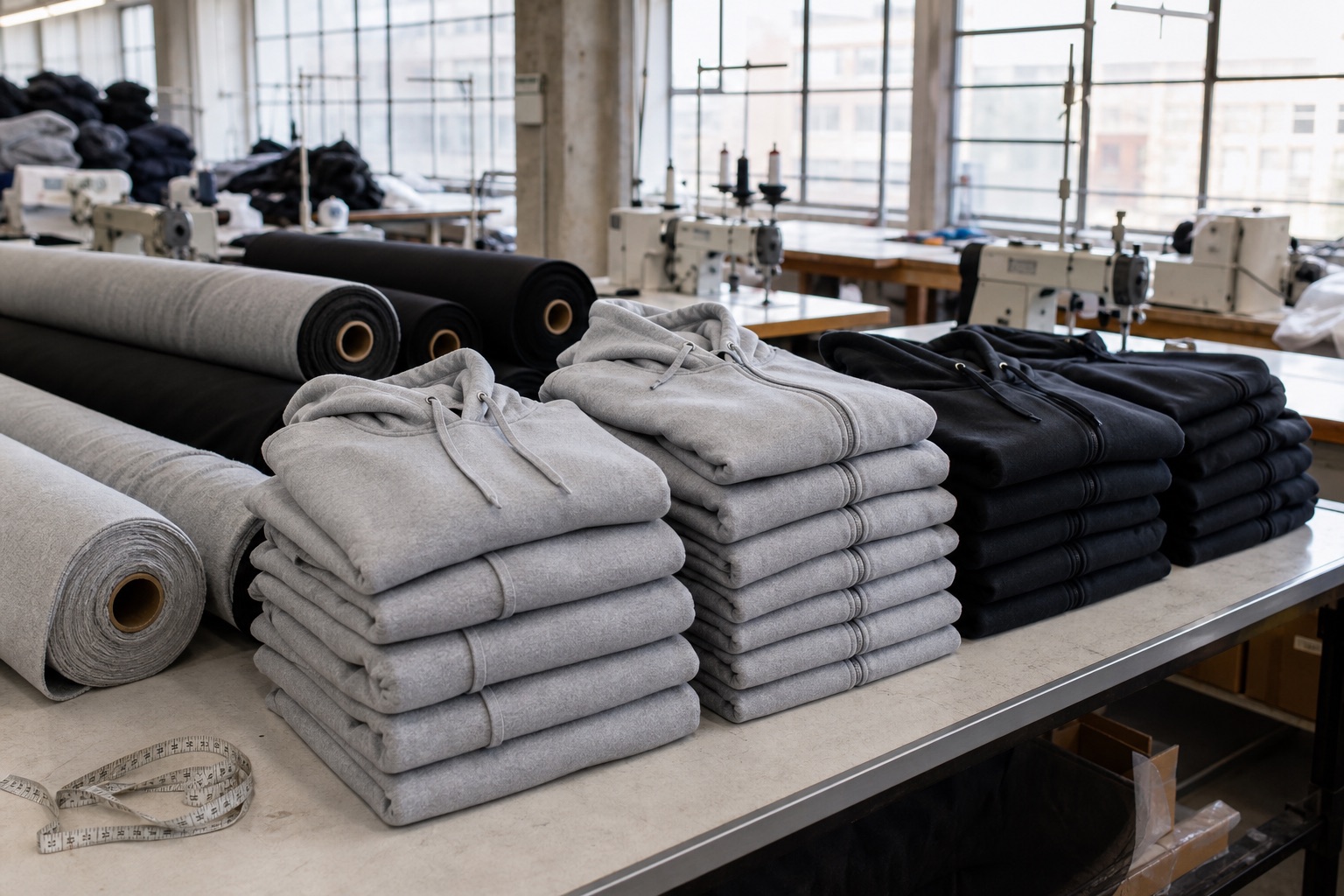
StitchQuote is a custom hoodie manufacturer and streetwear menswear partner offering private label and OEM/ODM for US and EU men’s streetwear brand founders. Brands developing an oversized hoodie program can use the same sample-first workflow. Its sample-first workflow includes 7-day samples for standard styles with confirmed specs and materials. MOQ starts from 50 pieces per style for most styles and 100 for denim; see sampling and MOQ details.
Tie Your Fit to a Customer Size Chart
Your factory specification and customer chart should share approved measurements, but serve different purposes. The factory needs detailed construction measurements and tolerances. Customers need understandable dimensions and guidance on the intended silhouette.
Clearly label garment measurements versus body measurements, and explain whether chest means flat width or circumference. Include a simple measuring method and suggest comparing with a hoodie the customer already owns. Publish model body measurements and the size worn when available.
Use specific fit language: “wide body with a shorter length” is clearer than “relaxed.” Explain whether customers should select their usual size for the intended oversized look. The men’s streetwear size chart guide provides a useful next step.
FAQ — Men’s Hoodie Fit Guide
What is the difference between oversized and boxy hoodie fit?
Oversized refers to extra volume relative to the wearer. Boxy refers to a wide, comparatively short body shape. A hoodie can be both; specify chest width, length, and hem opening instead of relying on either label alone.
How should I measure sleeve length on a drop-shoulder hoodie?
Use center-back neck to cuff along a documented shoulder-and-sleeve path. Because the shoulder seam sits lower, seam-to-cuff length alone can be misleading. Include a measurement diagram and specify whether the cuff is included.
Does higher GSM make a hoodie look more oversized?
Not automatically. Higher GSM changes fabric weight, while the pattern determines garment dimensions. Fabric structure and finishing affect whether the extra volume stands away from the body or falls into softer folds.
What should I check on a hoodie sample before approving bulk?
Check POMs against tolerances, on-body proportions, movement, hood balance, cuff comfort, and hem behavior. Review fabric, finishing, and post-wash measurements, then confirm revisions and grading in writing before releasing bulk.
If you are using this men’s hoodie fit guide to prepare a development brief, you can share your references, target measurements, and fabric requirements with StitchQuote to discuss a sample-first approach.
When fabric handfeel matters as much as silhouette, pair this fit guide with our hoodie fabric weight / GSM guide.
Ready to shortlist factories? Use how to choose a hoodie manufacturer checklist.
Request a manufacturing quote
Share your product type, quantity range, and destination. We usually reply within one business day.