Custom Streetwear, Casualwear & Denim Manufacturer•MOQ 50 pcs•Denim MOQ 100 pcs•7-Day Sample Available

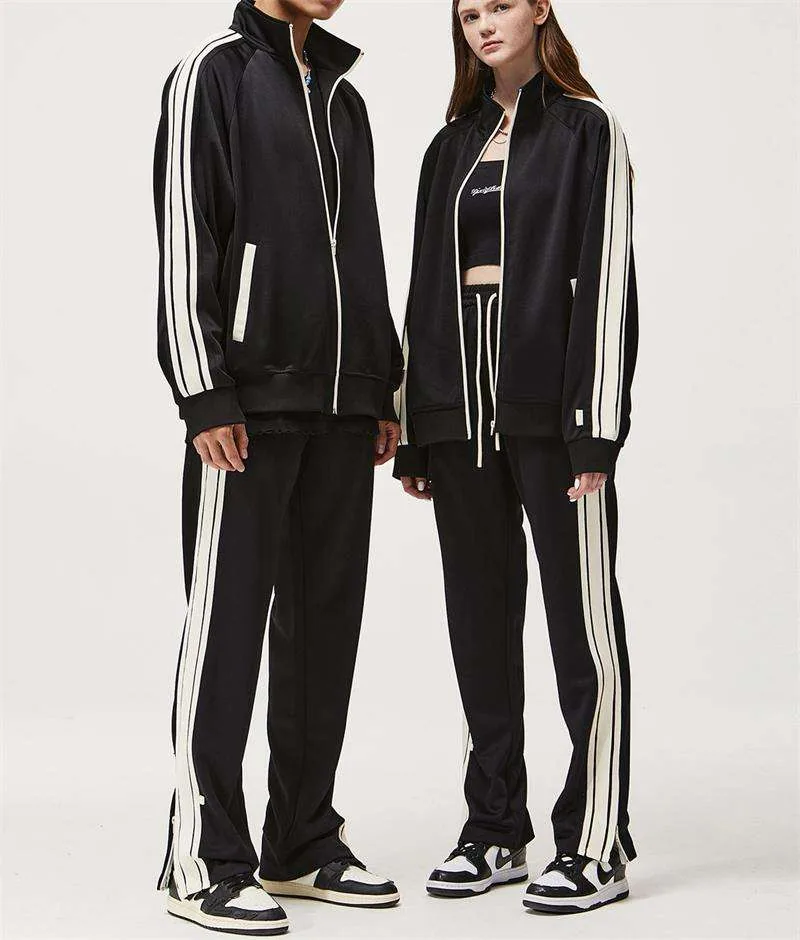
Joggers Tech Pack: What Streetwear Brands Should Specify Before Sampling
Build a joggers tech pack with clear fit measurements, waistband details, pocket specs, and sample approval checks before bulk.

By StitchQuote Production Team
A hoodie or tee brief needs clear proportions, but joggers introduce several interacting fit decisions. The waistband must hold without excessive pressure, the rise and seat must allow movement, and the cuffs must support the intended leg shape. Pockets, drawcord construction, and fabric recovery also affect how the garment wears.
A useful joggers tech pack turns those decisions into measurable instructions before sampling begins. If you are still assembling a full cut-and-sew package, start with a general cut-and-sew tech pack checklist, then deepen the bottoms-specific fields below. For US and European men’s streetwear brand founders, that means documenting more than a reference photo and “relaxed fit.” Give the factory a defined silhouette, construction details, and approval criteria it can use to build and evaluate the sample.
What a Joggers Tech Pack Should Include
Organize the pack so the factory can distinguish design intent from production requirements. Keep a revision date on each updated document and identify the base sample size.
- Style identification: Style name, code, sample size, size range, and intended colorways.
- Technical flats: Front and back drawings, plus close-ups of pockets, waistband, cuffs, and branding.
- Measurement chart: Points of measure, measuring methods, units, size grading, and acceptable tolerances.
- Materials: Body fabric, cuff material, pocket bags, elastic, drawcord, thread, and labels.
- Construction: Seam placement, stitch requirements, waistband assembly, pocket reinforcement, and finishing details.
- Artwork: Placement dimensions, artwork files, colors, and application method.
- Approval notes: Fit references, wash requirements, sample feedback, and unresolved questions.
When briefing a custom joggers manufacturer, separate required specifications from choices you want the factory to recommend. An unanswered construction question should remain visible instead of becoming an undocumented assumption.
Silhouette and Fit Language That Factories Can Measure
Use silhouette terms as a starting point, then translate them into jogger fit measurements. “Slim” typically suggests a closer leg; “regular” suggests moderate ease; “relaxed” suggests more room through the seat and thigh. “Stacked” describes intentional fabric accumulation near the ankle. None defines a complete pattern by itself.
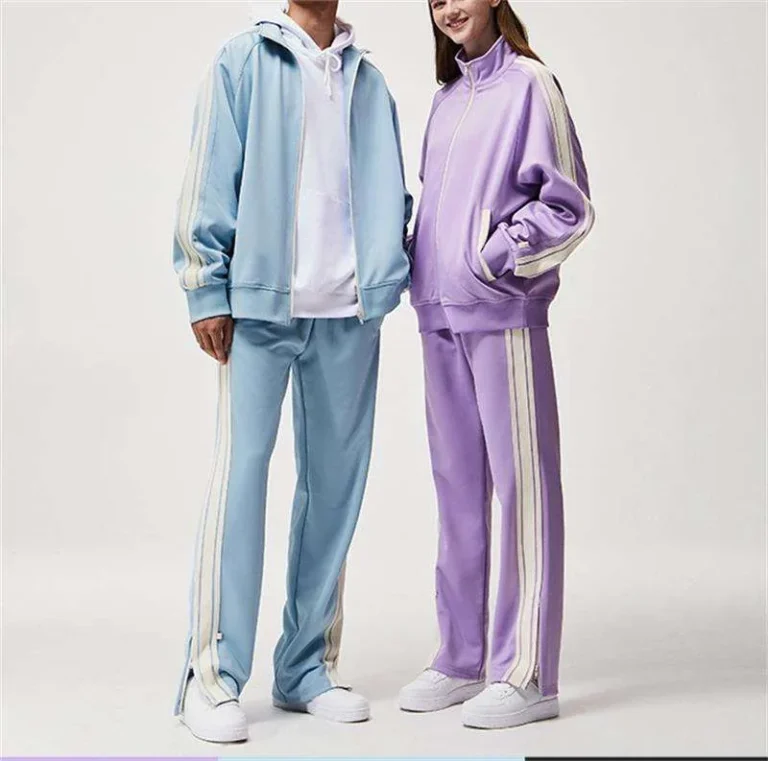
Include front and back rise, seat width, thigh width, knee width, inseam, leg opening, and cuff height. Specify where each measurement starts and ends. For example, state the distance below the crotch where thigh width is measured and whether inseam includes the cuff.
- Rise: Define front and back separately, noting whether measurements include the waistband.
- Seat and thigh: Specify garment widths and measurement locations to establish room through the upper block.
- Inseam: Connect finished length to the intended ankle position or stacking effect.
- Leg opening and cuff: Distinguish the leg width above the cuff from the finished cuff opening.
State whether values are flat widths or circumferences. Record reference-model measurements and the intended wearing position at the waist. A low-worn waistband changes how the rise and hem appear, even when the garment measurements stay the same.
Define grading across sizes rather than assuming every measurement increases equally. Review tolerances with your factory, especially where small differences could change waistband comfort or ankle fit.
Waistband, Drawcord, and Elastic: Lock the Construction
Specify whether the waistband uses a separate casing or a folded extension of the body fabric. Include finished waistband height, elastic width, and how the elastic is secured. Confirm whether the proposed construction addresses twisting and whether any stitching passes through the elastic.

Record the relaxed waistband measurement and a stretched measurement using an agreed method. Avoid an instruction such as “stretch fully” without defining the test condition. Fabric, elastic, and construction can affect the result, so confirm a repeatable approach with your factory.
For the drawcord, define flat or round construction, material, width or diameter, color, finished length, and exposed length. Show whether it exits inside or outside the waistband. Specify buttonholes or eyelets, their placement, and the desired end finish.
Check the waistband as a complete assembly. A drawcord should not compensate for an elastic specification that fails the intended fit. During sampling, assess comfort while sitting and moving, then check whether the waistband returns to its agreed relaxed measurement.
Pockets and Side Seams
Pocket sketches need dimensions. Specify opening length, opening angle, placement from the waistband and side seam, pocket-bag depth, and bag material. If phone storage is part of the design brief, identify the reference object and check it in the sample.
For back pockets, define the pocket type, finished dimensions, placement, and closure. Show reinforcement locations at stress points. If zippers are required, include their length, type, and orientation.
Your streetwear joggers specifications should also show whether the leg has a conventional side seam, a shifted seam, or an added panel. These choices affect pocket placement and artwork alignment. Mark print or embroidery positions from a stable reference point rather than saying “center on thigh.”
Inspect pocket openings while the sample is worn. Gaping or pulling may involve the seat, rise, pocket angle, or bag construction. Review those relationships before changing pocket dimensions alone.
Fabric and Rib or Cuff Materials
French terry typically has loops on the reverse, while brushed fleece has a brushed inner surface. Both can support a streetwear design, but they can differ in hand feel, warmth, drape, and finishing behavior. Confirm the actual material through swatches and sampling.
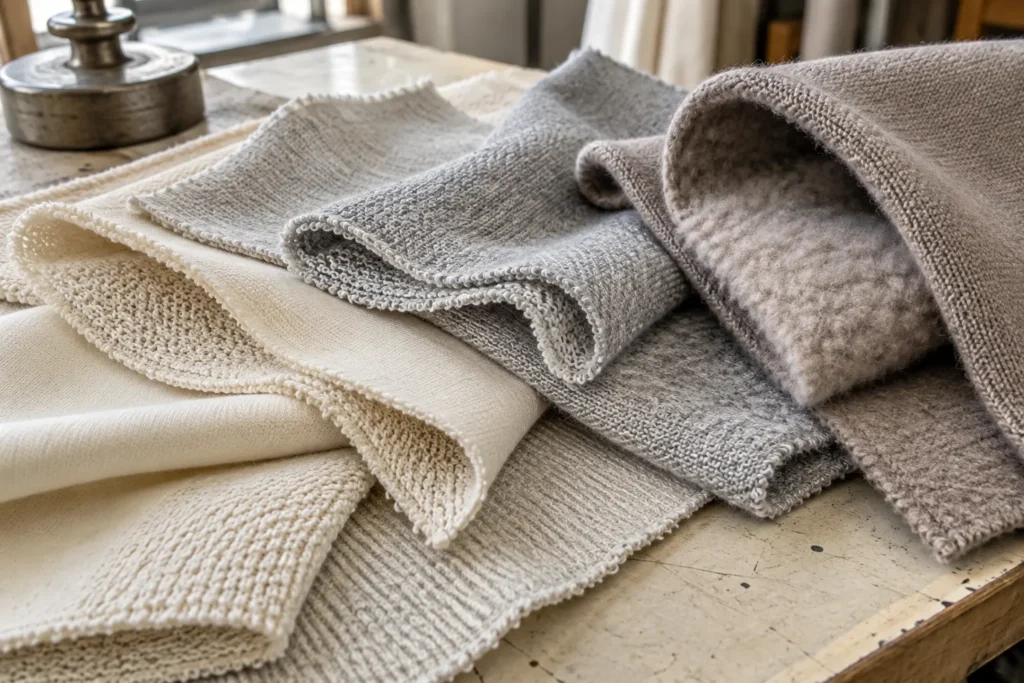
Treat GSM as one decision alongside fiber composition, knit structure, finish, and intended season. Approximately 280–400+ GSM can be a discussion range for streetwear joggers; it is not a universal target. A heavier fabric does not automatically deliver the desired silhouette or recovery.
Specify composition, target weight, color reference, surface finish, and any required wash treatment. Agree on how dimensional change will be checked after laundering. Evaluate fit after the intended care process as well as before it.
For cuffs, choose rib, self-fabric, or another defined construction. State finished height, opening, composition, and stretch requirements. If rib is used, confirm its structure and color match against the body fabric.
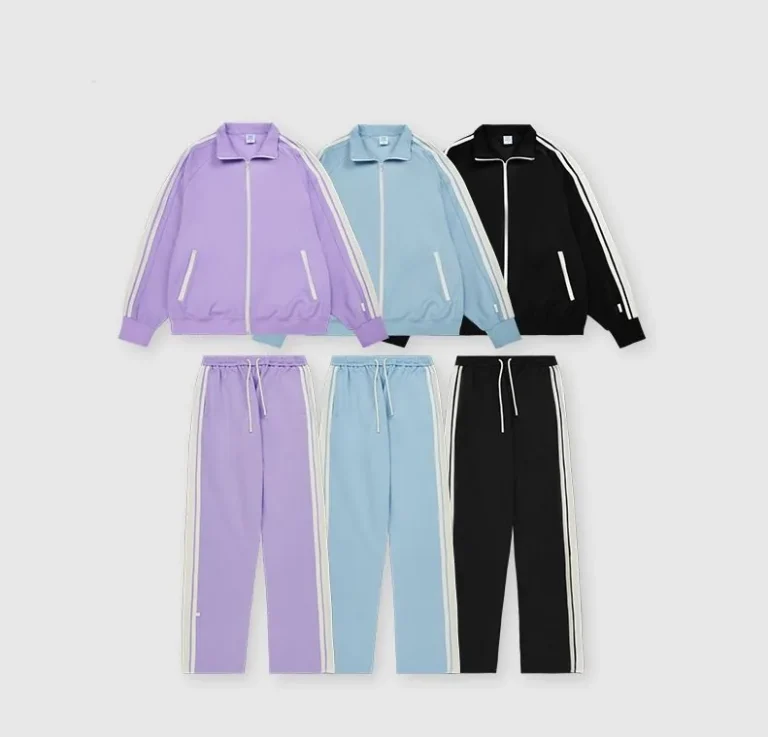
Evaluate body and cuff materials together. A cuff that feels suitable as a swatch may grip differently once sewn into the garment. Confirm that it stretches over the foot, recovers afterward, and supports the intended ankle shape.
Sample Approval Checkpoints Before Bulk
Review the sample against the latest tech pack, then evaluate it on the intended fit model. Record measured results, photos, and specific corrections. Replace vague feedback such as “too baggy” with the affected location, desired change, and measurements to preserve.
- Rise, seat, and inseam: Check standing balance, sitting comfort, crotch position, and finished length. Use these rise, seat, and inseam fit checkpoints to structure feedback.
- Cuff and leg opening: Check ankle grip, foot entry, and how the leg falls above the cuff. Review cuff and leg-opening specifications together.
- Pocket shape: Inspect opening shape, access, bag visibility, and behavior when sitting. Include pocket and rise fit approval in the review.
- Elastic recovery: Check return after stretching under an agreed procedure. Define the method and acceptance criteria using an elastic recovery check with your factory.
Also confirm fabric, color, artwork placement, labels, and finishing. If a sample uses substitute materials, document what remains unapproved. Before bulk, keep an agreed reference sample and written specification revision, with outstanding changes resolved or explicitly identified. If the joggers will ship with a hoodie as a set, check matching-set fit balance so proportions stay coherent across both pieces.
FAQ
What is the difference between sweatpants and joggers in streetwear?
In a sweatpants vs joggers streetwear comparison, joggers often have tapered legs and gathered cuffs, while sweatpants can include straight or open-hem shapes. Naming varies, so specify the actual leg profile and hem construction. If you are comparing bottoms programs, also review the custom sweatpants manufacturer page alongside your joggers brief.
Can a reference photo replace a measurement chart?
No. A photo can communicate proportion and styling, but it cannot reliably establish rise, seat room, or finished length. Pair references with drawings, measurements, materials, and construction notes.
Should every size be approved before bulk production?
Agree on a size-validation plan with your factory. A base-size sample alone cannot confirm how grading behaves at the ends of the range. Additional size samples may help when proportions or fit requirements need closer review.
What are StitchQuote’s MOQ and sampling terms?
StitchQuote’s low MOQ is 50 pcs/style for custom joggers. Seven-day samples apply to standard styles; confirm eligibility for your design. Review sampling and MOQ information when preparing your brief.
Prepare Your Joggers Brief for Sampling
StitchQuote is a custom streetwear menswear manufacturer in China. When your drawings, measurements, and material direction are ready, contact the StitchQuote Production Team to discuss sampling or request a quote. Include any open questions about fit, waistband construction, or cuffs so they can be addressed before sampling.
Related streetwear routes: Joggers often sit in the same drop as fleece or terry tops—see French terry hoodie manufacturer and boxy hoodie manufacturer. For the broader menswear OEM path, use men’s streetwear manufacturer.
Request a manufacturing quote
Share your product type, quantity range, and destination. We usually reply within one business day.